

Gas to Power: Sustainability Perspectives for Oil and Gas Operations
Products for Oil & Gas
-
Products for Oil & Gas
Learn More -
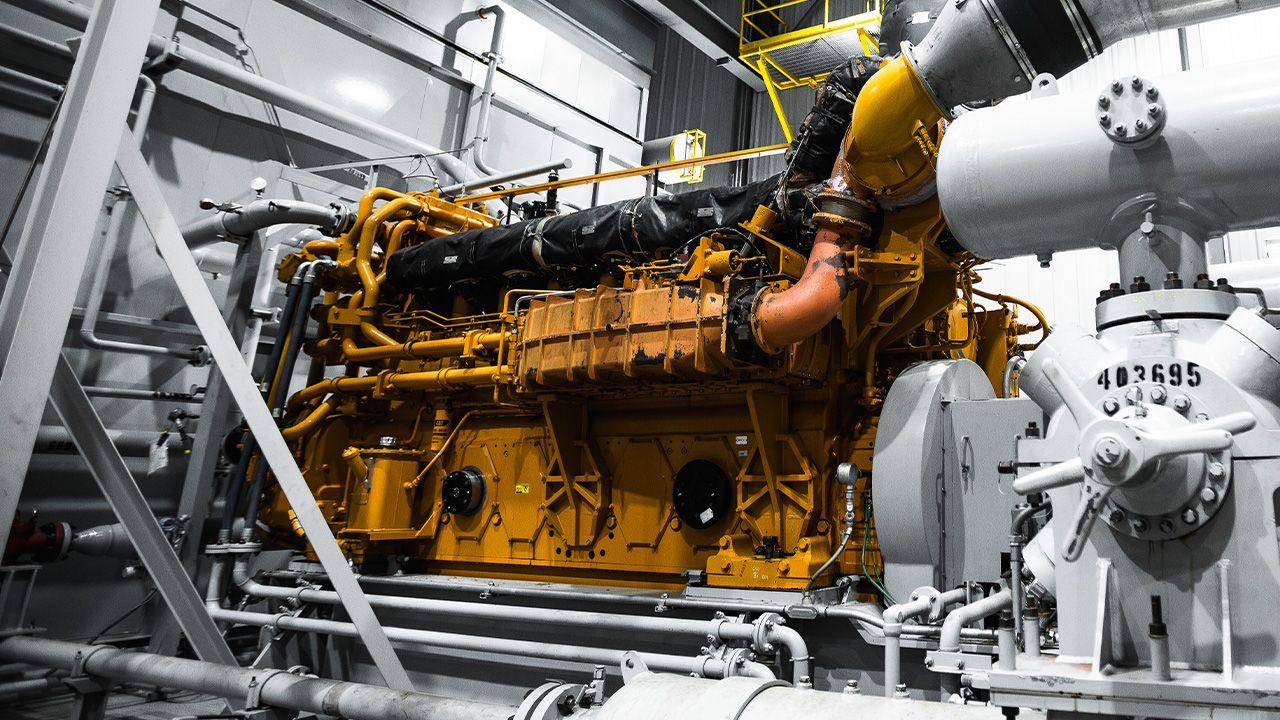
Gas Compression Engines
Learn More -
Land Drilling Engines and Generator Sets
Learn More -
Land Production Generator Sets
Learn More -
Mobile Gas Solutions
Learn More -
Offshore Drilling and Production Generator Sets
Learn More -
Well Service Transmissions
Learn More -
Well Service Engines
Learn More
Parts & Services
Sustainability
About
Rethinking Power Strategy for Oil & Gas Operation
For experienced oil and gas professionals, power strategy is not a standalone sustainability discussion. It is an operational decision shaped by uptime requirements, fuel availability, grid access, load profile, project timing and long-term site economics. As demand for electricity grows and infrastructure constraints continue to affect field development, gas to power is becoming a more important part of how you evaluate practical, site-ready power options.
Explore how you can use available gas more productively, how system design decisions influence efficiency and emissions and how to evaluate power strategies against the tradeoffs that matter most in the field, including reliability, flexibility, cost and long-term performance.
Turning Available Gas Into Smarter, Efficient Power
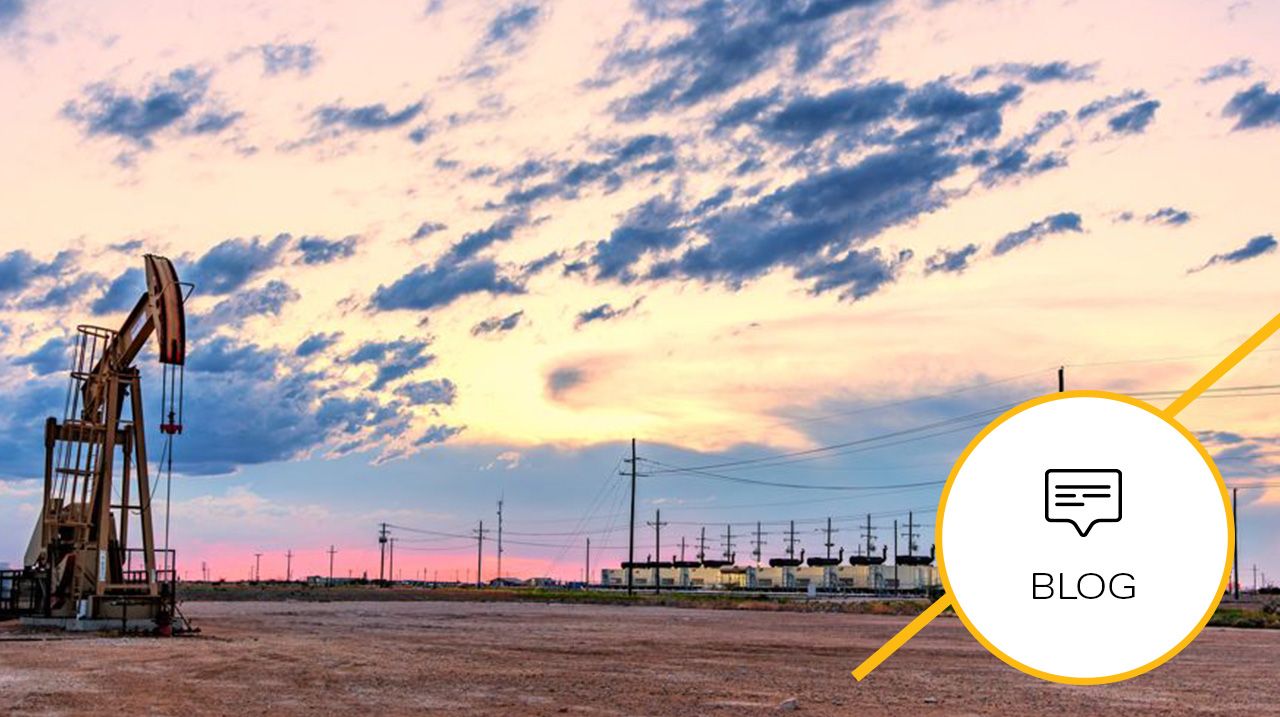
One of the most relevant sustainability questions in gas to power is how to make better use of the gas already available at or near your operation. Depending on the site, that may include field gas, pipeline gas or flare gas. In the right application, using available gas for power generation can help you reduce energy losses, improve power availability and support more efficient site operations without separating sustainability from operational performance.

How Smarter Power System Design Can Support Lower-Emission Operations
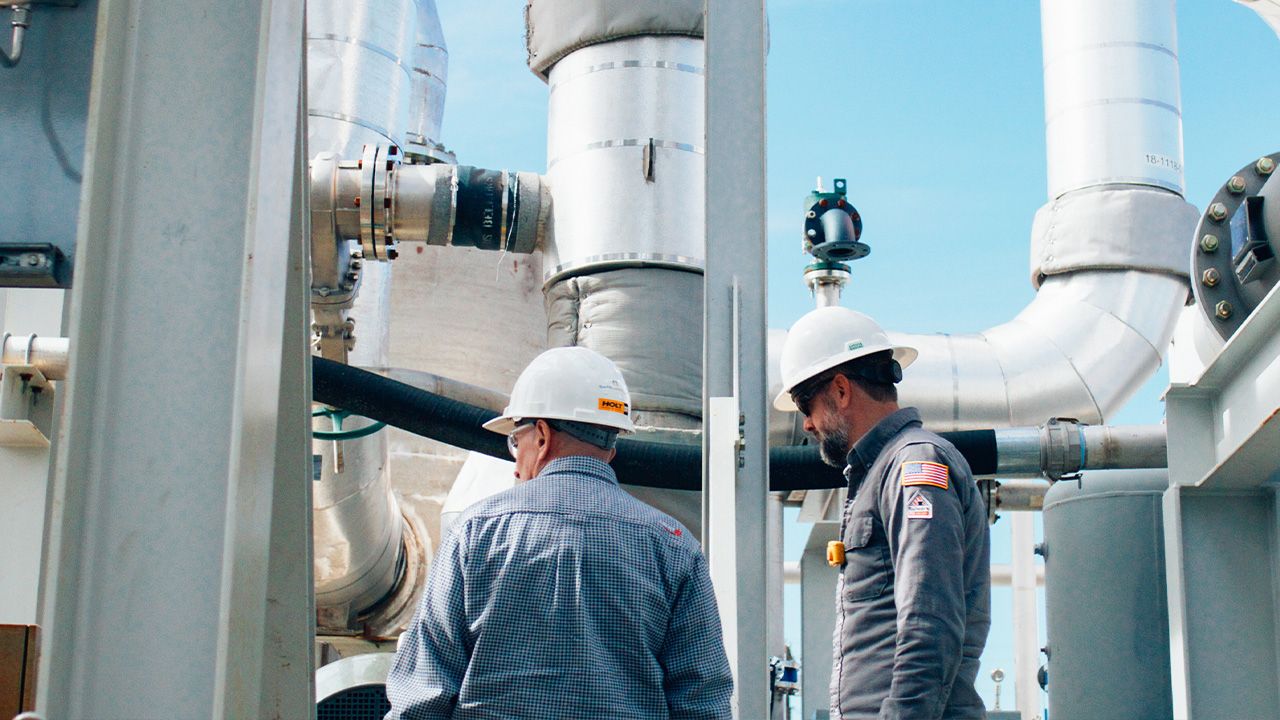
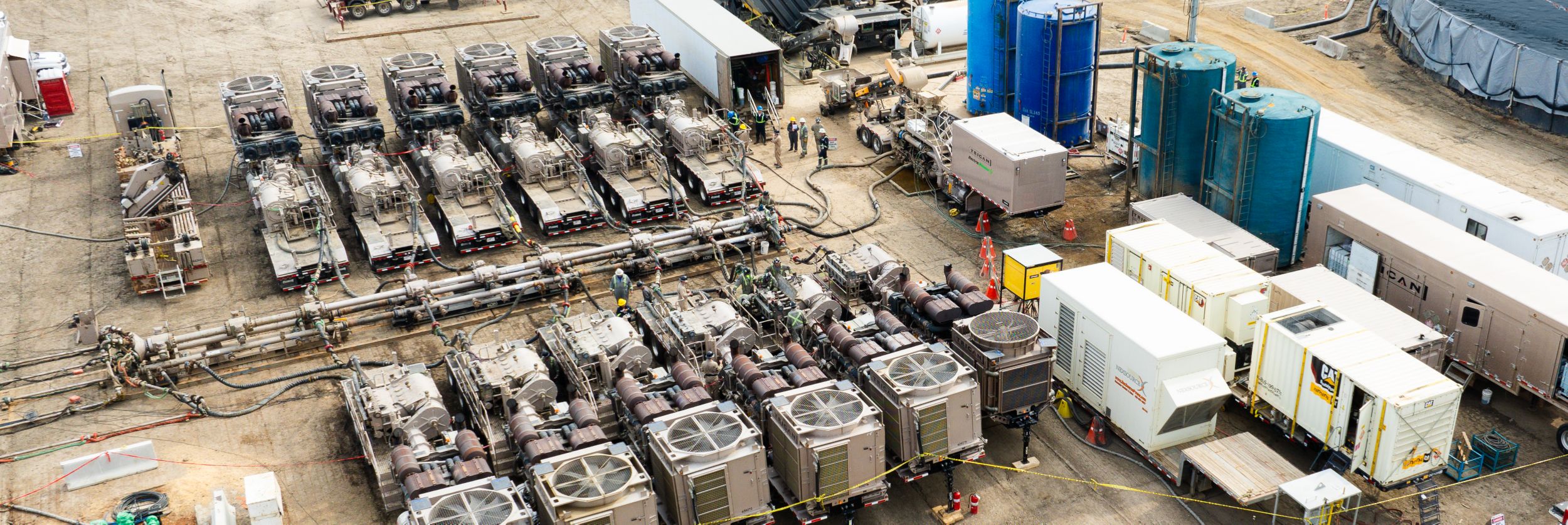
In gas-to-power applications, sustainability is influenced not only by fuel source but also by how the power system is configured, controlled and integrated into the operation. Your decisions around behind-the-meter generation, microgrids, bridge-to-grid strategies, temporary versus permanent power and controls architecture can affect efficiency, resilience, operating flexibility and emission performance. This topic focuses on the broader system decisions that shape long-term outcomes.


Sustainability Solutions Worth Exploring
The path to lower emissions for oil & gas operations is evolving, with multiple technologies and strategies shaping what comes next. Explore additional sustainability topics to better understand the opportunities, tradeoffs and considerations influencing the future of the oil and gas industry.


Gas to Power: Frequently Asked Questions
What does “gas to power” mean in oil and gas operations?
Gas to power generally refers to using available natural gas to generate electricity for on-site operations, microgrids, temporary power, bridge-to-grid applications or, in some cases, exporting power to the grid.
Why is gas to power part of the sustainability conversation?
Because it can help operators make more productive use of available gas, improve resource utilization in certain applications and support more efficient site power strategies while still meeting operational requirements.
Is gas to power only about flare gas?
No. Depending on the site, gas-to-power strategies may involve field gas, pipeline gas, flare gas or another available gas source that fits the operating and power requirements.
Does gas to power automatically reduce emissions?
No. Emission outcomes depend on the fuel source, system design, controls strategy, operating profile and what the site would otherwise use for power.
How can gas to power help reduce waste?
In the right application, it can convert available gas into useful electricity, reduce underused energy potential at the site and improve how operators capture value from nearby fuel resources.
What makes gas-to-power decisions complex?
Operators often need to evaluate fuel quality, load variability, grid limitations, controls requirements, equipment availability, capital cost, lifecycle support and future expansion plans at the same time.
What role do controls and system integration play?
They are central to how the system responds to changing loads, coordinates equipment, supports stability, and performs over time in real operating conditions.
How should operators think about sustainability when evaluating power options?
Sustainability is most useful when evaluated alongside uptime, economics, fuel availability, operational flexibility, and long-term site requirements so the overall strategy remains practical and durable.

Your Business
 North America – English
Caterpillar Brands
- Caterpillar.com
- Contact Us
- My Marketing Preferences
- Site Map
- Cookie Settings
- Legal
- Privacy
- Do Not Sell or Share My Personal Information
- Accessibility Statement
- US-English
- © 2026 Caterpillar. All Rights Reserved.