

Understanding Carbon Capture In Oil And Gas Operations
Products for Oil & Gas
-
Products for Oil & Gas
Learn More -
Gas Compression Engines
Learn More -
Land Drilling Engines and Generator Sets
Learn More -
Land Production Generator Sets
Learn More -
Mobile Gas Solutions
Learn More -
Offshore Drilling and Production Generator Sets
Learn More -
Well Service Transmissions
Learn More -
Well Service Engines
Learn More
Parts & Services
Sustainability
About
Making Carbon Capture Work for Real Operations
When considering how you can reduce carbon dioxide (CO₂) without disrupting performance, you can leverage Caterpillar’s decades of engineering experience to help you answer the biggest sustainability questions facing your oil and gas operations.
Carbon capture can prevent CO₂ from entering the atmosphere by capturing it at the exhaust source. Learn how carbon capture works, what drives project economics and how to determine whether your site is a strong candidate, especially for gas compression and distributed power.
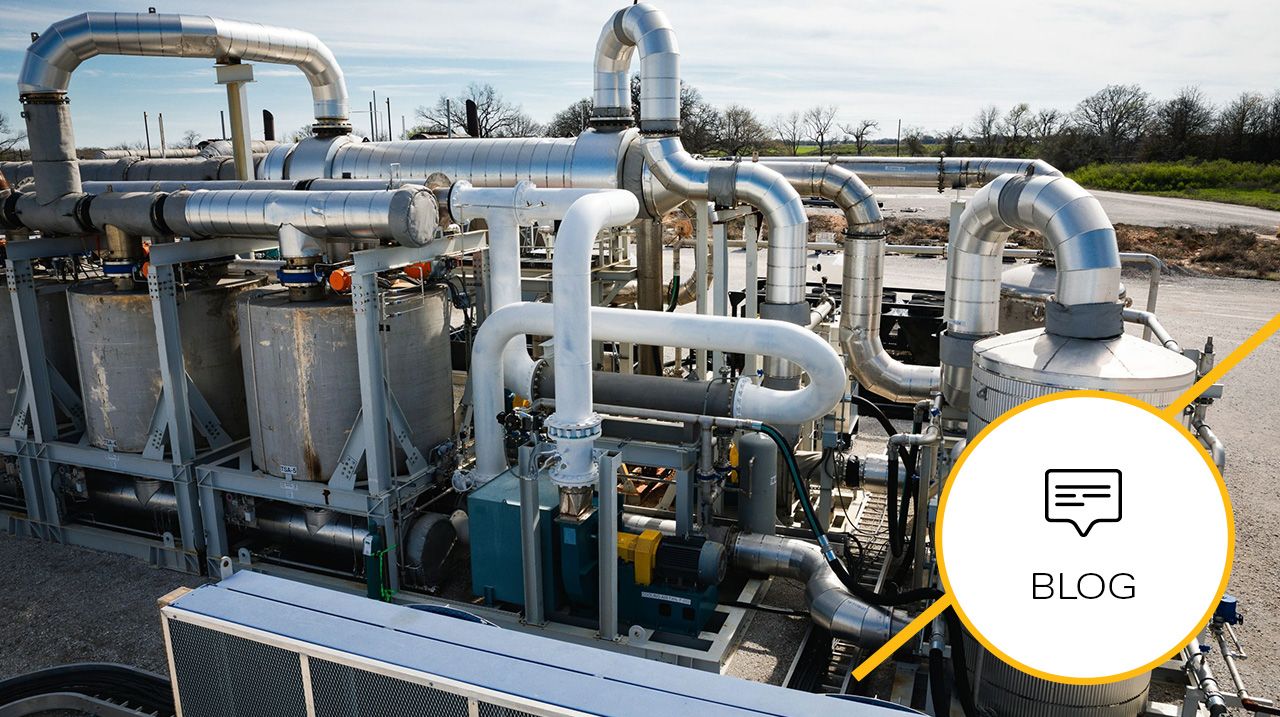
From Exhaust To Opportunity: A Clear Guide To Carbon Capture
Carbon capture can feel like a “future” solution — until you see how it fits into today’s distributed power and gas compression sites. Let’s break down the fundamentals of capturing CO₂ from engine exhaust, what makes distributed applications different from utility-scale projects and the technology approaches that are proving viable in real operating conditions.


Insights From Our Experts
Learn directly from Caterpillar’s Oil & Gas and Low‑Carbon Solutions experts as they share practical insights and engineering know‑how to support real‑world emissions‑reduction decisions.

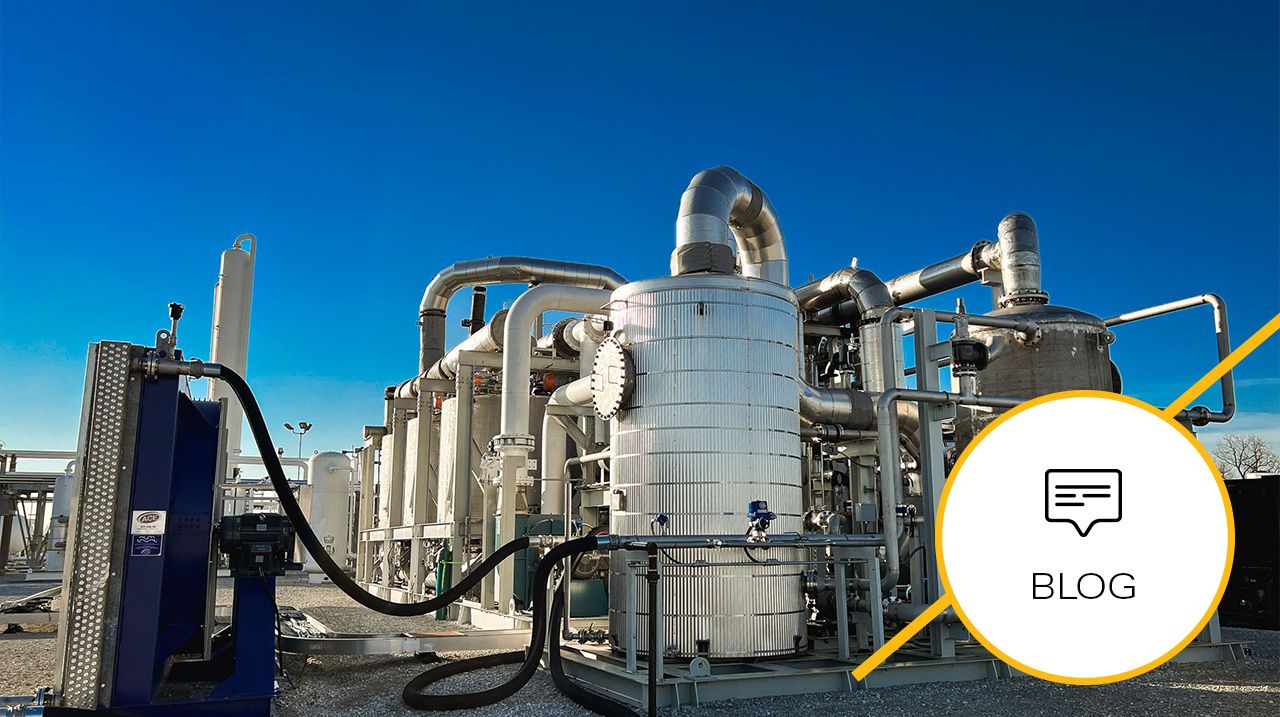
Is Carbon Capture Right For Your Site?
Not every site is an immediate match for carbon capture, and that’s exactly why early evaluation matters. Learn the key factors that determine fit, including emissions profile, equipment configuration, space and utilization requirements and the economics behind “cost per ton.” The goal: help you quickly identify whether carbon capture should move from idea to feasibility study.
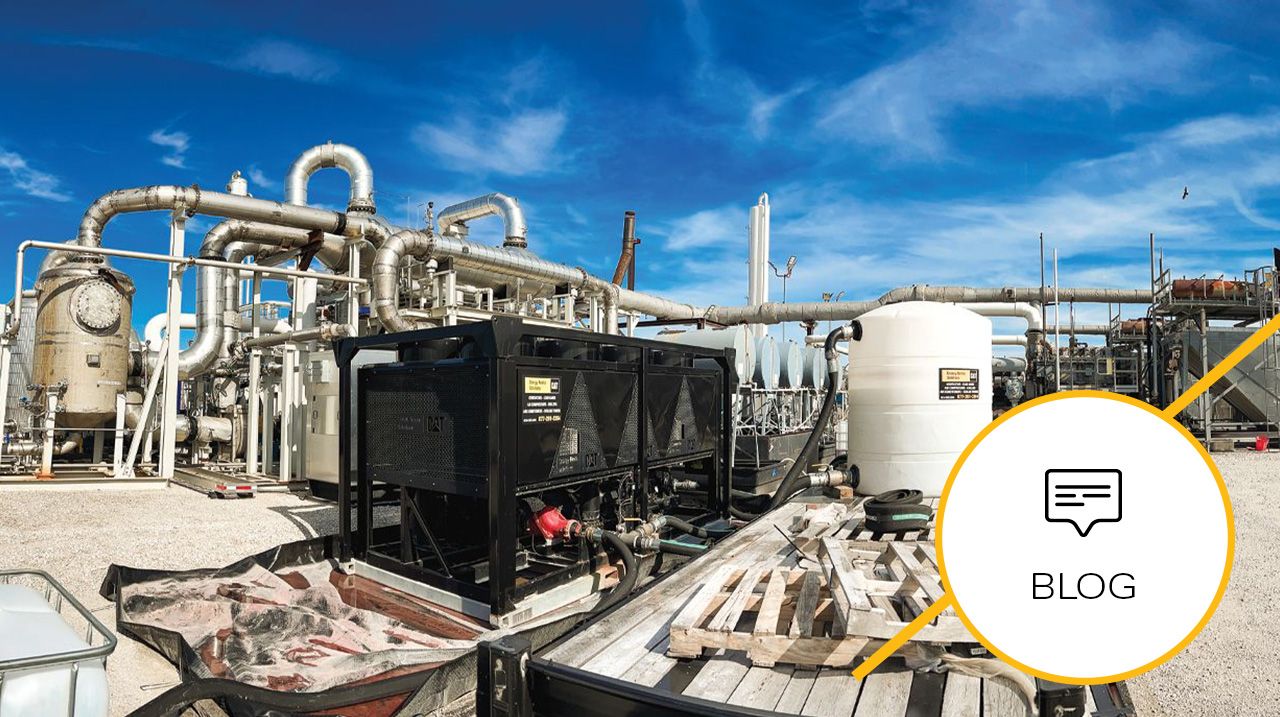
Planning Carbon Capture: What It Takes To Reach A Final Investment Decision
For many operators, the decision to deploy carbon capture comes down to a mix of sustainability commitments and financial realities. Explore the economic levers that shape project viability, such as incentives, carbon tax/credit environments. and operational impacts. Also review the typical steps you can take, from initial assessment through engineering studies and final investment decision.
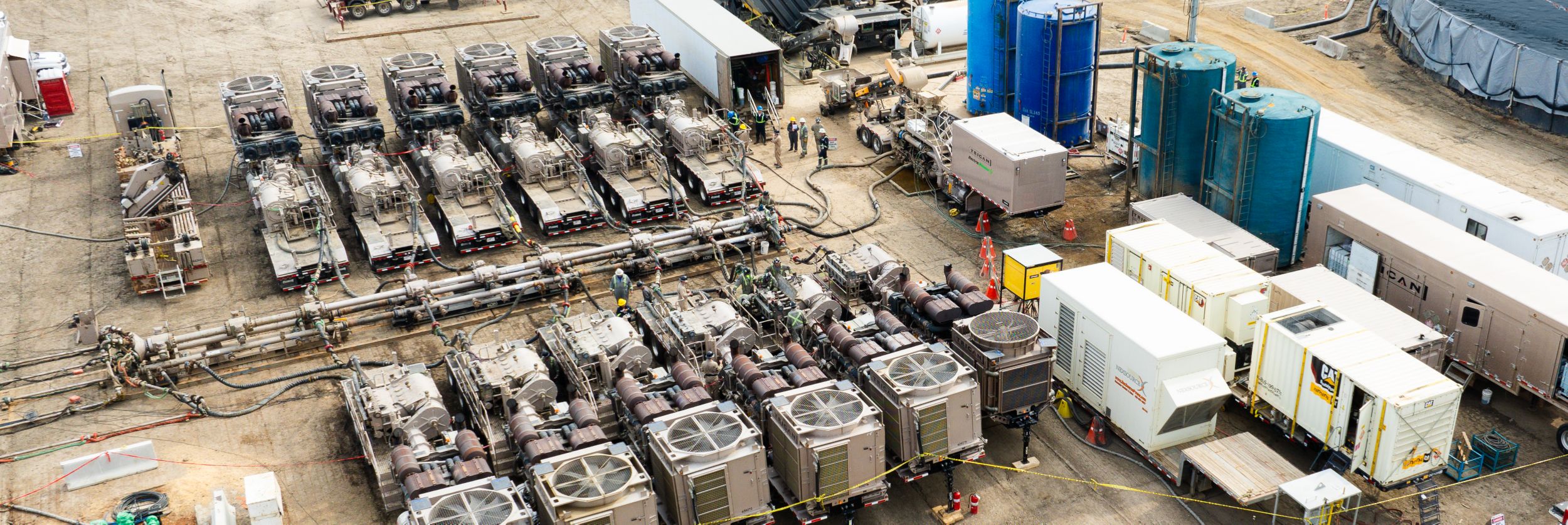
Sustainability Solutions Worth Exploring
The path to lower emissions for oil and gas operations is evolving, with multiple technologies and strategies shaping what comes next. Explore additional sustainability topics to better understand the opportunities, tradeoffs and considerations influencing the future of oil and gas operations.
Carbon Capture: Frequently Asked Questions
How can carbon capture be integrated with existing engines and assets?
By integrating with existing engine systems and exhaust streams, carbon capture can be added as a retrofit or upgrade without replacing core equipment.
How Does Carbon Capture Help Industries Meet GHG Emissions Regulations and Reduction Goals?
Carbon capture separates CO₂ from engine exhaust before it is released, significantly reducing emissions while allowing engines to operate normally.
What industries benefit most from carbon capture solutions?
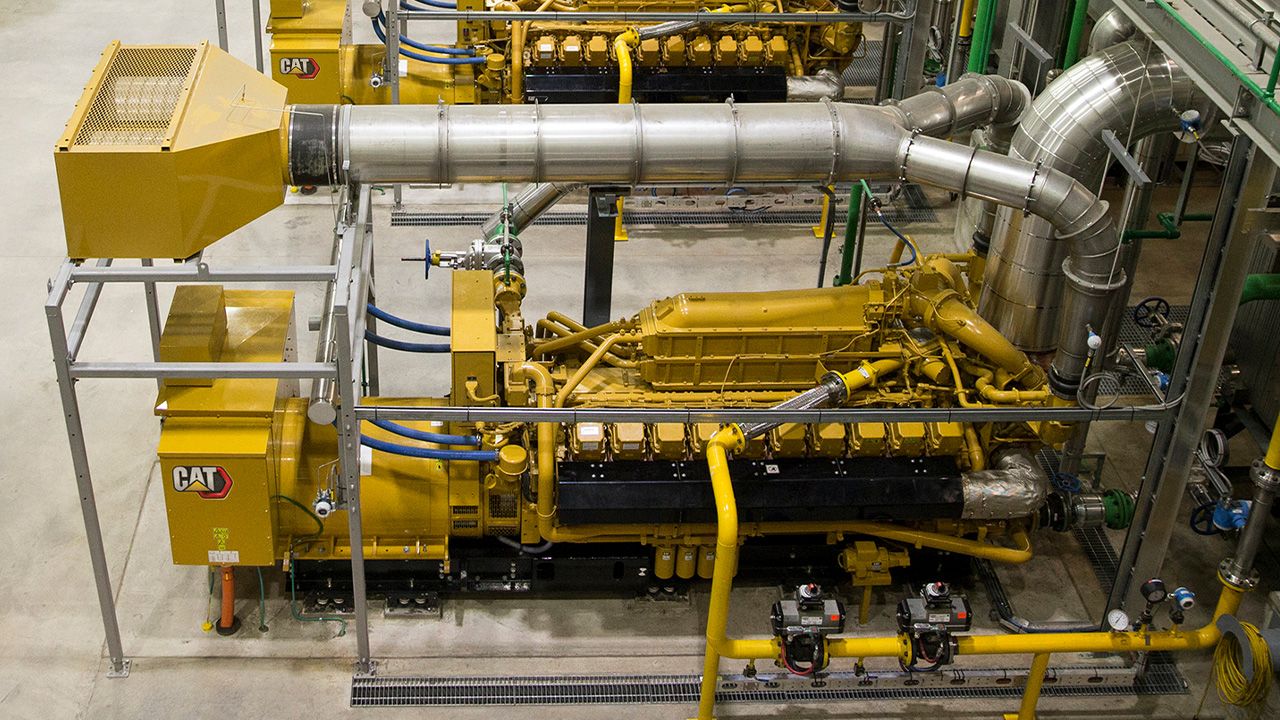
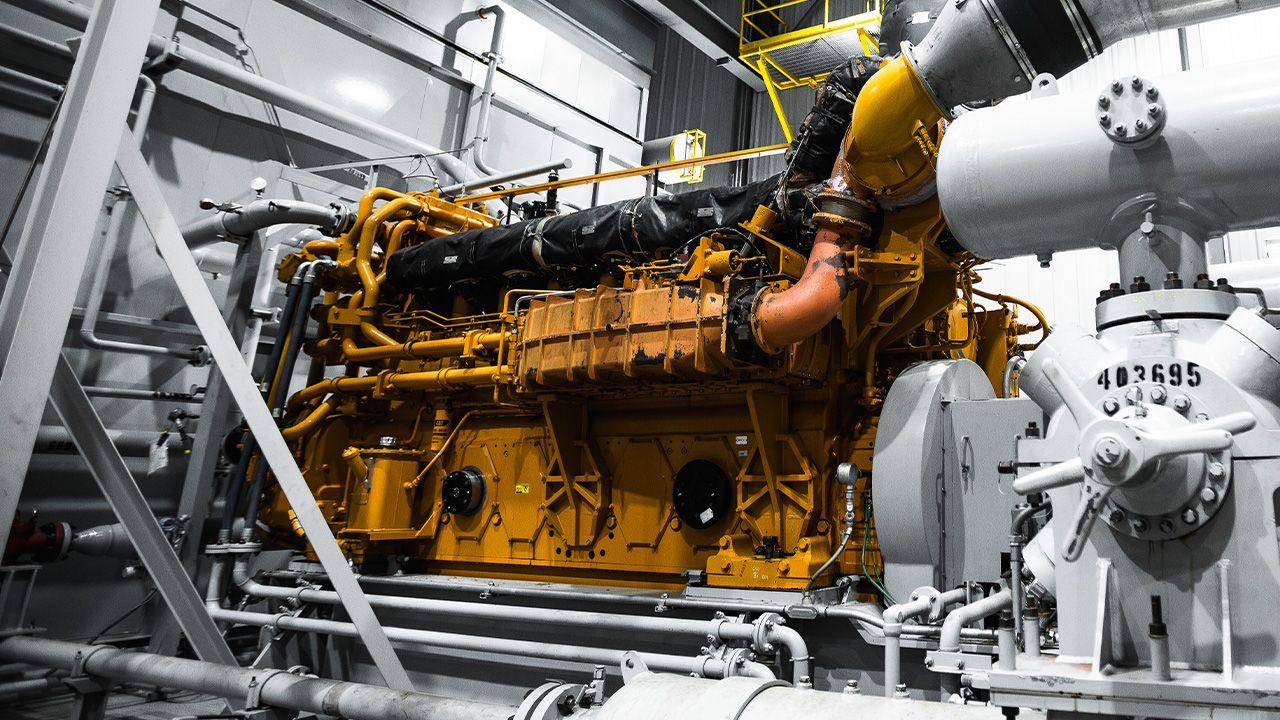
Gas compression and power generation industries both present strong opportunities for carbon capture, especially in facilities where multiple engines operate in close proximity. These clustered engine environments enable scalable, integrated solutions that help customers reduce emissions efficiently while maintaining reliable performance.
How Does Carbon Capture Compare To Other GHG Emissions Reduction Options Like Fuel Switching or Electrification?
Carbon capture is an ideal solution in hard-to-abate industries where power density and reliability are critical, and it allows the continued use of existing assets. Grid power or alternative fuels may not be available at remote sites.
What is CO₂ capture rate, and what capture rate is realistic?
Capture rate is the percentage of CO₂ removed from an exhaust stream; practical targets vary by site conditions, system design and operating profile, so projects typically start with a feasibility assessment to define achievable performance.
What happens to the CO₂ after it is captured?
Captured CO₂ is typically dehydrated and compressed for transport to sequestration or for approved utilization pathways, depending on local infrastructure, regulations and commercial agreements.
What are the main requirements for a carbon capture retrofit (space, utilities, downtime)?
Retrofits generally require physical footprint for the capture module and balance-of-plant equipment plus defined tie-ins to the exhaust stream and utilities; outage needs depend on site layout and integration scope and are confirmed during engineering.
How does carbon capture impact engine performance and reliability?
A well-engineered system is designed to integrate with the exhaust stream while maintaining required engine operating conditions; impacts are evaluated case-by-case during design to protect performance and uptime.
How do I estimate “cost per ton” of CO₂ captured for my site?
Cost per ton depends on exhaust characteristics, run hours, scale, utilities/energy integration, CO₂ handling requirements and local incentives. The most accurate estimate comes from a site-specific assessment.
What site data is needed to evaluate carbon capture feasibility?
Typical inputs include engine model/count, load profile and run hours, exhaust flow/temperature, current emissions data, available space, utility availability and the intended CO₂ handling/disposition plan.
Does carbon capture reduce Scope 1 emissions?
Capturing CO₂ from on-site combustion exhaust can directly reduce reported Scope 1 emissions, subject to the specific accounting methodology and verification requirements used by the operator
What’s the difference between carbon capture, carbon offsets and carbon removal?
Carbon capture prevents CO₂ from being emitted at the source, offsets compensate for CO₂ emissions elsewhere and removals take CO₂ out of the atmosphere. Each plays a different role in a GHG emissions reduction strategy.
Where does carbon capture fit alongside efficiency upgrades, fuel switching and electrification?
Carbon capture can complement other strategies by addressing remaining CO₂ emissions where electrification or fuel switching are constrained by reliability, infrastructure, duty cycle or site remoteness.

Your Business
 North America – English
Caterpillar Brands
- Caterpillar.com
- Contact Us
- My Marketing Preferences
- Site Map
- Cookie Settings
- Legal
- Privacy
- Do Not Sell or Share My Personal Information
- Accessibility Statement
- US-English
- © 2026 Caterpillar. All Rights Reserved.