

Methane Reduction: Practical Pathways to Lower Methane Emissions
Products for Oil & Gas
-
Products for Oil & Gas
Learn More -
Gas Compression Engines
Learn More -
Land Drilling Engines and Generator Sets
Learn More -
Land Production Generator Sets
Learn More -
Mobile Gas Solutions
Learn More -
Offshore Drilling and Production Generator Sets
Learn More -
Well Service Transmissions
Learn More -
Well Service Engines
Learn More
Parts & Services
Sustainability
About
Methane Reduction Strategies for a Reduced-GHG-Emissions Future
Methane is moving from a sustainability talking point to a measurable business variable, shaping access to capital, license to operate and the economics of producing and moving energy. As policy tightens and transparency expectations rise, leaders need a clear view of where methane shows up in their footprint, what it costs to address and which actions deliver meaningful, verifiable impact.
Explore our practical, decision-ready perspectives across the options leaders are weighing today: combustion strategy tradeoffs (including lean-burn and rich-burn considerations), multi-path approaches to reduce methane and broader greenhouse-gas emissions and emerging solutions, such as crankcase ventilation (CCV), electrification and hydrogen. Use it to inform strategy, modernization roadmaps and partner conversations without relying on one-size-fits-all assumptions.
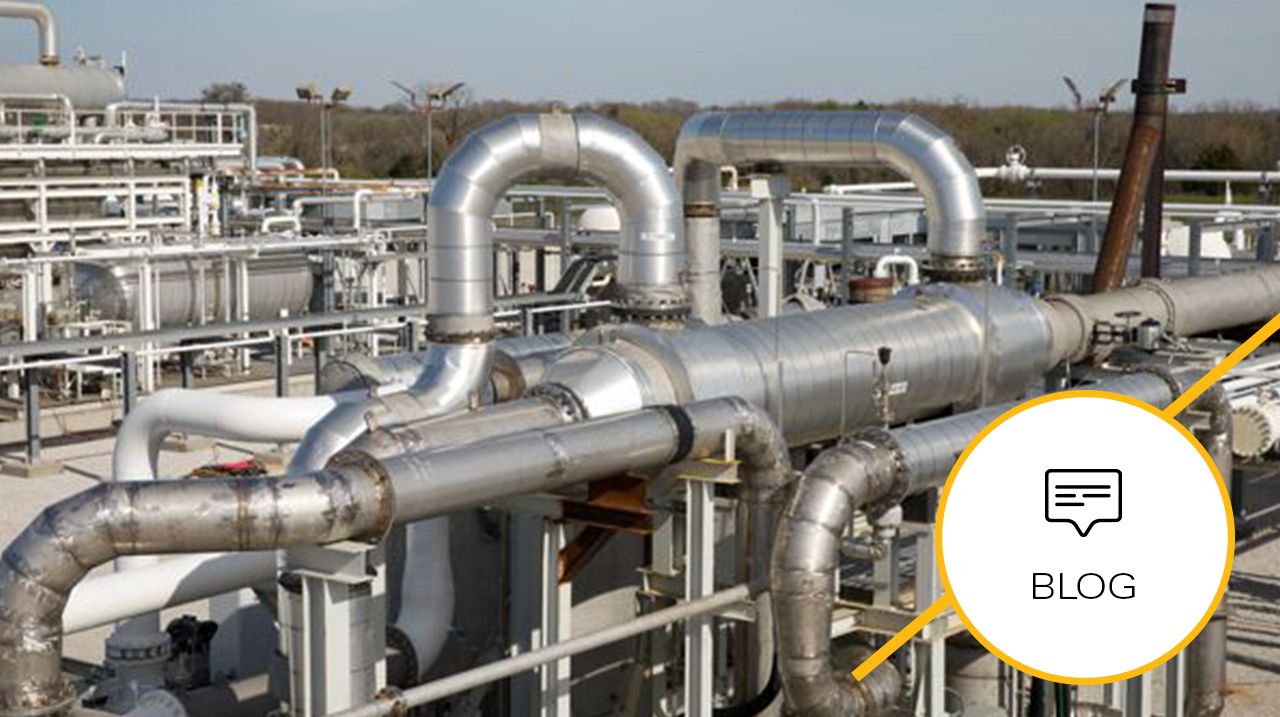
Lean Burn vs. Rich Burn Engines
For leaders balancing sustainability commitments with operational performance, the lean-burn vs. rich-burn decision is rarely a simple emissions headline. It is a strategic tradeoff across fuel quality and tolerance, methane performance, maintenance and reliability and total lifecycle economics. Explore a few educational pieces that help teams ask the right questions, align technical and commercial priorities and choose an approach that fits site realities and long-term compliance expectations.
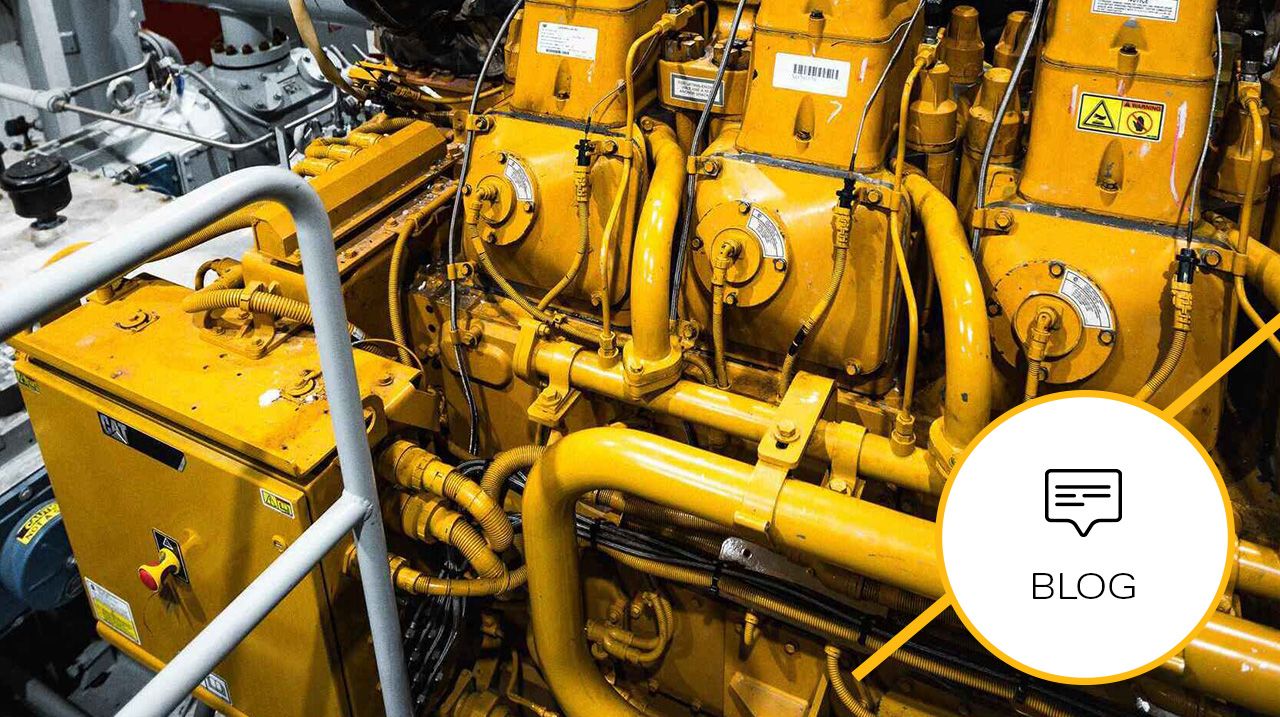

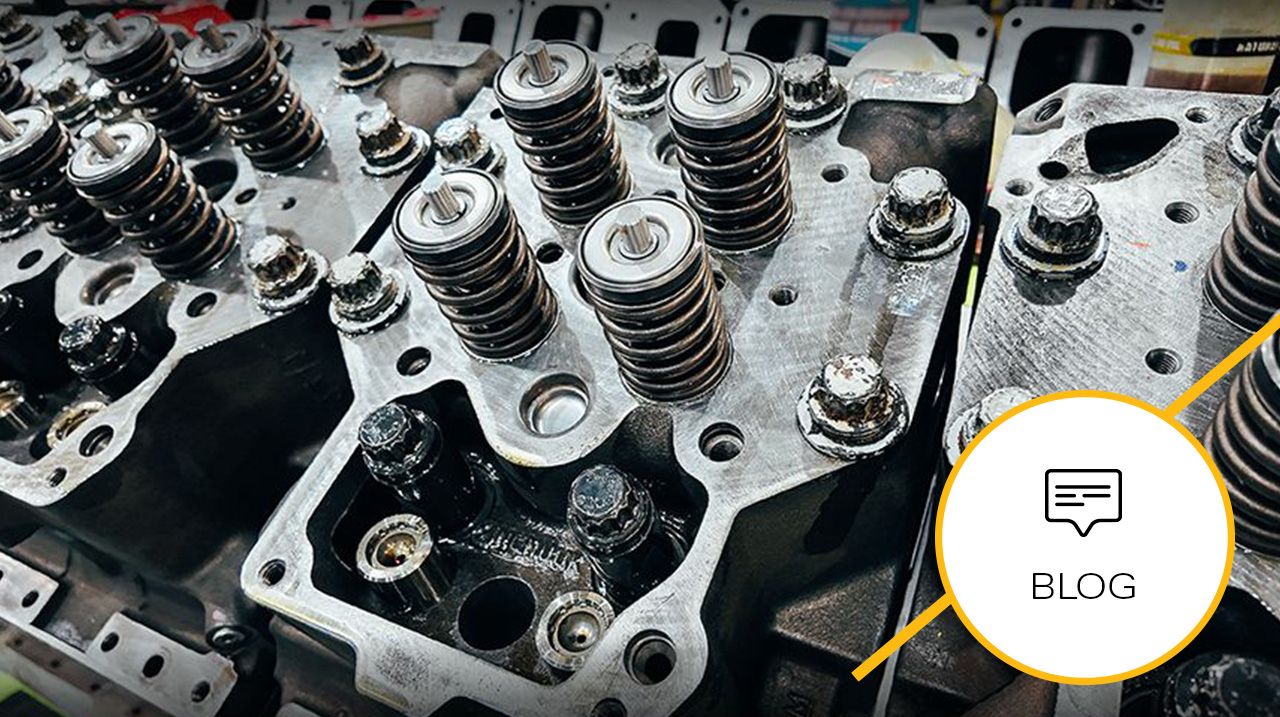
Methane Reduction Pathways & Solutions
Cutting methane at scale requires more than a single technology choice; it requires a portfolio strategy that prioritizes the biggest sources, sequences actions for near-term impact and stands up to scrutiny from regulators, investors and customers. This section explores practical pathways leaders can use to build a methane reduction roadmap: improving combustion and controls where appropriate, addressing ventilation and fugitive sources, modernizing legacy assets and integrating complementary solutions that enable measurement, verification and sustained performance over time.
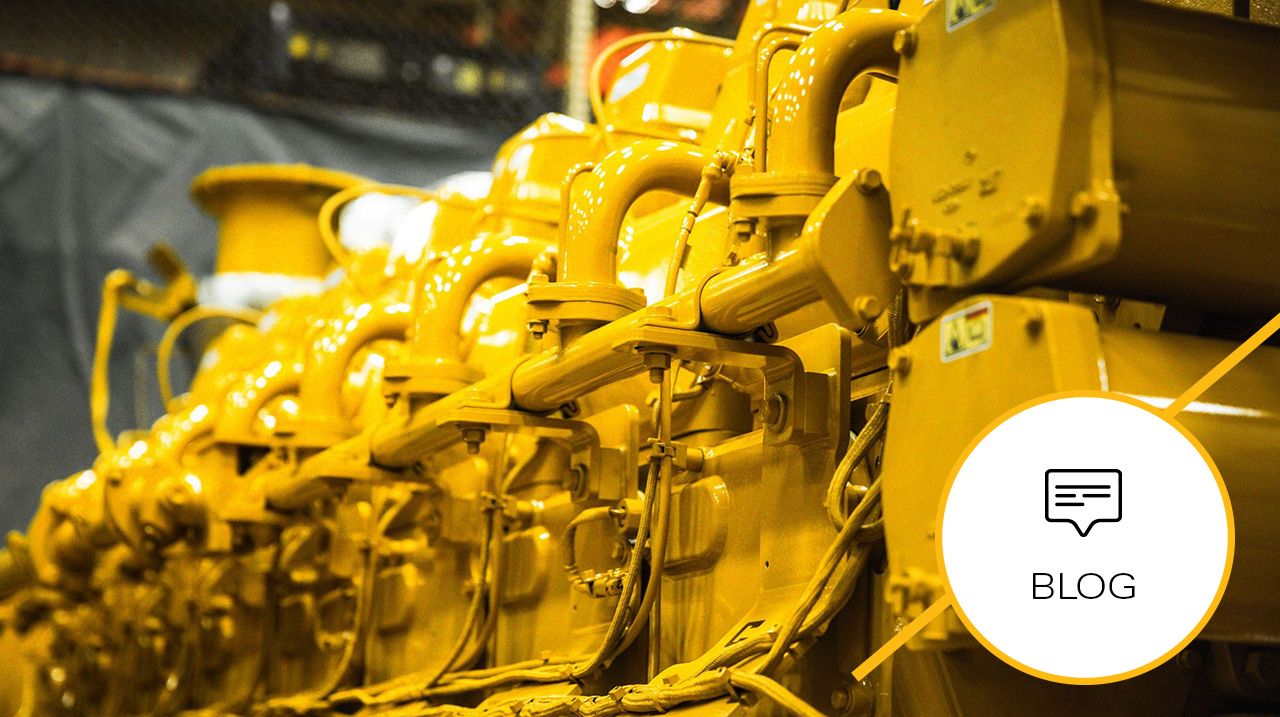
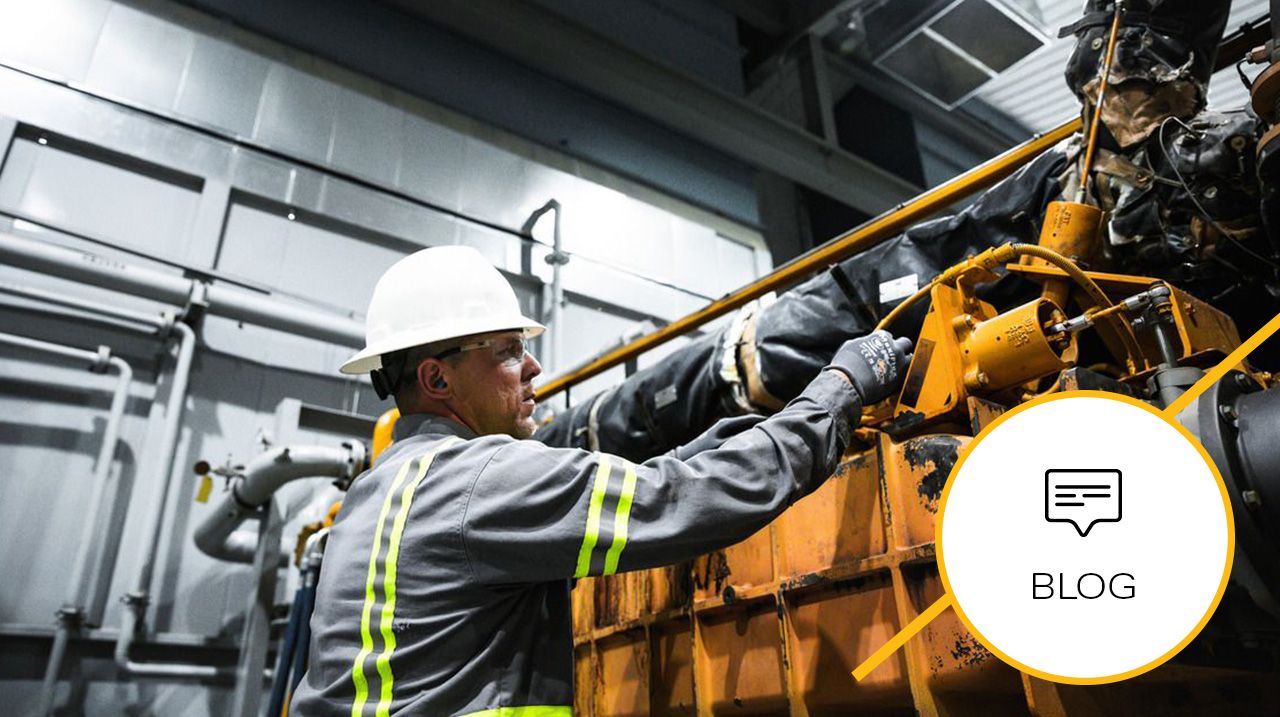
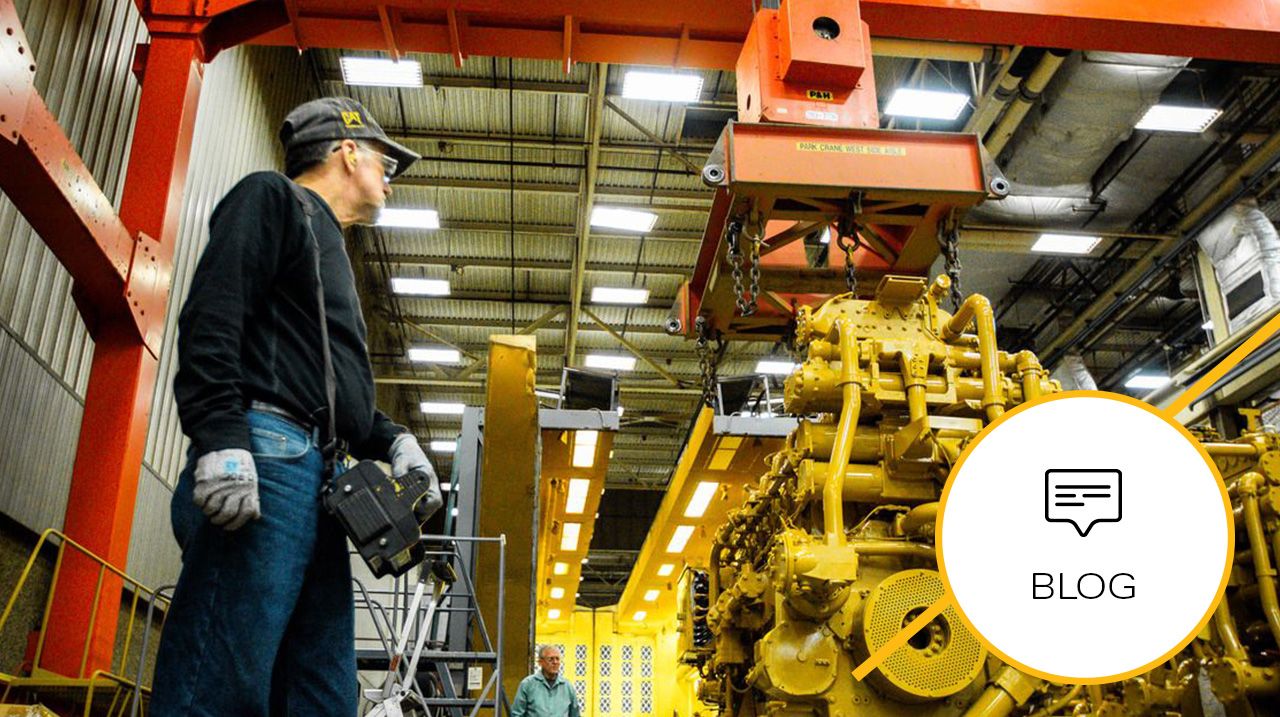

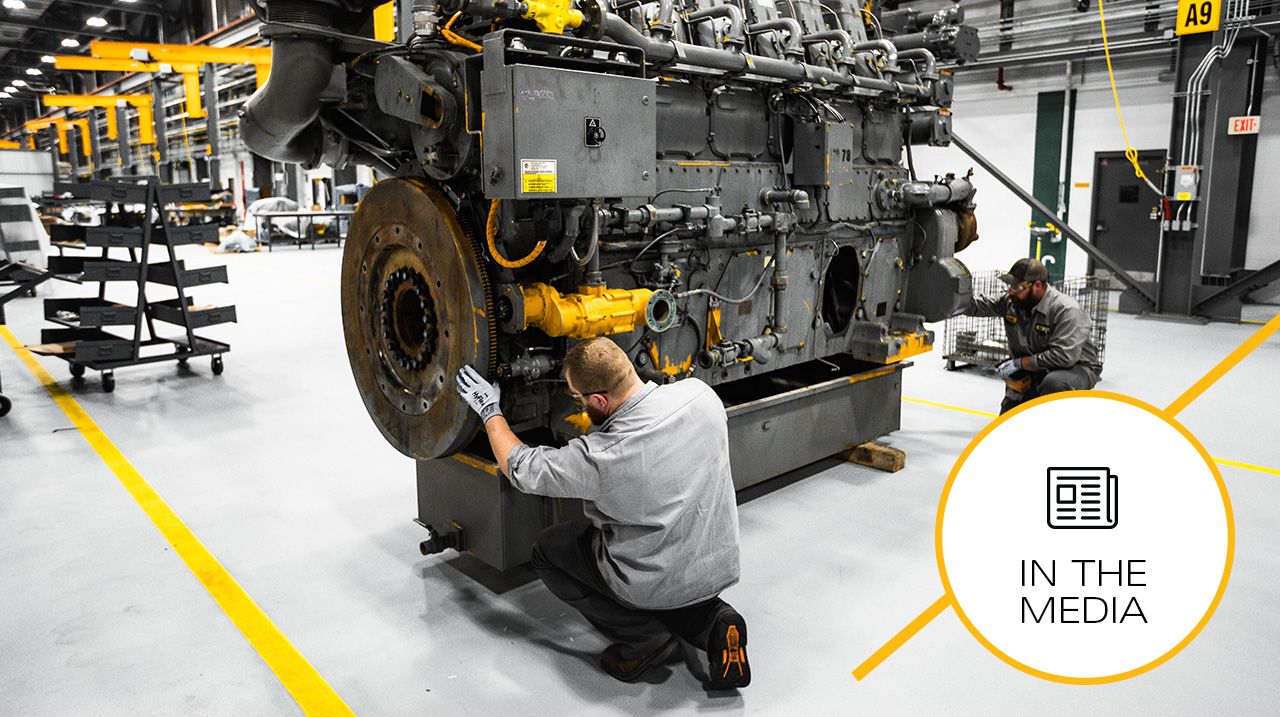
Regulatory Pressure and Business Drivers for Methane Reduction
For leaders, methane is increasingly a governance and competitiveness issue: rules are evolving, incentives and penalties are shifting and buyers and financiers are asking for clearer, auditable emissions performance. The result is a narrower window to prepare: building measurement and verification discipline, prioritizing the highest-impact reductions and modernizing assets and operating practices in a way that protects reliability and cost. Explore how the policy and market landscape translates into practical implications for strategy, capital planning and operational roadmaps.


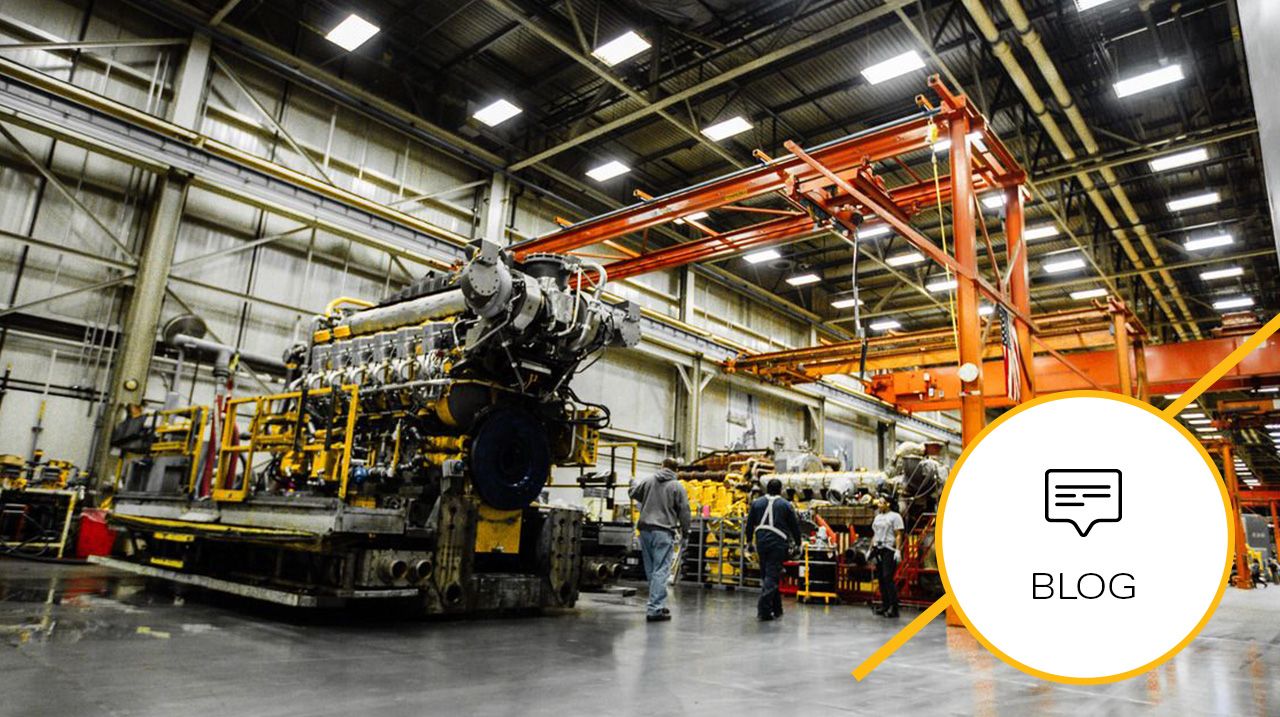
Broader Technology Decisions for Lower-GHG-Emissions Operations
Not every high-impact emissions decision is explicitly “methane technology.” Choices around power source, automation and digital workflows and how assets are modernized can materially influence methane and GHG outcomes by improving efficiency, enabling faster detection and response and reducing operating variability. This section highlights the adjacent technology decisions executives are weighing today and how to connect them to an emissions strategy with clear economics, operational resilience and credible reporting.
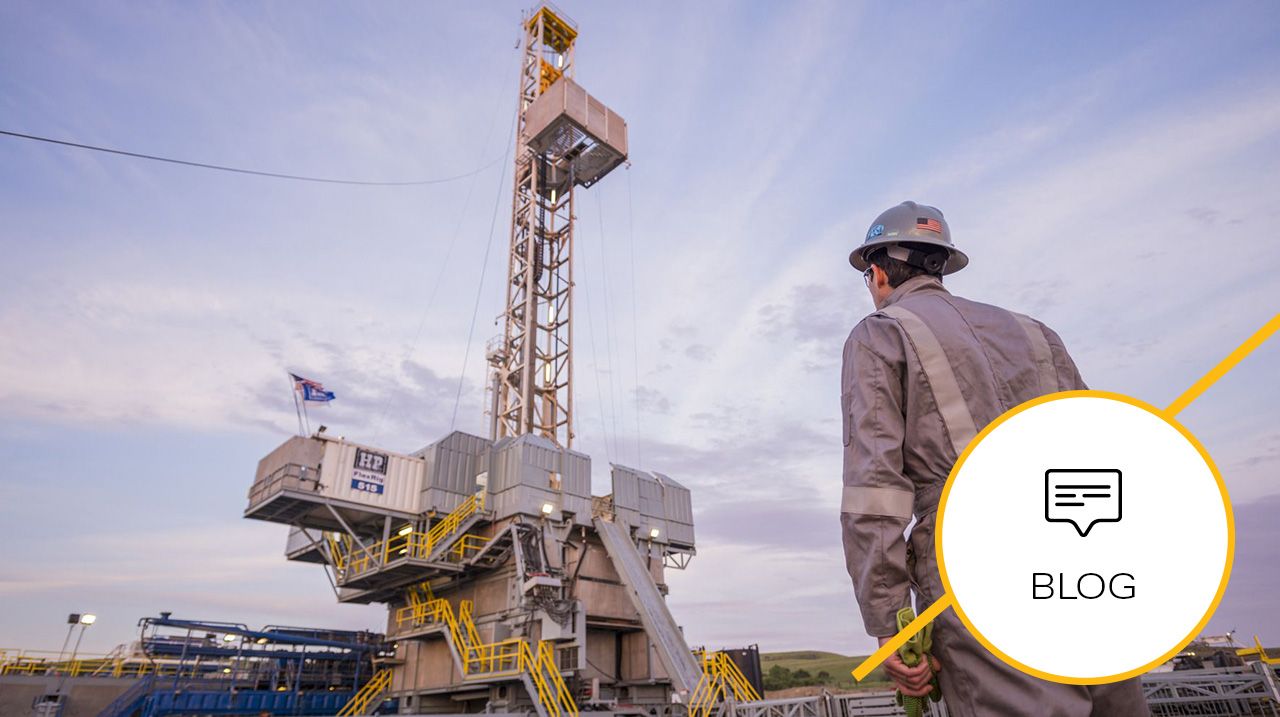
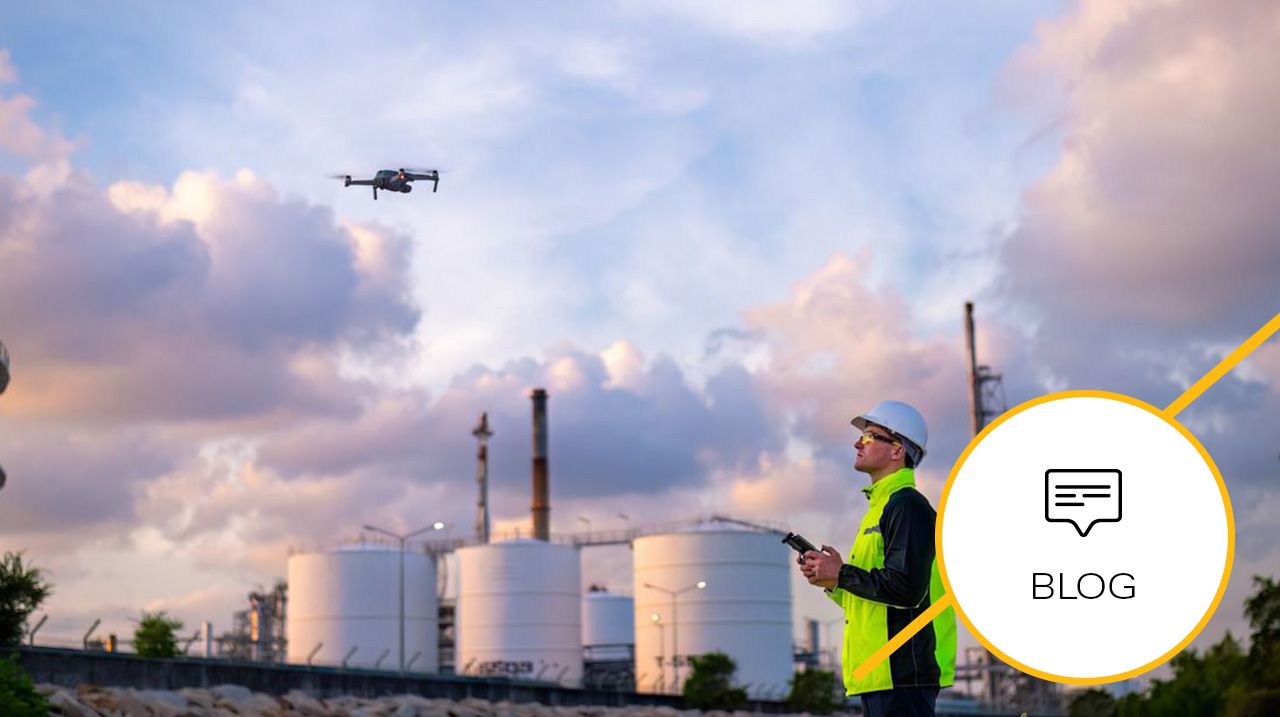
Cat® Products and Solutions to Support Methane Reduction
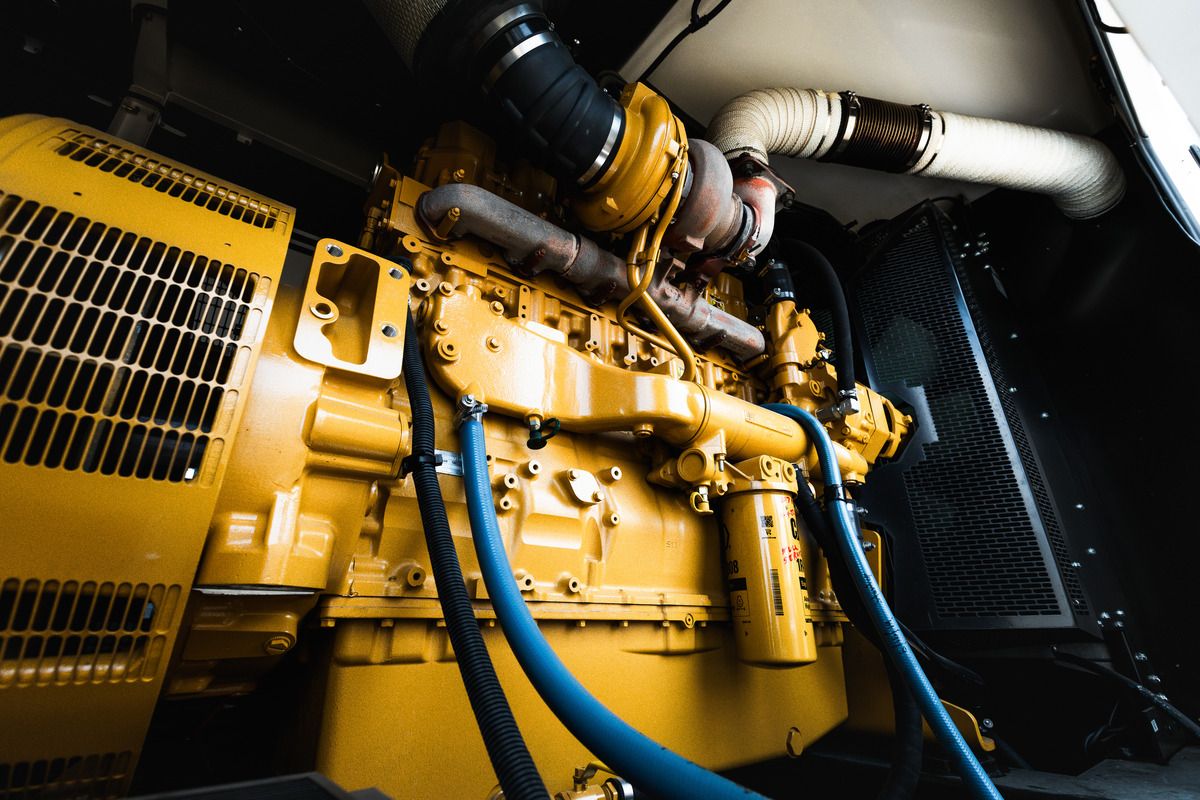
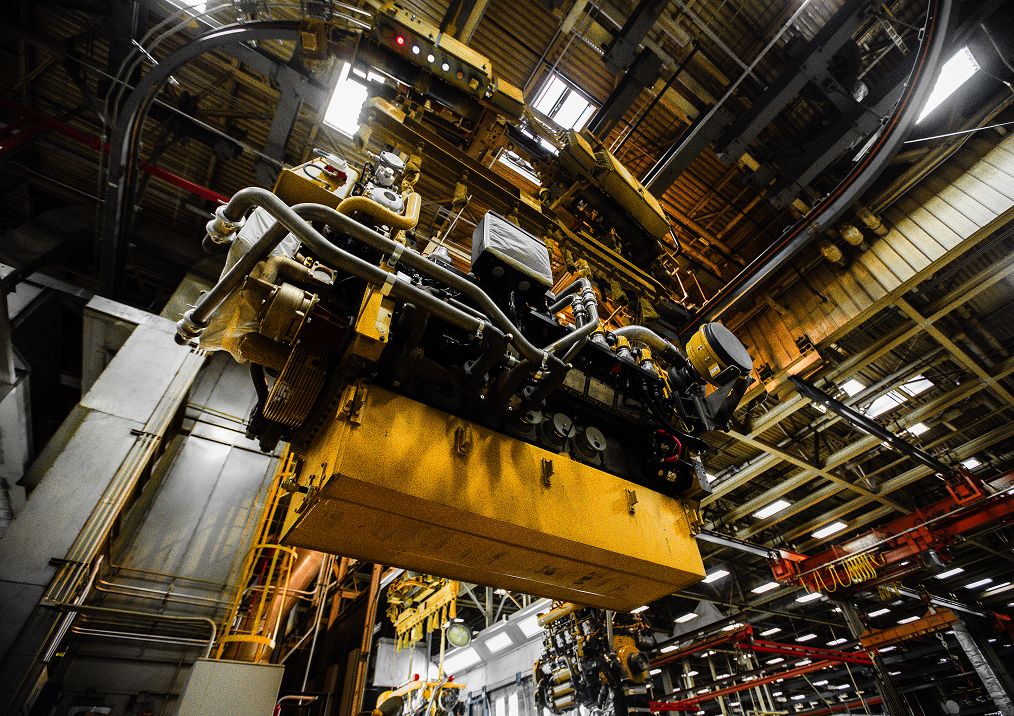
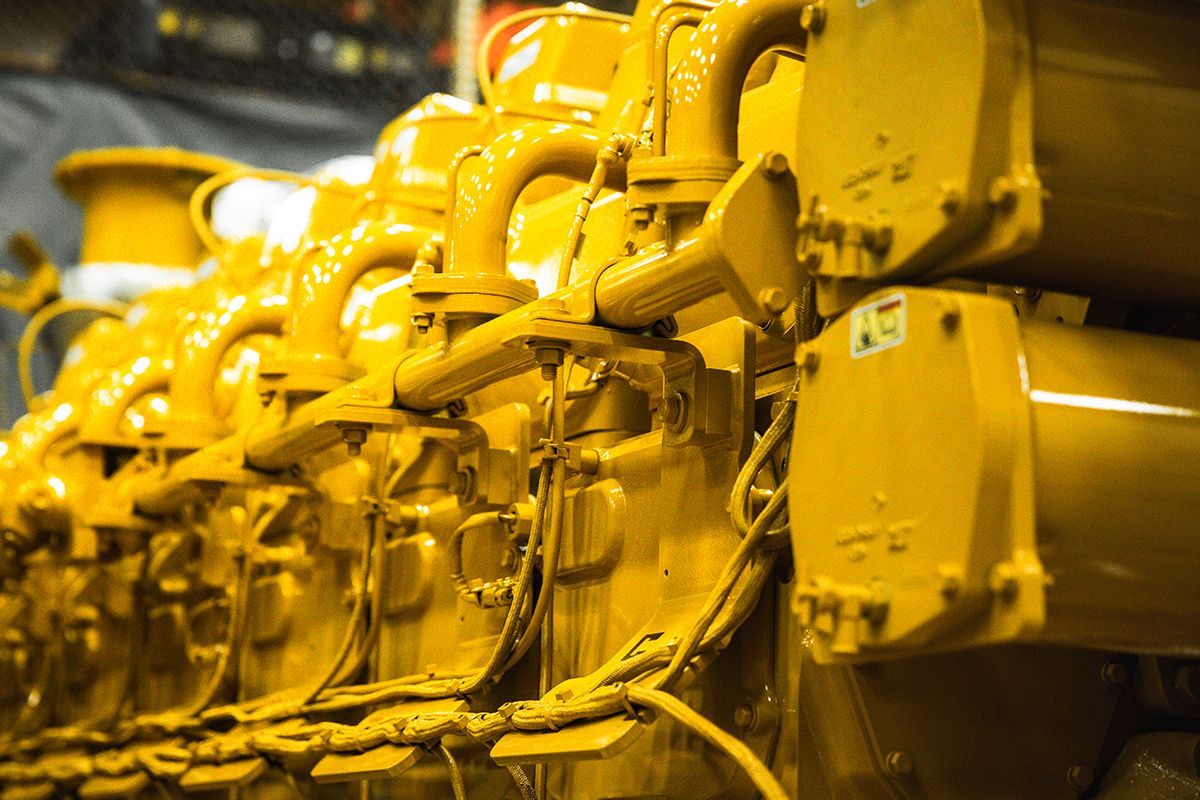
When methane reduction becomes a near-term requirement, the fastest path to progress is often modernization, not wholesale replacement. Upgrade and retrofit options can help extend the value of existing assets while improving emissions performance, reliability and lifecycle cost. Explore the solutions below to support a stepwise reduction strategy aligned to your operating realities and reporting expectations.
Sustainability Solutions Worth Exploring
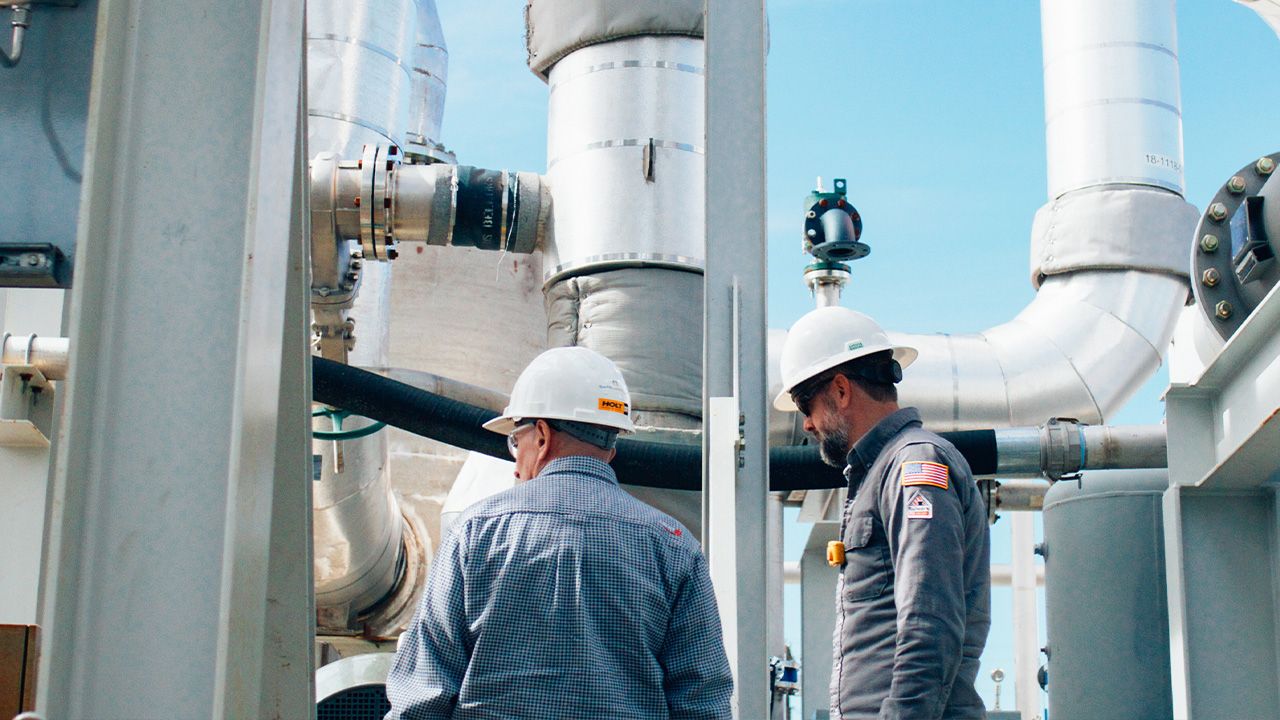
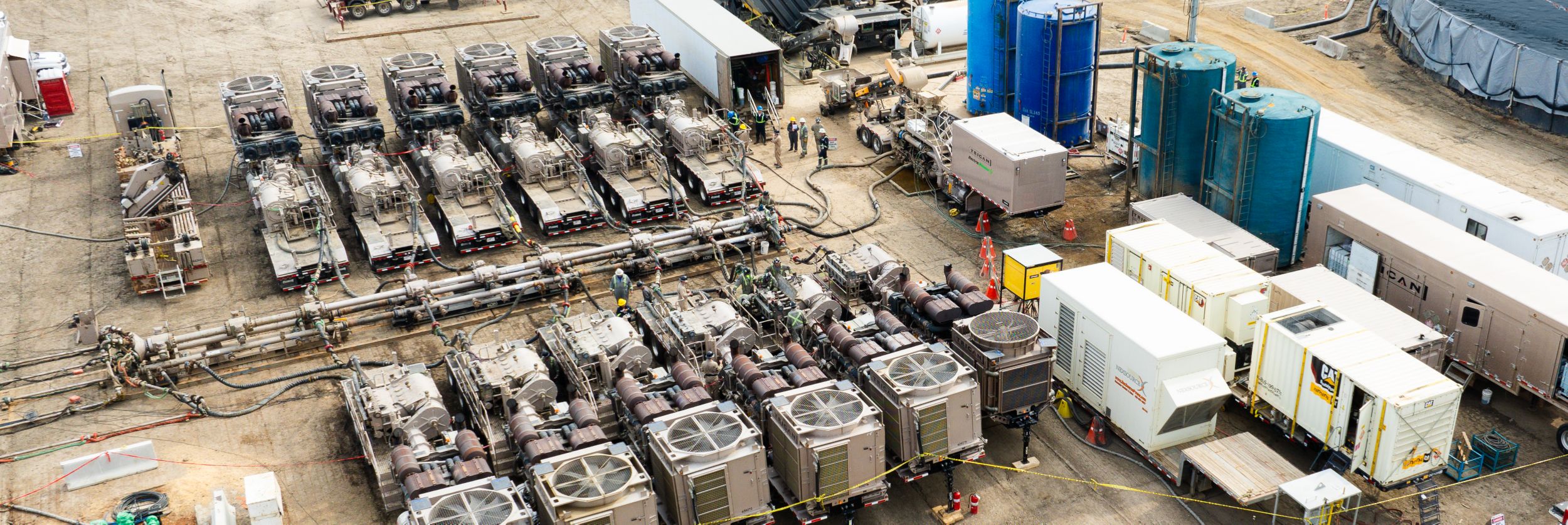
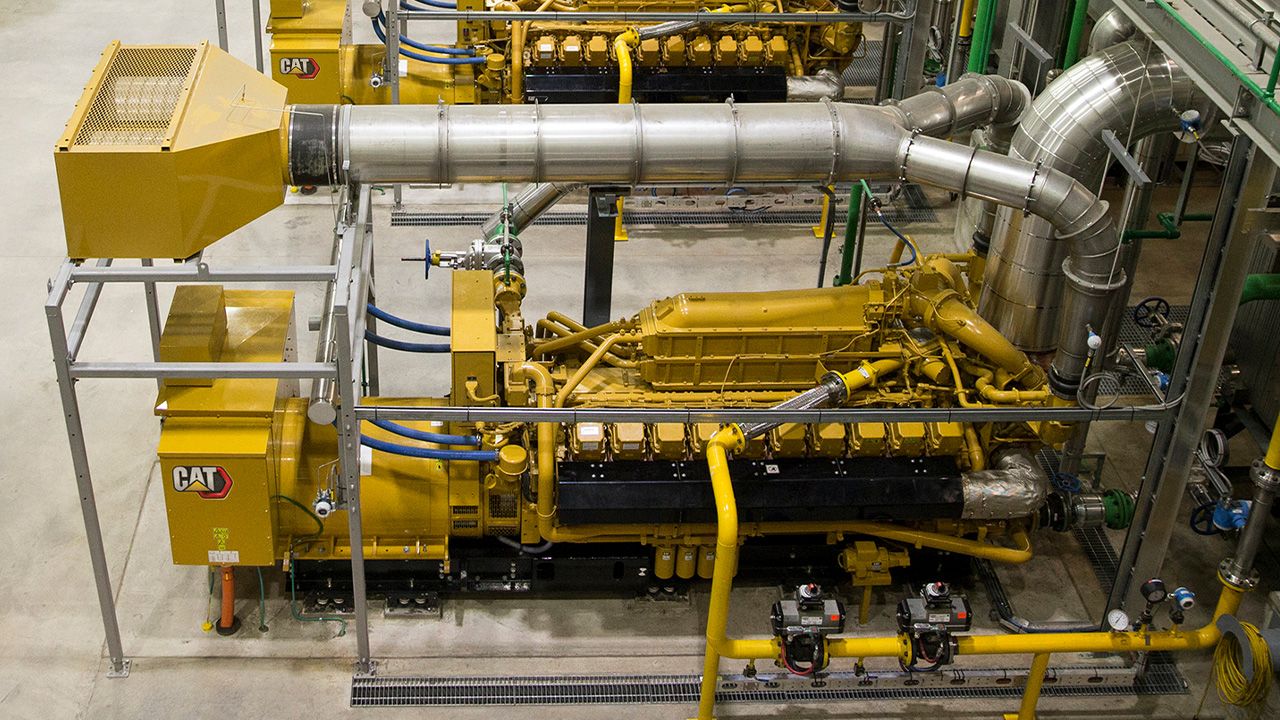
The path to lower emissions for oil and gas operations is evolving, with multiple technologies and strategies shaping what comes next. Explore additional sustainability topics to better understand the opportunities, tradeoffs and considerations influencing the future of oil and gas operations.
Methane Reduction Frequently Asked Questions
What is methane intensity and why does it matter for operators?
Methane intensity is the amount of methane emitted per unit of production or throughput. It matters because it’s increasingly used to benchmark performance, demonstrate credible progress and manage regulatory, investor and customer expectations.
Why is methane reduction urgent right now?
Rules are tightening, reporting expectations are rising and incentives/penalties are evolving. Methane is also one of the fastest ways to demonstrate near-term emissions progress, making it a priority for compliance readiness and corporate credibility.
Where do methane emissions typically come from across operations?
Most methane emissions come from a combination of equipment leaks (“fugitive” sources), venting and combustion-related slip. The largest sources vary by asset type, operating practices, equipment condition and maintenance discipline.
What’s the difference between methane emissions and broader greenhouse gas (GHG) emissions?
Methane is a specific greenhouse gas; “GHG emissions” is the broader category that includes methane and carbon dioxide (CO₂), among others. Methane reduction often focuses on leaks and venting, while broader GHG strategies also include fuel use, efficiency and power/energy choices.
What are the most practical near-term ways to reduce methane without replacing everything?
Many organizations start with modernization and targeted retrofits: improving controls and combustion performance where appropriate, addressing ventilation and fugitive sources and upgrading legacy equipment during planned maintenance cycles.
How should leaders prioritize methane reduction projects?
Prioritize by (1) largest reduction potential, (2) feasibility and speed to implement, (3) cost and operational risk and (4) ability to measure and verify results. A portfolio approach typically outperforms a single “silver bullet” investment.
How do you balance methane reduction with reliability, uptime and total cost of ownership (TCO)?
Treat methane reduction as an operational performance initiative, not only a reporting exercise. The best plans align GHG emissions reduction actions with maintenance strategy, fuel availability/quality and reliability targets so reductions don’t introduce avoidable downtime or cost volatility.
What does “verification-ready” methane reduction mean?
It means reductions are backed by a clear baseline, documented changes and consistent measurement/reporting practices so results can stand up to audits, stakeholder scrutiny and evolving regulatory requirements.
Your Business
 North America – English
Caterpillar Brands
- Caterpillar.com
- Contact Us
- My Marketing Preferences
- Site Map
- Cookie Settings
- Legal
- Privacy
- Do Not Sell or Share My Personal Information
- Accessibility Statement
- US-English
- © 2026 Caterpillar. All Rights Reserved.