

Fuel Flexibility in Oil & Gas Operations
Products for Oil & Gas
-
Products for Oil & Gas
Learn More -
Gas Compression Engines
Learn More -
Land Drilling Engines and Generator Sets
Learn More -
Land Production Generator Sets
Learn More -
Mobile Gas Solutions
Learn More -
Offshore Drilling and Production Generator Sets
Learn More -
Well Service Transmissions
Learn More -
Well Service Engines
Learn More
Parts & Services
Sustainability
About
Choosing The Right Fuel Strategy For Performance And Sustainability
As you look to reduce fuel costs and greenhouse gas (GHG) emissions, you also want to maintain the performance and reliability your oil and gas operations demand. Caterpillar brings decades of experience to help you navigate one of the industry’s biggest transitions.
Fuel flexibility gives your operations more ways to align available fuels with operational goals. Explore how dual-fuel approaches such as Dynamic Gas Blending (DGB) and 100% natural gas solutions can help support your sustainability objectives, improve fuel efficiency and help you adapt as energy, emissions and infrastructure needs continue to evolve.
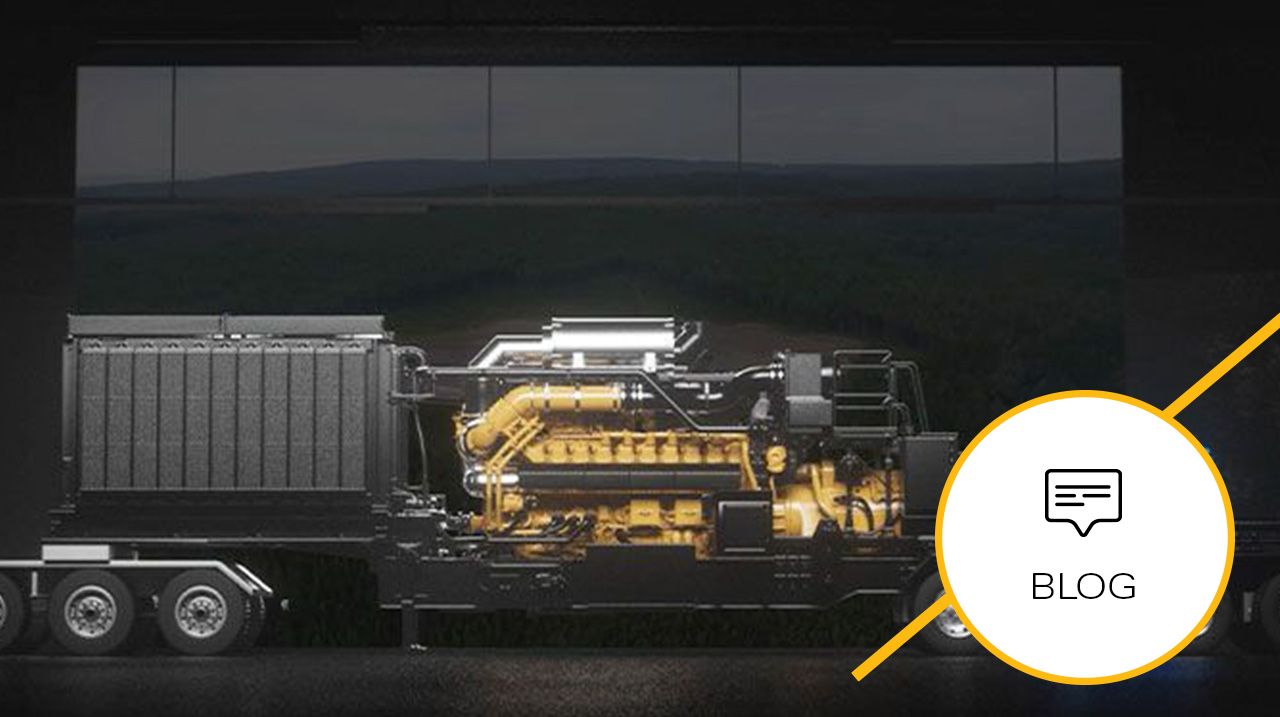
Making 100% Gas Power Operations Possible
For operators looking to reduce diesel consumption and support lowering ghg emissions objectives, 100% natural gas can be a proven and effective fuel strategy. With the right infrastructure, fuel supply and equipment, operations can align fuel choices with performance requirements, business goals and site needs. Understanding key considerations such as fuel quality, availability and load demands helps ensure the approach is optimized for the application.
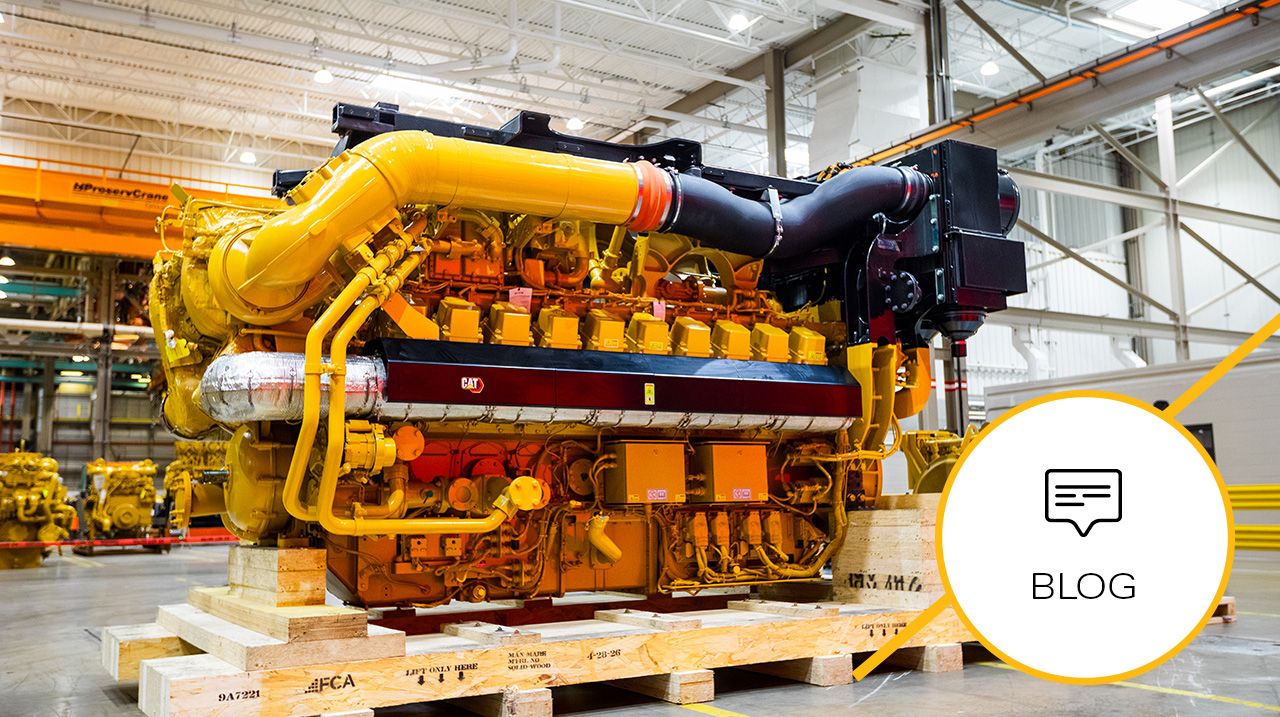

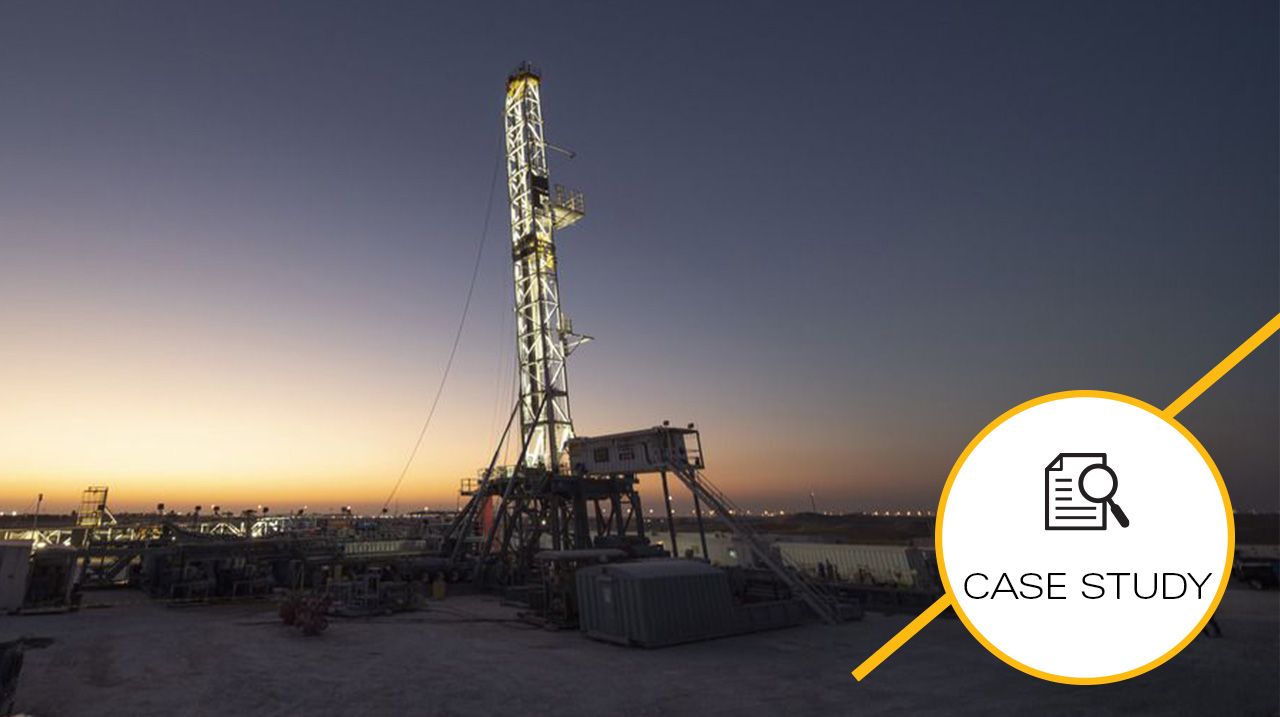
Understanding Dual-Fuel Strategies in Completions and Drilling
Dual-fuel operation is one approach operators use to balance fuel availability, performance requirements and emissions priorities. By allowing equipment to use both diesel and natural gas, dual-fuel strategies can help your site reduce diesel dependence while maintaining flexibility when operating conditions change. Understanding how these systems work — and how they fit into a broader fuel strategy — can help you evaluate practical pathways toward lower-emission operations.
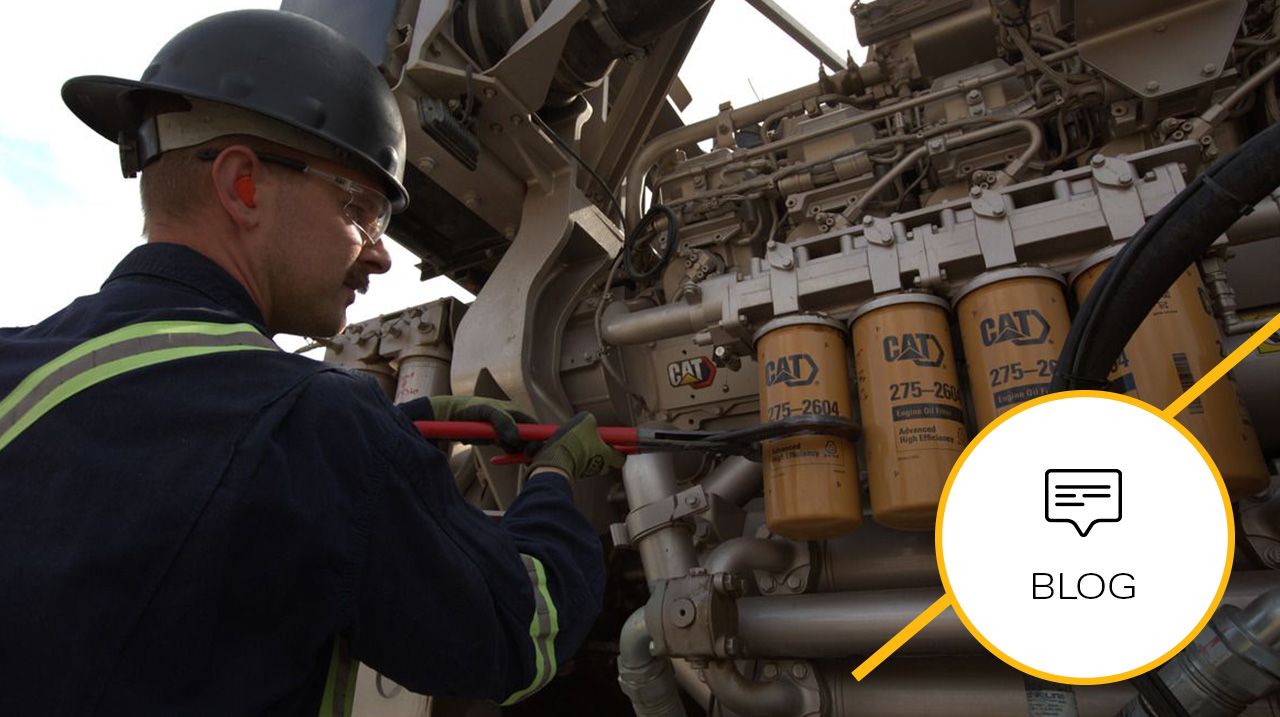
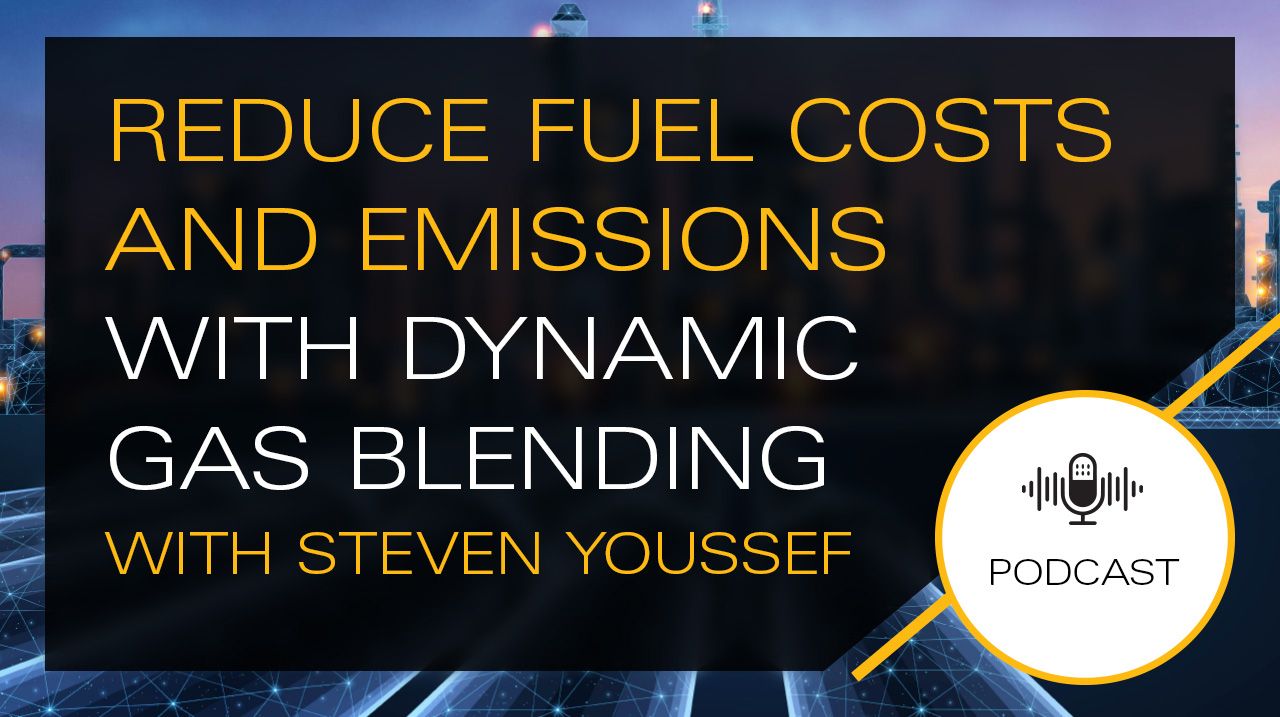
Sustainability Solutions Worth Exploring
The path to lower ghg emissions for oil & gas operations is evolving, with multiple technologies and strategies shaping what comes next. Explore additional sustainability topics to better understand the opportunities, tradeoffs and considerations influencing the future of oil & gas operations.
Fuel Flexibility: Frequently Asked Questions
What does fuel flexibility mean in oil & gas operations?
Fuel flexibility is the ability to operate with more than one fuel source — such as diesel only, dual fuel or 100% natural gas — depending on site needs, fuel availability and operational goals.
How can fuel flexibility support sustainability goals?
Using more natural gas and less diesel can help lower greenhouse gas emissions, reduce fuel usage and support a more practical transition toward lower ghg emissions operations.
What is the difference between dual-fuel and 100% natural gas solutions?
Dual-fuel solutions can run on a blend of diesel and natural gas and may also revert to diesel-only operation when needed. 100% natural gas solutions are designed to operate entirely on natural gas, which can further reduce diesel dependence when site conditions support it.
Why does fuel choice matter for operational resilience?
Fuel choice affects cost, availability, ghg emission performance and how easily a site can adapt to changing conditions. A flexible fuel strategy can help operators respond to supply changes, infrastructure limitations and evolving sustainability priorities while maintaining uptime.
How does Dynamic Gas Blending help reduce diesel consumption?
DGB dynamically blends natural gas with diesel so operators can displace a meaningful share of diesel use while maintaining the performance characteristics needed for demanding applications.
What is methane slip, and why is it important?
Methane slip refers to unburned methane that exits through the exhaust. It matters because reducing methane slip can improve combustion efficiency and help lower overall greenhouse gas emissions impact.
What is the difference between diesel displacement and gas substitution?
Gas substitution describes how much of the engine’s energy comes from gas, while diesel displacement reflects how much diesel fuel is replaced by gas. Both matter, but diesel displacement is often the clearest way to understand fuel savings.
When does a 100% natural gas solution make the most sense?
A 100% natural gas approach may be a strong fit when gas supply is reliable, operations want to minimize diesel dependence and the site is designed to take full advantage of natural gas-based power.
Why can dual-fuel solutions be valuable even when 100% natural gas is a goal?
Dual-fuel solutions can help operations use more gas today while preserving the option to run on diesel when fuel supply, site readiness or load conditions require it. That can make them an effective bridge in a broader sustainability strategy.
How should operators think about fuel flexibility as part of long-term planning?
Fuel flexibility should be evaluated in the context of fuel access, infrastructure, emissions goals, total cost of ownership and the need to keep existing assets productive over time.
Can fuel flexibility help extend the value of existing assets?
Yes. Fuel-flexible approaches can allow operators to continue using existing equipment while improving fuel efficiency and ghg emissions performance, helping delay or reduce the need for major capital replacement.
Is fuel flexibility only about cost savings?
No. While cost is an important driver, fuel flexibility also supports ghg emission reduction, energy resilience, operational continuity and a more practical path toward long-term sustainability goals.
How can fuel flexibility fit alongside broader efforts to reduce GHG emissions?
Fuel flexibility can complement efforts to reduce GHG emissions by helping operations reduce diesel dependence today while creating a practical pathway toward lower ghg emissions technologies over time.


Your Business
 North America – English
Caterpillar Brands
- Caterpillar.com
- Contact Us
- My Marketing Preferences
- Site Map
- Cookie Settings
- Legal
- Privacy
- Do Not Sell or Share My Personal Information
- Accessibility Statement
- US-English
- © 2026 Caterpillar. All Rights Reserved.