
The Future of Carbon Capture
September 2, 2026
Products for Oil & Gas
-
Products for Oil & Gas
Learn More -
Gas Compression Engines
Learn More -
Land Drilling Engines and Generator Sets
Learn More -
Land Production Generator Sets
Learn More -
Mobile Gas Solutions
Learn More -
Offshore Drilling and Production Generator Sets
Learn More -
Well Service Transmissions
Learn More -
Well Service Engines
Learn More
Parts & Services
Sustainability
About
Learn more about the future of Carbon Capture as Paul Dunn explains Caterpillar’s thermal swing adsorption approach, compares it with other capture technologies, and revisits a 2019 field demonstration.


The Future of Carbon Capture - Ep 136 - Transcript
Read the full episode transcript
[00:00:00] Josh Lowrey: Welcome to the Energy Pipeline Podcast. My name is Josh Lowery. We are coming to you live from the Upright Digital Podcast studio in Prang and Associates Studio, Memorial, Texas. I am joined today with Paul Dunn, who is the chief engineer of Cat Carbon Capture Solutions. Welcome today, Paul.
[00:00:21] Paul Dunn: Good morning.
[00:00:22] Josh Lowrey: That wasn't so h- bad. I, I always... I dr- I fire myself up on this intro. It's... I got cameras, everything. There's a lot of stuff to say. Caterpillar is, you know, you wanna get it right for Caterpillar. They're... They do things by the book. And by the way, Caterpillar told me, "Don't call them Cat." They didn't say it like that.
[00:00:39] Josh Lowrey: They're like, you know... I think I called them Big Cat. They didn't like that one time, 'cause there's lots of different versions of Cat, and I said Big Cat. But you're, you're the Cat Carbon Capture Solutions.
[00:00:49] Paul Dunn: Correct.
[00:00:49] Josh Lowrey: Say that a couple times.
[00:00:51] Paul Dunn: Yeah. We have an acronym for it, too.
[00:00:53] Josh Lowrey: Which is?
[00:00:54] Paul Dunn: CCCS, Cat Carbon Capture Solutions.
[00:00:59] Paul Dunn: [00:01:00] Naturally, we have an acronym
[00:01:01] Josh Lowrey: Yeah. There's a, there's a lot of acronyms in this world, aren't there?
[00:01:03] Paul Dunn: Yeah.
[00:01:05] Josh Lowrey: So Paul, uh, you and I have been talking off-air a little bit. It's very nice to meet you. You, uh, you live in Rhode Island.
[00:01:11] Paul Dunn: Yep.
[00:01:12] Josh Lowrey: And it is-
[00:01:12] Paul Dunn: Where it is not 100 degrees
[00:01:14] Josh Lowrey: Fahrenheit. I was just about to s- We don't typically like to timestamp these podcasts.
[00:01:18] Josh Lowrey: But it is, um, middle of August 2026 right now. It is 100 degrees. You look great. You're wearing a coat. How are you doing? How are you doing with this heat today, sir?
[00:01:29] Paul Dunn: I've gotten used to it. Um, it's one thing to be out in the field if it's really, really hot, but, you know, in a, in a business environment, walking from place to place, get in air-conditioned buildings, I don't find Houston to be a problem at all.
[00:01:42] Josh Lowrey: Are you from Rhode Island?
[00:01:44] Paul Dunn: Uh, I was born in Massachusetts. Okay. Uh, went to school at Tufts University, and ultimately URI at, um... But I got the, I got a job down in Rhode Island, so I moved to Rhode Island and I've stayed there ever since.
[00:01:56] Josh Lowrey: What is the weather in Rhode Island right now? Just make us jealous a little bit.[00:02:00]
[00:02:00] Paul Dunn: Uh, it's about... Well, today might be rainy, but in general in August, um, it's 80 degrees, gentle breeze. Um, beautiful view.
[00:02:12] Josh Lowrey: Oh, geez. Yeah. Off, off-air, Daniel's smirking in the background here, our producer, Daniel. Yeah, that sounds pretty good, sir.
[00:02:18] Paul Dunn: Yep.
[00:02:19] Josh Lowrey: That sounds pretty good. So you checked in with back home and they're like, "It might be rainy and a little 80-degree day."
[00:02:23] Josh Lowrey: Well, welcome to Houston, sir.
[00:02:26] Paul Dunn: Yep.
[00:02:26] Josh Lowrey: Thank you for coming in today. Um, also off-air, so we're, we're gonna acknowledge, you, uh, we deal with your, Caterpillar's comms team. They are true professionals.
[00:02:37] Paul Dunn: Yep.
[00:02:38] Josh Lowrey: Did they give you any warning about this podcast with me today?
[00:02:41] Paul Dunn: No. No warnings.
[00:02:43] Josh Lowrey: Oh, man. Okay. So they said that...
[00:02:46] Josh Lowrey: Well, that's good, 'cause I am a professional, but this is a different kind of podcast. I like to speak for the people, Paul, and ask the questions the people need to know in ways the people will understand. And I was doing my, my pre-show notes on this. [00:03:00] This is, I mean, Paul, you and I, you're smart. You're smart.
[00:03:05] Josh Lowrey: Let's just start with that. How did you get smart? Where did you, where did you learn this? How did you get to this point?
[00:03:13] Paul Dunn: Well, that's a long story, and we don't wanna necessarily take the whole 30 minutes with that part of the story. But, um- My experience in education was as, as a mechanical engineer. I, and I always wanted to work engines.
[00:03:28] Paul Dunn: I'm a bit of a motorhead.
[00:03:29] Josh Lowrey: Okay.
[00:03:29] Paul Dunn: Right? Um, but I lived in New England. I wanted to stay in New England, and I did not wanna move to Illinois. Nothing against Illinois, but didn't wanna go there. Um, so I ended up getting a job, um, supporting the naval submarine force in Newport, Rhode Island, where I was working on torpedo propulsion, unmanned undersea vehicle propulsion, all kinds of weird things.
[00:03:51] Paul Dunn: So I got a l- a breadth of experience working for the Navy for 25 years on [00:04:00] exotic undersea propulsion systems and other, uh, process tricks that we have in support of the submarine forces. And then I transitioned from the Navy. I became chief operating officer at a small company in Milford, Connecticut, building cryogenic oxygen plants for aircraft carriers.
[00:04:19] Paul Dunn: Okay. So now I'm getting more chemical process experience. And it was at that company, which was originally founded as a CO2 company 100-plus years ago, um, that I got my experience with mole sieves. And, uh, I started to recognize that people wanted a way to do carbon capture. But back in 2011 when I started the company originally, it was really about they needed a source of CO2 for enhanced oil recovery that was affordable.
[00:04:52] Josh Lowrey: And the company is Carbon Point Solutions.
[00:04:54] Paul Dunn: It became Carbon Point Solutions, yeah.
[00:04:56] Josh Lowrey: Okay. Which has been since purchased and you're part of Caterpillar now.
[00:04:59] Paul Dunn: [00:05:00] Correct.
[00:05:00] Josh Lowrey: Okay.
[00:05:01] Paul Dunn: Yeah, five years ago we were acquired by Caterpillar, and I now sit as the chief engineer in a small group in, in Houston, Texas, although I get to work from Rhode Island most of the time.
[00:05:11] Josh Lowrey: Okay. So your experience with the mechanical side of things, then the, your engineer, and then your experience with the gas side of things- Yep ... led-
[00:05:20] Paul Dunn: It was basically combining that chemical process gas engineering experience with some tricks from the Navy that, that got us to the, the semi-closed cycle. Um, and that's one of our technologies.
[00:05:34] Paul Dunn: And then recognizing that no, no cycle's perfect and you still have to do cleanup, we sort of made the decision to use molecular sieves for our gas cleanup. And, uh, so that turned into what became the, the CO2 TSA, thermal swing absorption, uh, system.
[00:05:54] Josh Lowrey: Okay. I mean, the, the, the TSA, the, the termals- th- thermal s- swing [00:06:00] absorption, that's the notes that I have the, the most notes on.
[00:06:02] Paul Dunn: Yep.
[00:06:03] Josh Lowrey: So this is your leading technology today?
[00:06:05] Paul Dunn: Correct.
[00:06:06] Josh Lowrey: Okay. Can you give... Acronyms aside, can you give the audience an example of what this is?
[00:06:11] Paul Dunn: Sure. Let me just talk for a minute about sort of the choices in carbon capture. Um, and 10 years-plus years ago when I started this, there were very, very few entities involved in carbon capture, and- This is blowing
[00:06:25] Josh Lowrey: my mind.
[00:06:26] Josh Lowrey: Like, 10 years doesn't seem that, that long ago.
[00:06:29] Paul Dunn: It was actually 2011, so it's closer to 15, but we didn't raise money until 2015, so it was about 10 years ago- Yeah ... that we got a real start.
[00:06:37] Josh Lowrey: But not many options 10- And- ... 10, 11 years ago.
[00:06:40] Paul Dunn: At, at the time, there were only a handful of entities working in carbon capture, and, um, but there were four basic techniques, right?
[00:06:49] Paul Dunn: The default technique in carbon capture is the solvent-based absorption, amine absorption, where you take the exhaust and you, and you put it through this magic [00:07:00] liquid in a, in a tower. The liquid absorbs the CO2, and then you cook that liquid off to, to drive the CO2 out of it. And this has been the legacy technique.
[00:07:10] Paul Dunn: Whether it was carbon capture from a coal plant or removal of carbon from natural gas, the amine approach was, uh, the default method. The other technique that was out there was membranes for CO2 removal from, from natural gas, but that worked because you were at really high pressure. And so you could have these membranes that the CO2 would sort of leak through, and that would then purify, uh, the natural gas.
[00:07:40] Paul Dunn: Uh, so those techniques existed. And But they don't really, um, the solvents are expensive and toxic. They can work the membranes. If you're not at pressure, they need a lot of power to bring it up to pressure to have it work. Um, so you're left with other [00:08:00] techniques. And there's a cryogenic technique where you basically try to freeze the CO2 or f- or liquefy the CO2 and make a phase change to get it out of the exhaust.
[00:08:10] Paul Dunn: But that requires scale and a lot of horsepower to pull off as well. We were focused on how can we mitigate the exhaust from the engines that Caterpillar makes, right? Their G3500 engines, the 3600 compression engines, and the solar gas turbines. And at that scale, those other techniques either wouldn't work because of the powering that was required or wouldn't work because they're designed for big coal plants as opposed to distributed power sort of nodes.
[00:08:41] Paul Dunn: So that brought us to molecular sieves. And molecular sieves are these-- I won't try to get too technical, but they are these inert ceramics that have certain pore sizes on their, on their vast surface area that grab certain types of molecules but don't grab [00:09:00] other kinds of molecules. Okay. So you can have one that'll grab water but not the rest of s- the stuff.
[00:09:05] Paul Dunn: You can have one that tends to grab CO2 and a few other hydrocarbons but not the bulk of the exhaust And the problem with them was, again, powering. You'd have to have a blower or a vacuum pump or something like that. So the CO2 thermal swing approach that we invented just prior to the acquisition really, uh, was to use the waste heat that's in the hot exhaust of the Caterpillar engines- Right
[00:09:34] Paul Dunn: or the solar gas turbines and drive the process, so you didn't have to have big vacuum pumps and big blowers or anything like that. And you could really get to the point where the inherent back pressure capability of the engine to make a little bit of pressure, and the inherent heat that was available in the exhaust was sufficient to do the heating you needed to do to regenerate the CO2 [00:10:00] off of the sieve.
[00:10:01] Paul Dunn: And at the same time, there was a little bit of heat left over, so we could use an absorption chiller and generate refrigeration. And that difference in temperature between the chilled and hot is basically what drives that process. So we're doing all of it without using any electricity.
[00:10:16] Josh Lowrey: Really?
[00:10:18] Paul Dunn: Until you try to cool the system.
[00:10:20] Paul Dunn: Okay. Until you produce the CO2 and then you have to compress the CO2, that's always gonna take power. Generally, about 10% of the engine output will get used to do the compression and cooling and other things. But the bulk of the process is thermally driven off of, you know, waste heat.
[00:10:39] Josh Lowrey: So r- I don't mean to go into your, the actual business of the business here, but you said that the molecular sieve wasn't invented until just prior to the acquisition?
[00:10:50] Paul Dunn: Uh, no. No. Molecular sieves have been around for half a century.
[00:10:53] Josh Lowrey: Oh.
[00:10:53] Paul Dunn: Um, they've, they're a, you know, product of commerce from the, you know, [00:11:00] BASF and UOP and many other companies that make these techniques. But we invented the process to use the thermal energy that's available in the engine exhaust and to come up with a way to- Right
[00:11:12] Paul Dunn: to basically do it without requiring vacuum pumps and blowers- Well, see that, that seems- ... and other things ...
[00:11:15] Josh Lowrey: like a very big deal, that last part there.
[00:11:19] Paul Dunn: Yeah.
[00:11:19] Josh Lowrey: And, but ... And a- again, without trying to get all into your business, you, but you guys were already being acquired before that was discovered?
[00:11:29] Paul Dunn: Uh, it happened, it happened quickly.
[00:11:33] Paul Dunn: Um,
[00:11:35] Josh Lowrey: we- That, that it, what I'm s- what I'm trying to get, the, I have a point to my question on that. You obviously had some other technologies that were attractive, and then, "Oh, by the way, we have this great te- technology too." So you guys were just a wheelhouse of ideas, I guess, is what I'm trying to get to.
[00:11:49] Paul Dunn: Yeah. Yeah. We were... Excuse my voice is cracking. We,
[00:11:52] Josh Lowrey: uh- See, we're asking the hard questions, Paul. We just, we throw stuff at people. We
[00:11:56] Paul Dunn: Well, we had a number of technologies. We had the semi-closed [00:12:00] cycle, which I talked about, that, that is mostly for gas turbine, but it concentrates the exhaust so the CO2 is more ready for capture.
[00:12:09] Paul Dunn: And then we prototyped, uh, prototyped out in Michigan, um, the semi-closed cycle and a, a thermal swing mole sieve for dehi and a mole sieve for capture. We did that on a Cat engine in 2019, and that was a very successful demonstration out there at a, at a gas compression station, putting CO2 in a pipeline, uh, for a company called Core Energy.
[00:12:36] Josh Lowrey: Is this the thousand-hour test?
[00:12:39] Paul Dunn: No. This is the one in 2019, prior to the acquisition.
[00:12:42] Josh Lowrey: Okay.
[00:12:43] Paul Dunn: And it was basically between 2019 and when the acquisition occurred in 2021, we did a tune-up to that process to get rid of the vacuum pump and the blower, and to use thermal for both the, the dehydration and the, and the CO2 [00:13:00] regeneration.
[00:13:01] Paul Dunn: And that was so exciting at the time that Caterpillar acquired the company.
[00:13:08] Josh Lowrey: Is this, is this almost like a think tank that you guys are running where you're just trying to create a lot of ideas here? I mean, it, it, it, how do you, how do you D- are, is more ideas- Well- ... part of your leadership style or how do you try to run the company now?
[00:13:23] Josh Lowrey: Is, are you looking for more fresh ideas daily, weekly, monthly, yearly type stuff?
[00:13:29] Paul Dunn: This isn't a static field. There's a lot of innovation that occurs- Yeah, innovation there. That's the word I'm looking for ... continually, um, in carbon capture. There's always a new idea. So there's a little bit of that. But in terms of the think tank, I haven't used that word, but we were a very small business, right?
[00:13:45] Paul Dunn: And so our approach was to have these technical solutions, right? And then on a project to be working with an established engineering procurement construction type firm to, to build the technology- Mm-hmm ... and to [00:14:00] deploy the technology. So that was the business model of a, of a small company, and it's actually still the business model of Cat Carbon Capture Solutions even though we could, you know, make these things and paint them yellow and roll them out of Peoria next to- Yeah
[00:14:16] Paul Dunn: whatever other equipment. Um, we've chosen, uh, to work with packagers and EPCs, the same guys who put the natural gas- Right ... compressor things together. Um, work with the packagers and EPCs, but provide the core technology to enable this, this better process for carbon capture.
[00:14:36] Josh Lowrey: Okay.
[00:14:37] Paul Dunn: So.
[00:14:38] Josh Lowrey: You know, I, I try not to turn these things into commercials w- with just whomever we're interviewing because the person that is usually just so passionate about the product or project or whatever it is.
[00:14:49] Josh Lowrey: It is hard not to have really become a fan of Caterpillar the last however long we've been doing this podcast. The way they seem to run their business [00:15:00] overall and let the people run their companies and divisions or whatever, it, it's pretty smart. It's really a pretty smart way to do their business and how they, you know, like, like you just said, they're, they're not apparently stepping in on your toes and, and th- they're letting you guys, like you just said, they're running...
[00:15:15] Josh Lowrey: You're running it the way you were running it before almost.
[00:15:18] Paul Dunn: Yeah, I mean, there are other things that Caterpillar may do, um, to, to tweak that business model in the long term, but, uh, I agree with you completely that, um, Caterpillar's been an amazing place to, amazing place to be acquired by and also an amazing place to, to work.
[00:15:36] Paul Dunn: Um, and I've seen some pretty good places. Yeah. You know, the United States Navy, it was absolutely amazing what we could do. It was also absolutely amazing what we could not do.
[00:15:46] Josh Lowrey: Mm.
[00:15:47] Paul Dunn: Right?
[00:15:47] Josh Lowrey: Yeah.
[00:15:48] Paul Dunn: And so Caterpillar has, has got that balance right. Um, you know, the s- the strength of a big company plus, uh, the level of, um, innovation that you wanna [00:16:00] have- Right
[00:16:00] Paul Dunn: in, in the, you know, individual technologies.
[00:16:04] Josh Lowrey: Yeah, I could go down. I, I've been thoroughly impressed with it, so and this just adds to it. All right, Paul, what do we... The- we've got lots of great talking points that I just- Jump off left and right here.
[00:16:14] Paul Dunn: Okay.
[00:16:15] Josh Lowrey: So you went over a bunch of stuff. What, what is something...
[00:16:17] Josh Lowrey: 'Cause I can, I've got lots to things, lots of things. What do you think is something the audience needs to know about that- That we need to tell them about. Because I would've said, and I said this off air, I felt like this was the hottest topic five years ago. And I, I actually think the industry is... The industry meaning oil and gas industry, energy business, has done a really good job of, of adopting a lot of the ESG mindset that was prevalent five years ago.
[00:16:47] Josh Lowrey: Really the hottest phrase out there five, six years ago. We've-- We were doing that. I think we've done a lot of good adopting and living into that, or living up to that now. You were living that in a different [00:17:00] world. Now, how does that... What do, what do you think this looks like to you today, 2026 versus 2019, 2020?
[00:17:08] Paul Dunn: Well, the thing I've seen happen in the last five years is that we still wanna do carbon capture, we still wanna sequester CO2, but we wanna do that in a way where it makes sense as a business, right? And I've seen just in the last 15 years sort of the full transition from, if we go to a little bit of oil 101, right?
[00:17:35] Paul Dunn: Um, you, you drill a hole in the ground and you try to pump oil out, you will get 10 or 15% of the original oil in place. That is it, right? Um, and then you have to do water flood most of the time, where you inject water into the ground and, and you, and you try to push more oil out. And before we get to fracking, that had a limit, and that was about 30% of the original [00:18:00] oil in place.
[00:18:01] Paul Dunn: There's still two-thirds of, or more of the oil in the ground, right? So enhanced oil recovery was where you would inject... There was a bunch of different things you could inject, but CO2 was one of the best because CO2 would go into the oil reservoir as a supercritical fluid. It would form a miscible flood.
[00:18:19] Paul Dunn: It would loosen up the oil and basically allow the oil to come out of the reservoir. So now you have 60, 70% of the original oil in place that can be recovered, again, before fracking, and fracking has improved everything. So 15 years ago, it was about finding another source of CO2 for enhanced oil recovery.
[00:18:42] Paul Dunn: And if-- and because over 90% of the oil fields that were compatible with CO2 EOR had no source of CO2. And the CO2 that was being used was naturally occurring, so the first step of the process was to de-sequester CO2 from the [00:19:00] ground so that you could use it for, for EOR. So we've transitioned to basically, or we are transitioning away from those as an industry, away from the naturally occurring CO2 to anthropogenic sources of CO2.
[00:19:14] Paul Dunn: That's sort of the new motivation. But that motivation still was out there to enable CO2 EOR Um, and really to increase the, the energy independence of the nation and the amount of oil that you could get out of the ground. And at the same time when you do the math of how much CO2 goes in the ground versus how much CO- how much CO2 that barrel of oil would ultimately create, you can get to the point where more than that CO2 that the oil produces is what's being injected into the ground- Mm-hmm
[00:19:48] Paul Dunn: in order to produce it. Uh, so-
[00:19:50] Josh Lowrey: That would blow people's minds.
[00:19:52] Paul Dunn: Yeah. There's a company, Core Energy, in Michigan that calls it green oil. Uh, and I'm not gonna be that b- that bold.
[00:19:58] Josh Lowrey: Yeah.
[00:19:59] Paul Dunn: But, uh- That, [00:20:00] that- ... you know, it, it... If you could do CO2 EOR in a way where you are basically sequestering more CO2 than that oil will produce, then that, that becomes a wonderful thing.
[00:20:13] Paul Dunn: And if you don't use naturally occurring CO2 in the first place, that's even better.
[00:20:18] Josh Lowrey: Let me ask you a question, just, just for the audience's edification. Is there a book that you would recommend people read in this world that, uh, maybe they haven't heard of that is out there that should be on someone's radar?
[00:20:32] Paul Dunn: Well, you know, the first couple that come to mind are Daniel Yergin's stuff. Okay. The, The Prize and The Quest. Um, that isn't too much about CO2-EOR, but, but it'll, it'll tell you the s- a story- Okay ... of, of how this industry evolved and, and it's a story worth reading.
[00:20:50] Josh Lowrey: Okay. Those are... So just when you're talking about, though, is there any risk to the equipment with this?
[00:20:55] Josh Lowrey: Is it changing the equipment you have to use, um, with carbon capture? Does it... Are [00:21:00] there... Does it interfere with any underlying engine, power equipment, et cetera?
[00:21:04] Paul Dunn: No, we're not gonna... It's post-combustion. It's after the engine, so it doesn't impact the engine. Obviously, we'll stay within the back pressure limits that the engine can inherently- Okay
[00:21:14] Paul Dunn: uh, support, uh, which are pretty robust capabilities for the, for the Caterpillar engines. Um, they're designed to work at very, very high altitudes, so when they're not at 6 or 7,000 feet, they have a, they have a very capable back pressure, um, ability. Um, but the first rule of carbon capture is sort of what are you gonna do with it?
[00:21:36] Paul Dunn: Where are you g- first rule of carbon capture is where are you gonna put it?
[00:21:39] Josh Lowrey: Okay.
[00:21:40] Paul Dunn: Because that will drive, uh, maybe if it's utilization, it's an easy specification for CO2, unless it's food and beverage grade utilization, then it's kinda hard. Um, but based on what you're using the CO2 for and how you're gonna sequester it will sort of drive the [00:22:00] technical requirements for the CO2, and that'll drive, to some degree, the kind of equipment that we need to have with a carbon capture system to make sure that we m- meet all those specifications.
[00:22:13] Paul Dunn: And so first rule of carbon capture is where are you gonna put it, um, has always been my, my mantra. And it was amazing five years ago, people would come to us and say, "Hey, we wanna do carbon capture." And I'd say, "Where are you gonna put it?" Great. Right. And What does
[00:22:28] Josh Lowrey: that mean?
[00:22:30] Paul Dunn: And so that, you know, people hadn't thought that through.
[00:22:32] Paul Dunn: So it, it has to start with that, that end in mind, how you gonna get it sequestered, maintain its sequestration.
[00:22:41] Josh Lowrey: So I remember those conversations, um, as I mentioned off air. Has that gotten better?
[00:22:48] Paul Dunn: Yeah. Yeah, I think it has. It's now... It's not, "I wanna do CO2 capture and I don't know why."
[00:22:56] Josh Lowrey: Right.
[00:22:56] Paul Dunn: It's, it's more, um, we [00:23:00] still wanna do it for all those good reasons, but we need to have it, uh, be properly monetized.
[00:23:06] Paul Dunn: Okay. And, you know, in the last few years we've been through a transition where when I started the company, uh, 10 or 15 years ago, the 45Q tax credit was either 10 or $20 per ton. It was a very, very small number. Nowhere near, uh, sufficient to, to do post-combustion carbon capture. And that we've gotten clarif- clarity and increases in the value of the 45Q tax credit in the US.
[00:23:38] Paul Dunn: We've also recently got some clarity from Canada on the federal versus provincial and how that's gonna all work. So, uh, the US now has a, through the big beautiful bill, uh, or the OBBBA. Um, it has firmed up the monetization at $85 a ton. Yeah. [00:24:00] Uh, and it doesn't matter whether it's CO2 EOR or sequestration.
[00:24:04] Paul Dunn: It's now recognized they're both sequestration, so we have clarity on the $85 a ton.
[00:24:11] Josh Lowrey: So real quick, the, the show, I personally, uh, take no political side whatsoever, both publicly or privately on this stuff. But I do want the audience to recognize that the... regardless of political party, both p- political parties have embraced this stuff pretty heavily.
[00:24:31] Paul Dunn: Yeah. Well, 45Q and the tax credit in the United States, I think it started in like 1991 or something like that, but it's been bipartisan-
[00:24:39] Josh Lowrey: Right ...
[00:24:40] Paul Dunn: all the way through the process. And the last big update before the OBBA was in, in 2018, I wanna say. Um, but then the regs were, were written by 2020. So it's occurred in Democratic, in administrations- Right
[00:24:56] Paul Dunn: and Republican administrations. I'm from Rhode Island. [00:25:00] Senator Whitehouse, who is probably not viewed as a conservative guy- Right ... he is a big advocate for a 45Q, one of the strongest advocates in the, in the Senate.
[00:25:11] Josh Lowrey: Right.
[00:25:11] Paul Dunn: And he's as Democrat as they get. Great guy. Um, but huge advocate for what's very, very important to the oil industry.
[00:25:20] Josh Lowrey: It, it's-- That's my point, is- Yeah ... both sides view this as a- Exactly, right ... a net positive for where we're going.
[00:25:25] Paul Dunn: Yeah.
[00:25:26] Josh Lowrey: Uh, and I think the industry, and I... When I say the industry, I mean the energy, oiling-- energy being the oil and gas energy business- Right ... view this as a positive.
[00:25:35] Paul Dunn: And in Canada, in the... You know, the federal government established a, uh, a very aggressive, uh, tax on CO2.
[00:25:43] Paul Dunn: It was gonna ramp up to $170 a ton, um, Canadian dollars a ton, so not quite the same, but still a big number. And, um, but then some of the provinces disagreed. El- um, I wanna say Saskatchewan [00:26:00] said, "No, we think it ought to be zero instead of 170," and Alberta had a different view that maybe it ought to be 95.
[00:26:06] Paul Dunn: And they've now come to an agreement where there's clarity on the monetization in Canada as well. It's gonna be in this range between 110 and 140 Canadian dollars per, per ton. So there's been this monetization that's been created. Another thing that creates that monetization is the Paris Climate Accords, right?
[00:26:30] Paul Dunn: 190-plus countries signed it. The Paris Climate Accord said that those, um, developed countries would monetize CO2, and it gave a range of, of values of up to $80 per ton. So that's occurring in Europe. That's occurring in the US. It's occurring in Canada. So we're now to the point where there's a business, right?
[00:26:55] Paul Dunn: You can do the carbon capture and do that carbon capture for less [00:27:00] than the monetization. So it's, it's truly financially incentivized in a way where it's not a loss that, you know, you sorta have to incur because you wanna have the- Right. Yeah ... the climate benefit. You're doing it because it makes business sense to do it.
[00:27:16] Josh Lowrey: This is a, you know, go back and listen to any of my old podcasts, people, that I did with Dan Pickering 2020 through 2023. There's a lot of podcasts we did about this They don't sound like this. This is a different kind of... Those were very theoretical. This is gonna happen. We could do this. The IRR, all these different, you know, we think this can happen and, you know, we, we're gonna store it here.
[00:27:41] Josh Lowrey: We have this project in the works, et cetera, et cetera. Lots of these things that might happen. This is not the, that type of podcast. This is real world stuff we're talking about.
[00:27:50] Paul Dunn: Yeah. And as we talked about, you know, it's, it's just been recently, even though the acquisition occurred five years ago, almost five years ago, and even though I [00:28:00] was working on this over a decade ago- Yeah
[00:28:03] Paul Dunn: um, it's just been recently that Canada has clarified what's going on with their CO2 tax, so now you can figure out how that's gonna be monetized. And the US made a big change in 2018. A lot of new regulations came out in 2020, and then with the OBBBA said it's gonna be the same number for EOR and sequestration.
[00:28:31] Paul Dunn: So we have clarity in North America anyway, uh, and in other parts of the world certainly pockets of clarity as well, but clarity in, in North America that, "Hey, there's this target on CO2, and we wanna sequester it, and w- the government is gonna, is gonna make that happen through this monetization."
[00:28:52] Josh Lowrey: So Paul, you and I would be friends, just so you know this, if we were not on this podcast together.
[00:28:57] Josh Lowrey: You, you remind me of a business partner of mine. He's, uh, [00:29:00] he, he's an engineer and is, is an accountant. And one time I, I s- was talking to him and he was staring at me and I said, I said, "How I'm acting like how I'm acting." And he looked at me and he goes, "Josh," he said, uh, he said, "You're a paragraph guy." He said, "I'm a spreadsheet guy."
[00:29:19] Josh Lowrey: And I burst out laughing and I said... And I knew exactly what he was talking about. He's basically saying, "You're talking right past me, and I'm talking right past you." And I said, "Yes, George, that's probably true," I said, "but I, I kind of understand what you're saying and, and vice versa."
[00:29:31] Paul Dunn: All right.
[00:29:32] Josh Lowrey: No, no, I, I'm, I'm joking to say as you're talking I've tu- I know what you're saying and I'm, I'm thinking to myself like I'm reading my notes with you, and I'm going, what you've done, like this is what makes the world go round.
[00:29:47] Josh Lowrey: And guys like me, I'm, I'm doing what I'm supposed to be doing for, for you. Like, y- we've created this megaphone for you to tell people like this is cool stuff. This is ama- like what you're doing five years ago was in theory. [00:30:00] You are absolutely doing this in practice now. And it does take a, like you mentioned, a Caterpillar that has the resources of Cat, which the same, you know, this is their 100-year anniversary, right?
[00:30:11] Josh Lowrey: But they said, "Well, we're, let's start the next 100." You don't go to 100 without the mindset of like let's restart this thing and, and go to another 100. And that was a compliment by the way as I was saying that- Yeah ... that comment. And- I'm leading that up to one of my notes here, it talks about AI and data centers.
[00:30:30] Josh Lowrey: Is there any play for what you're doing in this new technology? 'Cause everything, every- you turn on CNBC, it's data centers, it's, yeah, compute power, water, I mean, all the, the next scary thing that they're talking about, which is gonna... That the world doesn't have enough of, right? Does this impact what you're doing at all?
[00:30:51] Paul Dunn: Yeah, it has- Or have you imp- It has impacted it quite a bit. Um, in terms of our... You know, when I think about our pipeline [00:31:00] of, of projects that we're working on, and I can't talk about any of those- Ooh, look at that ... uh, in specifically, but of, uh... That used to be gas compression stations and nothing but gas compression stations, and now it's still that, but it's more than half, uh, data centers.
[00:31:18] Paul Dunn: And if you go by engine count, it's - Yeah ... it's probably 85%, uh, data centers. So, um, you know Our friend Elon Musk wants to put data centers in space and, and go for it, right? Uh, and if anybody can do it, he can do it. That's- it'll be good to watch. But here on Earth- ... uh, you know, you would, you wanna power this data center, and you wanna do that with the lowest carbon footprint possible- Mm-hmm
[00:31:53] Paul Dunn: right? Because those customers want that. They wanna be net zero, whether it's Google, Microsoft, or whoever [00:32:00] the- Right ... the data center end-end user would be. Um, they want it to be low carbon, and so the default solution has been renewables, uh, wind, and solar, and, um, even nuclear someday, uh, or more nuclear. We have some today.
[00:32:18] Paul Dunn: Um, but I think it's recognized that the, the rate of growth of power demand is so much that we have to continue to use natural gas-fired power, um, as well as these other solutions. And so that then raises the question of, "Okay, how can I use natural gas-fired power and have it be low carbon," right? So, um, carbon capture is, is a way to do that.
[00:32:48] Paul Dunn: And when you look at all these data center put together, is they're very modular, and their b- power blocks go with processing blocks sort of, right? So if it's [00:33:00] 10 or 12 3520K Caterpillar engines at two and a half megawatts a piece, well, that's a perfect size for a carbon capture system. That turns out to be roughly 300 tons per day of CO2.
[00:33:13] Paul Dunn: It's one skid-
[00:33:14] Josh Lowrey: Mm ...
[00:33:15] Paul Dunn: um, that we could put onto the back of those 10 engines to mitigate the CO2 that, that comes from that engine. And- Mm. How- So I don't know if they're all gonna go forward with carbon capture on them, but I know we're having discussions now that we at least wanna be ready-
[00:33:32] Josh Lowrey: Yeah ...
[00:33:32] Paul Dunn: so that that's an option if we have the requirement to, to go to zero or near zero carbon, we have a way to put the carbon capture- Why, why wouldn't it be?
[00:33:41] Paul Dunn: technology on that engines.
[00:33:43] Josh Lowrey: I would think we'd want that, wouldn't we?
[00:33:44] Paul Dunn: The only barrier is first rule of carbon capture, is having a place to put
[00:33:48] Josh Lowrey: it. Oh, buddy. Fight Club. Right? I like that.
[00:33:50] Paul Dunn: So if, if the data center is someplace where you can't sequester the CO2, then you have to come up with some other way to make [00:34:00] that data center, uh, lower carbon, if that's your goal.
[00:34:04] Paul Dunn: Um, but here in Texas and anywhere where there's a CO2 EOR opportunity or a pipeline that leads to CO2 EOR opportunities, uh, or a s- a dedicated sequestration well, and there are some companies that have put in dedicated sequestration wells, then, then you can do that.
[00:34:22] Josh Lowrey: With all the problems that data centers are having Problems, that's maybe the wrong word.
[00:34:27] Josh Lowrey: The, some of the negative press. I would think that that would be one of the problems that I would try to solve right there.
[00:34:37] Paul Dunn: Yeah.
[00:34:38] Josh Lowrey: They're gonna solve it eventually. Why not solve it today, or try to start solving it today? As you said, be ready for it.
[00:34:43] Paul Dunn: Well, there's a lot of activity that's occurring, um, and these things take, you know, years to put in place, and if you coincidentally happen to be at a location where you can sequester CO2- Yeah
[00:34:57] Paul Dunn: then there's an immediate opportunity. Um, [00:35:00] but if you're gonna drill wells in the earth, an injection well, a monitoring well, have an EPA approved MRV plan that says you could sequester at that location, that's gonna take a couple years to put in place. So it's, you know, people are buying the engines today, and I'm not the guy to talk about that- Sure
[00:35:18] Paul Dunn: but people are buying the engines today, but we're still getting ready, uh, to be able to put the carbon capture on them, uh, when the time comes.
[00:35:28] Josh Lowrey: That's cool stuff. And, and listen, these are long-term plays anyway.
[00:35:32] Paul Dunn: Yep.
[00:35:32] Josh Lowrey: Yeah. Uh, Paul, what is... Again, I, I asked you a minute ago, but what, is there something, is there something that I need people to know that I haven't asked?
[00:35:46] Josh Lowrey: Or that we need people to know. I feel like I've done a great job.
[00:35:51] Paul Dunn: Yeah, I think you have too. I don't know if we followed any of your talking points. That's always the trouble when you are just having a conversation.
[00:35:58] Josh Lowrey: Well, listen- But- ... they're, the, your [00:36:00] Caterpillar comms people are so professional. I tell them this.
[00:36:03] Josh Lowrey: I- they go to meetings, they're like, "Josh, you have screwed up every interview." I'm like, "I know. I told you I was gonna do that." They're so good though. Thank you Caterpillar comms
[00:36:12] Paul Dunn: team. No, I, I, I think, you know, and I, I don't wanna turn it into a commercial, I'd rather just, just have the discussion. But what, what Caterpillar's done is, is try to come up with a way to do carbon capture that's not a burden to the other purposes of the engine or the gas turbine that was there in the first place.
[00:36:32] Paul Dunn: Right. Right? So the engines have hot exhaust, let's use that to drive the carbon capture process and not invoke a bunch of machinery- Sure ... compressors and blowers- Yeah ... and packing pumps- What do we already have? ... and, and, you know, and let's not pump toxic chemicals in circles or anything like that. Let's try to do it with inert ceramics, uh, and let's try to do it thermally.
[00:36:58] Paul Dunn: S- And so that's sort of [00:37:00] been the driver betwi- behind our technologies, um, or behind the CO2 TSA. Um, and on the gas turbine we do have one special trick because, I don't wanna get too technical, but the problems with gas turbines is they move a lot of air, right? So the CO2 is very, very dilute in the exhaust.
[00:37:21] Paul Dunn: It's, you know, 2 or 3% CO2 in the exhaust- Okay ... where our engines are between 5 and 11% CO2 in the exhaust, depending which engine you pick, most of them are between 5 and 6%. But there's a factor of two difference between 3% and 6%, right? Which means there's a factor of two difference in the size of all the gas you gotta process to get- Right
[00:37:41] Paul Dunn: to the same amount of CO2. So gas turbine carbon capture would be really, really hard. Uh, it always is really, really hard, no matter whose technology you use. And we, with solar turbines, have come up with a way to do what's basically cooled exhaust recirculation on the [00:38:00] solar gas turbine, and turn the exhaust into 6% CO2- Really?
[00:38:05] Paul Dunn: instead of 3% CO2, while halving the volume of the exhaust. What,
[00:38:08] Josh Lowrey: do you catch it earlier?
[00:38:10] Paul Dunn: We basically take half of the exhaust, roughly, and stuff it back to the front of the engine.
[00:38:15] Josh Lowrey: Okay.
[00:38:15] Paul Dunn: So, so the engine is, instead of breathing air that's 21% oxygen, it's breathing this mixture of depleted exhaust and, and air, um, to get to a place where we make 6% CO2- Hmm
[00:38:32] Paul Dunn: roughly, in the exhaust, which makes anybody's carbon capture system better. Doesn't have to be ours. I'd prefer it was ours-
[00:38:39] Josh Lowrey: Yeah ...
[00:38:40] Paul Dunn: but it makes anybody's carbon capture system better if you mitigate half the exhaust flow.
[00:38:45] Josh Lowrey: Do you, um, do you teach-
[00:38:48] Paul Dunn: I do not.
[00:38:50] Josh Lowrey: Do you-
[00:38:50] Paul Dunn: I try to mentor people from time to time.
[00:38:53] Paul Dunn: They get annoyed with me talking too much.
[00:38:56] Josh Lowrey: Story of my life, buddy. So do you... I mean, have you ever [00:39:00] gone to... Have you ever... Do you know what, um, the IADC is? Not IADC, excuse me. Um, what is the new acronym for it? It's Peace is the way I know it, but it's the EWTC, Inter- Energy Workforce Technology Council. Have you heard of this?
[00:39:11] Paul Dunn: I have been there.
[00:39:12] Josh Lowrey: Okay.
[00:39:13] Paul Dunn: Yeah.
[00:39:13] Josh Lowrey: Have you spoken at the EWTC before?
[00:39:15] Paul Dunn: Yes. I think I was there, uh, about three months ago.
[00:39:20] Josh Lowrey: At an annual meeting or-
[00:39:21] Paul Dunn: At, at a meeting in Houston somewhere. I think it was an annual meeting, yeah.
[00:39:25] Josh Lowrey: Okay. Good. You, you should be speaking there, um, because they're... They have an Oil 101, and I don't know where you spoke, but I'm gonna call Molly, and I'm gonna...
[00:39:36] Josh Lowrey: I'm going to politic for you to go back.
[00:39:39] Paul Dunn: Okay.
[00:39:39] Josh Lowrey: Because you really... This... I actually think you do a great job of explaining. This... These are not... This is not easy stuff to understand, and it really isn't. Um, because, you know, everybody knows what they know, right? And you have all these really smart people that they're very good at this thing, and there's these balls of information floating all over the place.
[00:39:58] Josh Lowrey: And the people that with [00:40:00] experience that understand this, that, you know, a guy who started out in Navy and then went to, uh, you know, cryogenics, that can understand how to put all these things together. Why does it all matter for the end goal, for the end reason? Why does this m- widget matter, right? W- what does this really do for somebody?
[00:40:14] Josh Lowrey: That is... That's a skill set, and, um, I just think you should be... You know, let me, let me help your career. I, I'm, I'm not... I'm kinda messing with you, but I just feel like there's a lot of people that need to understand that where we've come in five years here to advance theoretical technologies f- five, six years ago.
[00:40:33] Josh Lowrey: As you said, 10 years ago, there was a handful of people just kind of, kinda messing with this. Now, there's actual on-the-ground, thousand hours in the field technologies that are working daily here. And in 10 years, it's gonna... They're going to be on these AI data centers. They're going to be there.
[00:40:49] Paul Dunn: Yep.
[00:40:49] Josh Lowrey: So why not understand that today?
[00:40:51] Josh Lowrey: Or at least how they got there in 10 years. Like, "Oh, I remember when they said that." So I have one question. I wanna... 'Cause I'll set, I'll set Caterpillar up. I, 'cause I do wanna know this, [00:41:00] actually. It's one of the... This is what became possible after Car... after Carbon Point became part of Caterpillar that wasn't possible as an independent technology company
[00:41:13] Paul Dunn: Well, we talked about how Caterpillar is just an amazing, amazing place to work.
[00:41:20] Paul Dunn: Um, but we only came over with the core technology and a, and a few people. So we've hired a team.
[00:41:29] Josh Lowrey: Okay.
[00:41:29] Paul Dunn: Right? And that team exists in Houston. But we also have, have leveraged the capabilities that Caterpillar has. Uh, it turns out that you can test molecular sieves on the same flow bench that you test catalysts on.
[00:41:47] Josh Lowrey: Okay.
[00:41:47] Paul Dunn: Right? So there's a-
[00:41:47] Josh Lowrey: Everyone knows that.
[00:41:49] Paul Dunn: Well- So there's this, you know, um, there's a bunch of guys in, in our tech center, and I... Adam Patrick's a guy that comes to mind. But there's a bunch of guys in [00:42:00] our tech center who are executing, um, research, uh, to continue to advance the technology we have and, and there was nothing like the tech center in a, you know, in a small company in Rhode Island.
[00:42:16] Paul Dunn: Yeah. Right? So, um, the tech center in Peoria is amazing. I'm sure. So that, that's a wonderful thing. But this is a system engineering problem. Just the carbon capture by itself is a system engineering problem. I got my experience as a system engineer trying to make submarines and undersea vehicles work, where you have all these different parts and pieces that have to go together.
[00:42:40] Paul Dunn: We have the same trades here. Now we have the engine, and we can look at the efficiency change of the engine, but maybe that efficiency change of the engine makes the carbon capture system harder. Um, we, you know, we wanna have enough heat to drive the process. [00:43:00] There's an optimization between how we power it.
[00:43:03] Paul Dunn: The engine back pressure I already mentioned, but we've eliminated one of the components, a draft fan in our system, because the engine can produce enough pressure to, to push the exhaust through our process. We had to change our process a little bit to, you know, reduce our delta P so that we could eliminate this fan.
[00:43:21] Paul Dunn: But- Working with large engine systems division, working with the tech center, working within, uh, COG MD, the acronym, sorry, but Cat Oil Gas Marine Division, um, basically allowed us to do, um, sort of a, a big picture systems look, not just at carbon capture. Where if you were by yourself as a small business trying to do- Yeah
[00:43:47] Paul Dunn: carbon capture, you're like, "What can the engine do? I don't know. Who can talk to me?" Uh, that was hard, and it, it took me a while to find the people I could talk to. Ultimately met some people at Caterpillar that led to this acquisition. [00:44:00] But, you know, that ability to look at the whole problem instead of just part of the problem.
[00:44:08] Paul Dunn: And, and going back- That's cool, actually ... to data centers as an example, right? We got a 3520K gen set. So what?
[00:44:18] Josh Lowrey: Yeah.
[00:44:19] Paul Dunn: What, w- well, what's that gonna charge? Oh, it's gonna charge a battery. So we have this ESS system, energy storage system, that's gonna take some of that power and, and oh, but we need refrigeration.
[00:44:30] Paul Dunn: Oh, but there's jacket water from this engine that can make refrigeration for the data center. And oh, by the way, we're gonna do carbon capture. That's okay, we get exhaust heat from the engine. We're gonna use that for the carbon capture. Do, do, do, do, do. So all these things sort of come together from a system engineering perspective to create a better value than you would've had if it were-
[00:44:49] Josh Lowrey: Yeah
[00:44:49] Paul Dunn: kind of- One thing ... individual stovepipes.
[00:44:51] Josh Lowrey: That's awesome.
[00:44:52] Paul Dunn: Yeah.
[00:44:53] Josh Lowrey: Paul, thank you. Oh. I mean it. Thank you very much. Like, that is a great explanation. I, I do appreciate the [00:45:00] time. Thank you for coming in today. Um, we're gonna have you back on.
[00:45:04] Paul Dunn: Uh-oh.
[00:45:05] Josh Lowrey: Yeah. Listen, this is the best podcast you've ever done.
[00:45:07] Paul Dunn: It is.
[00:45:08] Josh Lowrey: Yeah.
[00:45:08] Josh Lowrey: That's right. Um, well, um, people are gonna look you up, and so it is... Do they just look you up under... It's Caterpillar, the CCCS, Cat Carbon Capture Solutions.
[00:45:22] Paul Dunn: Cat Carbon Capture Solutions.
[00:45:24] Josh Lowrey: Okay. And Paul Dunn, check him out. Um, thank you so much for listening today to the, uh, Energy Pipeline, powered by Caterpillar, uh, powered by Upright Digital.
[00:45:34] Josh Lowrey: Thank you so much. If you have any questions, check us out on all our socials. I'm Josh Lowery. Thank you to our intern, Daniel. Daniel, great summer intern. He killed it this summer. He's just wrapping it up. Um, check us out. If you have any problems, email Caitlin. If you have any compliments, I'll take those.
[00:45:50] Josh Lowrey: Check us out. Thank you very much. Done. Paul
of
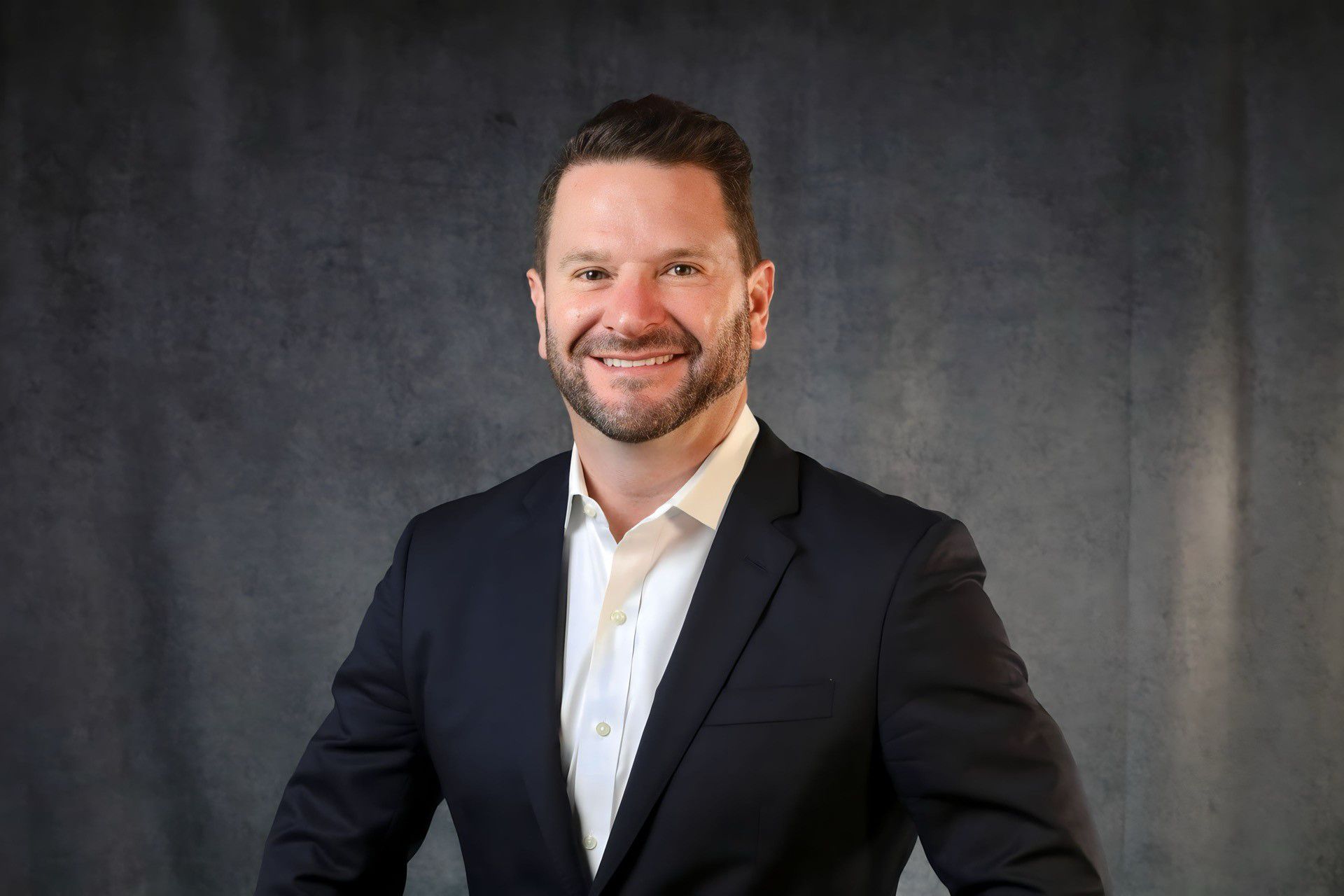
Josh Lowrey
Host
Josh Lowrey is a business leader and entrepreneur who brings a real-world leadership perspective to conversations at the intersection of technology, energy, and execution. He is the co-host of The IT Crowd, the technology podcast for ClearSync Solutions, where he leads discussions on cybersecurity, innovation, and enterprise technology strategy, and the host of The Energy Pipeline podcast sponsored by Caterpillar, focused on the technologies, equipment, and people powering modern energy and infrastructure. Josh is the founder of Upright Digital and Galtway Industries, and a co-founder of Daniel Energy Partners, with investments spanning Breaker 19, Clarity Ice, and Essential Safety PPE, the largest manufacturer of medical gowns for the U.S. government. Across his work, Josh connects hands-on experience with forward-looking insights on how technology and execution drive long-term value across the energy and industrial ecosystem.
of
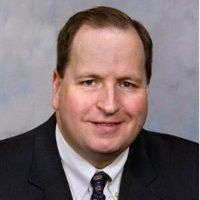
Paul Dunn
Guest
Paul Dunn is a mechanical and propulsion engineer and entrepreneur specializing in carbon capture and low-carbon energy. He serves as Chief Engineer for Low Carbon Solutions at Caterpillar and previously founded CarbonPoint Solutions and Enhanced Energy Group, focused on advancing commercially viable carbon capture technologies, following a long career in undersea engineering and national defense programs.
LEARN MORE ABOUT CATERPILLAR OIL AND GAS
Your Business
 North America – English
Caterpillar Brands
- Caterpillar.com
- Contact Us
- My Marketing Preferences
- Site Map
- Cookie Settings
- Legal
- Privacy
- Do Not Sell or Share My Personal Information
- Accessibility Statement
- US-English
- © 2026 Caterpillar. All Rights Reserved.