


Hybrid Marine: Choosing the Right Energy Pathway
From Operating Profile to Energy Pathway
Hybrid is becoming an important part of the marine industry’s path forward — but success depends on more than adding battery systems or reducing engine hours. It requires a clear understanding of vessel operations, power demands, infrastructure constraints and how all system components work together. Explore how hybrid solutions can support practical, lower-emission operation while helping operators make more informed decisions about the right energy pathway for their fleet.
Products for Marine
Parts & Services
Sustainability
About

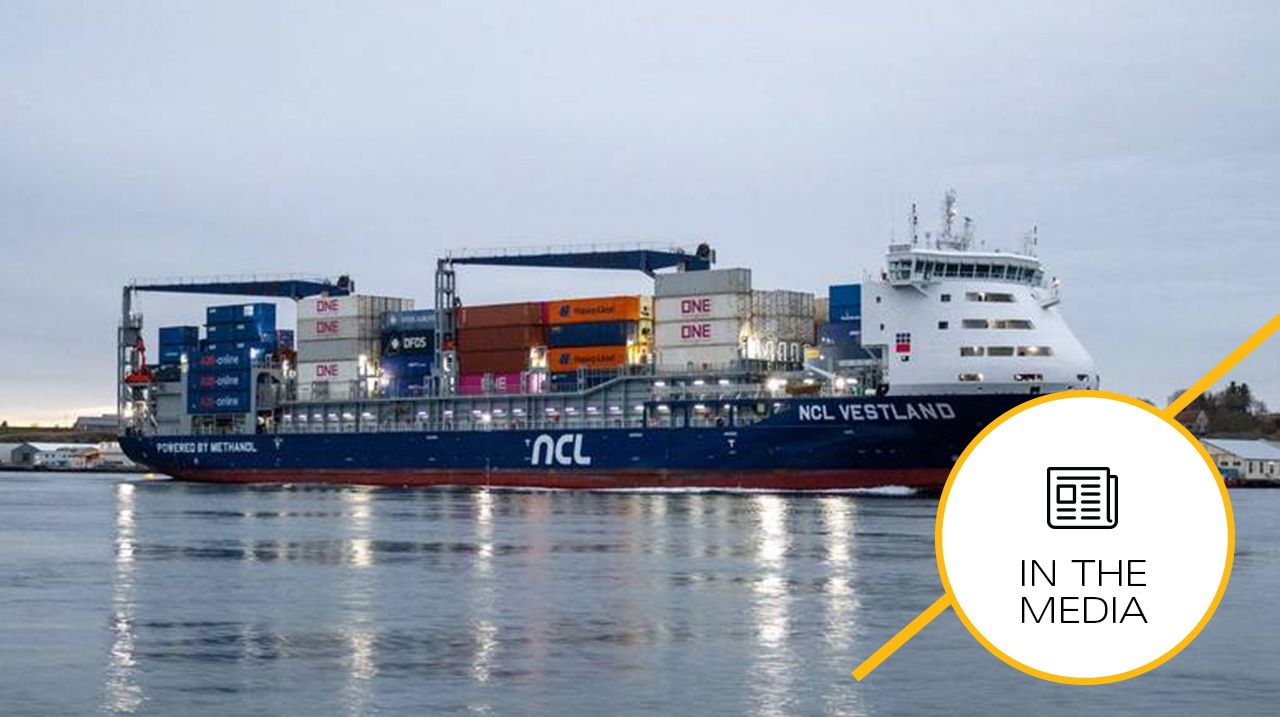
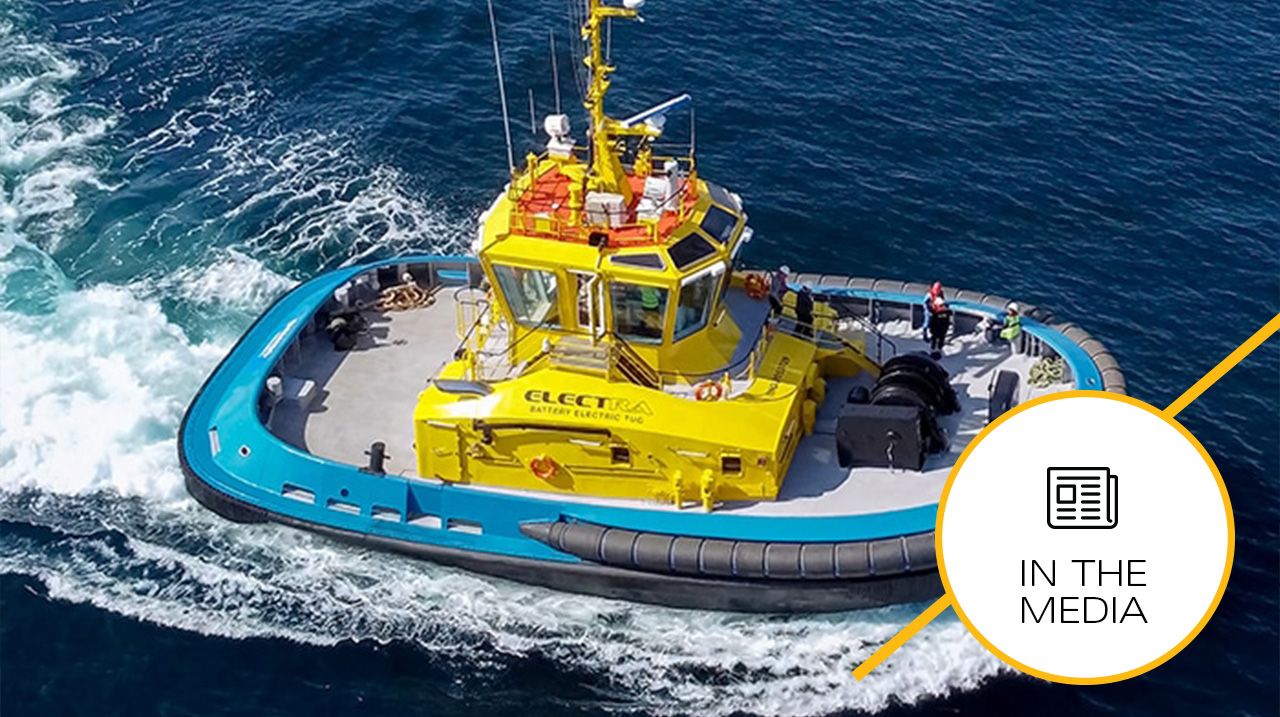
Hybrid vs. Electric Tugs: How to Choose the Right Energy Pathway for Your Operational Profile
Operators don’t need more hype; they need a practical way to evaluate what will work for their vessels today and support long-term sustainability goals. Hybrid and electric systems can both deliver meaningful benefits, but the right choice depends on the realities of your duty cycle: load variability, route length, charging infrastructure and how often you need rapid bursts of power.
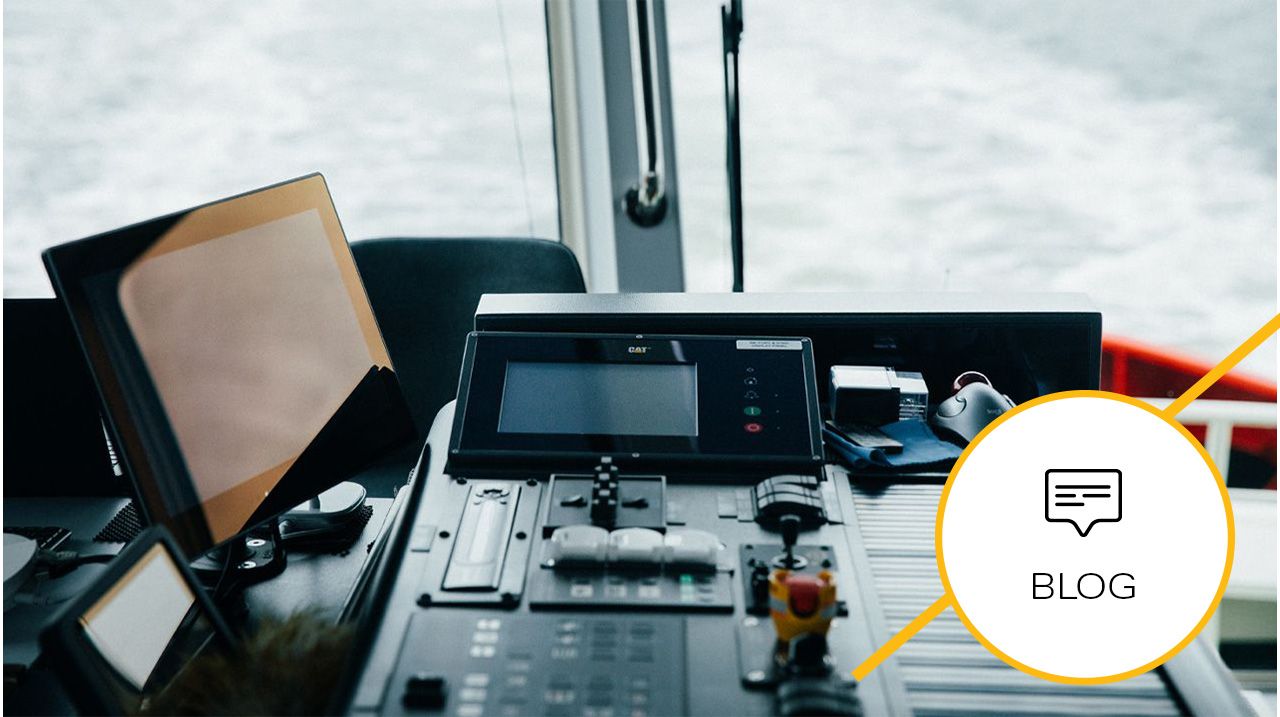
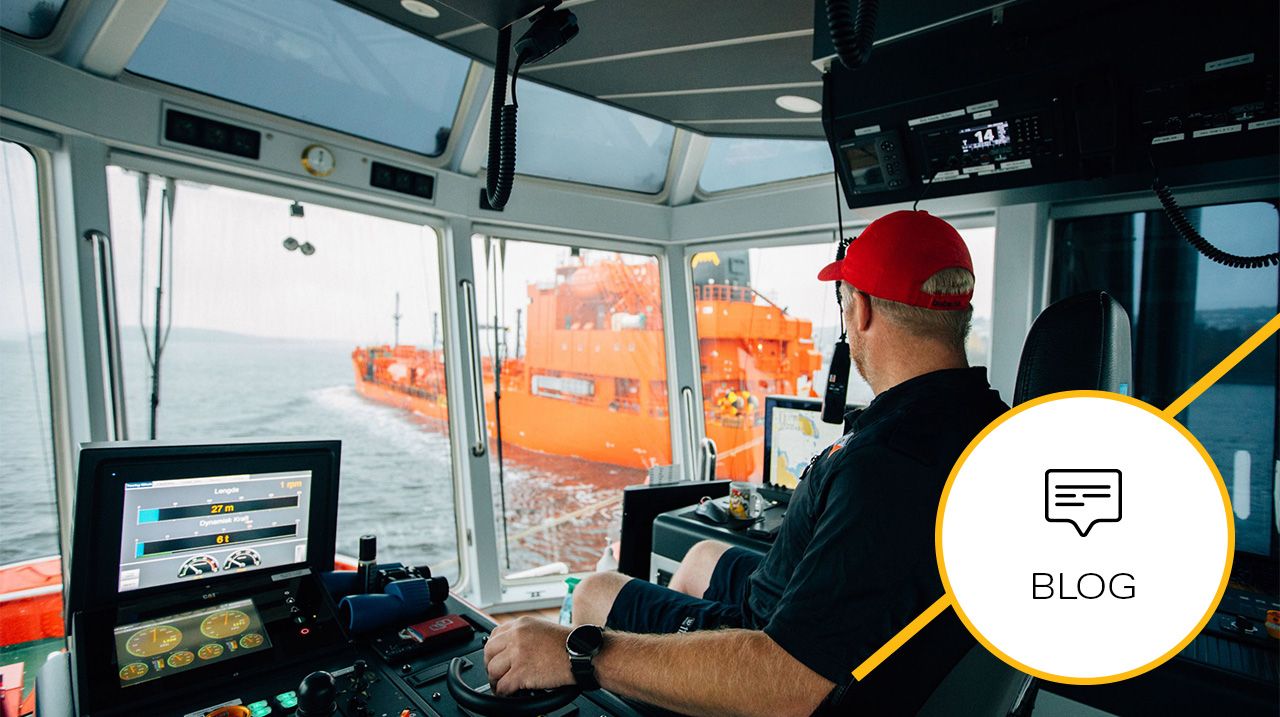
From Engine Room to Energy Room: What Changes When You Move Beyond Diesel
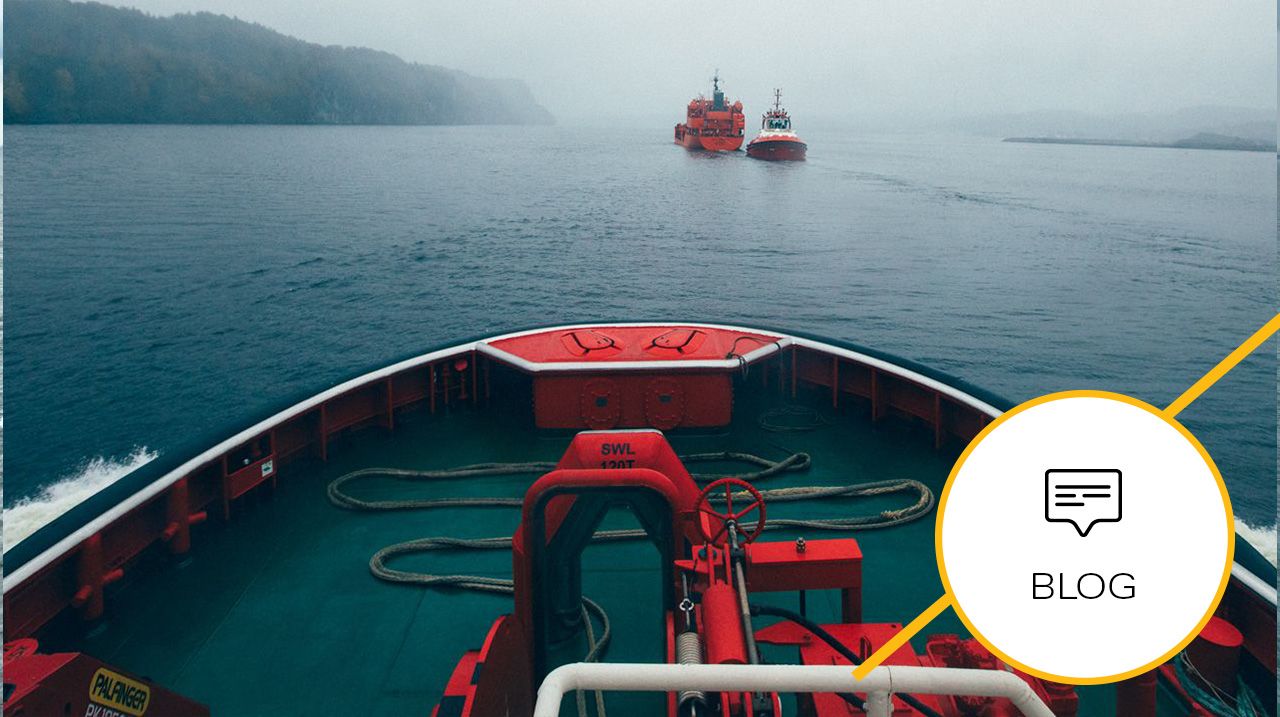
The maritime industry is navigating a major transition: shifting from a single fuel-based mindset to an onboard energy mix that can include engines, battery systems and (increasingly) multiple fuel options. That shift doesn’t just change components; it changes how vessels are specified, how projects are scoped and who needs to be involved early to avoid costly surprises.
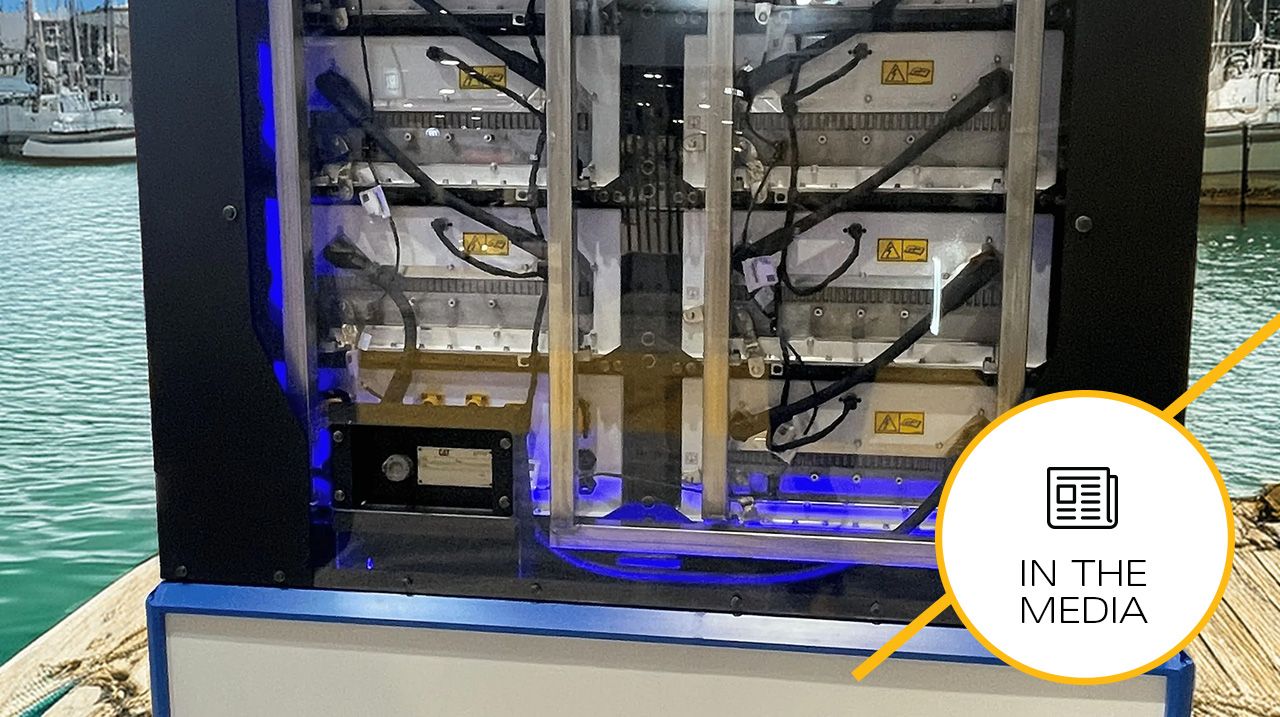


The Brain of the Vessel: Why Intelligent Supervisory Controls Make Hybrid and Electric Systems Work
Hybrid and electric systems introduce new sources of power, along with new complexity. The difference between a system that looks good on paper and one that performs reliably on the water often comes down to controls: how power is directed, how load changes are handled and how battery system health is protected over time.

Key Products Powering Hybrid Performance
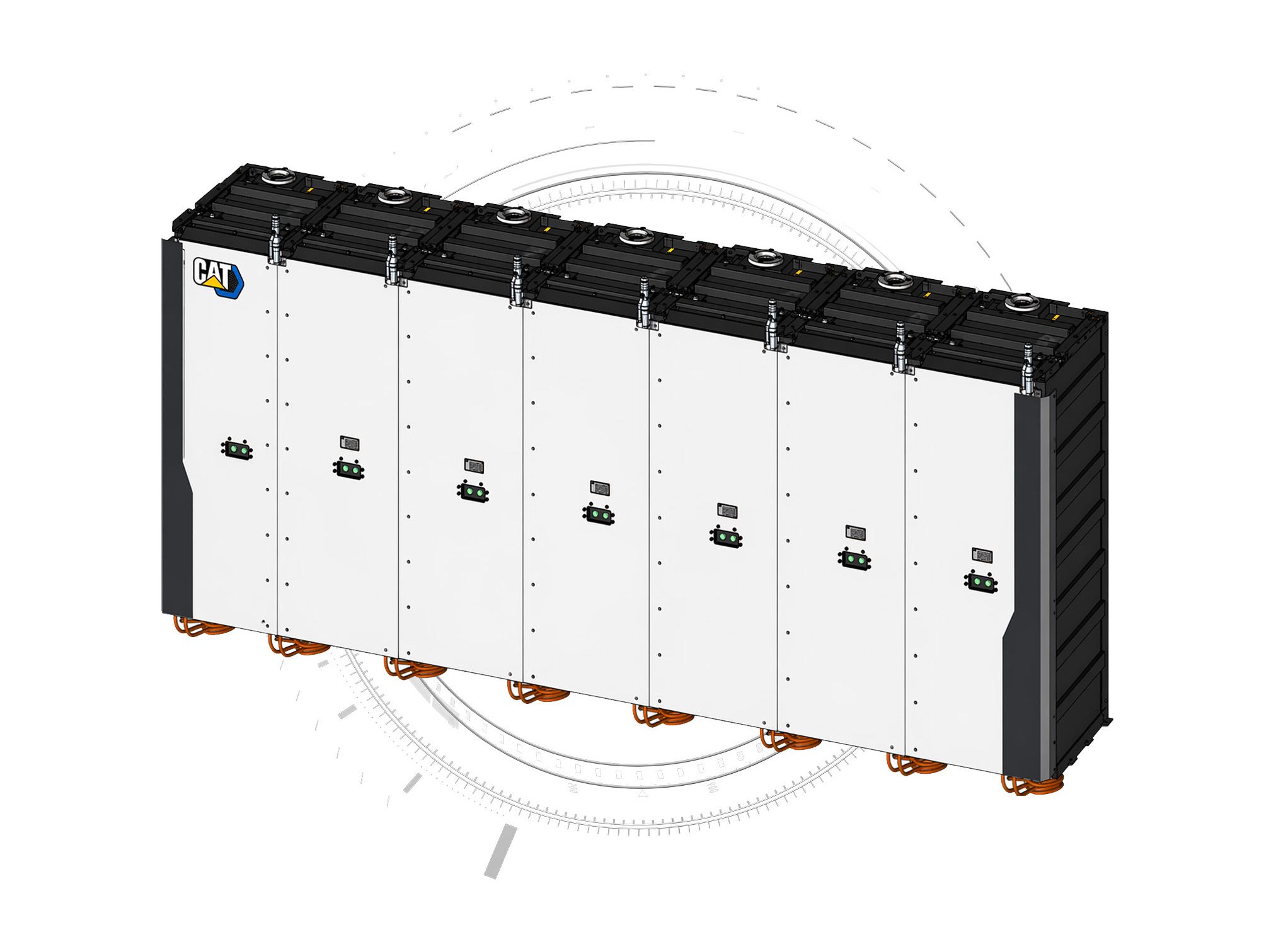
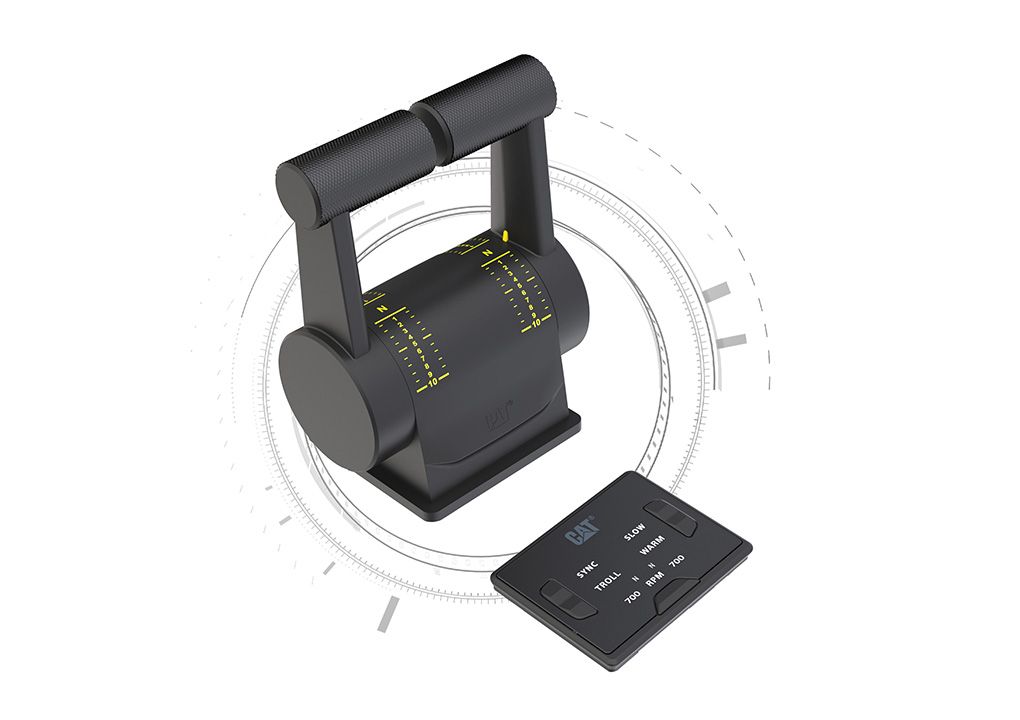
Hybrid is more than adding new equipment; it’s designing an integrated energy room. These featured products help bring hybrid capability together with the controls and power components needed to operate efficiently and confidently.

Sustainability Solutions Worth Exploring
The path to lower-emissions for marine operations is evolving, with multiple technologies and strategies shaping what comes next. Explore additional sustainability topics to better understand the opportunities, tradeoffs and considerations influencing the future of marine power.
Hybrid Power Frequently Asked Questions
What is a hybrid system in marine applications?
A hybrid system combines an internal combustion engine with an electric path (electric motor and battery system) to support different operating modes depending on the application.
What’s the difference between a hybrid system and an electric system?
A hybrid system includes both an engine and an electric path. An electric system relies primarily on electric propulsion and a battery system, sometimes with a genset as a range extender.
What does “electrification” mean for marine power systems?
Electrification is an umbrella term that includes battery systems, hybrid systems and electric systems, often alongside fuel strategies such as biofuels now and other fuels over time.
How do you determine whether hybrid or electric is the right fit?
It depends on a vessel's unique operating profile — load variability, route length, access to charging and emissions requirements.
Why is the operating profile important when designing electrified systems?
It influences battery system sizing, control strategy, component selection and expected outcomes. Using real operating data helps reduce risk during design and integration.
What does a battery system do in a hybrid or electric setup?
A battery system can absorb load fluctuations (peak shaving), provide spinning reserve and support low-load operation, depending on how the system is configured.
What is “spinning reserve” and why does it matter?
Spinning reserve is instantly available backup power. In electrified systems, the battery system can provide immediate energy to support continuity during load changes or faults.
What is a Supervisory Control System?
It coordinates the overall system and automatically directs power flow between energy sources. Centralized supervisory controls can reduce complexity by providing system-wide guidance rather than fragmented control setups.
What is a Marine Propulsion Control (MPC) system?
An MPC system executes propulsion control by physically controlling the engine and receiving throttle commands from the vessel, supporting integrated operation within hybrid and electric architectures.
Are electrification and alternative fuels competing pathways?
Not necessarily. Depending on objectives and infrastructure, electrification and alternative fuels can be complementary, supporting phased adoption strategies.
Can hybrid and electric solutions be applied to existing vessels?
In some cases, yes. Feasibility depends on vessel layout, power requirements, driveline configuration and the targeted operating modes.
What are common challenges with hybrid and electric systems?
Integration is often the biggest challenge, especially if the operating profile is not captured accurately or if controls are not designed to manage power from the right sources in the right way.


Your Business
 North America – English
Caterpillar Brands
- Caterpillar.com
- Contact Us
- My Marketing Preferences
- Site Map
- Cookie Settings
- Legal
- Privacy
- Do Not Sell or Share My Personal Information
- Accessibility Statement
- US-English
- © 2026 Caterpillar. All Rights Reserved.