

Essential Automation for Hybrid Electric Marine Systems
The maritime industry is undergoing a fundamental shift. As operators face tightening emissions regulations and the push for lower total cost of ownership (TCO), several are transitioning from conventional power to hybrid and fully electric systems. However, this transition introduces a new set of variables.
As operators evaluate these new architectures, questions naturally arise regarding vessel operation and performance optimization—especially as a crew’s core expertise often lies in conventional mechanical systems. Automation plays a pivotal role here. To ensure dependable, efficient operation that maximizes the advantages of electrified power, sophisticated supervisory controls and battery management systems are essential.

What Operators Should Consider When Transitioning to Electric Propulsion
Operating a hybrid or fully electric vessel can offer some unique benefits, however a shift in mindset for the bridge and engine room is necessary. Electric motors deliver immediate power with nearly instant torque. This provides exceptional maneuverability, but it creates a learning curve for crews accustomed to the slower throttle response of conventional engines. Additionally, battery sizing is critical. In an electric ecosystem, the performance, long-term endurance and vessel’s lifecycle depends heavily on selecting the correct capacity. An undersized marine battery can limit operational windows.
Why Intelligent Controls are Essential for Hybrid and Electric Marine Propulsion Systems
Whether a vessel utilizes a hybrid configuration or a fully electric marine battery system, the synergy between hardware and software is crucial – and managed by the Cat® Supervisory Control System and Battery Management System (BMS).
Supervisory controls are integrated into every hybrid powertrain. The system serves to optimize fuel and greenhouse gas (GHG) emissions reduction while prioritizing battery life and vessel power. It also maximizes performance when lower carbon-intensity fuels are used by leveraging a parallel propeller driveline1.
For vessels equipped with the Cat marine battery system, the BMS manages the health and safety of the energy storage. It monitors temperature, charge state and cell balancing to ensure the battery operates within its ideal window.
Hybrid Marine Engineering Specialist Marvin Baer noted, “We’ve leveraged Caterpillar’s enterprise-wide expertise to bring the BMS and Supervisory Control System to marine applications. This allows our CE-certified Cat marine battery system to provide operators the safety and performance their operations demand.”
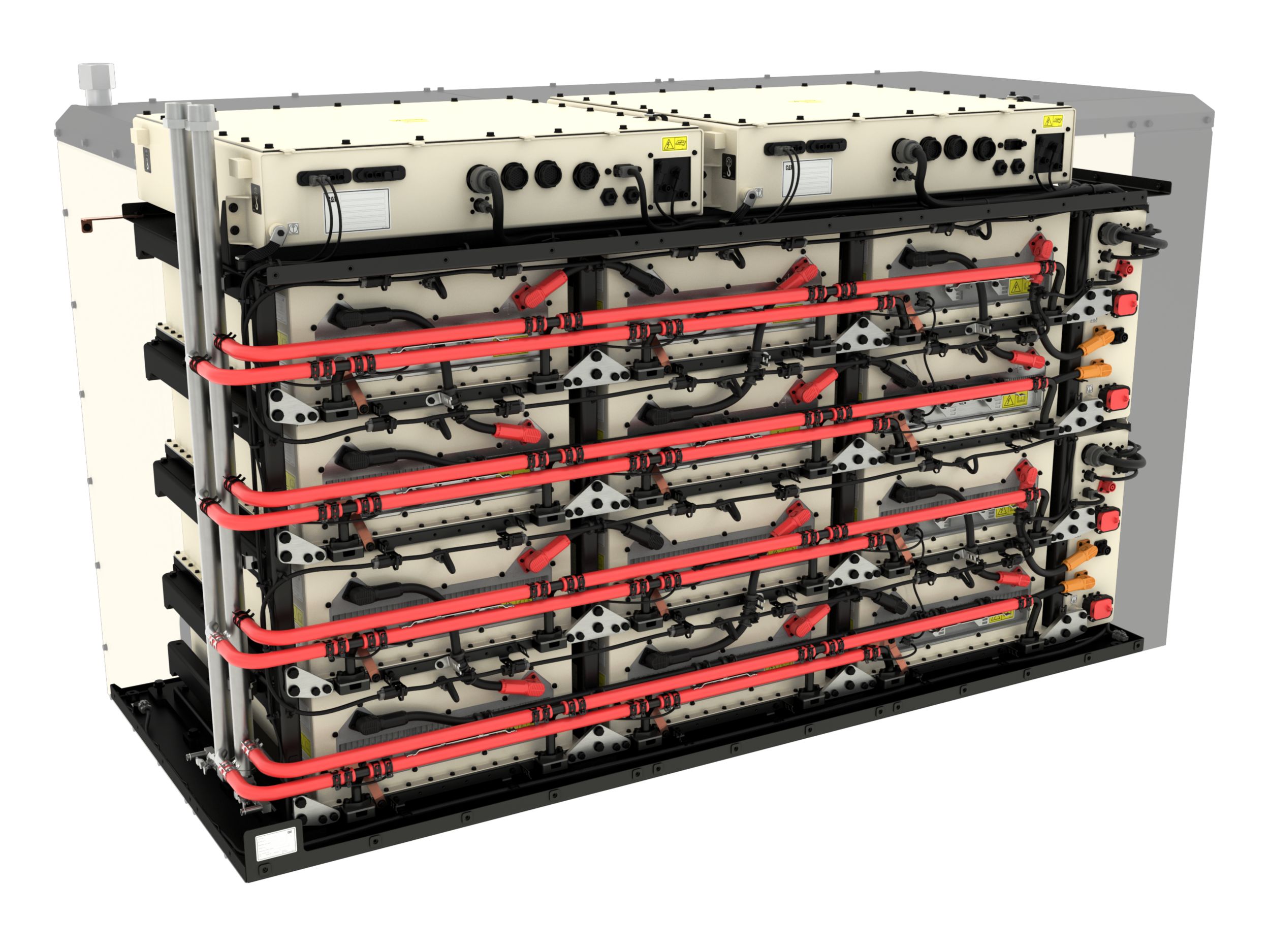
How Integrated Control Systems Optimize Vessel Power
The true value of these integrated controls is evident during critical operational moments. The Supervisory Controls System, for example, may prioritize electric propulsion to reduce fuel burn and GHG emissions during low-load operations. When peak power is needed, the controls automatically blend engine and motor output for maximum thrust. For marine battery-powered vessels transiting between ports, the BMS gives crews confidence in the available charge and health of the battery to ensure operational safety.
While the maritime industry evolves, safe, reliable, and efficient operations remain a priority. By deploying intelligent integrated controls packages, operators can apply conventional experience to next-generation power solutions. These tools don't simply manage power—they position vessels to reliably operate for decades to come.
1 Compared to the C32.
Your Business
 North America – English
Caterpillar Brands
- Caterpillar.com
- Contact Us
- My Marketing Preferences
- Site Map
- Cookie Settings
- Legal
- Privacy
- Do Not Sell or Share My Personal Information
- Accessibility Statement
- US-English
- © 2026 Caterpillar. All Rights Reserved.