


Navigating the Evolving Energy
Landscape Together
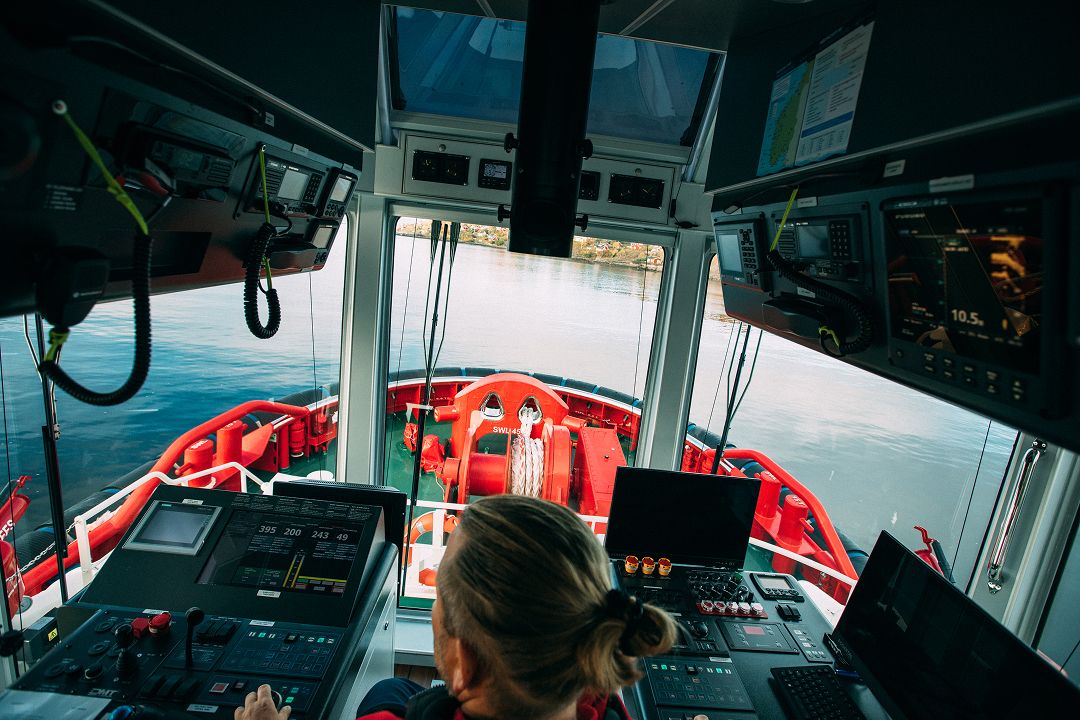
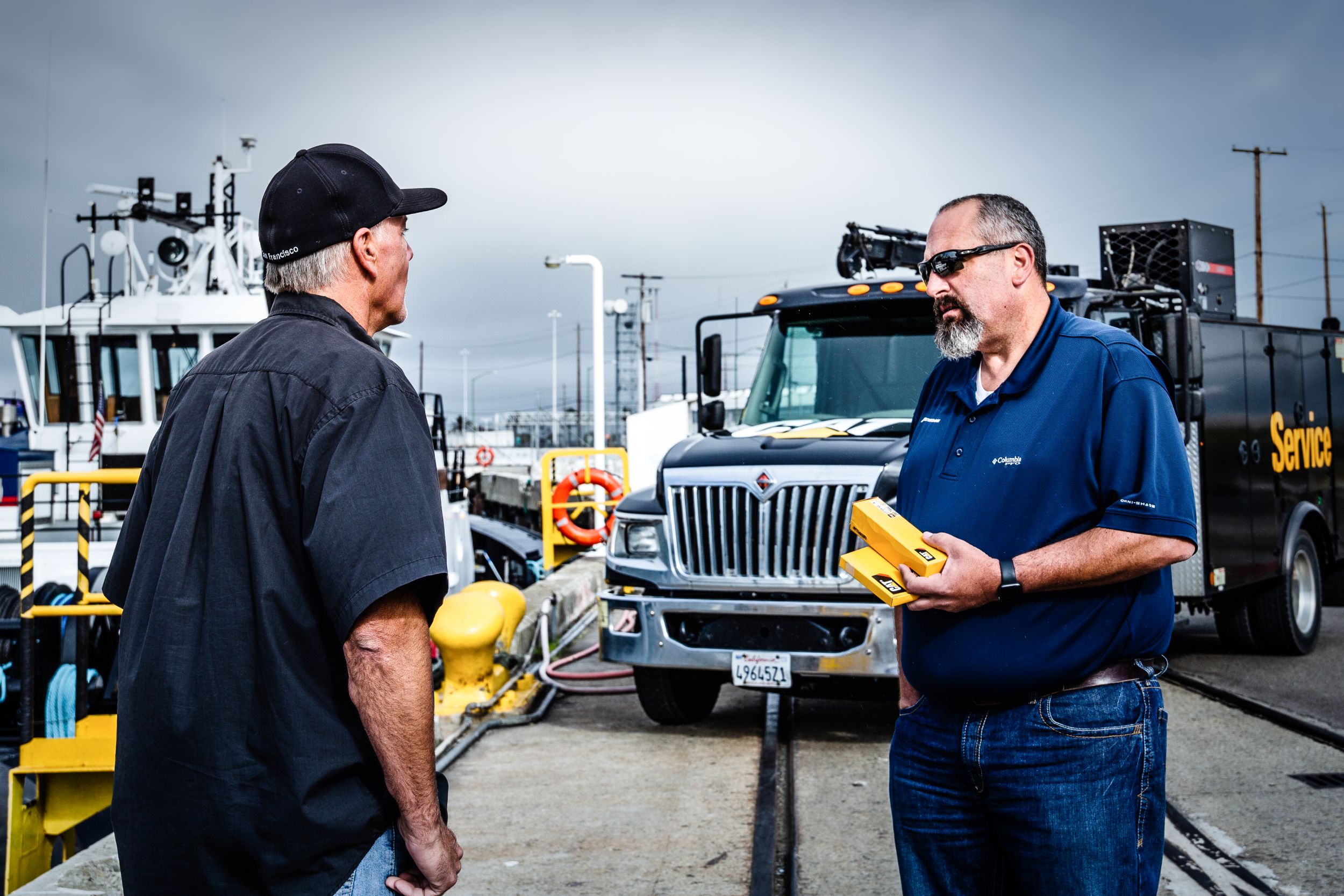
For marine-based industries, the waters of regulation are constantly shifting. To keep up, vessel operators are often left with hard decisions and little guidance. Our approach to helping you achieve your goals starts with listening to and understanding the specific needs of your operation.
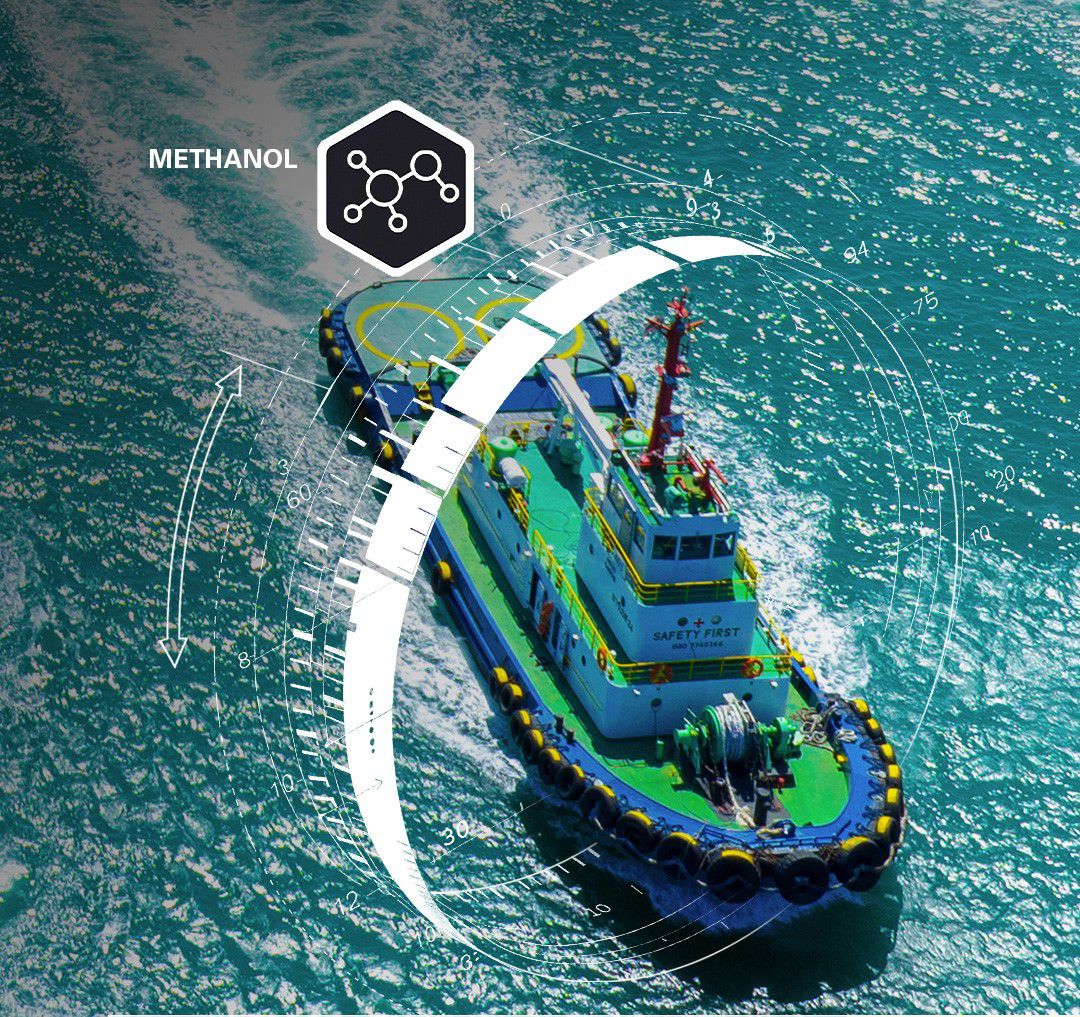
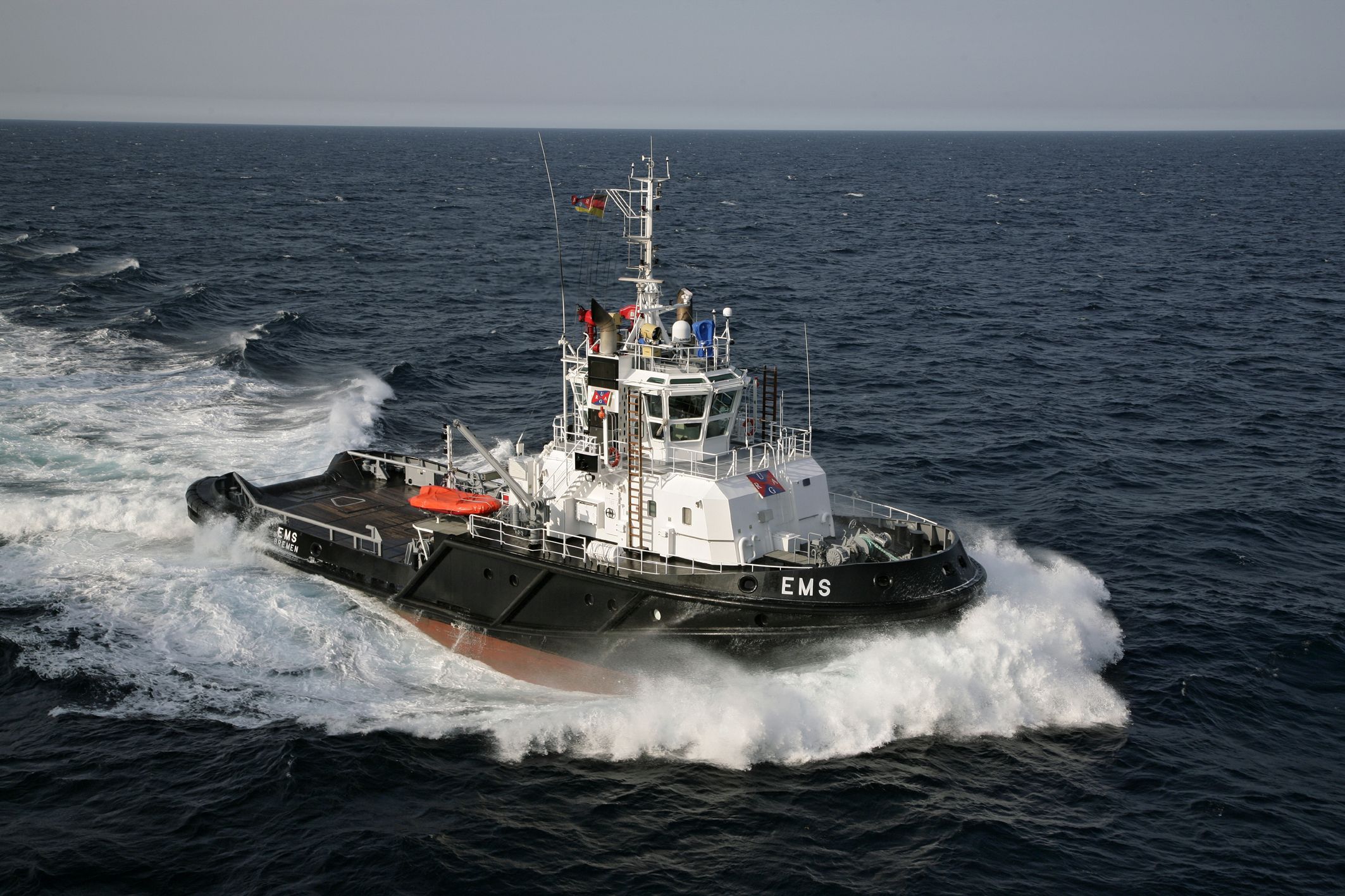
Achieving these goals requires multiple solutions working together, which is why we offer a variety of options like biofuels that may help support reductions in lifecycle greenhouse gas (GHG) emissions, depending on fuel type, engine configuration, and operating conditions, with minimal changes required in certain applications. Methanol as a lower‑carbon‑intensity fuel option that is being evaluated as a potential long‑term solution for certain marine applications. Electrification for the adaptability to meet future demands and designed to support improved equipment efficiency in suitable applications. And Cat® Reman for a cost-effective replacement solution that delivers like-new performance.
We understand that while reducing lifecycle GHG emissions is a common goal, there’s no single solution that can meet the needs of every vessel, location and operating profile. Together, we'll find the right solutions to meet your goals today and in the future.
Products for Marine
Parts & Services
Sustainability
About

From Shore to Ship: Integrated Solutions for a More Sustainable Fleet
Explore how we can help you meet your goals.
Biofuels
Methanol
Hybrid & Electric
Battery Systems
Remanufacturing
Biofuels For Marine
Biofuels provide a region‑specific, cost‑effective route to reduce GHG emissions intensity.




Unlock more knowledge about methanol

Cat® Reman—Supporting a Circular Economy
Cat Reman –
Supporting a Circular Economy
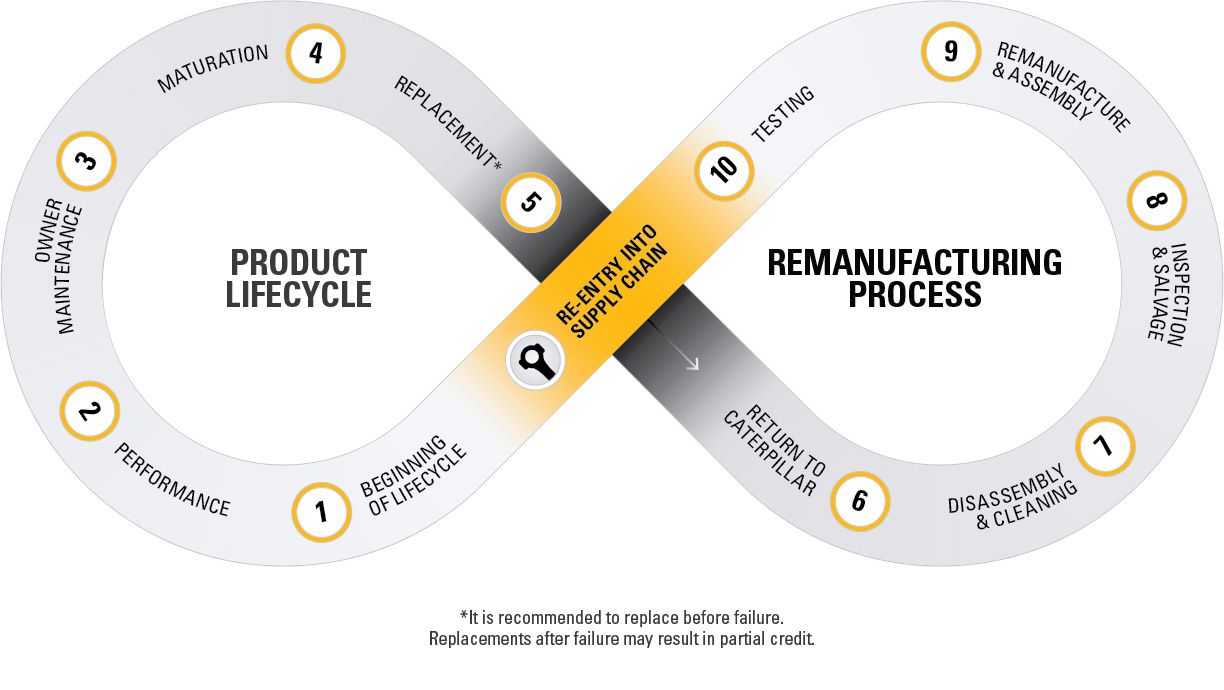
Extending Equipment Life: Cat Reman and the Circular Model
Cat Reman supports the staying power of our supply chain and offers sustainability benefits through a circular economy that remanufactures end-of-life parts and equipment to re-enter the market with like-new quality.

of
Your hub for insights, stories, and updates – all in one place.
-
Caterpillar Sustainability: Real-World Innovation
Caterpillar sustainability solutions are meaningful and measurable to help you succeed.
Learn More -
2025-02-14 Charting the Course for Methanol in Maritime Operations
February 13, 2025
Used in thousands of everyday products, methanol is a clear liquid that is water-soluble and readily biodegradable and can also be used as a fuel. It has the highest hydrogen-to-carbon ratio of any liquid fuel, which lowers CO2 emissions from combustion when compared to traditional fuel.
Learn More -
2025-02-19 Sailing Ahead with HVO as an Alternative Marine Fuel
February 19, 2025
Lower-carbon intensity fuels play an important role in helping the marine industry reduce lifecycle greenhouse gas (GHG) emissions while keeping tailpipe GHG emissions essentially the same.
Learn More

Your Business
 North America – English
Caterpillar Brands
- Caterpillar.com
- Contact Us
- My Marketing Preferences
- Site Map
- Cookie Settings
- Legal
- Privacy
- Do Not Sell or Share My Personal Information
- Accessibility Statement
- US-English
- © 2026 Caterpillar. All Rights Reserved.