
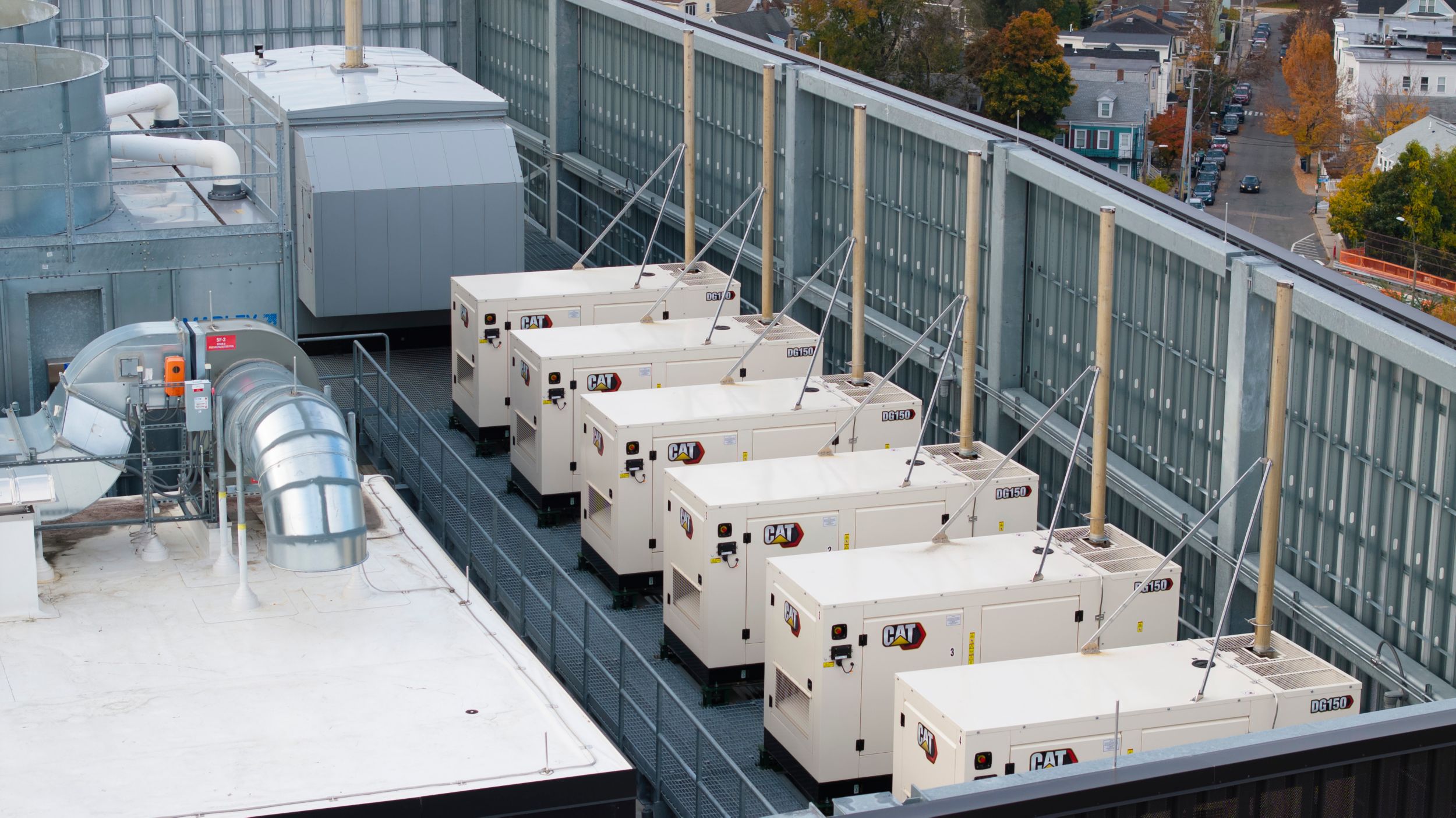
Planning Backup Power? Start Here.
One Decision Can Transform “Standby” Into “Strategy”
The generator rating you choose now determines whether your back up power solution simply provides emergency insurance — or becomes a strategic asset in an uncertain energy landscape.
So you’ve decided it’s time to install or update your backup power.
Maybe utility outages have become more frequent. Maybe your operations have grown to the point where an interruption could mean lost revenue, missed shipments or unhappy customers.
The planning is underway: sizing the generator, evaluating fuel options, deciding how it will fit into your site — whether you’re starting from scratch or replacing an existing unit.
There’s one more factor to consider: the generator’s rating.
It’s easy to treat this decision as a technical detail. But at a time when the energy landscape, regulations and grid reliability are all shifting, it may be the most important choice in the entire project — defining how often your back up power solution can run and what role it can play in your operation for the next decade or more.
Before installing a generator set, you must decide how it will be certified and permitted. Changing that rating after the fact is extremely difficult — sometimes impossible. That’s why this moment matters: Which path should you choose? If you’re replacing an older standby unit, it’s also a chance to step back and consider whether a different rating might deliver more value. You can read our generator ratings guide for in-depth information about your options.
- Standby: Intended for outages and emergency events only. Regulations limit how many hours these assets can operate annually outside of emergencies, usually for testing, maintenance or storm avoidance.
- Demand response/load management: Permitted to operate during outages but also during non-emergency events.
- Prime power: Designed for continuous or extended operation as a primary or supplemental power source.
Standby may seem like a logical choice for backup power: You install the asset, test it regularly and trust it to start in an emergency — but it spends nearly its entire life just waiting for something to go wrong. A demand-response rating opens up additional usage opportunities, so you can get more from your genset investment.
Instead of starting up only during outages and routine testing, generators with a demand-response rating can also run when it makes financial or operational sense. That includes:
- Peak shaving: Running onsite generation during premium-priced hours can reduce the peak load used to calculate your utility charges.
- Demand-response programs: Utilities in many regions compensate large energy users for temporarily reducing load during periods of high grid demand. That can come from switching off non-critical loads or turning on onsite generation or storage.
- Energy program participation: In some areas, you can take advantage of ancillary programs to generate additional revenue for your business. The right Distributed Energy Resource Management System (DERMS) automatically participates in these programs and performs the settlement to make sure you’re properly compensated.
Even if you plan to use your genset strictly for emergencies now, choosing a demand-response rating gives you more flexibility later. Energy may be inexpensive today. Your grid may be reliable today. But if those conditions change in five or 10 years, it gives you more options to meet your evolving energy needs.
Here’s another reason rating matters.
In many regions, electricity demand is growing faster than new infrastructure can keep up. Substations, transmission lines and generation plants are often on a five- to 10-year development schedule.
If your organization is planning expansions — new facilities, new production lines or increased computing capacity — the utility connection you need may be a decade away. In that situation, onsite generation can be a lifeline, providing continuous power or supplementing utility supply while you wait for grid upgrades.
Again, that flexibility comes back to the rating decision. A standby-only generator likely won’t be permitted to fill that gap, but one with a demand-response or prime power rating can keep your growth plans moving forward.
One reason some organizations hesitate to explore generator ratings other than standby is the perception that it requires specialized knowledge or constant monitoring of grid conditions or the energy industry.
That used to be true — but today, DERMS automates much of the process. Solutions like Cat® AMP monitor grid signals, energy pricing and facility demand, then determine exactly when onsite generation should run to deliver the most value.
Instead of guessing when to dispatch your asset, DERMS solutions do the analysis and trigger it automatically. For most operations, the experience is simple: the generator runs when it should and stands ready the rest of the time.
If you’re planning for backup power, the immediate goal is simple: protect your operation when the grid fails.
But don’t overlook the long-term potential of the asset you’re installing or replacing, which may serve your operation for 15 or 20 years. In that time, the energy industry, regulations and grid reliability may all evolve. You can’t predict the future, but you can make sure the generator you choose today gives you options if — and more likely, when — conditions change.
Evaluating or replacing standby power at your facility? Talk to our experts about how generator ratings can affect long-term flexibility and why demand response may fit your operation best.
Related Blogs
-
Peak Demand Never Looked So Predictable
When traditional seasonal peaking occurs, municipal utilities have managed these spikes with large, permanent generators. But today’s challenges demand more flexibility and smarter decision making. That’s why many municipal utilities are turning to rental power solutions - to provide that extra, quick capacity – for as long as they need it.
Learn More -
The Brains Behind Efficient, Future-Ready Power
Whether you’re adapting now or planning ahead, your power system needs to flex with your strategy. That’s where an energy control system comes in. Like the smart thermostat in your home that automatically balances comfort and efficiency as conditions change, controls act as the decision-maker for your power setup — from individual assets to entire sites. The result: a coordinated system that continuously adjusts to meet your cost, carbon and reliability goals.
Learn More -
Delivering Excellence: Energy, Data and Savings
What do thousands of data points, one very busy power grid and an endless supply of sourdough pretzel nuggets have in common? They’re all part of a typical day for Claire Gramlich. With extreme weather, unpredictable demand and equipment spread across four time zones, it’s hard to call any day “typical.” But to get a sense of how Claire and her team keep power flowing — and costs down — for Cat AMP customers, here’s a look at one record-hot July day last summer.
Learn More -
Reliability Is An Inside Job
Maintaining reliable power is getting more complex. Aging infrastructure, rising demand and frequent severe weather all contribute to a less stable grid. Add the growing use of solar and wind - valuable resources, but inherently intermittent - and many organizations now depend on gensets to bridge capacity gaps and keep operations steady. And now, because of all these changes, gensets are running far more often than expected. Equipment once thought to start up once a year is now being called upon to run four or five times annually - a trend that continues to rise as grid instability grows.
Learn More




Your Business
 North America – English
Caterpillar Brands
- Caterpillar.com
- Contact Us
- My Marketing Preferences
- Site Map
- Cookie Settings
- Legal
- Privacy
- Do Not Sell or Share My Personal Information
- Accessibility Statement
- US-English
- © 2026 Caterpillar. All Rights Reserved.