
Emissions 101
Everything you need to know about emissions standards, past, present and future.
Engine Parts
-
Cat Engine Parts for Your Equipment
Learn More -
Cat Powered Chippers and Grinders: Getting Down to the Grind
Learn More -
Cat Powered Pumps: Built to Last
Learn More -
Cat® Aftermarket Products for Any Application
Learn more -
Cat® Powered Compressors: Built to Last
Learn More -
Cat® Reman
Learn more -
Cat® Turbochargers
Learn more -
Cylinder Head Repair Options
Learn more -
Equipment Management
Learn More -
Equipment Management
Learn More -
Genuine Cat® Parts, Kits and Repair Options For Industrial Engines
Learn more -
Genuine Parts
Learn more -
Replacement Engines
Learn More
Services
Sustainability
Caterpillar’s team of global emissions experts has a very big job: To understand what’s happening around the world (so the rest of us don’t have to). That makes them ideal to provide a high-level look at the emissions landscape — where things stand today, how far we’ve come and where we might be headed. We asked the team to answer some common questions about emissions standards. These are their thoughts.
When did emissions standards come in to play?
For nonroad mobile machinery (wheeled and tracked equipment and mobile gen sets), it was the mid-1990s. The U.S. and Europe led the way, establishing “tiers” or “stages.” Japan adopted comparable standards soon after. In the 2000s, other countries began to implement their own. Many jumped in around U.S. EPA Tier 3 levels and stayed there. Going further requires aftertreatment, which requires the use of ultra-low-sulfur diesel. Many countries don’t have that fuel available nationwide.

How to overcome obstacles in emissions redesigns.
New stages or tiers of emissions standards require product redesigns to accommodate a new engine. It can be costly, time-consuming and frankly burdensome. But you don’t have to go it alone. With Caterpillar as your engine supplier, we tailor our support to your needs with three levels of consultation services.
- Level 1. Advice and Expertise
- Level 2. Design Collaboration
- Level 3. Complete Design, Installation and Testing
What do these standards cover?
It differs by country, but generally speaking, nonroad emissions standards cover engines powering nonroad mobile machinery, emergency and non-emergency stationary units, rail applications and marine vessels. They aim to bring down emissions of oxides of nitrogen (NOx), hydrocarbons (HC), carbon monoxide (CO) and particulate matter (PM).
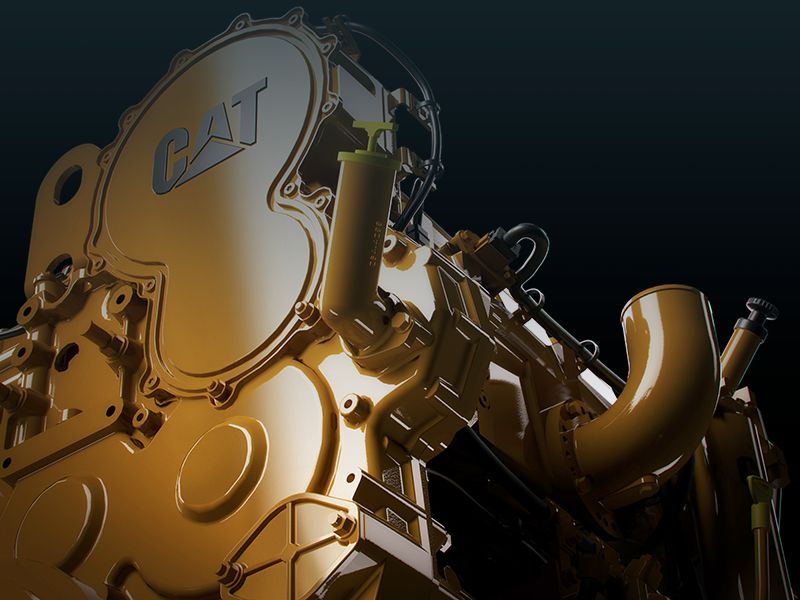
Engine aftertreatment: What should you ask?
Good question. Getting the facts about validation, load requirements, installation guidelines and transparency will help you choose the most durable engine option for your equipment. When talking with engine suppliers, there are four more good questions about aftertreatment you’ll want to ask:
- Have you done testing in my application?
- Is there a minimum duty or load factor required?
- What are your installing guidelines?
- How transparent is your regeneration?
What are the standards today?
EU Stage V standards went into effect in January 2019, making Europe the world leader in stringency. The U.S., Canada, Japan and South Korea are at Tier 4 Final levels. The rest of the world is a mix. Looking at larger countries, Brazil, China, India and Turkey are all at levels comparable to Tier 3. Saudi Arabia is at a Tier 1 level. The majority of other countries are unregulated. Keep in mind this is a general overview — in some cases, different standards apply across different power categories or engine families.
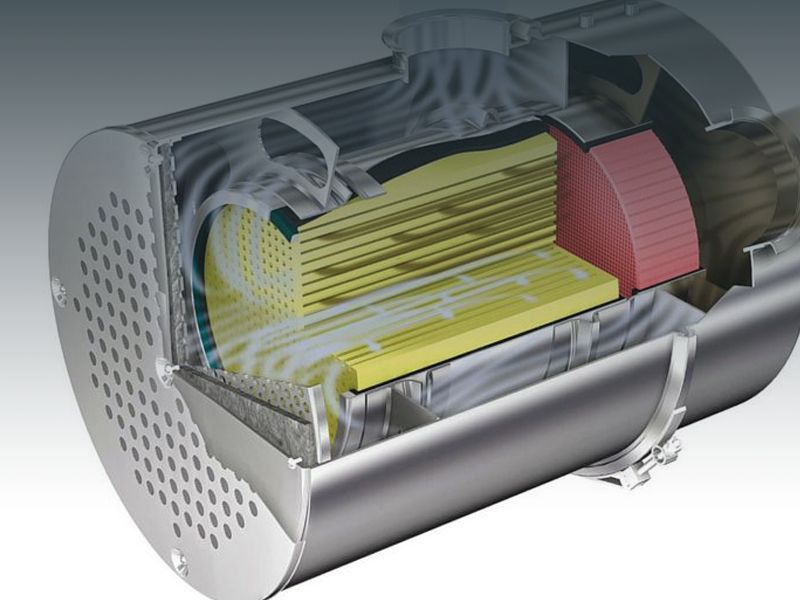
Not all diesel regeneration systems are created equal. Three things to know.
Spoiler Alert: You’re going to be hearing a lot about Diesel Particular Filters (DPFs). EU Stage V emissions standards are driving the use of such aftertreatment devices, and with many manufacturers aiming to offer one platform globally, you’ll find them in more than just European markets. When weighing your DPF options, there are a few key things to keep in mind:
- Not All Regeneration Systems are Created Equal
- Choose a System that Favors Operators
- Telematics, Genuine Cat Parts and Fluids Matter
How far have emissions dropped since the 1960s?
Comparing Tier 1 to Tier 4 Final, there’s been a 96% drop in both NOx and PM. The levels we’re hitting today are very, very low. It’s often said that in terms of PM, the air coming out of a Tier 4 Final engine is cleaner than the air you breathe in some larger cities. Aftertreatment has reduced HC and CO emissions to virtually nothing. Now it’s all about reducing NOx even further — and that will depend on the development of new technology.
Cat Stage V Engines. The most comprehensive range around.
High performance. Low operating costs. You’ll want to click below for the full scoop on the full lineup of Cat Stage V Engines, but know this: Cat engines are built around customers’ needs to meet emissions standards without ever sacrificing performance. Oh yeah, and they’re all fully supported by your local Cat dealer.
What’s next for emissions?
It’s hard to predict the future, for obvious reasons. But that being said, here’s what we estimate right now:
- U.S. has no plans beyond Tier 4 Final, but new standards are expected back on the agenda at some point.
- China implemented Nonroad Stage IV standards in 2020.
- Japan and South Korea are likely to align with Stage V in the next 2-3 years.
- Turkey has said it will move to Stage IV levels by 2021.
- India intends to align with Stage V in 2024.
- Brazil and Chile are expected to move to Tier 4 Final standards in 2023-2024.

Your Business
 North America – English
Caterpillar Brands
- Caterpillar.com
- Contact Us
- My Marketing Preferences
- Site Map
- Cookie Settings
- Legal
- Privacy
- Do Not Sell or Share My Personal Information
- Accessibility Statement
- US-English
- © 2026 Caterpillar. All Rights Reserved.