
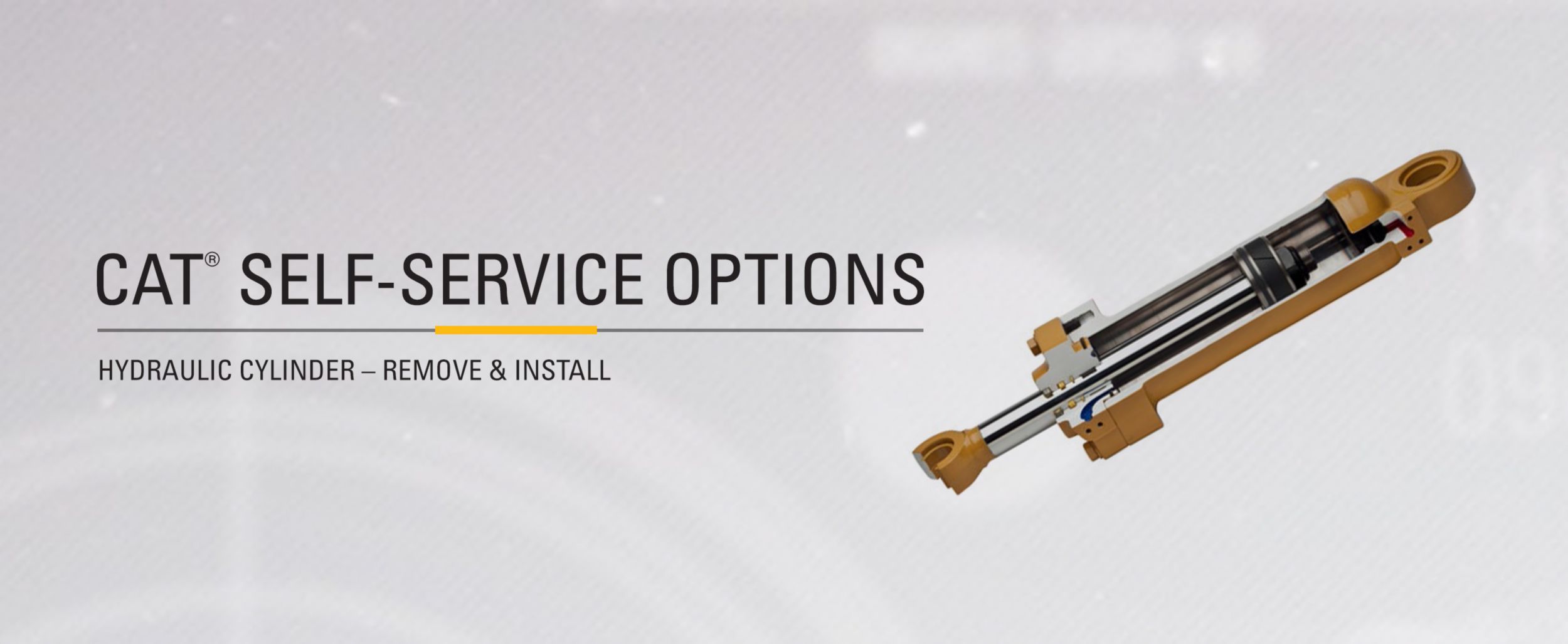
Cat® Wheel Lean Cylinder Replacement
CAT SELF-SERVICE OPTIONS (SSO)
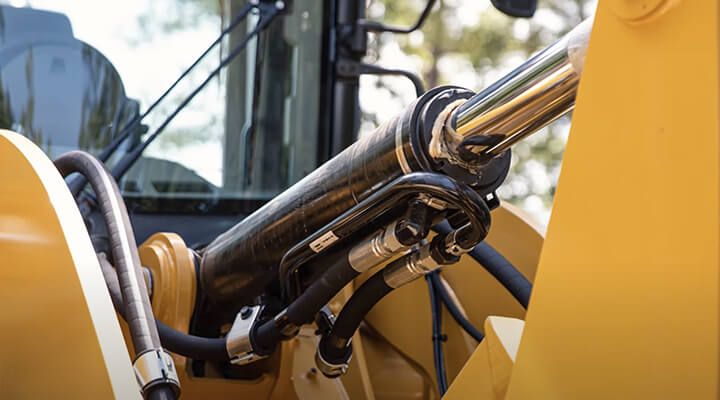
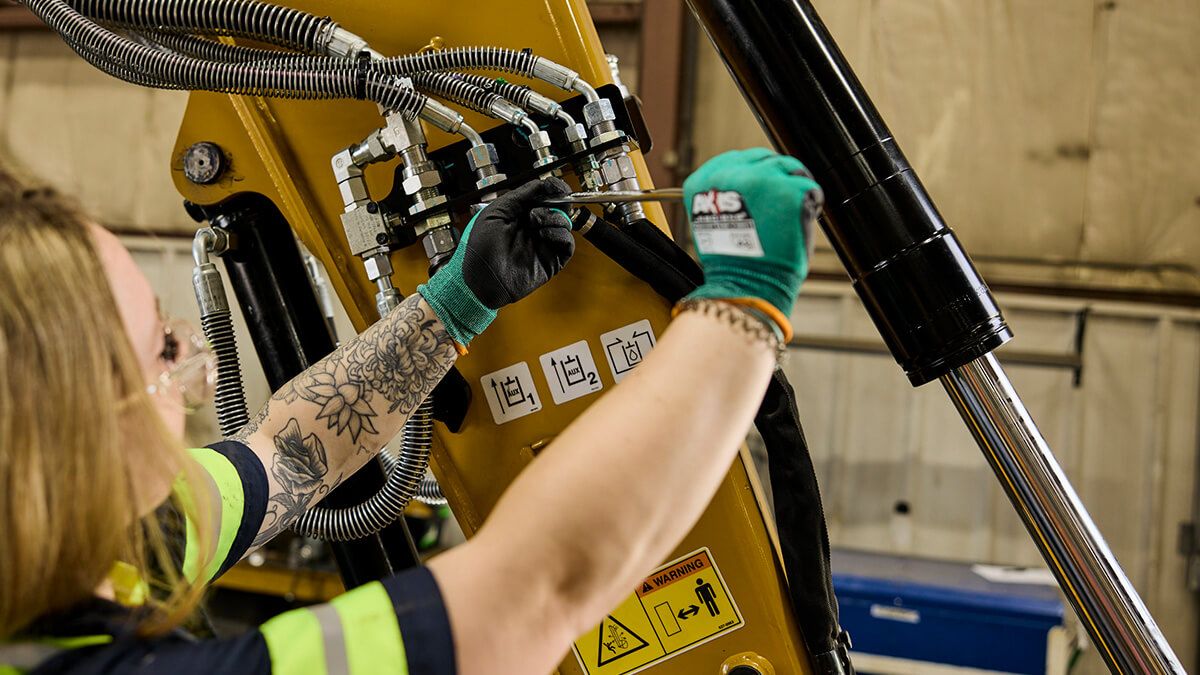
Cat® wheel lean cylinders are designed for your motor grader's specific function. And you can combine them with exclusive Cat hydraulic cylinder seals to help extend life and enhance productivity. Are you ready to replace your wheel lean cylinder? It's easy to do the work yourself with our Self-Service Options. They include a genuine Cat cylinder, list of recommended tooling, service instructions and more all in one convenient package.
Know What You Need?
Start Shopping
Discuss Self-service Options With Your Dealer
Connect With Your Dealer
Maintenance Tips
Watch for these common repair indicators:
Excessive drifting
Leaking
Increased cycle times
Reduced cylinder speed
Bent rod
Scored/scratched rod
Damaged cylinder
Decreased productivity
Contaminated hydraulic oil
Damaged hydraulic cylinder seals
Hydraulic oil pressure above or below manufacturer recommended specifications
Elements of the Cat Battery Replacement Self-Service Option:
Recommended Parts
Hydraulic wheel lean cylinder
Recommended Tools
Hydraulic cylinder repair stand
Retaining ring pliers
Lifting device
Lifting straps
Hydraulic line contamination control (caps, plugs, pans, etc.)
Seal pick
Pin puller
Bearing puller adapter
Hydraulic cylinder hone
Repair instructions included
Additional Options
Hydraulic cylinder Cat seal kit pins
New Cat hydraulic cylinder
Cat Reman hydraulic cylinder
Kidney loop/flush/change hydraulic system fluid
S•O•SSM sampling kit
Motor Graders
120B, 120G, 120H, 120K, 120M, 140G, 140H, 140K, 140M
Frequently Asked Questions
What typically causes cylinder failure?
High usage and harsh site conditions contribute to cylinder failure. Impact, corrosion and abrasion all take their toll too, and can lead to serious machine performance issues. Many hydraulic system failures can be traced to contamination.
One place contamination can enter is through the cylinder seals. Even small imperfections on the rod can let in contaminants. This damages the cylinder bore and piston seals, leading to internal leaks and efficiency loss. Often, the damage happens before the operator can detect a problem.
Hydraulic system efficiency loss can reach up to 20% before an operator notices it, so you’re losing efficiency while spending more on fuel. Eventually, contamination can spread to the entire hydraulic system, including pumps, motors and valves. That can lead to catastrophic damage and extra downtime.
How can I prevent contamination from damaging my cylinders?
- Take proactive steps to keep your hydraulic system clean, including regular maintenance and preventive checks. Consult your machine's Operation & Maintenance Manual for specific instructions.
- Use quality Cat filters and Cat fluids, along with S•O•S℠ fluid analysis. It helps identify issues before you even know something's wrong.
- Ask your Cat dealer to run technical analysis on your hydraulic system. Cylinder drift rate, cylinder cycle time and system pressure checks can help identify hidden issues.
How do I inspect my hydraulic system?
First, start the engine and listen for noises like whining or grinding. They could be signs of pump cavitation or a loose or failed bearing.
Next, shut down the machine. Turn the key to the on position and move the levers back and forth to release hydraulic pressure. Give components time to cool off before continuing with your inspection.
Then, conduct a walkaround inspection:
- Check sight gauges to see if you need to add any fluids.
- Look for leaks and damaged hoses around the steering/brake valves and hydraulic pump area.
- Check for loose or damaged hose clamps.
- Inspect oil cooler and condenser lines for worn hoses or leaks around connections.
- Ensure fan motor connection points are free of leaks.
- Check for dirt buildup around lift and tilt cylinder seals, where leaks may not be obvious.
- Make sure there’s no damage to cylinder rods, linkage pins or joints.
NOTE: Always consult your machine's Operation & Maintenance Manual for specific instructions.
Why should I choose Cat hydraulic cylinders at replacement time?
Cat hydraulic cylinders are designed for better durability and precision, making them an ideal choice for tough applications.
- The cylinder barrel is closed by end caps, honed to reduce the risk of contamination and prolong seal life.
- Rod eyes are attached to the piston rod through an inertia friction welding process for a stronger joint bond.
- A sealing system absorbs pressure spikes, withstands side loading and guards against contamination.
- Induction hardening on the rod produces greater hardened depth, which results in improved mechanical properties and provides better protection against damage like dents, scratches and internal impacts.
Cat Construction Equipment Maintenance: Do It Yourself Articles
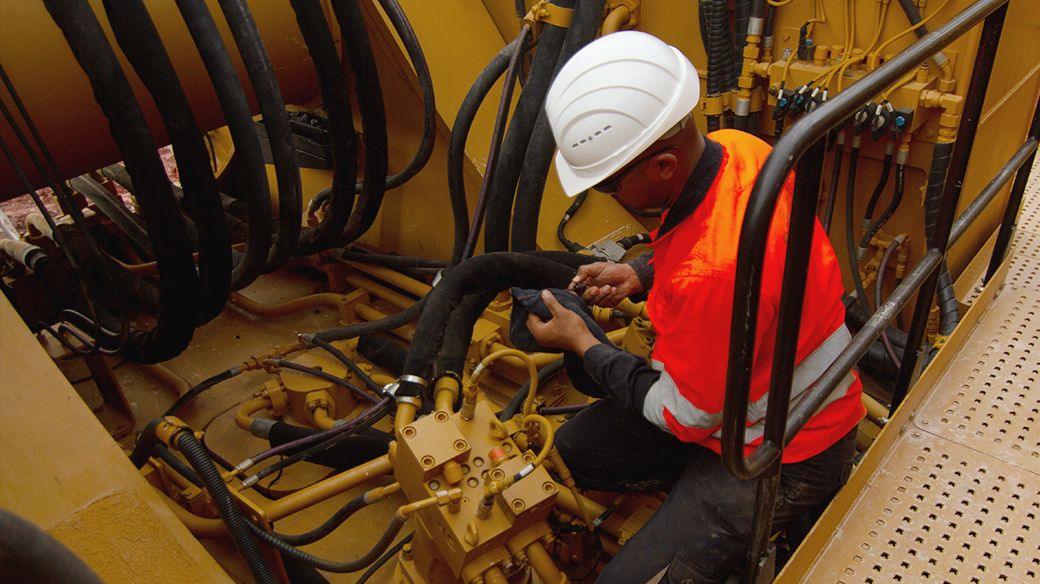
Proper maintenance keeps your equipment reliable and job-ready. Check out these articles for hands-on tips to extend the life of your machine.



Your Business
 North America – English
Caterpillar Brands
- Caterpillar.com
- My Marketing Preferences
- Site Map
- Cookie Settings
- Legal
- Privacy
- Do Not Sell or Share My Personal Information
- Accessibility Statement
- US-English
- © 2026 Caterpillar. All Rights Reserved.