
Warren Cat’s Permian Basin New Engine Rebuild Center - Part 2
November 19, 2025
Parts & Services
Sustainability
About
In this second episode, Warren Cat introduces the new state-of-the-art Engine Rebuild Center designed to meet the growing power generation operations needs of the future.


Warren Cat’s Permian Basin New Engine Rebuild Center - Part 2 - Ep 116 - Transcript
Read the full episode transcript
00:00:02 Narrator
This episode of the Energy Pipeline is sponsored by Caterpillar Oil and gas. Since the 1930s, Caterpillar has manufactured engines for drilling, production, well service, and gas compression. With more than 2100 dealer locations worldwide, Caterpillar offers customers a dedicated support team to assist with their premier power solutions.
00:00:28 Narrator
Welcome to the Energy Pipeline Podcast with your host, Russell Stewart. Tune in each week to learn more about industry issues, tools and resources to streamline and modernize the future of the industry. Whether you work in oil and gas or bring a unique perspective, this podcast is your knowledge transfer hub. Welcome to the Energy Pipeline.
00:00:51 Russell Stewart
Hey, everybody. As always, thanks for listening. I want to welcome back to the podcast a couple of guests that actually had on last week. I've got Steve Plemons, who's the senior VP of Power systems at Warren Catt. And then I have Keaton Myers, who is the field service manager at Warren Catt. Steve, for those who may not have heard last week's podcast, you've got 30 years experience in the oil and gas industry and you've been with Warren Catt, I think, for. Did you say five years now?
00:01:26 Keaton Myers
Yeah, 20 years oil and gas experience and five years with foreign cash.
00:01:31 Russell Stewart
Okay. All right. And so during those five years, you've been heavily involved in a. In a project that you guys are really proud of. And this is what we're, we're highlighting right now. You guys have built a. A huge facility in the Permian called the engine rebuild center, is that right?
00:01:54 Keaton Myers
That's correct. We're about to open a new engine rebuild center located between Midland and Odessa. It's 156,000 square foot facility. About 96,000 of that is shop space. And we're also adding a 48,000 square foot parts warehouse.
00:02:17 Russell Stewart
And you said it was on what, Highway 1788? 1788. Okay.
00:02:24 E
You can see it when you fly in from the south. It's. We've got our. We got our big Warren Cat sign right there on the roof.
00:02:31 Russell Stewart
Really? Okay, so everybody coming in, look for it then. Good. Well, Keaton, I'm glad you. You jumped in there. You've been with Warren Cat. Well, actually, Keaton, you must be smart. You worked for Exxon.
00:02:48 E
I don't know if I'd say I'm smart. I just work hard.
00:02:53 Russell Stewart
And so you left Exxon and came over to Warren Cat to be their field services manager for engine rebuilds, is that.
00:03:02 E
Well, I've had a couple different jobs since I've been here at Warren Cat. I started out in our rental power managing some of our large natural gas power generation assets. From there, I moved over into our packaging division and I ran our, what we call rig up or packaging. We made, you know, offshore gen sets, we package mobile gen sets and then some general power supplies. So we call them hydraulic power units for, for swivels and other things that are going into the oil field.
00:03:39 Russell Stewart
Okay, so we talked a little bit about this with Steve last week. But let's just talk about power generation in general in the oil field and especially from your perspective as a field services manager.
00:03:56 E
So we got. I almost want to break power generation down into two different categories. We've got mechanical power generation where that is an engine turning, some sort of mechanical device, a pump, gas compressor, frac pump, transmission, whatever, you have it there. And then we have, you know, your typical power generation where we're actually generating electricity. You know, the Permian is seeing a huge transition to electric powered frac fleets, drilling rigs, you know, some of our gas, lift, compression and things of that nature are going to electricity. And that's creating a huge power demand for the Permian. You know, there's some studies out there and you know, a lot of people, you know, you measure your power to your house in kilowatts and there's people talking about gigawatts of power needed. In fact, I wouldn't be surprised if we're not talking terawatts with the amount of demand that's going in. You know, there's data centers going in that are, you know, 2.3, 2.5 gigawatts each. So the power demand, the power generation demand that we're seeing out here in the Permian is, you know, almost unprecedented.
00:05:05 Russell Stewart
Yeah. So thus the reason for the engine rebuild center. So what are the most technically significant upgrades in that facility?
00:05:14 E
So, you know, we purpose built this facility to incorporate some of the most advanced and practical technologies available. We really focused on three pillars. Customers, quality, and our employees design emphasizes innovation and operational excellence. So kind of break this facility down into parts, engine rebuild shop, and then our dynos. So our dynos are cloud connected, enables real time data storage and gathering. And then also we can monitor the health and maximize uptime. You know, we built this facility to make sure that we can turn engines around quickly for our customers. And the dynos in our facility are the linchpin. Right. That's how we confirm our quality and confirm what we're doing. And having one of those down, you know, really puts us in a world of hurt. So we, you know, we spent the Money, we cloud connected them. There's real time monitoring for data health, just like we do with our customer and assets. Right. So we're not just preaching you need to have your assets connected. We're actually walking the walk a lot right along with them. Adjacently to our shop, we've got the parts department and we've got the auto store like Steve talked about last week. So it's got robotic automation and it'll enhance our pick times and making sure that we're actually getting the right parts in the back. So when this auto store delivers a bin, if a person that's picking the parts puts their hand in the wrong hole in that bin, it turns the whole thing red. So it's ensuring that when we were fulfilling our customers orders through. Right. Every time. And then, you know, our talking about our employees. Right. This whole thing is climate controlled. So out here West Texas summers, it can get really hot and we're going to have it a nice balmy 72 degrees in there while they're working on, on top of that. Right. So one of the main things when you're building an engine is cleanliness. So with having this thing climate controlled, we're not having all the dust and everything else blowing in, we're able to keep this a really clean facility. So this, you know, essentially it didn't. With this, we're essentially ensuring the integrity of our engines as we're rebuilding them.
00:07:31 Russell Stewart
Absolutely. So you've got the layout, the tooling, the workflow. Y' all carefully designed all that when you put this together. Right?
00:07:41 E
We did. So there's, you know, we've, we've visited some other cat dealers and then we also leverage some foundations that we had from. We brought on an engine rebuild facility in Oklahoma City in 2018. So, so there were some key learnings there that allowed us to, you know, maximize this workout and efficiency. So one of the notable improvements have is we integrated our component rebuild and machine shop directly after our teardown area. So as engines are moving in. Right. They can be, once they're torn down, they go to the machine shop and then they move on to the build space. Basically closely resembling as close as we can get to an assembly line in this, in this type of rebuild strategy. So another thing we did is everything moves via crane. We're using overhead cranes that are capable to move 3,600 on both sides of our building. And that reduces clutter and everything else. And also talking about contamination, not having forklifts running in and out. So an engine will come in on A forklift. And that's the only time it'll ever be on a forklift. In this entire facility. We have some specially designed carts and other things that help us move these things around. And then one of the other big pieces of technology and flow that we installed is we put in block rotators. So historically we have built 3006, hundreds on jack stands just because of, that's the technology we had. But now we can actually take a full size 3616, which is, you know, 5500 horsepower block, weighs, you know, 45,000 pounds, just the block. And we can put the rotating assembly in it with the guys standing up in a proper working position. And so, you know, that there just that, that it allows so much more efficiency, time save by working in the right position, getting things where we need to.
00:09:43 Russell Stewart
Well now it sounds to me like not just deficiency, that's a whole, sounds to me like it's a whole lot safer for the workers.
00:09:51 E
Is absolutely safe. That's one thing. You know, we want to reduce physical strain on our technicians the most we can. We don't put them in the proper working positions and just make things, make things better for them overall.
00:10:04 Russell Stewart
That's great. Okay, so you know, from a customer's perspective, turnaround time and consistent service, that's really critical. And so these changes that you're talking about translate into some real world improvements for your customers, right?
00:10:27 E
Yes sir. So combining optimized design, layout, modern equipment in this facility, this is going to enable us to rebuild high quality engines and significantly less time. You know, one of the most critical components, the rotating assembly in the bottom of the engine is now assembled in a position that we can consistently and easily inspect. So now we can ensure repeatable quality every time. You know, other things that we've done is brought in our in house machining. This eliminates days associated with transportation, you know, sending blocks to outside third parties and getting a machine that reduces that lead time. So you're basically going to save at least a day or two days, you know, a day out, a day back in, plus whatever lead time we have at our third party. So you're probably looking at three to four days minimum reduction in our turnaround time. You know, also having we, our current facility that we're rebuilding engine in has two dynos. We're, we're doubling that capacity. We have four dynos, three of them being, you know, our large 9,000 horsepower dynos that are capable of all of our engines and then one 4000 horsepower dyno which will do up to our 3608 engine size. So we basically reducing our wait time coming in, reducing the wait time going out to third parties. And then also we're streamlining our build times by implementing new machines and then having no wait at the end of the process to get your engine tested. So through all this we're streamlining it and making a quicker turnaround times and making sure that we're turning out a high quality product every time.
00:12:18 Russell Stewart
Well, that's impressive. Okay, so you've got this state of the art world class facility. It's bigger and better and got all the right layouts and tooling and workflow and all that sort of thing. What about the people talk about the technicians and training and development of them and that sort of thing?
00:12:45 E
Yeah, so people are our most important asset. You know, you heard Steve say it last week. I'm going to say it again. You know, the technical training is going to be critical to the success of this building or to this engine rebuild center. To meet the demand of this facility, we plan on hiring about five times the number of technicians that we have currently employed. You know, that's a really ambitious goal to find high, high, high demand and highly skilled labor, especially in the Permian basin. So through that, Warren Cat will leverage some of our partnerships with local trade schools. And then we also have a really cool program called Warren U training program where we recruit people and technicians, some of them, you know, right out of high school, and develop their talent. Once they get through, you know, whether they're a skilled technician or they're coming out of Warren U, they're going to receive continuing training through, on through mentorship and then onboard, you know, hands on training to support their growth not only as engine specialists but also in broader career paths. So our vision is to have a build team of over 300 highly qualified engine technicians that deliver quality rebuilds with quality and pride seven days a week.
00:14:09 Russell Stewart
Okay, so you're looking, you're looking to have 300 people working in this facility.
00:14:14 E
So that is just rebuild technicians. We'll have additional parts people and you know there's probably going to be well over five or six hundred people that are using this facility because we'll have 300 technicians in there building engines. You'll have, you know, probably close to another hundred support staff, whether it's parts runners, machinists, different people that, that nature. And then we'll have an additional, you know, 200 eventually. Our goal is to have another 200 field service technicians, you know, and we're all located here on the same campus at 1788.
00:14:51 Russell Stewart
Okay, so how many do you have now?
00:14:54 E
So we have 70 field technicians and about 70 shop technicians.
00:14:59 Russell Stewart
Wow. So you're talking about, you're talking about a significant impact on job creation and career opportunities in that, in that region and your time frame. What did you say? Did you say or did I miss that?
00:15:14 E
No. So, so our kind of, our, our goal is a five year plan. Um, that's what we work on. In five years we plan to have, you know, running three shifts of a hundred each in each shift in the ERC itself and then you know, 200 field service technicians out in the field.
00:15:31 Russell Stewart
So. So three shifts. So you'd be going all the time?
00:15:34 E
Well, we, we would run, run two shifts. You know, an 8 to, you know, probably a 6 to 5 or 6 to 3 and then a 3 to 11 and then probably a weekend shift as well. That would be the third shift not running 24 7.
00:15:49 Russell Stewart
Okay. All right. Yeah, but that's quite a bit of. You're running a lot on that particular schedule there.
00:15:54 E
Yep. So, so we've got to meet our customers have demand and we have to meet it. So our goal is to make sure that there's not an engine that leaves the Permian Basin.
00:16:05 Russell Stewart
Well, there you go. That's, and that's, that's quite a commitment. And so Steve, you've been, you've been kind of working on this. This has kind of been your baby the entire time, right? Yeah, in a way.
00:16:23 Keaton Myers
I've changed roles over the last few years within Warren and then just kind of recently inherited over this year and, but, but have been involved in the process. I've spent most of my career in sales and, and so dealing directly with the customer and kind of the input that they've had and the needs that they have. You know, so I've been part of the process, but yes, now it's kind of my baby.
00:16:53 Russell Stewart
Well, that's great. And Keaton, with your mechanical engineering background, you've played a significant role in this too, right?
00:17:01 E
Absolutely. You know, been involved in multiple different pieces of this facility. Really focusing on that when we bring this thing online, it provides the impact and does exactly what we want it to do.
00:17:16 Russell Stewart
And it sounds like you guys have sounds like it is going to do exactly what you want it to do. And I'm tickled to death to have been able to get this information out to everybody and introduce Warren Cat and you guys commitment to power generation in the Permian, which is as you talked about earlier, Keaton, is just the need for that is just getting greater and greater and greater. And, and, and you mentioned something about electric. We're also getting more environmentally friendly about all this too. Right?
00:17:52 E
We are. So, you know, you take and look where we came from. You know, we started, you know, probably, let's see, Tier 4 final came out in 2004 or 2010, implemented in 2014. Before that we run into Tier 2. You know, the big impact of CO2e and getting those emissions down. You know, we're running natural gas completely, which is less emissions overall. We're going to continue to push that way. You know, there's going to be more need for electricity. More centralized power generation leads to higher efficiencies, which leads to less emissions overall. So, you know, as we continue to grow and get bigger, will have more centralized things that will reduce our emissions and make things a lot better for everybody around the world.
00:18:42 Russell Stewart
Well, that sounds great, Steve and Keaton, I really appreciate you guys taking time out of your day to, to do this and to share this information. Just maybe a little plug for Warren Cat. Are you guys, you. We're all. Is Warren Cat. How big are you guys?
00:19:05 Keaton Myers
Yeah, I'll take that. So, so we are West Texas. So we've, we mainly serve Permian, San Angelo, Abilene, Wichita Falls, all the Texas Panhandle, Lubbock, Amarillo and then the entire state of Oklahoma.
00:19:21 Russell Stewart
Okay.
00:19:22 Keaton Myers
We have roughly about 2,300 employees scattered throughout.
00:19:26 Russell Stewart
Wow. Okay, well we'll put, we'll put your. Steve and Keaton will put your LinkedIn URLs in the show notes so people can reach out to you if they would like to visit with you further. We'll put Warren Cat's website in there. People can, can reach out to Warren Cat. And one final time, Steve and Keaton, thanks for coming on and everybody out there, as always, thanks for listening. Tell your friends to listen posts on LinkedIn, leave reviews and we'll see you next time.
00:20:00 F
Thanks for listening to oggn, the world's largest and most listened to podcast network for the oil and energy industry. If you like this show, leave us a review and then go to oggn.com to learn about all our other shows. Don't forget to sign up for our weekly newsletter. This show has been a production of the oil and gas.
of
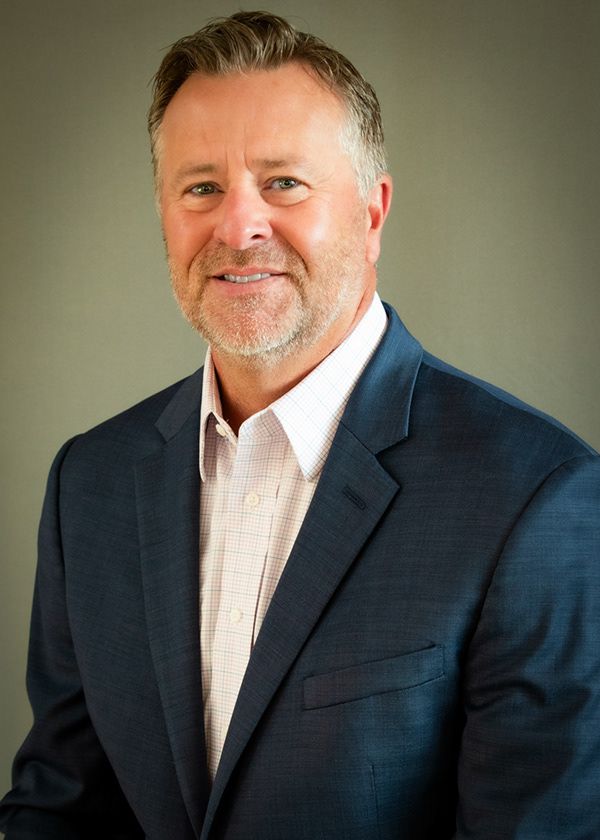
Steve Plemons
Guest
With 17 years of experience, including five years with Warren CAT, Steve Plemmons has built a progressive leadership career in the Power Systems industry. He currently serves as the Senior Vice President of the Power Systems Division (2025), following his roles as Vice President of Product Support – Power Systems (2023) and Director of Product Support Sales – Power Systems (2022). Prior to these positions, he led regional operations as Regional Sales Manager for Texas – Power Systems beginning in 2020, and earlier as Regional Sales Manager for Oil States Energy Solutions starting in 2008. Steve’s career began in entrepreneurial leadership as President of Plemons Golf Sales in 1996. He holds a Bachelor of Science in Psychology from Texas Tech University.
of
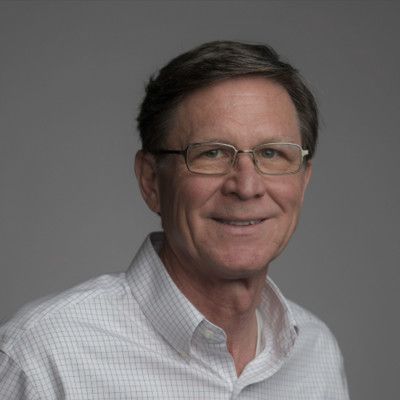
Russell Stewart
Host
Russell Stewart is a podcast host for the Oil and Gas Global Network (OGGN) and a Managing Member of Environmental Recovery Oilfield Services & Consulting, LLC, distributing specialty chemical products from TETRA Technologies to remediate hydrocarbon and produced water spills. With over 40 years of experience in marketing and sales development, Russell has built new companies and markets, served as a sales consultant and manager in various industries, and taken two start-up sales opportunities to multi-million dollar annual revenue.
Russell entered the Oil & Gas industry in 1997 as General Sales Manager for a specialty service company, setting up its marketing plan. He is a current Board Member and past Chairman of the API-Houston Chapter, supporting six scholarship funds in Petroleum Engineering at several universities. Over his career, he has been a featured speaker on leadership, life coaching, ethics, and positive perspectives on the Oil & Gas industry.
Russell hosts the OGGN HSE Podcast, one of the top-ranked industry HSE podcasts globally, exploring health, safety, and environmental topics with expert guests. He also hosts OGGN’s The Energy Pipeline Podcast, sponsored by Caterpillar Oil & Gas, which delves into issues impacting the industry.
Russell is married to his high school sweetheart, Cindy, and has two grown children and five grandchildren.
LEARN MORE ABOUT CATERPILLAR OIL AND GAS
Your Business
 North America – English
Caterpillar Brands
- Caterpillar.com
- My Marketing Preferences
- Site Map
- Cookie Settings
- Legal
- Privacy
- Do Not Sell or Share My Personal Information
- Accessibility Statement
- US-English
- © 2026 Caterpillar. All Rights Reserved.