
Scaling Electric Frac & Hypermobile Power
March 12, 2026
Parts & Services
Sustainability
About
From bold idea to top U.S. pressure pumper, Evolution Well Services shares its journey, electrification push, AI innovation, and culture-driven edge.

Scaling Electric Frac & Hypermobile Power - Ep 122 - Transcript
Read the full episode transcript
[00:00:00] Host
Welcome to the Energy Pipeline Podcast, sponsored by Caterpillar. My name is Josh Lowry. We are coming to you live from the Daniel Energy Partners Thrive Energy Conference powered by Upright Digital. That is a mouthful. Steven, I always tell people my least favorite part of podcasts is the intro. There is a lot to memorize, and it is so much easier to look at you and have a conversation.
[00:00:30] Guest
That is right.
[00:00:32] Host
Thank you for doing this show. We are here at the DEP Thrive Energy Conference. Have you been to this event before?
[00:01:00] Guest
We have attended since the beginning, I think.
[00:01:06] Host
You have seen the growth. This is 2026, and the first one was 2021 coming out of COVID. Do you remember that show?
[00:01:16] Guest
I do not remember it specifically, but I remember how it felt and how things worked back then. It has grown a lot.
[00:01:28] Host
People were excited to be back together. The oil and gas community is such a community, and it was great to be together again. How long have you been in oil and gas? Can you give the audience some background? And I should also properly introduce you. You are the CEO of Evolution Well Services. How did you get to this position?
[00:02:00] Guest
When I finished graduate school, I went into public accounting. I studied accounting and finance, and many of my clients were in power and energy, with a significant presence in oil and gas. I have been around that community and in client service for over a decade. When I joined our company, I got deep into those relationships and came to appreciate the community. I started with our group 16 years ago. Evolution started about 15 years ago. Events like Thrive create a real sense of community. It feels like a reunion when you see people, whether they are vendors, customers, or competitors.
[00:03:00] Host
Evolution has been around 15 years. Can you explain what Evolution is?
[00:03:07] Guest
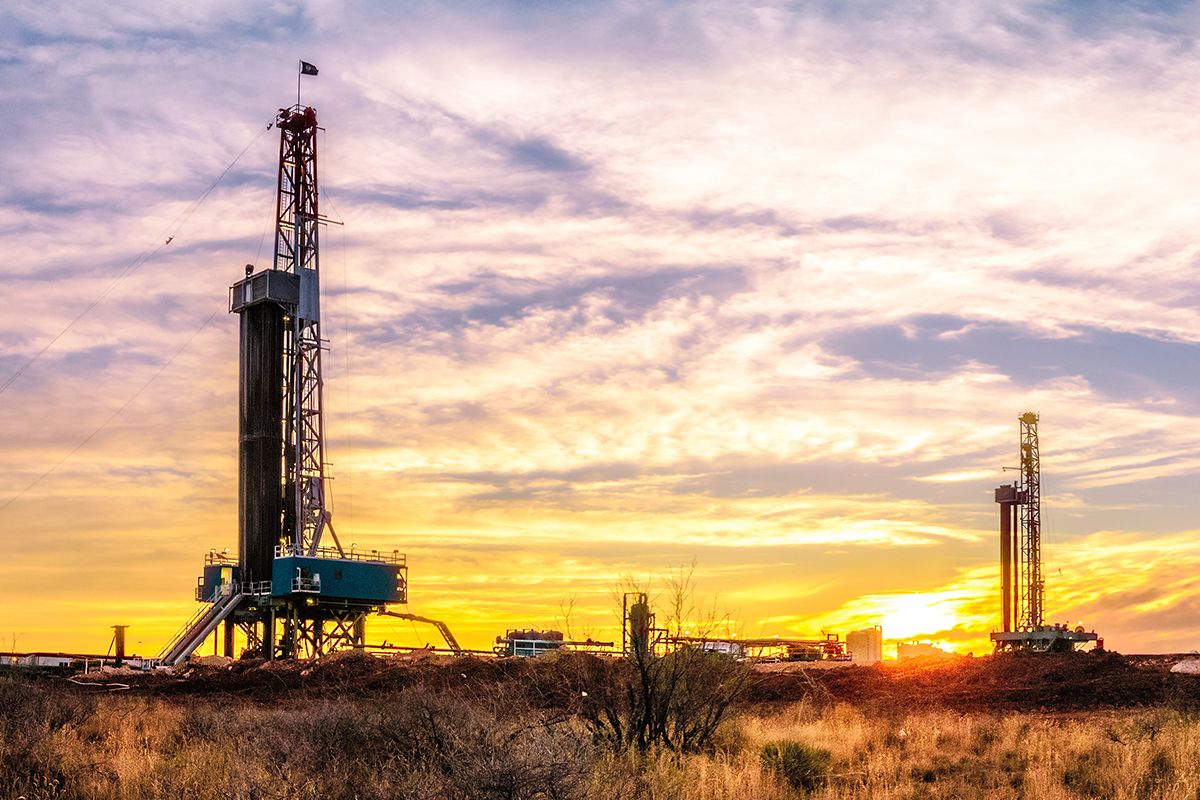
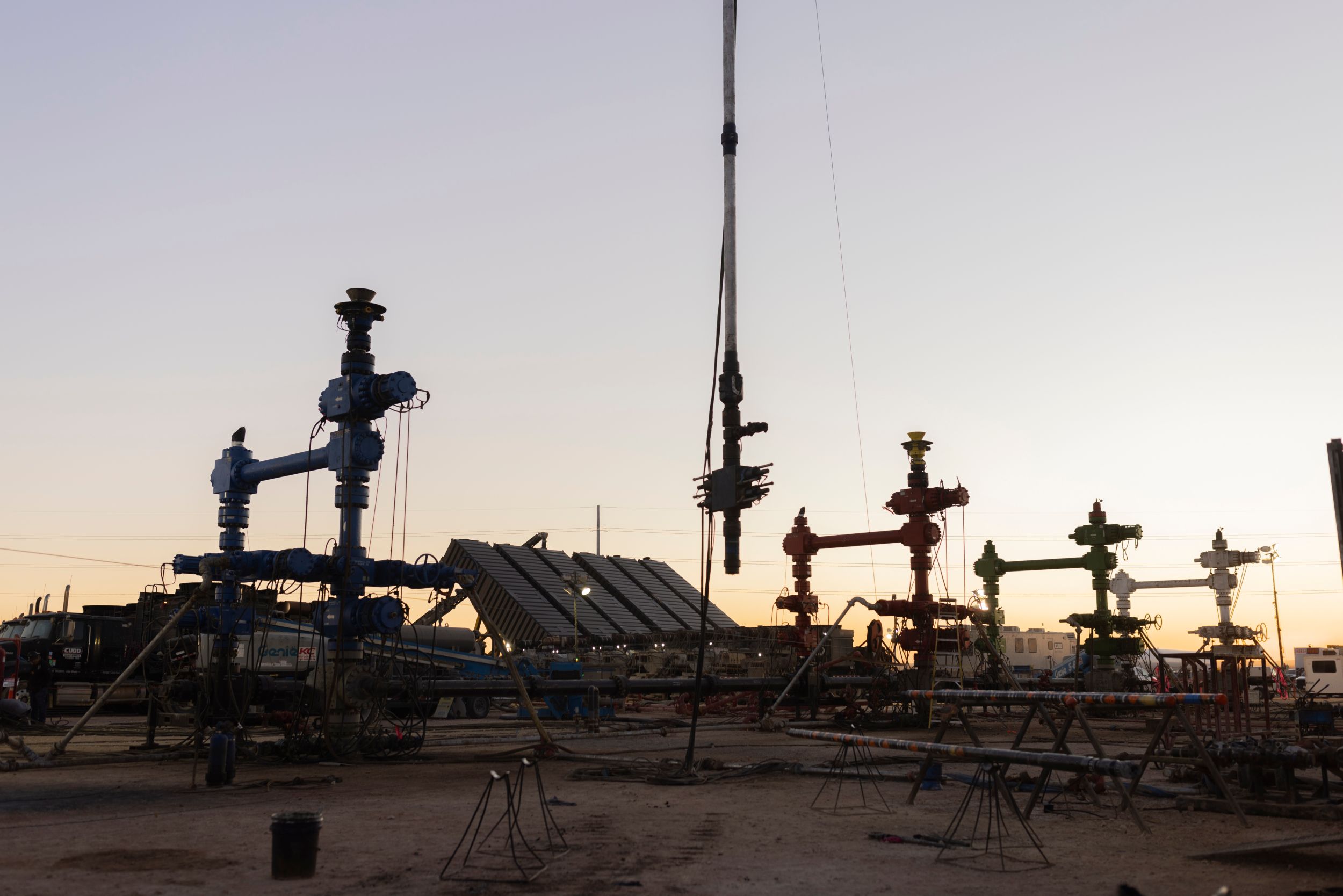
We do electric hydraulic fracturing. We pioneered the technology. We started the business in Canada in 2011. It began with a customer relationship, and we developed the technology from there. In late 2013 and 2014, we brought the operations to the US and redesigned the equipment for the US marketplace, where mobility is essential. We fracked our first stage in summer 2016. By the end of this year, we will have almost 1.6 million hydraulic horsepower in the US and close to a gigawatt of power that we own, designed, engineered, and built to power our fleets.
[00:04:00] Host
One of the most impressive parts is the ability to move highly technical equipment on back roads and still keep it within tolerance. What does a move look like today versus earlier on?
[00:05:00] Guest
Early on, we thought the only power generation option that made sense was an aeroderivative solution you could buy or lease from General Electric. It took about five trailers to mobilize and about two weeks to install and commission. That could work in Canada, but in the US it did not fit the mobility requirements. So we redesigned the power generation, the trailers, and the pumps. Today we have 7,000 hydraulic horsepower on one trailer. It moves as quickly as a conventional pump trailer. The power generation was always the challenge and was viewed as a negative for electric frac because it slowed moves. We solved that by redesigning and patenting power generation equipment, taking technology used elsewhere and applying it to frac. We can decommission and recommission 35 megawatts of power in 14 hours, and we do it repeatedly. We design and engineer the equipment to handle harsh field environments, and we move it every two weeks.
[00:07:00] Host
Fourteen hours versus two weeks is a major change.
[00:07:05] Guest
It is. I remember when vendors would quote $300,000 to move equipment with a three week schedule. If you wanted it in two weeks, it was $400,000 to $450,000.
[00:08:00] Host
What was market adoption like then? First movers are either seen as crazy or brilliant.
[00:08:08] Guest
It took patient capital. We had an E & P business when we started Evolution, and our customers today were the same type of customers we were before. Getting into frac was a form of integration to control costs and increase flexibility. When we launched Evolution, there was massive skepticism, especially from competitors, because the technology threatened a large base of conventional assets. The response was expected. What helped was that we had select operators who were not skeptical and who leaned in. We built partnerships that delivered value from safety, operational, and economic standpoints, and they are still partners today.
[00:10:00] Host
The industry has changed a lot in the past five years. Customers seem more favorable to approaches that recognize things cannot stay the same. Are you seeing more inbound interest and more collaboration?
[00:10:10] Guest
Yes. We have proven scale and value broadly enough that we are no longer seen as niche. We operate in diverse geographies, and it works everywhere. There are fast adopters and slow adopters. Over time, the industry has realized the technology is not risky and creates value. When you collaborate, you unlock value you did not expect, including digital capabilities and savings.
[00:12:00] Host
What do you mean by digital capabilities?
[00:12:05] Guest
Automation and data. Electric platforms have many more data nodes than conventional assets. If you can collect, process, and deliver actionable insights to technicians and operators quickly, you gain much more control. With electric equipment and VFDs you have far greater control than with conventional transmissions. That helps optimize completion execution in real time. The industry has become more digitally mature, and we have as well. That has contributed to broader adoption and inbound interest. We are now the fifth largest pressure pumper in the US.
[00:14:00] Host
Your positioning feels different now. More public.
[00:14:05] Guest
That is true. We stayed very focused early on. Existing customers could consume the scale we were adding, and we prioritized them. There was not a need to be public. Over time, as we scaled and the market adopted the technology, our communications evolved. I did not do podcasts or presentations until the last couple of years.
[00:16:00] Host
A big topic right now is AI. Is that something you are working on?
[00:17:00] Guest
Yes. We have invested in machine learning for five or six years. The electric platform lends itself to automation. We will be more public about certain technologies later this year. We pride ourselves on partner focused solutions. We are not just a service company. We develop solutions. The technology and patents show that, including digital patents. The goal is to create a platform that customers can interact with directly and use for decision making.
[00:19:00] Host
Is there a new technology or equipment area you are most excited about?
[00:19:10] Guest
We are excited about applying technology developed in the rigorous oilfield environment into adjacent areas like behind the meter power and power as a service, including data centers. We are leveraging the same engineering capability, patents, and technology across a broader portfolio. We are also focused on automation to optimize safety and performance, not simply remove people from the system.
[00:21:00] Host
Do you view Evolution as a well services company or a technology company that provides well services?
[00:21:08] Guest
We are a solutions business that innovates. Everything we do centers on safety and capital efficiency. We build a culture where people are comfortable innovating, making mistakes, and learning. You cannot succeed every time, so you need the balance sheet and approach to fail fast and keep progressing. We continuously reinvest to stay ahead and expand the value we deliver.
[00:23:00] Host
How much of that is your leadership style? How do you support that?
[00:23:08] Guest
We are culturally sensitive. We try to connect the needs of customers with the needs of our people. Innovation is one of our core cultural pillars. We use a culture framework as a North Star for decisions. We build strategy out of culture, rather than the other way around. We also actively seek feedback from the field and engage employees in improving how we operate and innovate.
[00:25:00] Host
What happens in the next five to ten years?
[00:25:06] Guest
Automation and AI will drive a lot. Electrification and power generation will matter more. We currently move power with our equipment, but we will not always have to. More private and public infrastructure will be built. You will need the ability to pull power in remote places and support operations more efficiently.
[00:26:00] Host
Do you see international expansion?
[00:26:06] Guest
We are North America focused today. We evaluate international opportunities. Timing depends on risk profile, infrastructure, logistics, and customer adoption. To extract full value from our technology, you need the right fuel, infrastructure, and execution environment. We still have runway domestically, and we will consider international growth when timing and conditions make sense.
[00:28:00] Host
Efficiency is the theme.
[00:28:06] Guest
It is. Everyone is getting more efficient and doing more with less. That creates risks for parts of the sector that are not delivering value over time.
[00:29:00] Host
What else should people know about you and the company?
[00:29:06] Guest
We focus on people and culture because it is a competitive advantage. It drives low voluntary turnover, which is a key KPI for me. If you solve turnover, many other execution challenges become easier. We seek feedback, communicate transparently, and take hard questions. We want credibility. We tell people what we will do, then we do it. That builds trust so that when we make a decision someone may not agree with, they still trust there is context they do not have.
[00:31:00] Host
If you could give advice to your younger self, what would it be?
[00:31:06] Guest
Self awareness. Invest time in being introspective. Do not try to be something you are not. Know your leadership style, fill gaps with people who have complementary skills, and empower them. Early in my career I tried to be everything to everyone, and I was less successful where it was not true to who I am. It is freeing to acknowledge where something is not your strongest skill set.
[00:33:00] Host
Thank you for joining. And thank you to Caterpillar for sponsoring. Thumbs up from our Caterpillar friends in the back.
[00:33:20] Guest
Thank you for having me. Thanks to the conference team for putting this together.
[00:33:30] Host
If you have questions, look us up on social. This podcast is also available on the Caterpillar Oil and Gas website. Thank you for your time, and good luck with the rest of the show.
[00:34:00] Guest
Thank you. I appreciate it.
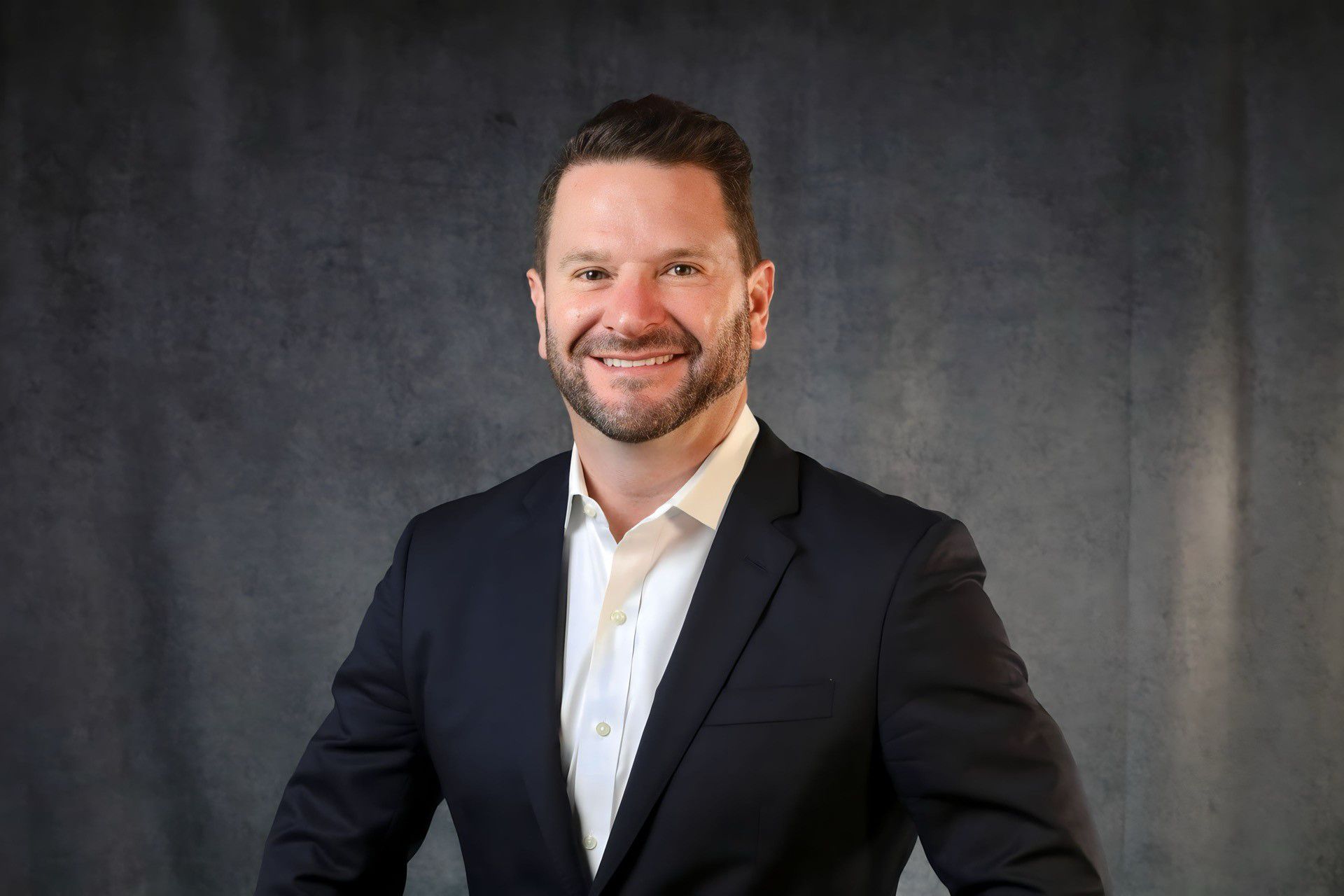
of
Josh Lowrey
Host
Josh Lowrey is a business leader and entrepreneur who brings a real-world leadership perspective to conversations at the intersection of technology, energy, and execution. He is the co-host of The IT Crowd, the technology podcast for ClearSync Solutions, where he leads discussions on cybersecurity, innovation, and enterprise technology strategy, and the host of The Energy Pipeline podcast sponsored by Caterpillar, focused on the technologies, equipment, and people powering modern energy and infrastructure. Josh is the founder of Upright Digital and Galtway Industries, and a co-founder of Daniel Energy Partners, with investments spanning Breaker 19, Clarity Ice, and Essential Safety PPE, the largest manufacturer of medical gowns for the U.S. government. Across his work, Josh connects hands-on experience with forward-looking insights on how technology and execution drive long-term value across the energy and industrial ecosystem.
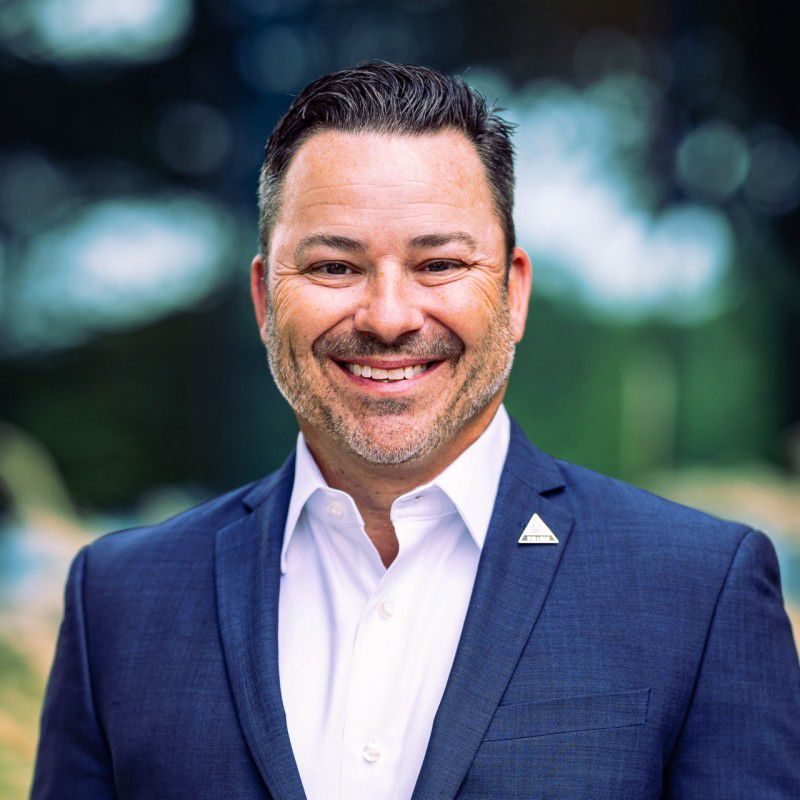
of
Steven W. Anderson
Guest
Steven W. Anderson is a founding executive and serves as President & CEO of Evolution Well Services (“Evolution”). Evolution is a privately owned and fully integrated technology and services company focused on delivering engineered solutions to its partners and the energy industry as a whole. Founded in 2011, Evolution is the pioneer and market leader in electric hydraulic fracturing. In addition, Evolution engineered, developed and packaged ultra-mobile large scale power packages for use in its hydraulic fracturing service delivery. Evolution’s broadly patented technologies are some of the most impactful advancements in the oilfield in decades, in terms of overall technological development, economic benefits and reduction in emissions. These solutions deliver the market’s highest level of value in terms of economic, operational, environmental and safety benefits.
Prior to his current role, Mr. Anderson was the CFO for a group of affiliate companies in addition to Evolution. They include Beusa Energy, an upstream oil and gas business and a private investment company. Additionally, Mr. Anderson, spent the first 12 years of his career in public accounting at KPMG, LLP, a global “Big 4” accounting firm. Primarily serving energy and power clients, he ultimately became a Managing Director, the regional practice leader and held a national leadership role in his area of expertise.
LEARN MORE ABOUT CATERPILLAR OIL AND GAS
Your Business
 North America – English
Caterpillar Brands
- Caterpillar.com
- My Marketing Preferences
- Site Map
- Cookie Settings
- Legal
- Privacy
- Do Not Sell or Share My Personal Information
- Accessibility Statement
- US-English
- © 2026 Caterpillar. All Rights Reserved.