
Revolutionizing Pressure Control Solutions
December 3, 2025
Parts & Services
Sustainability
About
Explore the evolution of oil and gas pressure control, from traditional flow iron to large bore systems, highlighting gains in safety, efficiency, cost savings, and automation.


Revolutionizing Pressure Control Solutions - Ep 118 - Transcript
Read the full episode transcript
00:00:03 Narrartor
This episode of the Energy Pipeline is sponsored by Caterpillar Oil and gas. Since the 1930s, Caterpillar has manufactured engines for drilling, production, well service and gas compression. With more than 2100 dealer locations worldwide, Caterpillar offers customers a dedicated support team to assist with their premier power solutions.
00:00:28 Narrator
Welcome to the Energy Pipeline podcast with your host, Russell Stewart. Tune in each week to learn more about industry issues, tools and resources to streamline and modernize the future of the industry. Whether you work in oil and gas or bring a unique perspective, this podcast is your knowledge transfer hub. Welcome to the Energy Pipeline.
00:00:51 Russell Stewart
Hey everybody. As always, thanks for listening and thanks to Caterpillar Oil and Gas for sponsoring the podcast. And today I actually have someone from Caterpillar Oil and Gas. She's the senior Business Development Manager for Pressure Control Solutions. Her name is Jill. And Jill, you'll have to help me with that last name.
00:01:13 Jill Minassian
It is Manassean. Everybody gets it wrong.
00:01:17 Russell Stewart
Oh, do they? Okay, so and Jill, you are, as I said, Senior Business Development Manager, but it's spm Pressure Control Solutions, is that right?
00:01:30 Jill Minassian
Yep, that's correct.
00:01:33 Russell Stewart
So spm, what is that? Who is that?
00:01:36 Jill Minassian
I'm glad you asked that. It's a very common question that I get. So SPM is a Caterpillar company. It's a company that we acquired around four years or so ago. And so everybody knows cat, of course, oil and gas for the engines and the transmissions and then what SPM brings are, are basically pumps and then everything from the pump to the wellhead. And we have some other products too, like our Mathena Surface Control and we have Kemper unions and, and things like that. But big broad range of products that support completions and drilling service operations. Full field service as well.
00:02:21 Russell Stewart
Okay, so how long have you been with Caterpillar?
00:02:24 Jill Minassian
For Caterpillar, I've been with for 17 years and a lot of that's been spent in procurement supporting engines from the smallest ones we make up to the biggest ones we make. And then I moved over to oil and gas a couple years ago and it's been one of the funnest times of my career.
00:02:46 Russell Stewart
Well, good. Great for you. Now this will be audio only. Probably it won't get on any YouTube channels, but we have the video on right now. So I'm looking at you. If you've been with Kat for 17 years, you had to start it when you were about 12 years old.
00:03:03 Jill Minassian
You're so kind. No, you're so kind. I was kind of a semi mid career in a way.
00:03:11 Russell Stewart
Oh really? So where'd you go to school?
00:03:13 Jill Minassian
I have a bachelor's degree in political studies from the U of I Illinois, and then I have an MBA from Millikan University here in central Illinois, Decatur.
00:03:27 Russell Stewart
And so that's where you are right now, you're in central Illinois?
00:03:30 Jill Minassian
Yep, in the Peoria area, where Caterpillar still has a really big presence.
00:03:34 Russell Stewart
Okay.
00:03:35 Jill Minassian
So lately it's been Peoria and an airplane to the major oil basins and of course, where CAT Oil and Gas headquartered. Headquarters is in Houston, and then SBM is headquartered in Fort Worth.
00:03:49 Russell Stewart
Okay, well, you spend a lot of time in Texas then?
00:03:51 Jill Minassian
I do, yeah.
00:03:53 Russell Stewart
Okay, well, great. Okay, so pressure pumping operations. I'm an old mud engineer. I know a little bit about pressure pumping operations on. On a rig. We're primarily going to be talking about pressure pumping operations on frac sites. Is that right?
00:04:15 Jill Minassian
That's right.
00:04:16 Russell Stewart
Okay. All right, so I've been on a few of those as well, and I've seen all the, the stuff that goes on with traditional flow iron setups. And so you guys have actually figured out how to, to shift away from traditional flow iron setups, is that right?
00:04:39 Jill Minassian
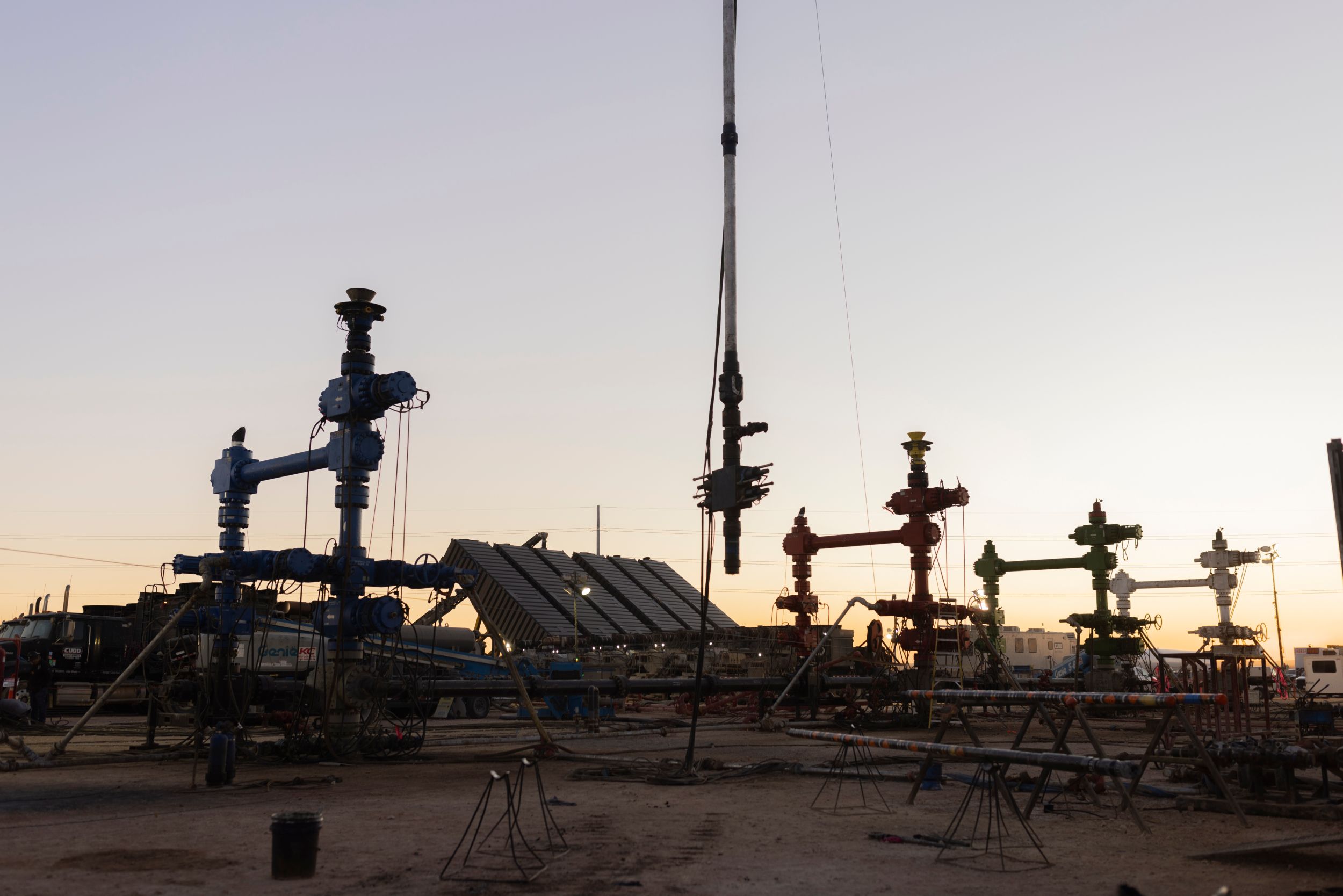
That's right. It's been an exciting kind of last five years to see how this transition has evolved. But yeah, you're right. When you used to go to a frac pad, you'd see hundreds of pieces of 3 and 4 inch iron all over the frac pad. And it's slowly transitioned. While there's still some of that here in North America, for the most part, it's transitioned to more of the large bore iron. And we introduced our first large bore missile, I want to say, in around 2017, 2018 timeframe, and it's been growing since then. And we've seen, of course, a really large scale adoption of that large bore iron. And that's for a lot of reasons.
00:05:27 Russell Stewart
Okay, well, let's talk about some of those reasons. So, so what's prompted this shift away from the traditional to what you're talking about here?
00:05:34 Jill Minassian
So you, I mean, you know, of course, you've been in this industry for so long, you know, it's forever a quest for greater efficienc or more safety. So we're on a constant drive to achieve better and better in those spaces. And so this transition touches both of those areas. So first, when you have hundreds of pieces of flow iron, it takes way longer to set up. So now we've seen where, you know, it was taking two and three days to set up iron on a pad. It's of course Way, for the most part, way less than 24 hours at this point. And then of course there's the safety aspect to that as well. When you have hundreds of pieces of flow iron on the pad, there's more things for people to trip over and of course more leak points. And so anytime you have more leak points, usually that ends up some point giving you more leaks. And then we've got people in the red zone or we've got to shut down operations, which is what we never want to do.
00:06:40 Russell Stewart
Exactly. Okay, so there's, there's some kind of special architecture to this thing that, that, that makes this thing more efficient and makes everything safer.
00:06:57 Jill Minassian
Yeah, I mean, just the large, large bore in general and our missile, you know, the steel, the materials that it uses, very robust. So it stands up to the abrasive proppant much better than other systems. But of course, much better than 3 and 4 inch flow iron. So it lasts longer and it's just built for the job.
00:07:24 Russell Stewart
Okay. And this is a single support pressure control operation.
00:07:30 Jill Minassian
Yeah, we are one of the only pressure control businesses that has, that can provide almost everything from an iron standpoint on the, on the frac site. So that's when we say, you know, we are single sport, single source, you know, that's what we mean. Meaning we can be. We are the one vendor that can come out and set up both your large bore missile and your frac stack and zippers. And also we're doing a lot of remote line as well. So any iron need you have on the pad, we can pretty much do it all. And when you have that one single line vendor, it's just le. It's easier for the customer. It's less issues with coordination and it's more efficient in terms of rigging up and, and rigging down because we have basically the same team on site to do both.
00:08:26 Russell Stewart
Okay, well, I can see how that would, that would really, that would really simplify things because, you know, communication between lots of different sources that. That's inefficient and oftentimes not very safe as well.
00:08:47 Jill Minassian
Right, that's right.
00:08:50 Russell Stewart
Okay, so walk me through how this, how this works.
00:09:00 Jill Minassian
So in terms of like how our equipment works and you know, how it would typically flow. Yeah, sure. So when we get a job or new customer, it's. One of the great things about using our services is that we've got fleet managers that will reach out to you and understand what your whole site layout plan to be. If you want suggestions, we're happy to give them. As you Know, we've, we've done a lot of this type of work and we've kind of seen what works better in some cases than others. And we work really well with the customers to figure out ultimately what's the best layout. So we'll figure out what your frac schedule is when we need to be there. And of course that changes quite a bit. So there's a lot of communication leading up to the rig update. We coordinate with our own field service team to be out on the job with the right equipment. And when we're rigging up the whole site, we have our full large bore missile system that we're using today. In conventional setups we have Simo fracs, we've done trimofracs and coming into next year, more and more quad fracs. And then of course the perpetual pumping that everybody is wanting to move towards. It seems like in the Permian. So we are depending on the setup, bringing that amount of equipment out there. We come out, do the pre job, work with all the other vendors on site and determine the best course of action. We go out there, rig it up the missile and our larger, so the large bore missile, the frac stack and the trees, and then of course, remote line if needed. It depends on if we're doing multi pad setup or not. So the point is we're pretty flexible. So whatever setup you have, we can figure out what equipment you need and get it there and get it ready for you. And so that's on the first time. What usually happens is we get a customer for the first time, we keep them for the next time, and then that therein starts the cycle. And one of the benefits of using our service is that when you go, when the pressure pumper is ready to go to the next pad, we're already going to be there, set up with the equipment that they need. So they're going to roll in and just pull up, hook up their pumps to the equipment and then they're going to be able to start pumping. So we've reduced pad transition times pretty significantly for our customers by doing that, but that's pretty much it. We figure out what the customer wants and needs, make a few suggestions if they want them, and then go out, rig it up and then get ready for the next job and just keep it moving.
00:12:06 Russell Stewart
Okay, so that speaks again to efficiency and time savings, which is of course part of efficiency. What about the costs? Is that, are you helping on that too?
00:12:25 Jill Minassian
Yeah, we're hearing from our customers some really significant cost reductions and we're so happy to be able to help deliver that for them. So first, it starts with the valves. So we use gate valves for both the frac stack setups, of course, but also in the perpetual pumping operations. And we are using predominantly greaseless valves, and so they don't need grease, which means that they're saving two and $3,000 each there in Greece. So that's been a huge transition and something that the customers have really loved and how those are performing. And we're also saving them time in the pad transitions, like I mentioned before. So instead of them, a pressure pumping. Pressure pumping. Coming to the pad. Pressure pump for coming to the pad.
00:13:20 Russell Stewart
And. Yeah, say that three times in a row.
00:13:22 Jill Minassian
All right, tongue twister for you today. And then having to have their guys set up their missile equipment. It's already there, ready for them. So, you know, pressure pumpers, for the most part, are paid by the pumping hour. They're able to go from one pad, come to the next pad and start pumping right away, which means they're making more money and saving time. So a lot of different ways we're saving in the rig up and the rig down, we can save, of course, when we have the full site solution. So the large bore missile and the frac stacks and zippers as well, because when we're more efficient, then we can pass that efficiency savings on to the customer.
00:14:08 Russell Stewart
Now, I think you used the term perpetual pumping. Did I hear you say that?
00:14:12 Jill Minassian
Yep.
00:14:13 Russell Stewart
Okay, talk to me about that.
00:14:16 Jill Minassian
It's perpetual pumping is when, you know what you know, of course, going back to the quest for ever more efficiency.
00:14:26 Russell Stewart
Right.
00:14:26 Jill Minassian
It's how, you know, the customers do not want to shut down. They just want to keep pumping. And it's, you know, being able to there to support that setup with the iron for them to be able to not shut down operations when they have to perform maintenance on the pumps.
00:14:46 Russell Stewart
Okay. All right. Yeah, that can be a huge advantage.
00:14:49 Jill Minassian
Yeah. So we've set records. We've helped our customers set records in terms of perpetual pumping. So, you know, we've seen many, many days of just perpetual pumping, which is awesome. And it's just so fun to just keep breaking records with our customers.
00:15:10 Russell Stewart
Oh, that's great. So, Jill, all this new architecture you guys have introduced and all this efficiency and safety and perpetual pumping and that sort of thing, you're doing that. You're doing that in the Permian basin. You're doing it in all the basins across North America. Where are you?
00:15:35 Jill Minassian
Right. So there's been widespread adoption of the large bore Iron, especially here in United States and you know, in the Permian, you know, just based off of my experience in the last couple years, like that's where we see kind of more of the, the trying new things and that faster quest for more efficiency because you go into different basins, of course, you have different challenges with the wells. And so that kind of, that kind of influences the outcome of what you can and cannot do in some cases. But yeah, all across North America we've seen the adoption. We've got our missiles operating in Canada as well. We have operators in North Africa, the Middle east and China adopting our large bore factories and manifold systems to solve their challenges. And it's mainly because of the benefits of reduced NPT cost savings, savings and improved safety. I mean, those are worldwide challenges that operators and customers are trying to solve and we're there to support them.
00:16:51 Russell Stewart
Okay, so you spend a lot of time in Texas, you spend a lot of time in North Africa or any.
00:16:56 Jill Minassian
Of these other places? I don't, I don't.
00:16:58 Russell Stewart
You don't?
00:16:59 Jill Minassian
No, it's been busy enough here in the United States so far to keep me really busy. So.
00:17:07 Russell Stewart
But you guys are growing globally then, huh?
00:17:10 Jill Minassian
That's right. We have, we have teams, SPM has teams all over the world to support oil and gas operations. So we're, we're really well positioned to support this growth around the world.
00:17:26 Russell Stewart
Okay, and so you say you've been, you've been in this oil and gas space for a couple of years now, right? Yep. Okay. And so SPM has, has introduced all this new and greater and better stuff. And is that just in the last couple of years how long they've been doing this?
00:17:53 Jill Minassian
Well, SBN's been doing, has been focused on iron and pumps and things for a very long time. What is kind of new and different in the last couple years is our pressure control solutions business focused more on the service aspect of the, of pressure control. So what we've noticed is the need or the desire from E and P's to have kind of a one stop shop, to have, you know, suppliers that can do more things on a single pad. And then we've also noticed that pressure pumpers sometimes don't want to manage the iron. They want to just go out there and be able to pump and they want somebody else to manage the rest of that or they want to spend their capital on, you know, other assets that aren't iron related. And so doesn't matter what the reason is, we've seen more of a need for the service the asset based service business here in pressure control. And that's what we've been investing in and growing and it's growing very rapidly because we have the products and the service that customers want and need. So it's kept me very busy.
00:19:22 Russell Stewart
Yeah, it sounds like it. Okay, so what about the future? What's the future hold for pressure control technology?
00:19:31 Jill Minassian
One thing I love about Caterpillar and SPM first of all is we're really focused on solving our customers toughest challenges. And so we are one of the only pressure control companies that have the amount of robust engineering support, R&D, NPI, we do a lot of our own manufacturing and sourcing and so we're really well positioned to support our customers and in this space. And some of the things that we're hearing from our customers is they want of course more efficiency and less time in the red zone for their employees. And so those are the things that we're focused on. And as part of that we are coming out with a new suite of automated products here for 2026 that we're really excited about that will do just that for our customers and make them more efficient and saf for their employees and for our field service teams. And so we've got our automated bleed off skid coming out and we've got our automated valve actuation system as well that's going to further remove personnel from the high risk zones, reduce transition times, minimize human error, just make things more efficient overall. So we're really get excited. The future is smarter, safer, more efficient and we're helping lead the way with that.
00:21:09 Russell Stewart
Well that sounds great. And you're talking my language when you're talking about safer and keeping people out of the danger zones and all that sort of thing. So automation, you guys are, are you using robots? How are you doing that?
00:21:32 Jill Minassian
No, it's more of on the digital side of things. So just remote, digital, remote control. So just building more of the automation, understanding the customer and how they operate and what they need and being able to build programs and things to help them execute that in the most efficient way while at the same time we keep people out of the red zone.
00:21:58 Russell Stewart
Well Jill, I did a little research and so that's how I came up with these questions that I ask you. And that's actually all the questions that I had. Have I missed anything?
00:22:12 Jill Minassian
I don't think so. I think we covered it. You know, we're here helping lead the way in the pressure control solutions space One stop shop for all your pressure control needs here. And we've got some very exciting products coming out in 2026 to, to make our customers more efficient and safer ever than ever before.
00:22:36 Russell Stewart
Well, there you have it, folks. So we will put, I guess we'll put the. Is it the. Does SPM Pressure Control solutions have their own website or do they just go to the Caterpillar oil and gas website?
00:22:52 Jill Minassian
You can go to spm. I think we're working on an updated landing page right now, but it'll be there very soon for pressure control as part of the overall SPM website.
00:23:04 Russell Stewart
Okay, well send me the link to that so I can put it in the show notes and then I assume you're on LinkedIn. I'll put your LinkedIn contact information out there so everybody can reach out to you. Jill, I really appreciate you taking the time to do this today because we talked a little bit about this off camera and off air. I think you're actually speaking to me from your office in your home today, is that right?
00:23:36 Jill Minassian
I am. That is one of the things I love about Caterpillar and Caterpillar oil and gas is that I have the flexibility when I need to. I have a sick son today, so.
00:23:48 Russell Stewart
Oh no.
00:23:49 Jill Minassian
The opportunity to, to support him, be with him, but also do what I need to do for work. And so I love that about where I work. I love all aspects about where I work. So it's worked out really well today.
00:24:03 Russell Stewart
Well, that's great. That's, that's very exciting. Well, so, so Jill, I hope your son is okay and we're going to close this out so you can get back and check on him. But again, thanks for taking the time to, to talk about this. This is very exciting information and so I really appreciate it. As always for everybody out there in the audience, we appreciate you listening. Tell your friends to listen, post us on LinkedIn, leave us reviews and we'll see you next time.
00:24:39 E
Thanks for listening to oggn, the world's largest and most listened to podcast network for the oil and energy industry. If you like this show, leave us a review and then go to to oggn.com to learn about all our other shows. Don't forget to sign up for our weekly newsletter. This show has been a production of the oil and gas global.
of
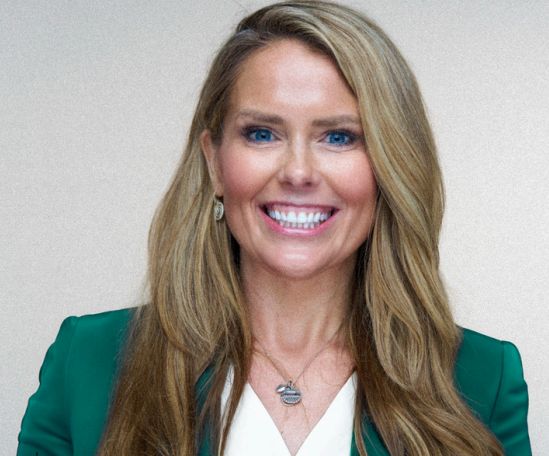
Jill Minassian
Senior Business Development Manager, SPM Oil & Gas
Guest
Jill Minassian has dedicated 17 years to Caterpillar Inc., with the last 12 years spent in the Energy & Transportation Division. With an extensive background in procurement and supply chain, she brings a collaborative, systems-based perspective that connects suppliers, operations, and customers to create value end to end. Over the past two years, Minassian has concentrated on expanding services in the Oil & Gas sector, spearheading the strategy, sales, execution, and financial outcomes for SPM pressure control solutions, supporting completions operations. Recognized for her collaborative and empowering leadership style, she is committed to fostering high-performing teams and providing innovative service solutions that ensure oil and gas operations run safely, efficiently, and profitably.
of
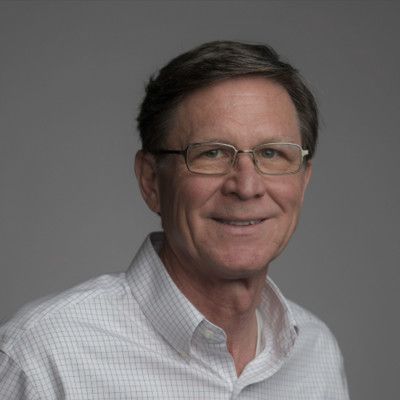
Russell Stewart
Host
Russell Stewart is a podcast host for the Oil and Gas Global Network (OGGN) and a Managing Member of Environmental Recovery Oilfield Services & Consulting, LLC, distributing specialty chemical products from TETRA Technologies to remediate hydrocarbon and produced water spills. With over 40 years of experience in marketing and sales development, Russell has built new companies and markets, served as a sales consultant and manager in various industries, and taken two start-up sales opportunities to multi-million dollar annual revenue.
Russell entered the Oil & Gas industry in 1997 as General Sales Manager for a specialty service company, setting up its marketing plan. He is a current Board Member and past Chairman of the API-Houston Chapter, supporting six scholarship funds in Petroleum Engineering at several universities. Over his career, he has been a featured speaker on leadership, life coaching, ethics, and positive perspectives on the Oil & Gas industry.
Russell hosts the OGGN HSE Podcast, one of the top-ranked industry HSE podcasts globally, exploring health, safety, and environmental topics with expert guests. He also hosts OGGN’s The Energy Pipeline Podcast, sponsored by Caterpillar Oil & Gas, which delves into issues impacting the industry.
Russell is married to his high school sweetheart, Cindy, and has two grown children and five grandchildren.
LEARN MORE ABOUT CATERPILLAR OIL AND GAS
Your Business
 North America – English
Caterpillar Brands
- Caterpillar.com
- My Marketing Preferences
- Site Map
- Cookie Settings
- Legal
- Privacy
- Do Not Sell or Share My Personal Information
- Accessibility Statement
- US-English
- © 2026 Caterpillar. All Rights Reserved.