
Environmentally Friendly High Performance Land Drilling
December 17, 2025
Parts & Services
Sustainability
About
Explores innovative drilling technology, the Pace-X Ultra rig, dual fuel systems, efficiency gains, benefits of natural gas, and the future of onshore and offshore drilling.


Environmentally Friendly High Performance Land Drilling - Ep 119 - Transcript
Read the full episode transcript
00:00:02 Narrator
This episode of the Energy Pipeline is sponsored by Caterpillar Oil and gas. Since the 1930s, Caterpillar has manufactured engines for drilling, production, well service, and gas compression. With more than 2100 dealer locations worldwide, Caterpillar offers customers a dedicated support team to assist with their premier power solutions.
00:00:28 Narrator
Welcome to the Energy Pipeline Podcast with your host, Russell Stewart. Tune in each week to learn more about industry issues, tools and resources to streamline and modernize the future of the industry. Whether you work in oil and gas or bring a unique perspective, this podcast is your knowledge transfer hub. Welcome to the Energy Pipeline.
00:00:53 Russell Stewart
Hey, everybody. Thanks for listening today. And as always, thanks to Caterpillar Oil and Gas for making the Energy Pipeline podcast possible. And I'm really excited about today's show. This is going to be very informative because today my guest on the show is Ashish Gupta. Ashish, thanks for coming on the show today.
00:01:17 Ashish Gupta
Thanks to it for having me.
00:01:18 Russell Stewart
Well, Ashish, I'm. As I said, I'm excited to have you on the show because you're the VP of engineering at Neighbors Drilling, is that right?
00:01:26 Ashish Gupta
That's correct.
00:01:28 Russell Stewart
Okay. And Neighbors, there's some sort of just small little startup drilling company, right?
00:01:36 Ashish Gupta
Yes, yes. Small startup company. Been here for a while.
00:01:42 Russell Stewart
How long. Do you know how long. How long has Neighbors been around?
00:01:46 Ashish Gupta
I guess Neighbors as a company has been around since the 70s.
00:01:50 Russell Stewart
Yeah, yeah.
00:01:51 Ashish Gupta
Over the years. And me personally, I've been here since early 2000. Right. Plus 20 plus years.
00:01:58 Russell Stewart
Okay.
00:01:59 Ashish Gupta
It's a young startup.
00:02:00 Russell Stewart
Yeah. And, you know, very limited in scope. As a matter of fact, you're about to transition to a new position. That's right. Isn't that right? And you're moving to the Middle East.
00:02:14 Ashish Gupta
Yeah, yeah, I'll be moving to Middle east first of next year and taking over the role as VP of Operations for Eastern Hemisphere.
00:02:23 Russell Stewart
Oh, wow. Well, congratulations. Okay, so I looked on. I looked on the Neighbor's website and I was very impressed by something because, you know, we're being facetious about talking about Neighbors being a startup company and that sort of thing. Neighbors has been at the. At the forefront of drilling for a long, long time. And I like what it says on your website about innovating the future of energy. And Neighbor's three pillars are talent, technology, and transition. And Gupta, you're the. You're the talent. So what we're going to talk about today is the technology in transition because you guys, you guys have developed your most advanced land rig. I think it's called the Pace X Ultra. Is that right? Okay, well, let's start with the rig itself. You know, and this is why I said I was excited about the show, because we have an opportunity to talk with a true expert who understands a drilling rig and understands drilling operations. Because unfortunately, you know, most folks understanding of oil and gases, they think it comes out of the, the pump at the gas station. Drilling an oil well is quite a technological feat. So talk about that.
00:03:58 Ashish Gupta
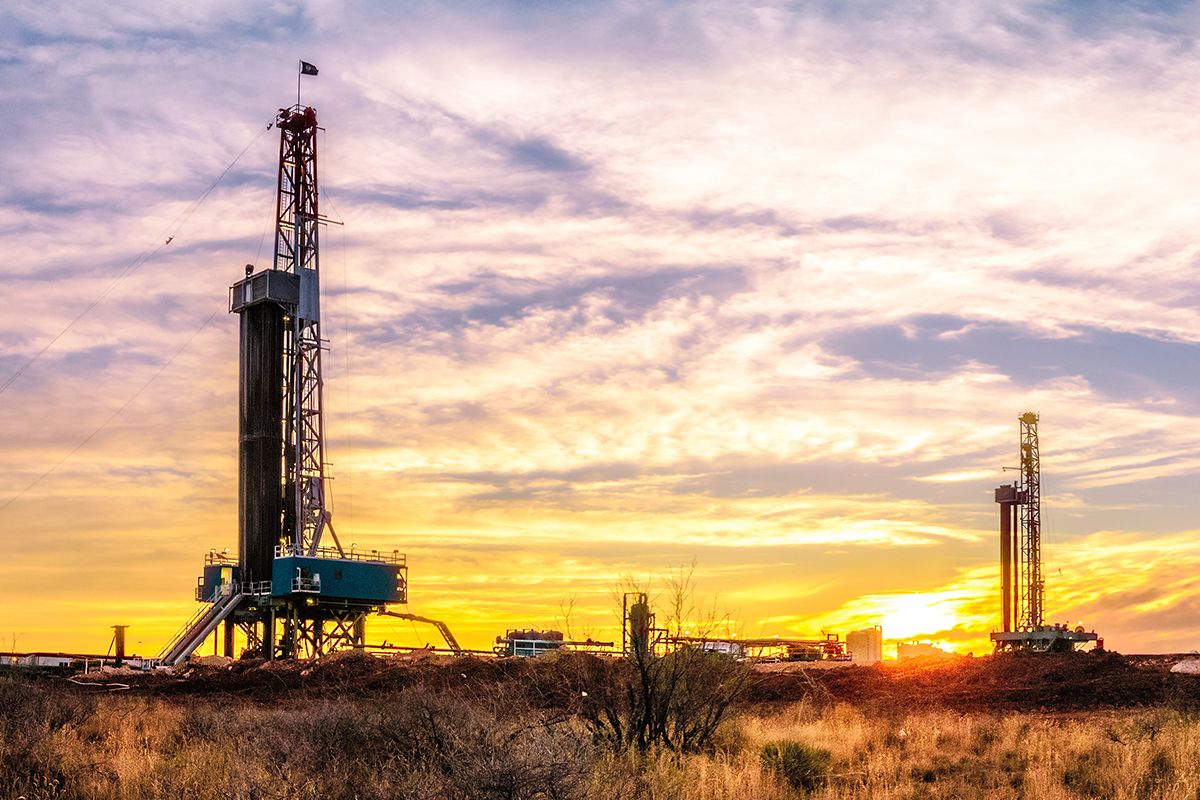
I think it's one thing it excites me and has kept me in this company, in this industry is the technology. As an engineer, the amount of technology and equipment that you get to play with. People don't realize this. A drilling rig can have up to 4 to 6 megawatt of power, you know, 5 to 6 megawatt worth of just drilling equipment. So it's a lot of energy, a lot of equipment, lot of torque. It's a lot of technology that we use to sit on the top of the well and drilling down some places, 35,000ft and trying to know exactly within a few feet where the drill bit is, you know, without any cameras, without any, you know, vision. And we are still able to drill a well in very, very high accuracy, in very, very, a lot efficient as well, very efficiently.
00:04:59 Russell Stewart
Yeah, and as I said, that's quite a feat. So when you design this Pace X Ultra, you were trying to improve gaps and opportunities that maybe were missing in some of the earlier versions of your rigs. And that's what you did with this Pace X Ultra, right?
00:05:23 Ashish Gupta
Yeah, that's correct, yeah. So just give you a little bit background. Right. So neighbors, you know, we've always been the forefront and you know, we pride ourselves for being the first in technology development, especially when it comes to drilling rigs and drilling automation. So just give a little bit. The whole game in the drilling is how to increase efficiency and cost and reduce the cost of footage drill. So just data that we constantly monitor. Data, right. So one of the data point that I can bring up like from 2014 or 2015 to today, you know, we have increased the efficiency threefold. So the areas where we were able to drill, you know, 500 foot a day, now we are drilling at 1500 plus foot a day. You know, it's not good for us, but you know, that's how we, because we are drilling contractors, we provide drilling equipment. So, you know, so for example, in 2000, in 1415 we had us, North America had lower 48, had 2000 plus rigs operating. Today we have 550, 600 and we are drilling more footage and Producing more what we drill in the back. Right. So I guess the whole game is to how to improve efficiency. So as we get through it, looking at the data right now, I guess what we saw in 20, 20, 2019, 2020, that the existing equipment is hitting the limit. And we wanted to start working on something where we can push this limit further, which may be bad in turn for drilling contractor, but the idea is how to push the efficiency further. So that's where the Pace X Ultra came in.
00:07:16 Russell Stewart
Okay. And so now that brings us back to. You talked about how much power it takes to power the rig. And you know, this is why neighbors or why Caterpillar wanted to have you on. On here. So for powering the rig, you guys went all in with Caterpillar, is that right?
00:07:37 Ashish Gupta
Yes, yes. I think we've been a Caterpillar shop since we know. And we. Yeah, so we've been a Caterpillar shop, you know, since the beginning of time. I guess most of the drilling contractors, it's a standard piece of equipment. And it. Yes, we went with Caterpillar just because of the service, the quality of equipment, the dealership network and the support that we get and the reliability that we get with that piece of equipment.
00:08:06 Russell Stewart
Okay. And so you have a particular generator that Caterpillar makes, the. I think they call it the 3512C DGB Gen 2 engine. DGB, that's. Is that. What does that stand for?
00:08:32 Ashish Gupta
Yeah, it's a diesel gas blend. So what that means is, I guess it's. It's a, you know, so the industry has DGB engines. You know, it's. I guess the cost, like I said earlier, the efficiency and the cost to drill the well and how environmentally friendly we can do this. So like I said, we need so much power. Like for example, on this Ultra rig in certain, on the first well, you know, we didn't have natural gas and we were consuming almost 6,000 plus gallons a day of fuel just to keep the, you know, power available to drill the well.
00:09:10 Russell Stewart
And that's d. And you're talking about diesel.
00:09:12 Ashish Gupta
Diesel.
00:09:13 Russell Stewart
Right.
00:09:14 Ashish Gupta
So that's a lot of power. That's a lot of, you know, it's a lot of cost and there's an emission that comes with it as well. Right. So the reason we and the operator cataracts. We chose to use the DGB engines because it allows you to blend natural gas. And this natural gas is the gas that is available on the well site. So you don't have the trucking cost, you don't have the refining cost, you take the gas straight off the wellhead and do some minor processing and you can use it in the engines. So it helps you reduce cost, helps you reduce the emissions. And overall it's good for everyone, the environment, the operator and everyone.
00:09:59 Russell Stewart
And you get all the horsepower you need, but you've got the fuel flexibility which helps with your emissions. And so these Caterpillar engines, they're what fits the bill for that, right?
00:10:17 Ashish Gupta
Perfect. Yeah, it perfectly fits the bill. With some of the tests that we have done, we are seeing substitutions of 70 plus percent. So that means only 30% of, on an average, only 30% of a diesel. And these engines are able to keep up with the requirements for drilling rig as well. So they're drilling engines plus you get the benefit of natural gas at very, very small percentage of cost compared to buying new ones.
00:10:50 Russell Stewart
Yeah, so that decreases your, your total cost of ownership by giving you this fuel flexibility and then you support your ESG commitments at the same time. Right.
00:11:04 Ashish Gupta
It helps with the total cost of ownership, the capex reduction, I guess, the fuel which is almost free because it's coming straight off the wellhead and.
00:11:18 Russell Stewart
Okay, so how did Neighbors approach this shift to dual fuel technology? And I guess that fits into your roadmap for lower carbon drilling.
00:11:33 Ashish Gupta
That's correct. Right. So over the years, you know, as we have neighbors has tried several different power sources. You know, some Caterpillar, some non caterpillar, some natural gas. I guess to me, and I guess to everyone that I've talked to within the organization and the operator, this DGP is like a perfect combination where it gives you the benefit of either world at a fraction of the cost. It's a lot more efficient. And not only that, one thing that impressed me with this engine, when we're talking through Caterpillar, it also took care of some of the methane slip that we were worried about from the previous models. So it gives the same token you can reutilize your existing assets. So it's not like I have to go buy a new engine from Caterpillar. As neighbors, we got thousands of engines in the fleet. A lot of that is unused. So we have the capability now to use those assets, Upgrade them to DGB2 and utilize it on the rig. So overall it's a pretty good solution for a drilling contractor.
00:12:42 Russell Stewart
Oh no, that's something that I hadn't thought about and I guess I didn't realize. So you didn't have to go to the expense of buying all brand new equipment and that sort of Thing you were just able to. Caterpillar is actually able to upgrade to this dual fuel technology, is that right?
00:13:04 Ashish Gupta
That's correct. Yeah. That's great. We can take our existing 3512Cs which like I said, we got maybe 500 idle assets and then we can easily upgrade them to this at a fraction of cost and time as well. Right. Even getting to market is a lot quicker than buying new assets.
00:13:22 Russell Stewart
Okay, so how long is this Pay 6 Ultra, how long has it been deployed?
00:13:28 Ashish Gupta
10Th or 11th of September. So it has completed four wells already, I guess all in South Texas for the same operator.
00:13:39 Russell Stewart
Okay. All right. So I guess there were certain performance indicators you were looking at real closely.
00:13:45 Ashish Gupta
Yeah. So still early and we haven't pushed the rig to the limit yet. But even with that we are seeing a 25 to 30% improvement in efficiency of the well. So basically, you know, which is very, very significant compared to where a well we had two rigs working side by side working for the same operator. Very, very similar with the Ultra with the bigger horsepower, higher pressure, 10,000 psi system and the six engines, the operator was able to push the rig a lot harder where we saw around 25% increase in ROP. And this is like I said, we are still not pushing the rig all the way. We are hoping in the next few months we'll be able to push it more and we'll see more efficiencies coming out of it.
00:14:36 Russell Stewart
Okay, so this initial introduction of the Pace X Ultra, you're doing that on land and that's here in Texas, is that right?
00:14:48 Ashish Gupta
That's correct, yeah.
00:14:50 Russell Stewart
Okay. And so as you see the success of this and as you plan for future upgrades and that sort of thing, that'd be all across the continental 48. Or you're going to take it with you to the Middle east or how's that going to work?
00:15:07 Ashish Gupta
I'm going to take it with me in the Middle east and again that is one of my goals where I can help deploy some of those. The wells in Middle east are a lot more tougher. Right. So I believe some of this technology might help there as well.
00:15:22 Russell Stewart
Oh, that sounds great. Okay. So neighbors and Caterpillar had a partnership for a long time. Really? Is that right?
00:15:32 Ashish Gupta
Yes, yes. I think we've been partners since before my time at Nabors. And the other thing that we recently and Caterpillar corporate, you know, is thanks to them we were able to come up with a corporate agreement. So where, you know, you're able to come up with a what A corporate agreement with Caterpillar.
00:15:52 Russell Stewart
Okay.
00:15:53 Ashish Gupta
So I guess like I said, the cost and efficiency is big, right. So Caterpillar helped us overall to help us reduce our cost where they prefer, become a preferred vendor and we can have a long term relationship where we can forecast and plan ahead of time, which is, you know, win, win for both the parties. Yeah.
00:16:14 Russell Stewart
Okay, so we're talking about onshore land rigs and that sort of thing. What about offshore?
00:16:26 Ashish Gupta
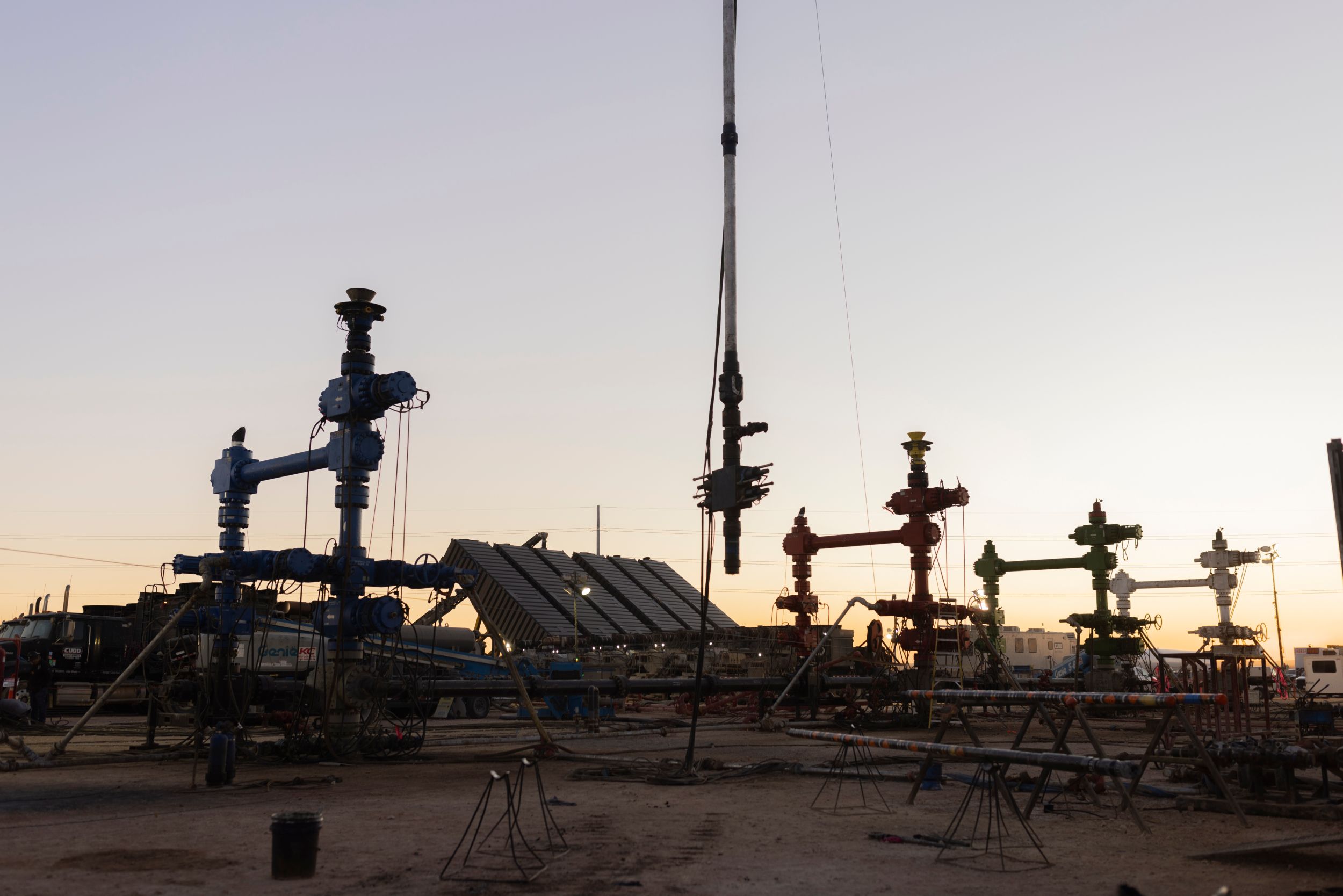
So neighbors. Yeah, I guess one thing with basics Ultra, you know, the way this rig is designed, it's like an a la carte menu where there are multiple parts of the system. Right. It's the 2000 horsepower pumps, 10,000 psi mud system, you know, DGB engines, additional horsepower, etc. Etc. So neighbors, we are not in deep sea semis, but we are on platform bricks. So this technology can also. Some parts of the technology can also migrate offshore where they are drilling long laterals and we can put 10,000 psi systems. We've been already talking to a couple of operators to get bits and pieces of the base X Ultra on their future projects.
00:17:18 Russell Stewart
Well, that sounds great because everywhere we can improve drilling efficiency and also reduce emissions and that sort of thing. Are we going to get better and better with that?
00:17:31 Ashish Gupta
I believe that is our nature, right? As nature, as humans, I guess we will always keep getting better. And as neighbors, our goal is like you said, technology. So we will get better. I guess this is next step. We went from 5,000 psi to 7,503 engines to 4. Now we are going to 10,006 engines. I'm pretty sure, you know, as the pressures on the industry keeps growing, as engineers will keep figuring out way to how to get better and more efficient.
00:18:04 Russell Stewart
Yeah, and that relates to what I always say. You know, I actually said it at a conference one time that I was moderating and I told the panel, I said, you know, the oil and gas industry is not the problem with the environment. The oil and gas industry is going to be the solution to the environment.
00:18:27 Ashish Gupta
If any industry can develop and execute on major engineering projects, you know, this oil and gas industry is one of those industries. We can get into any environment, build massive projects and execute it as well.
00:18:45 Russell Stewart
That's exactly right. So Ashish, you said you're in Houston right now, you're based out of Houston, right?
00:18:52 Ashish Gupta
That's correct.
00:18:53 Russell Stewart
But you're moving over, you're actually making the physical move over to the Middle east the first of the year.
00:19:00 Ashish Gupta
That's correct.
00:19:02 Russell Stewart
Well, congratulations and I wish you all the success and I again, want to thank you for taking your time because I know you're really busy, especially if you're getting ready for this transition. So I want to thank you for taking the time to come on and, and talk about Nabors new technology and their partnership with Caterpillar Oil and gas. Did I miss anything? Is there anything else you want to add?
00:19:31 Ashish Gupta
No, I think it's pretty good, man. I would like to thank you and Caterpillar as well for having me on.
00:19:37 Russell Stewart
All right, well, everybody, I hope you've enjoyed this conversation. I hope you can appreciate the technological advances that we're making in the oil and gas industry. Neighbors are certainly leading the way in that and that's in partnership with Caterpillar Oil and Gas. And so we thank you for listening to the energy pipeline and we'll see you next time.
00:20:03 E
Thanks for listening to oggn, the world's largest and most listened to podcast network for the oil and energy industry. If you like this show, leave us a review and then go to oggn.com to learn about all our other shows. And don't forget to sign up for our weekly newsletter. This show has been a production of the Oil and Gas Global Network.

of
Ashish Gupta
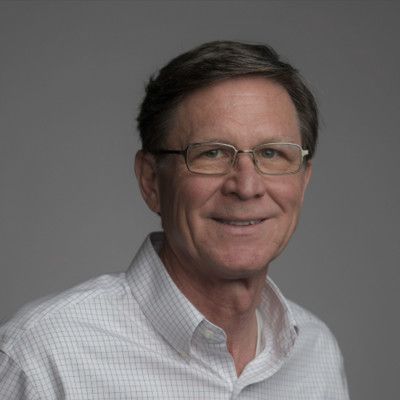
Vice President - Engineering & Technical Resources
Guest
Mr. Gupta brings over two decades of engineering leadership and technical innovation to his role at Nabors Industries. Since 2023, he has served as Vice President of Engineering & Technical Resources, overseeing the development and deployment of advanced drilling technologies and infrastructure across the company’s global operations.
He previously held leadership roles including Vice President of Product Engineering at Canrig Technologies (2021–2023), Director of Technical Resources & Services (2019–2021), and Director of Engineering (2014–2019). Earlier in his career, he managed offshore engineering operations and project delivery, accumulating experience in engineering project execution maintenance and systems optimization.
Mr. Gupta earned his MBA from the University of Houston’s C.T. Bauer College of Business and holds a Bachelor of Engineering from K. J. Somaiya Institute of Technology. He is recognized for blending technical expertise with strategic leadership to enhance Nabors’ engineering excellence and drive technology-driven performance across challenging environments.
of
Russell Stewart
Host
Russell Stewart is a podcast host for the Oil and Gas Global Network (OGGN) and a Managing Member of Environmental Recovery Oilfield Services & Consulting, LLC, distributing specialty chemical products from TETRA Technologies to remediate hydrocarbon and produced water spills. With over 40 years of experience in marketing and sales development, Russell has built new companies and markets, served as a sales consultant and manager in various industries, and taken two start-up sales opportunities to multi-million dollar annual revenue.
Russell entered the Oil & Gas industry in 1997 as General Sales Manager for a specialty service company, setting up its marketing plan. He is a current Board Member and past Chairman of the API-Houston Chapter, supporting six scholarship funds in Petroleum Engineering at several universities. Over his career, he has been a featured speaker on leadership, life coaching, ethics, and positive perspectives on the Oil & Gas industry.
Russell hosts the OGGN HSE Podcast, one of the top-ranked industry HSE podcasts globally, exploring health, safety, and environmental topics with expert guests. He also hosts OGGN’s The Energy Pipeline Podcast, sponsored by Caterpillar Oil & Gas, which delves into issues impacting the industry.
Russell is married to his high school sweetheart, Cindy, and has two grown children and five grandchildren.
LEARN MORE ABOUT CATERPILLAR OIL AND GAS
Your Business
 North America – English
Caterpillar Brands
- Caterpillar.com
- My Marketing Preferences
- Site Map
- Cookie Settings
- Legal
- Privacy
- Do Not Sell or Share My Personal Information
- Accessibility Statement
- US-English
- © 2026 Caterpillar. All Rights Reserved.