
Automated Frac: Linear Pressure Systems Enabling Continuous Pumping & Remote Ops
April 1, 2026
Parts & Services
Sustainability
About
Linear pressure systems, automation, and remote ops are transforming fracking—
enabling continuous pumping, reducing downtime, and boosting safety and efficiency.


Automated Frac: Linear Pressure Systems Enabling Continuous Pumping & Remote Ops - Ep 125 - Transcript
Read the full episode transcript
[00:00:00] Josh Lowrey: Welcome to the Energy Pipeline Podcast. My name is Josh Lowrey. We are coming to you live from the Upright Digital Podcast Studio in the Praying Associates office in Houston, Texas. I am joined today with a special guest, Tyler Rice, who is the pressure control sales manager, uh, out of Colorado, who is in town to join us for this podcast today.
[00:00:20] Josh Lowrey: Welcome, Tyler. Good to be here. You know Tyler? I said that offline. That's the worst thing to do, is the intro. You have to look at the camera, you have to say all this stuff. Usually I have a co-host with me, so then I have to introduce him and we talk for a minute. And you gotta still stay focused and get all the names right.
[00:00:36] Josh Lowrey: I did. I, I forgot to see, I screwed it up. You were with Caterpillar? I did. I left something out.
[00:00:41] Tyler Rice: You did? Yeah. So, uh, yeah, no, with Caterpillar, uh, kinda managed the SPM oil and gas side of the business for pressure control. And, uh, was from Colorado. Lived there for a long time in oil and gas, but I currently live in the Permian in West Texas.
[00:00:52] Tyler Rice: So,
[00:00:52] Josh Lowrey: see, I screwed two things up. This is a tough start. This is a tough start. I, I don't like doing the intro. I wish there was just like an intro I could hit go and just have it recorded. But this is part of being a pro.
[00:01:05] Tyler Rice: Yeah, for sure.
[00:01:06] Josh Lowrey: So, you know, I mean, by the way, you get into the Hall of Fame, if you bet.
[00:01:08] Josh Lowrey: 300.
[00:01:09] Tyler Rice: Yeah, that's fair enough.
[00:01:10] Josh Lowrey: So I'm like, what's one mistake in the beginning here? So, that's right. You live in the perm. You lived in Colorado before?
[00:01:16] Tyler Rice: That's correct. Yeah.
[00:01:17] Josh Lowrey: We were talking offline, um, the Western Slope. So. I love Colorado.
[00:01:23] Tyler Rice: Mm-hmm.
[00:01:23] Josh Lowrey: Me too. I absolutely love. So, lake City, that entire, like southwestern, the, you know, the San Juan Mountains, isn't that just like the best version of Colorado that there is?
[00:01:32] Tyler Rice: It is. It's exactly what people should think about when they think of Colorado. It's, it's, uh, it's probably one of the most beautiful places you'll ever see on the planet.
[00:01:38] Josh Lowrey: You know, I might delete this because I don't want people finding out how great, especially Little Lake City, like it's a 500 person town.
[00:01:44] Josh Lowrey: And, you know, they've got the ice climbing now. They're trying to get a bunch. Do you go fishing when you're up there? What do you do when you're there?
[00:01:49] Tyler Rice: Oh, of course. Yeah. Fishing. Uh, really just like to hike, uh, do the, you know, the a TV trails, things like that. Yeah. Little side-by-side adventures. It's always a good time.
[00:01:57] Tyler Rice: Right. Take the Jeep up.
[00:01:58] Josh Lowrey: Yeah.
[00:01:58] Tyler Rice: Uh, red Mountain, all that Silverton, uh, down to Durango. Like, there's just, there's so much to do there and it's just, it's beautiful country.
[00:02:04] Josh Lowrey: I heard you mentioned Akre. Have you hiked that before?
[00:02:06] Tyler Rice: Oh, yeah.
[00:02:07] Josh Lowrey: Did you make it to the top?
[00:02:07] Tyler Rice: Yeah. Uh, I mean, you know, top ish
[00:02:10] Josh Lowrey: It's, it's up there.
[00:02:11] Josh Lowrey: Yeah,
[00:02:11] Tyler Rice: it's
[00:02:11] Josh Lowrey: up there. Man, that's a fourteener. It's 14 three actually.
[00:02:14] Tyler Rice: Yeah, yeah. No. Um, yeah.
[00:02:15] Josh Lowrey: Do you know how I know that it's 14 three?
[00:02:16] Tyler Rice: Because you've done it?
[00:02:17] Josh Lowrey: Because I made it this summer.
[00:02:18] Tyler Rice: There you go.
[00:02:19] Josh Lowrey: I did, I summited, uh, with my 14-year-old son. We, we went up and that was one of his 14. That was his goal this summer.
[00:02:25] Josh Lowrey: We went up and did it. It was great.
[00:02:27] Tyler Rice: Mm-hmm.
[00:02:28] Josh Lowrey: So,
[00:02:28] Tyler Rice: yeah, no, it's a good place. Uh, lived to
[00:02:29] Josh Lowrey: see it.
[00:02:30] Tyler Rice: My wife and I used to love even just hang out in there. Just that little, you know, in the box canyon and. And just, uh, and just enjoy being kind of tucked away from society for a bit. So it's a great place. Yeah.
[00:02:39] Josh Lowrey: This is, we could talk about this. The rest, by the way, they call Ure the Switzerland of North America.
[00:02:43] Tyler Rice: It's not far off.
[00:02:44] Josh Lowrey: Yeah.
[00:02:45] Tyler Rice: Yeah.
[00:02:45] Josh Lowrey: We're gonna delete this. I don't want people finding out how great this really is.
[00:02:49] Tyler Rice: Right, right.
[00:02:49] Josh Lowrey: So then you move from there.
[00:02:51] Tyler Rice: Mm-hmm.
[00:02:51] Josh Lowrey: To Midland.
[00:02:52] Tyler Rice: Yeah. Yeah. So welcome. 20 15, 20 16.
[00:02:57] Tyler Rice: Uh, we all know what kind of happened in oil and gas during those years.
[00:02:59] Josh Lowrey: Great. [00:03:00] Years
[00:03:00] Tyler Rice: tough times, right? Oh, yeah. That's
[00:03:01] Josh Lowrey: right.
[00:03:02] Tyler Rice: Uh, you know, the oil and gas landscape in Colorado was getting more and more challenging, uh, activity was, was dropping kind of by the minute it felt like. So, um, next natural move was, was down to the Permian where we know if you're gonna be an oil and gas, you kind of have to do a little tour there.
[00:03:15] Tyler Rice: And, uh, again, that's where you're gonna stay busy. So I, I kind of ConEd my wife into, to leaving the, the beautiful Colorado Mountains and, and heading on down to the west Texas, Texas desert. So 2016 we ended up down in, in Midland, Texas. And, uh, you know, the, the further we drove as we were moving, she just kept asking me if there were gonna be trees again.
[00:03:33] Tyler Rice: And I, you know, just kind of said, yeah, eventually there'll be some, some form of tree, you know, but yeah, that's about it.
[00:03:40] Josh Lowrey: But you've been there 10 years.
[00:03:41] Tyler Rice: Yeah. That's
[00:03:42] Josh Lowrey: a great run.
[00:03:42] Tyler Rice: It's been, it's been a while, so it's really grown on us and. Uh, if you're gonna be an oil and gas, the commu, the, you know, the oil and gas community is amazing out there.
[00:03:49] Tyler Rice: It's
[00:03:49] Josh Lowrey: hard. Do you know, do you know who Turner Phipps is by any chance?
[00:03:51] Tyler Rice: I don't know Turner.
[00:03:52] Josh Lowrey: So, Turner Phipps, he's now with a company called Kodiak, but he was with another group in, in oil field services for a long time. He is, [00:04:00] if you, if a person says a bad thing about Midland. Turner Turner. It's like he works for the Chamber of Commerce.
[00:04:08] Josh Lowrey: He jumps all over it. Yeah. Like he doesn't, he's like, what are you talking about? Why don't you like Midland?
[00:04:12] Tyler Rice: Oh, natives. Midland. Midland. Natives. Especially like you, you definitely don't wanna, don't wanna say anything, you know, cross about Midland.
[00:04:18] Josh Lowrey: Absolutely. Yeah. It's, it is a great, I, I agree. It's a great town West.
[00:04:21] Josh Lowrey: I went to school in West Texas for college, and it is just nothing like a West Texas evening.
[00:04:27] Tyler Rice: Oh yeah, for sure. In the summer,
[00:04:28] Josh Lowrey: for sure.
[00:04:28] Tyler Rice: We, uh, you know, we actually live out southeast of town. It's a little bit of acreage, so we, a little bit, a little bit outside of Midland. The reason we bought the place is because there's 500 acres of just mesquites behind our house, so we get beautiful sunsets to the west on our patio every, every single night, you know, so that's, oh man, it's, and you can't beat it, you know?
[00:04:44] Tyler Rice: Yeah. And we'll, we'll constantly be sending videos to our friends and it's just, you know, you know,
[00:04:48] Josh Lowrey: in the city on their five o'clock traffic on the way home.
[00:04:50] Tyler Rice: Oh, yeah. Yeah. Just look at, we get a soak in every evening, you know, after dinner. No, it's, uh, we know Midland really grew on us, and, uh,
[00:04:56] Josh Lowrey: I'm glad to hear that
[00:04:57] Tyler Rice: there was a two year plan and turned into a 10 year plan, and we're [00:05:00] not, we're not unhappy about that.
[00:05:01] Josh Lowrey: Well, no, and it doesn't sound, I mean, we're about to study. I, I learned a little bit about you. It doesn't sound like that's ending either.
[00:05:06] Tyler Rice: No, no. Yeah. As long as, uh, you know, as long as there's action going out there, I like being where the rubber meets the road and,
[00:05:11] Josh Lowrey: right.
[00:05:11] Tyler Rice: Yeah.
[00:05:12] Josh Lowrey: Well, speaking of that, so tell us what you're doing.
[00:05:14] Josh Lowrey: You're with us, you're with Caterpillar, SPM.
[00:05:16] Tyler Rice: That's correct.
[00:05:17] Josh Lowrey: Um, but you've got a, you have a. An extensive history in oil and gas here. Mm-hmm. And we don't have to go through all that. You touch on some of that if you'd like. I, I would like to hear how you got to what you're doing.
[00:05:25] Tyler Rice: Sure. Yeah. I mean, uh, like, like a lot of people, I, I ended up in oil and gas by, by accident, you know, I just was, uh, having a hard time going to school and, you know, uh, from a financial standpoint to needed kind of a change.
[00:05:37] Tyler Rice: And I ran into a friend who was driving a really nice new car, and I was like, what are you doing? He's like, I'm working the oil fields. I'm like, I didn't know anything about it. Ran into him on the side of the road, literally. And, uh, he is like, do you want a job? I'm like, ah, sure, why not? You know, I was making like eight bucks an hour trying to go to school and just struggling.
[00:05:51] Tyler Rice: And so, um, really things happened very quickly. I, I drove to Evanston, Wyoming the next day from Salt Lake City where I lived. And, um, met with a guy, interviewed in a little bar there called Kate's, and he asked me if I could go to work the next day and
[00:06:04] Josh Lowrey: Really?
[00:06:05] Tyler Rice: And I was like, yeah, that's, so What year
[00:06:07] Josh Lowrey: was this?
[00:06:07] Tyler Rice: This was 2000, very beginning of 2006.
[00:06:09] Josh Lowrey: Okay.
[00:06:10] Tyler Rice: Yeah. So a little while
[00:06:11] Josh Lowrey: ago. Yeah. That was.
[00:06:12] Tyler Rice: Yep.
[00:06:12] Josh Lowrey: Drilling was booming in oh six.
[00:06:15] Tyler Rice: Exactly. Yeah. Jonah Fields were, were kind of a, the new hot, hot thing up in, up in Wyoming there. Right. The gas fields. So, uh, didn't have any idea what I was gonna be doing. I told him, I was like, look, I didn't bring any clothes or anything.
[00:06:25] Tyler Rice: He's like, ah, don't worry about that. We'll get you some coveralls. We'll get you some work boots and a hard hat and then we'll put you up in the Best Western in town and you're gonna meet a supervisor in the morning. And I head up to Pinedale, Wyoming with him. I said, okay, well, sure. I mean, why not, you know, young single guy.
[00:06:38] Tyler Rice: I have nothing else to do. So I, uh. Just, just did that. Jumped in the truck the next morning, drove straight to a location up in the Jonah field and went straight to work.
[00:06:46] Josh Lowrey: You're kidding me? That fast?
[00:06:48] Tyler Rice: That fast. And uh, you know, I fell in love with it. The, the first, you know, little hitch that I worked up there.
[00:06:53] Tyler Rice: I worked for about six weeks. Didn't take a day off. Um, didn't see a reason to, you know, I was learning so much. Yeah, it was very [00:07:00] exciting. There was a ton going on. And, uh, so I just kept going until they basically said, Hey, you need to,
[00:07:04] Josh Lowrey: you need a break,
[00:07:05] Tyler Rice: you need to take a little time off. And I'm like, all right.
[00:07:06] Tyler Rice: So
[00:07:07] Josh Lowrey: really, that's
[00:07:08] Tyler Rice: awesome. I went home and, you know, my apartment was still there. It didn't disappear somehow or another and, and, uh, yeah.
[00:07:12] Josh Lowrey: Yeah. When you're a kid, you had nothing. What's in the apartment anyway? There wasn't food anyway.
[00:07:15] Tyler Rice: Yeah, exactly. They could have destroyed everything. I owned it. It was like, you know.
[00:07:18] Tyler Rice: 200 bucks. So
[00:07:19] Josh Lowrey: yeah. What's a piece of Ikea furniture
[00:07:21] Tyler Rice: Exactly right. At best. Yeah. And, uh, from there, I just, man, I, I love the industry and I worked for a company at the time where they, that they were involved in a lot of various aspects of oil and gas service. So I gotta get a lot of experience on the frack side and work over completions, wire line, uh, production, uh, reservoir testing, and a lot of other different, um, you know.
[00:07:43] Tyler Rice: Types of services and, and, and offerings in the completion space primarily. But, uh, some downstream production as well, some drilling, uh, wellhead service and or service wellhead and things like that. So, moved up the, the chain, you know, started out as just a hand swinging a sledgehammer and turned in pipe wrenches and things like that, and became a site foreman and eventually a service manager.
[00:08:02] Tyler Rice: And, uh, ran service and operations for a number of years. Uh, got burned out on that and I came over to the commercial side of the business back in 2018.
[00:08:10] Josh Lowrey: Okay,
[00:08:11] Tyler Rice: so.
[00:08:13] Josh Lowrey: All right, so 2018 and then you and 2018, not again. Not a great, that was a Okay. Bounce back year.
[00:08:20] Tyler Rice: Yeah.
[00:08:21] Josh Lowrey: Go through that for two years. 20, 20 happens another, you know, kind of a black swan year.
[00:08:25] Josh Lowrey: We talked a little bit off camera there. Everybody was geared for 2020 to be a boom year, and then mm-hmm. It wasn't. Mm-hmm.
[00:08:33] Tyler Rice: No. I mean, everyone knows the history there. It definitely was not, I mean, negative oil and just, we watched, you know. Rigs, drop rack, crews drop. It was just, it was hard to survive.
[00:08:41] Tyler Rice: Right. And, uh, I mean, we had to give pricing concessions, 40, 50% of what we're we were charging and billing. Right. Just to try to stay. And that's, I
[00:08:47] Josh Lowrey: was gonna say, that's if anything was going on,
[00:08:49] Tyler Rice: if anything. Right, right. That was just to try to survive and Right. Keep the lights on, keep some guys working, keep some crews up and going.
[00:08:55] Tyler Rice: Right. So. It was very tough, tough year. Uh, but you know, like, like we were talking about off camera, coming outta 2020 was probably one of the best times to be in oil and gas. I, I feel like, because it has just been, you know, flying by the seat of your pants ever since then. Right. So we, we essentially come out of that and then rack crews and rigs are just stacking up like curb, I mean, deploying like crazy, right.
[00:09:17] Tyler Rice: And on top of that, it's, well, you know, we had this, this very challenging year or two where we had to get extremely economical and efficient. What are we doing? So the technology deployment and, and innovation over the last five years has just been, been almost hard to keep up with. Right?
[00:09:30] Josh Lowrey: Yeah, it's, I agree with this.
[00:09:32] Josh Lowrey: Yeah. Well, yeah. Look, there's, it was awful. Mm-hmm. It was awful. But then it's a weird thing, you know, there's a lot of people that, good people that are no longer in the industry, they've moved on to other things, or they're just retired or whatever happened, right? And then all of a sudden, here comes new technology.
[00:09:46] Josh Lowrey: That did not exist. And you know, that's where, that's kinda where we are. I was, I was reading some stuff about you, by the way, have you met your marketing department at Caterpillar?
[00:09:53] Tyler Rice: Oh yeah,
[00:09:54] Josh Lowrey: they are.
[00:09:55] Tyler Rice: They're fantastic.
[00:09:55] Josh Lowrey: Do they yell at you? Like they yell at me.
[00:09:57] Tyler Rice: They're a little nicer than me 'cause they usually need things from me.[00:10:00]
[00:10:00] Josh Lowrey: They're, they're amazing by the way.
[00:10:01] Tyler Rice: They're great. Yeah,
[00:10:02] Josh Lowrey: they, you should see the notes they've sent me. They're very, they're very organized. I, I, there's no way I can, I always screw this up. I always ask for forgiveness versus permission. Like, I'm sorry that you, you guys are, they're so organized. I'm like, have you met me?
[00:10:15] Josh Lowrey: This is, I mean, I'm good at it might get two or three things, but they're, they're so good at this stuff, so I wanna make sure I do address some of this stuff without screwing it up. Sure. But I mean, it really, it, it's less about the specifics here. I do wanna talk about it, but just like in the theme of post 2020 was.
[00:10:32] Josh Lowrey: How to be efficient.
[00:10:33] Tyler Rice: Yep.
[00:10:33] Josh Lowrey: And the with fewer people. With more, you know. Yes. More oil, more gas,
[00:10:42] Tyler Rice: do more with less.
[00:10:43] Josh Lowrey: Correct. But that's, but that's what you guys are doing.
[00:10:45] Tyler Rice: Exactly. Yeah. Yeah. So I mean, we recognized that early on, and that's, that's one of the reasons, that's the biggest part of, of my role in my job.
[00:10:51] Tyler Rice: Right. So I, I, I help with the commercial business and the strategy and the sales effort. But, you know, another big part of my, my role is new product development, new product commercialization rollout. Okay. [00:11:00] I'm trying to think. Not only catch up to just how fast the industry is moving, but think five years down the road and what's it gonna look like for the frack industry moving forward.
[00:11:08] Tyler Rice: Right. Okay. So, you know,
[00:11:10] Josh Lowrey: I've been very impressed with Caterpillar's forward thinking on a company that big to be how far out they actually do think and move, how quickly they can move.
[00:11:19] Tyler Rice: Yeah, exactly. You know, our, our senior leadership had a couple, you know, being our hundredth anniversary this year. There was one thing that really resonated with me was that.
[00:11:27] Tyler Rice: You know, we have to kind of really be proud of what we've done to get through the first a hundred years. But we also have to start thinking about the next a hundred. Right. How, how does category gonna be around a hundred years from today? Right. Right. So, and I love that mindset. I love, have they
[00:11:39] Josh Lowrey: addressed that internally like that?
[00:11:40] Tyler Rice: Oh yeah, exactly. Yeah. That was the internal messaging to the team. Right? Like, we have to be thinking, you know, customer back and we have to be thinking innovation. Like how do we, what, where are we gonna be at a hundred years from now? How does Caterpillars still come out on top and be, you know, one of the top really?
[00:11:55] Tyler Rice: Companies in the world, right? Not, not just in oil and gas. So they, they encourage innovation across the board at every level.
[00:12:01] Josh Lowrey: Okay.
[00:12:01] Tyler Rice: Yeah.
[00:12:02] Josh Lowrey: Alright, so you guys come outta 2020. It's more with less new techno, by the way. It's all let, you can have a great idea and the technology not be there to, to implement it, right?
[00:12:14] Tyler Rice: That's right.
[00:12:14] Josh Lowrey: There is more broadband, there's more computer power, computing power. There's more, uh, you know, just the average worker today can do. Things they couldn't do 20 years ago or say couldn't, but is doing more with computing power than it was 20 years ago.
[00:12:29] Tyler Rice: Yeah, absolutely.
[00:12:29] Josh Lowrey: So like what are some of the things that, uh, you're involved in now?
[00:12:33] Josh Lowrey: That you weren't involved in 10 years ago that you're like, man, this is really cool. Look at, look at we're doing now.
[00:12:37] Tyler Rice: Yeah. Yeah. The evolution has been, has been a wild ride, right? So if anyone who worked in FRAC 10, 15 years ago probably remembers what a frack site looked like, you know, you go out there and you'd have traditional flow line, which was like three inch or four inch pipe that would be strung all over the place.
[00:12:49] Tyler Rice: It almost
[00:12:49] Josh Lowrey: dangerous.
[00:12:50] Tyler Rice: Oh yeah. It almost be chaotic. You'd have all these temporary unionized connections all over the place and, uh, you know, the. The ba the requirement for labor was different. You'd see a a, an entire van full of, uh, you know, frack hands come out that their sole job was just swinging hammers and keeping all that iron tight chasing leaks.
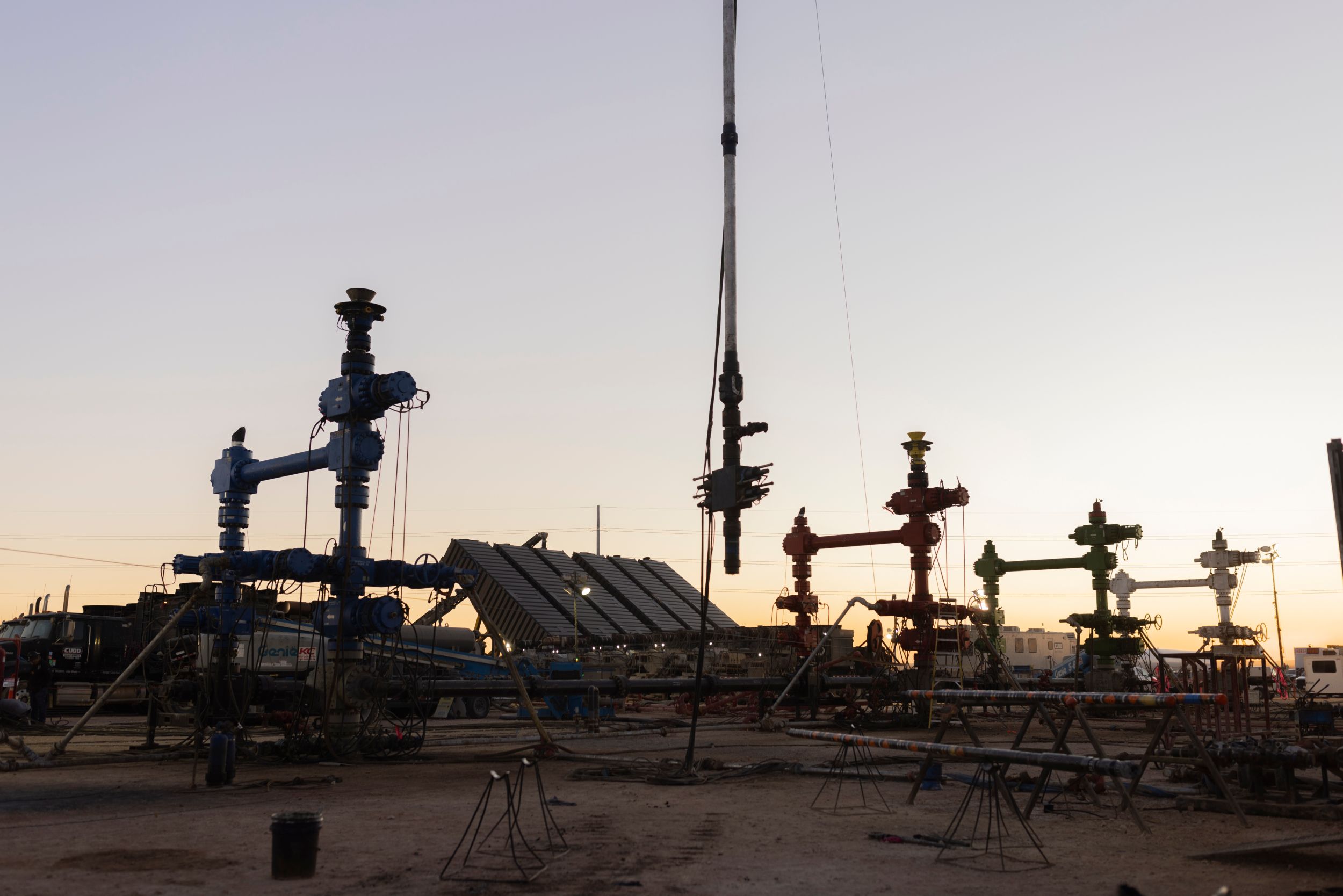
[00:13:06] Tyler Rice: You know, shutting down a frack job was not uncommon to go out and replace an o-ring or hammer up a union, and it happened constantly, right? So it was very inefficient. And you know, when zipper fracking and these big multi-well pads really started to take off about a decade ago, things had to change. You know, we had to go to this linear pressure control model where we're using, you know, big bore seven inch, five inch, or seven inch iron, where essentially it's more robust.
[00:13:28] Tyler Rice: We're using semi-permanent connections, API six A flanges, right? Things like that. To get away from this spaghetti string looking location. Yeah. And really put everything in just this straight linear path and a, a big inch iron that's more reliable and robust and get rid of all that downtime that also reduces labor requirements on site.
[00:13:43] Tyler Rice: So, uh, you know, SPM was, was what at the forefront of that? They were one of the early adopters of the big, the big inch iron, the large board missile we call it. Right, right. So we have our seven inch large bore missile, and, uh, and of course that's continued on all the way through the frack stacks and down to the, to the, to the wellbore itself.
[00:13:58] Tyler Rice: So.
[00:13:59] Josh Lowrey: I mean, I, I'm, I'm in my notes here. I've got some stuff called linear pressure control systems. Is look. I understand the name linear pre. Is that something you guys are calling this internally or
[00:14:09] Tyler Rice: Yeah, that that's more internal. I know it's kind of a boring way to call it, right. But essentially it's just
[00:14:12] Josh Lowrey: No, I totally understand.
[00:14:13] Josh Lowrey: I mean I conceptually, I get it.
[00:14:14] Tyler Rice: Yeah.
[00:14:14] Josh Lowrey: Because when you describe the chaos, I actually think you soft sold the chaos five, 10 years ago, right?
[00:14:20] Tyler Rice: Sure. Yeah.
[00:14:20] Josh Lowrey: It really, if you, at the, to the average person, if you looked at this, you're like, what is all this? And then there's ropes tying it together.
[00:14:27] Tyler Rice: Oh yeah. You had restraints all over the place.
[00:14:29] Tyler Rice: It was extremely labor intensive. And then you couldn't even walk through there because you were. It was just a massive trip hazard. It was safe, you know?
[00:14:35] Josh Lowrey: Absolutely.
[00:14:35] Tyler Rice: And I mean, if you could see water spraying up from somewhere, and sometimes it'd be a, you'd, you'd have to really go into this, this red zone to try to find out where this leak was coming from.
[00:14:43] Tyler Rice: 'cause there were, so there are hundreds of connections,
[00:14:44] Josh Lowrey: right.
[00:14:45] Tyler Rice: You know, so linear, uh, the linear model really reduced all the connections by over 80% and just
[00:14:50] Josh Lowrey: really 80% like that. That's a huge number.
[00:14:54] Tyler Rice: Huge. Yeah.
[00:14:55] Josh Lowrey: That is a huge, people don't realize then. Like all, if you really broke [00:15:00] down, I'm sure you guys have broken down, like how many, like the safety numbers be behind 80%.
[00:15:08] Tyler Rice: Oh yeah. It's massive.
[00:15:09] Josh Lowrey: It really is. Yeah. Like how many people don't have to risk walking out there? How many, how many people don't have to risk something exploding.
[00:15:15] Tyler Rice: Exactly. Yeah, you can, you know, the guys don't even have to go into the red zone anymore, right? So it used to have to, someone would be leaking a lot of times they'd be bleeding off really fast.
[00:15:23] Tyler Rice: A guy might walk into the red zone before they get fully bled off. I mean, it was just chaos. And we don't wanna put people in those situations anymore, right? So we try to think, no, how do we do things? Efficiently. But you know, the most important thing is how do we not get anyone hurt? How do we keep people outta that danger zone?
[00:15:37] Tyler Rice: Right? So 80% is a big number, and if you have 80, it's a
[00:15:40] Josh Lowrey: huge number.
[00:15:40] Tyler Rice: And then the, you know, the, the connections that still exist today are with a much more robust flange connection. It's like a semi-permanent connection. So leaks on, on those type of connections are very few and far between. Okay. Yeah,
[00:15:53] Josh Lowrey: I mean, honestly, there's other, there's other questions I wanna ask, but I just, I can't get over.
[00:15:58] Josh Lowrey: 'cause again, coming from the forging world,
[00:16:00] Tyler Rice: yeah.
[00:16:00] Josh Lowrey: Closed eye, opened eye, et cetera. When you think about the amount of volume that we used to sell for the hammer unions and the all the different line pipe there, I wonder what those numbers look like today. 'cause I haven't been in that business in five plus years.
[00:16:16] Josh Lowrey: I bet. The numbers are significantly lower,
[00:16:19] Tyler Rice: it's definitely significantly lower. We, and we still manufacture and sell quite a bit of that unionized flow iron.
[00:16:23] Josh Lowrey: Yeah.
[00:16:23] Tyler Rice: Um, so we, we still manufacture,
[00:16:24] Josh Lowrey: I say line pipe, I meant flow iron, excuse me. Yeah,
[00:16:26] Tyler Rice: yeah, yeah. And we still sell a lot of it, and we still manufacture a lot of it, uh, but not compared to 10 years ago numbers, you know?
[00:16:31] Tyler Rice: Right. It's just, we've just, it's the industry's in our business. It's pivoted over to this other model. Right. So just kind of trading, trading one sales, uh, you know, sales stream for another.
[00:16:40] Josh Lowrey: Can they, where can people learn about. The linear is is I'm sure that's all over your website.
[00:16:45] Tyler Rice: Oh yeah. All over SP's website.
[00:16:46] Tyler Rice: So SPM oil and gas and, uh, I mean, you can drill down into any of the other landing pages. Yeah. And you'll have stuff all over pressure control for our missile.
[00:16:52] Josh Lowrey: I would love to see a, a before and a after. Yeah,
[00:16:55] Tyler Rice: we should put that up. I don't know if that's up there now.
[00:16:57] Josh Lowrey: That'd be really cool to see that.
[00:16:58] Josh Lowrey: Yeah. 'cause like, again, to the average person, I don't think they'd understand the difference between the two.
[00:17:02] Tyler Rice: Oh yeah. Especially if you can get like a little bird's eye view of just the, the, the pure chaos that those paths
[00:17:07] Josh Lowrey: used
[00:17:07] Tyler Rice: to be. Right. So,
[00:17:08] Josh Lowrey: yes.
[00:17:09] Tyler Rice: Yeah.
[00:17:09] Josh Lowrey: You, you show that to someone's, you know, husband or wife that.
[00:17:13] Josh Lowrey: Like, this is where I used to have to go, this is where I have to go today.
[00:17:16] Tyler Rice: Exactly.
[00:17:16] Josh Lowrey: And see which one they want you going to.
[00:17:18] Tyler Rice: Well, and it used to take a week to rig these things up, you know what I mean?
[00:17:21] Josh Lowrey: Oh, that's a good point too. And
now
[00:17:22] Tyler Rice: we're doing it in hours, you
[00:17:23] Josh Lowrey: know, see that's another metric that you just, I, I would love to hear all the numbers, safety numbers and hours saved.
[00:17:30] Josh Lowrey: Where, where does that person get to go be productive now?
[00:17:32] Tyler Rice: Yeah, so that's exactly right. So, and it's just, it's, it's kinda like a higher grade, you know, labor force at this point. Like we have, you know, we're able to. To have higher skilled, higher trained people on site, because now they're, they're really responsible for kind of a bigger scope, uh, for more technical scope, especially as we transition to automation and some of the things that, that, you know, the industry is pivoting to today.
[00:17:52] Tyler Rice: Yep. We really are requiring a lot more than a, than a guy going out with a sledgehammer and just hammering up unions. Right. So we're asking a lot more. We're training them a lot, uh, a lot more in depth. They're getting a lot more technical knowledge, and of course it comes with bigger salaries, better jobs.
[00:18:04] Josh Lowrey: Well, you have not seen my notes, and I will tell you right now that you just. Led to where I wanted to go.
[00:18:10] Tyler Rice: Perfect.
[00:18:10] Josh Lowrey: Because what that asks is if they're not doing that, what are they doing now? And you know, they, you guys have new technology. Again, I'm not trying to turn this into a commercial, but I do want to understand like, because ultimately we talked about off offline.
[00:18:22] Josh Lowrey: What does the widget do?
[00:18:24] Tyler Rice: Mm-hmm.
[00:18:24] Josh Lowrey: Great. Cool. That you got a better widget, but what is that really doing? Yeah. Is that making that person's life better, safer, faster, et cetera, more productive? And you're saying, well, not only is it making it all those things, here's what this person is to do now.
[00:18:36] Tyler Rice: Yeah.
[00:18:37] Josh Lowrey: And what I mean truly, you have the, the safe, edge, linear, it's creating a new foundation for today's frack pads.
[00:18:42] Josh Lowrey: Like what, what does that mean in practice?
[00:18:46] Tyler Rice: Yeah, exactly. It means, it means better jobs, right? So it means higher skilled jobs, more sought after jobs. And ultimately it means we get to continue doing what we're doing as a business. We're not gonna have as much pressure on us anymore for, for cost control and all these metrics because we're improving efficiency to the point where, you know, everyone's kind of, it's a win-win situation.
[00:19:05] Tyler Rice: Like we get to establish, you know, stand up a new business on our end that's, that's better for our employees. We can have higher, you know, higher grade employees, higher, higher grade technicians. The end user, the customer really gets to put more wells on production every year. Gets to complete the job safer, which is good for both of us once again.
[00:19:20] Tyler Rice: Right.
[00:19:20] Josh Lowrey: And the environment and everybody,
[00:19:22] Tyler Rice: yeah. It's better for the environments we have lower risk of, of any type of environmental exposure. Right. So ultimately it's just, it's just a win-win across the board. And then it lets us be forward thinking like we talked about earlier. Right? So if we've already kind of addressed the, the safety issues, we're taking people away from the hazards.
[00:19:38] Tyler Rice: You know, we're, we're trying to, you know. Give these higher grade type skill, higher skill labor jobs in there. Like now it lets us think about, okay, now how do we make it even better? How do we improve our customer's bottom line? How do we create an easy button for them, right? What can we do at the end of the day that's not only gonna make our lives better and easier, it's gonna continue to grow our business, but our customers gonna want to come to us, right?
[00:19:58] Tyler Rice: Because we just show up. We, we improve their economics. They're getting significantly more wells on production every year. It's, it's really a win-win.
[00:20:04] Josh Lowrey: So if I, you're, you're the sales manager here, so I'm, I'm customer.
[00:20:07] Tyler Rice: Mm-hmm.
[00:20:07] Josh Lowrey: How, how are you? Approaching me with that. Just the way you just did.
[00:20:13] Tyler Rice: Yeah, just like that.
[00:20:14] Tyler Rice: And also, a lot of times they're coming to us, right? Because there's a lot of challenges in the industry right now for, just for those things, like improved efficiencies. I'm sure you've heard of things like simul frack, right? So, you know, zipper fracking, all we talked earlier where we used to have multi-well pads.
[00:20:29] Tyler Rice: That was kinda the first iteration of that evolution, right? On that, during that road, that, that general roadmap. Um, the next thing was simul fracking. So fracking two wells simultaneously. So now we have two pumping crews on location that were actually simultaneously fracking two wells at the same time.
[00:20:44] Tyler Rice: Uh, now we get requests for three wells, four wells, you know, trim fracking, quad fracking. Wow. So these jobs keep getting bigger. We're not just fracking one pad anymore. We might be fracking two adjacent pads at the same time with these type of large setups. So our customers come to us with a lot of these challenges.
[00:20:59] Tyler Rice: And it's like, all right, here's what we want to do. And it's always bigger.
[00:21:01] Josh Lowrey: Yeah.
[00:21:02] Tyler Rice: Correct. And we
[00:21:03] Josh Lowrey: sounds very much like the old business.
[00:21:05] Tyler Rice: Exactly. And so, like, luckily a cat we're well positioned, you know, cat s pm to, to kind of meet those challenges, you know, so we love it when tho when those requests come to us, it's like we go to the drawing board, sometimes it's a whiteboard meeting in a room or whatever it may be, and we sit down with the customer and we, we get aligned and we figure out exactly how they want to achieve this goal, you know, and, and we make it happen.
[00:21:22] Josh Lowrey: Do they, like your, uh, experience, have been having been out on the rigs before? Sure.
[00:21:26] Tyler Rice: Yeah, of course. I mean, I don't think you can really. Do what we're doing if you haven't actually done the job Right. I think, I think that's, uh, a big part of it. And that's, that's one thing that I'm grateful for is, is my time in the, in the field.
[00:21:36] Tyler Rice: Uh,
[00:21:36] Josh Lowrey: well that's, I, you know, when you came on before we started the interview, I asked you, are you one of the cat guys that, that's been moved around and 'cause Kat does a good job of moving people. I say ka by the way. I got in trouble for saying, actually I called you guys Big Cat the other day. They didn't like that.
[00:21:51] Josh Lowrey: But I mean, caterpillar does a good job of moving people from mining. Yeah. To oil and gas, to, you know, industrial, et cetera.
[00:21:58] Tyler Rice: Mm-hmm.
[00:21:58] Josh Lowrey: So it is, unique's not the right word, but I mean, I It is. You are a person who is an oil and gas guy.
[00:22:04] Tyler Rice: That's right.
[00:22:05] Josh Lowrey: Yeah.
[00:22:05] Tyler Rice: Yeah.
[00:22:06] Josh Lowrey: So I imagine when you show up to a meeting, they're like, Hey, I'm not, I wasn't in mining.
[00:22:11] Josh Lowrey: Not that there's anything wrong with being in mining, you know what I mean? But I mean to say no, this I'm actually you. Yeah. I've been here. I did this for 20 years.
[00:22:17] Tyler Rice: Exactly. Yeah. No, I, I love it. And I think that's, you know, uh, I wasn't one of the guys that we around with cat. I have not been with CAT for a very long time.
[00:22:24] Tyler Rice: I worked for a competitor of Katz actually for a lot of years. Um, but Cat recruited me over for that reason. You know, they wanted somebody to be able to come in who, who had that, that large kind of breadth of experience and, and could help, you know, navigate what we're going through in the industry right now.
[00:22:37] Josh Lowrey: Okay.
[00:22:38] Tyler Rice: Yeah.
[00:22:40] Josh Lowrey: Yeah, I mean, what do you think, when you say going through in the industry, what do you think we're, you're on the ground up there, what are we going through in the industry?
[00:22:46] Tyler Rice: Yeah, so obviously it's, I mean, that's a
[00:22:48] Josh Lowrey: big question.
[00:22:49] Tyler Rice: It's a big question because no one has a crystal ball and if just this last year alone has just been so up and down and, I mean, I think it's pretty hard to predict what's gonna happen, you know, over the next year or two years even, [00:23:00] even six months down the road.
[00:23:01] Tyler Rice: But, you know, ultimately we know at the end of the day, we just, we're gonna improve economics for our customer as much as we can. So. Um, a lot of that's gonna fall back on this automation piece that we were talking about before, right? Like, so just there's a demand for that. Obviously AI is a, is a big, kind of a buzz buzz term right now, and everyone's keeping an eye on, on how AI is gonna improve the future.
[00:23:21] Josh Lowrey: Well, on, on that note, like, but I mean, I'm in Houston
[00:23:23] Tyler Rice: Sure.
[00:23:23] Josh Lowrey: So I hear AI all the time. That's, that's the word.
[00:23:26] Tyler Rice: Mm-hmm.
[00:23:26] Josh Lowrey: You're, you're in Midland. Is are you hearing it as much as I am?
[00:23:29] Tyler Rice: Probably not as much as you are.
[00:23:30] Josh Lowrey: Okay.
[00:23:30] Tyler Rice: You know, but ultimately, yeah. Everyone's always asking how is, how is this gonna improve our business or can it improve our business?
[00:23:35] Tyler Rice: Right. So. Um, and we're really trying to get to the nuts and bolts of it first. Uh, the hardware piece, the automation piece, the, the, the process part of the whole, you know, what, on a frack job, for example, what can we do from a process standpoint, from an automated standpoint before we introduce AI to really improve the process and get to where the customer wants to be.
[00:23:53] Tyler Rice: And then once we have that figured out, the next, you know, iteration of that and part in the evolutionary cycle is gonna be okay, now how do we take AI and implement it into that system and make it just that much better? How do we make it more intuitive, more intelligent? How do we. You know, how do we tie preventative maintenance to these type of things?
[00:24:08] Tyler Rice: Right. Right. So,
[00:24:12] Josh Lowrey: okay. On that note, uh, the prevent, so I, I'm a frac guy. When I think frac, I think fluids.
[00:24:18] Tyler Rice: Yep.
[00:24:18] Josh Lowrey: Frac pumps. I. Are you getting involved in that as well?
[00:24:22] Tyler Rice: Yeah, of course. Yeah. Okay. So, I mean, obviously SPM we, you know, like we talked about earlier, like we do a lot on the, on the pump side, right? So, um, you know, pumps traditionally on a frack site you have to shut down for maintenance, you know, in between stages, whatever that pull a pump out, they have to, you know, replace seats, valves, whatever.
[00:24:36] Tyler Rice: Um, so really what we're trying. Work on now is like with this automation piece, is how do we get this perpetual pumping that we're trying to achieve, right? So rather than pumping 20 hours a day of uptime for frack, or 22 or 23, like how do we go 200 hours,
[00:24:51] Josh Lowrey: right?
[00:24:51] Tyler Rice: How do we do that? And the question always comes back to the pumps.
[00:24:54] Tyler Rice: Well, the pumps are the first thing to go, right? Sure. They go, it's just they, the wear and tear is, you can't prevent it, right? [00:25:00] You're gonna have to replace valves and seats. There's gonna have to be some pm done. There's gonna have to be some repair done. So how do we do it without shutting the job down?
[00:25:07] Tyler Rice: So the, the answer is, well, we're gonna develop this configuration, we're gonna push on our, our large bore missile where, and we're gonna kind of change where the red zone's at. We're gonna use automation to isolate and bleed off a compartment where these frack pumps are so we can actually come offline.
[00:25:23] Tyler Rice: And, you know,
[00:25:25] Josh Lowrey: for the product, for the pump, if you will.
[00:25:27] Tyler Rice: That's exactly right.
[00:25:27] Josh Lowrey: Yeah. And then keep everything else moving.
[00:25:29] Tyler Rice: Yeah. So we can do online pump maintenance without having to shut down the job. Right? So pump maintenance is, pump maintenance is never gonna go away. You know, consumables are gonna be gone through on site.
[00:25:37] Tyler Rice: Like, it's just, it's just part of the business. But, uh, we want to be able to take that out of the critical path of the operation as much as possible. Right. So, um, at, at the end of the day, we want. We want slurry going down that well border, we want flu going into the formation as, as much time as possible throughout the 24 hour period.
[00:25:57] Josh Lowrey: I mean, listen, they, they're, I wanna talk about fluid ends [00:26:00] exclusively. That's my, I I, I, I could spend, that's why I told, uh, you know, every once in a while we get. Somebody like you on that, that, I mean, again, I, my favorite joke of all time was when the guy told me if I could get his fluid in to last 900 hours, he'd give me all of his business.
[00:26:16] Tyler Rice: Right.
[00:26:17] Josh Lowrey: And like that was the goal. 900 hours.
[00:26:21] Tyler Rice: Yeah.
[00:26:21] Josh Lowrey: If I told you that today, you'd be like, how'd you get in the door?
[00:26:24] Tyler Rice: Yeah, exactly.
[00:26:24] Josh Lowrey: You know what I mean? Like, but that's how long we've been doing this. And that wouldn't even. Get you in the door these days. Right. It's so, it, I know there's the, the automation and the technology and the steel and the metallurgy and just all of it has changed so much, but Oh yeah.
[00:26:41] Josh Lowrey: Um, yeah. It's interesting to know that you guys can, continuous pumping happens, taking the pump offline without shutting it all down.
[00:26:48] Tyler Rice: Yeah. Yeah. And the economics that are are insane. Oh, I can't even
[00:26:51] Josh Lowrey: imagine.
[00:26:51] Tyler Rice: Right. Like our customers, we have, some customers have gone, you know, 170 hours without shutting down a job.
[00:26:56] Tyler Rice: And, uh, the only reason we shut down was for Mother Nature, right. Lightning or something like that. So it's, it's been wild to see if you'd asked me five years ago if we'd be doing that, there's no way I would've guessed we would have. Right. And you know, the feedback too is that some of our customers are saying they're, you know, they're coming in like 30% under cost on some of these, on some of these project costs, right.
[00:27:13] Tyler Rice: Because of these economics. And
[00:27:14] Josh Lowrey: this is in the Permian?
[00:27:15] Tyler Rice: Yeah, in the Permian. So if you think about a pad that used to take, say 30 days to frack this entire site. Right. And now we're doing it in like. 12 to 14 days.
[00:27:23] Josh Lowrey: That's amazing feedback by the way.
[00:27:25] Tyler Rice: Yeah,
[00:27:25] Josh Lowrey: 30%.
[00:27:26] Tyler Rice: Exactly. Yeah. So, and um, and that's just the stuff that we've kind of had some high level visibility to.
[00:27:31] Tyler Rice: I'm sure when you start looking at all the ancillary stuff coming in and extra wells on production every year, you know, the pad to pad cycle times, like everything included, I would imagine that the economics are probably even better than that. I, I don't know, I don't have full visibility to that, but.
[00:27:45] Tyler Rice: Again, we keep getting asked about it and it continues to trend that direction. So I, I have to assume that it's doing very well for
[00:27:51] Josh Lowrey: that. Do you cover anything but the Permian?
[00:27:53] Tyler Rice: Yep. Permian, uh, Northeast. Okay. So we do some stuff out in the Northeast
[00:27:57] Josh Lowrey: as well. So my question is then, is it, are you seeing similar numbers [00:28:00] in the Northeast as well?
[00:28:01] Tyler Rice: The northeast is not quite caught up to where, what we're doing in the Permian yet. Right, right. So little different region, little different environment. Um, you know, they've adopted some of the new technology, uh, you know, automated valve control. Sure. But not like a continuous pumping model so much. Um, you know, they're not doing the simul fracking and stuff like that out there.
[00:28:18] Tyler Rice: It's more like traditional zipper fracking. So their, their pads do go longer. They're not right. But the northeast typically a couple steps behind the Permian as far as just like trend when it comes to trends like that. I can see
[00:28:27] Josh Lowrey: that.
[00:28:27] Tyler Rice: So I imagine as the word starts to spread, you know, Avi, like things tend to do that we'll, we'll start to see adoption.
[00:28:32] Josh Lowrey: Well that's what I'm wondering. Like, you know, that's why I asked that. 'cause I would imagine that to get 30% numbers outta the Permian is amazing.
[00:28:40] Tyler Rice: Yeah.
[00:28:41] Josh Lowrey: And if you're doing that in the Permian where everything is already refined and tight, I everything where things are more refined and tighter
[00:28:49] Tyler Rice: mm-hmm.
[00:28:50] Josh Lowrey: Than other locations. What happens when the other locations that, that aren't like that catch up?
[00:28:55] Tyler Rice: Yeah.
[00:28:56] Josh Lowrey: What does, what does 30% look like in the Northeast?
[00:28:58] Tyler Rice: Yeah,
[00:28:59] Josh Lowrey: I bet it's massive.
[00:29:00] Tyler Rice: It's gotta be and one can only speculate. Right. But again, like
[00:29:03] Josh Lowrey: I love to speculate.
[00:29:04] Tyler Rice: Exactly.
[00:29:04] Josh Lowrey: Yeah. I live, I live in the world of, it's gonna be huge.
[00:29:08] Tyler Rice: Yeah. And if, I mean, if things don't work, then people won't do it. But if it, if the trend is, is up, is upward and onward, I mean, then it's gonna, it's gonna be adopted eventually, industry-wide. We start to see the same things globally. Right. We start to see some of this technology being asked about and adopted in places like the Middle East.
[00:29:22] Tyler Rice: Right. Or even like, you know, so when this stuff starts to spread, and some of, especially when you hear guys in the private equity space start to talk about it, like they're all, they all kind of know each other in a sense. Sure. Right. So. Um, you know
[00:29:32] Josh Lowrey: what, real quick, what do you mean that they're doing it in the Middle East or they're asking about it in the Middle East?
[00:29:36] Tyler Rice: Yeah. So not as far as like this, the simul, fracking and automation stuff. We have had some, but
[00:29:39] Josh Lowrey: linear stuff I would
[00:29:40] Tyler Rice: imagine. But the linear stuff, yeah. So like the large war missiles and, uh, you know, linear frack, frack stacks and all that, all that jazz, like we've. You know, we started deploying that throughout, over the last couple years, over, uh, you know, in some of the Middle Eastern areas and as well as North Africa, even China.
[00:29:54] Tyler Rice: Right. Have
you
[00:29:54] Josh Lowrey: been over there to see the stuff in action yet?
[00:29:55] Tyler Rice: I have not had the luxury, so what a couple of my employees have gotten to go over there and, and, uh, I'm jealous, but, you know, good on them. They had a lot good time over.
[00:30:02] Josh Lowrey: Well, listen, it's, it, it's gonna settle down. And when it does, you should go.
[00:30:08] Tyler Rice: Yeah.
[00:30:08] Josh Lowrey: And there's, 'cause first of all, there, the area's totally misunderstood. Sure. I say that in the middle of whatever conflict is going on right now, but the area, the people are fantastic. Um, we've been, we've done business over there for 20 years. I absolutely love it. I hate what's happening because there's so many good people over there doing so many good things that they're just like us.
[00:30:27] Josh Lowrey: Oh yeah. They just wanna do a good job at what, at their job. And I can imagine that the, the, oh, I know this to be true. I mean the, the new technologies that. We have, they want those too.
[00:30:38] Tyler Rice: Oh, absolutely. Yeah. Yeah. No doubt about that. And I, I agree. I, I hope things calm down soon and, uh, so we can all just get back to focused on, you know, on important things in life.
[00:30:47] Josh Lowrey: Yeah. Yeah. Well, I, it, it is. I like, I was wondering if the, the linear stuff had made its way over to the Middle East yet, but you, it sounds like it has. It definitely has. It is working its way.
[00:30:56] Tyler Rice: Mm-hmm. Yeah. Yeah.
[00:30:57] Josh Lowrey: Yeah. Business is a little tricky over there right now, but I, again, we've got friends that are. I mean, work is, they're still working.
Still
[00:31:03] Josh Lowrey: working. They're just Yeah. Quietly right now. Yeah. Alright. What? Um, so the linear is taking off the technologies. I'm really, I cannot get over that 30% number.
[00:31:14] Tyler Rice: Yeah. And again, I don't know what all that entails. Um, but again, it just, it, it makes sense when you start thinking about, just, even just in the, the completion time alone of a job.
[00:31:23] Tyler Rice: I mean, that, I'm sure a lot of it comes from that reduced labor, you know, uh, just. Reduce NPT overall. I think it's just, there's like a holistic view where it's not, it's really not that surprising when you think about
[00:31:33] Josh Lowrey: it. Well, here's, I'm gonna, I'm gonna challenge the marketing department 'cause I know they're listening to this.
[00:31:38] Josh Lowrey: I, I would love to overlay a before and after of the, the spread
[00:31:46] Tyler Rice: Yeah.
[00:31:46] Josh Lowrey: Of 10 years ago, if we will, if you will, of uh. Versus today. Sure. To see like the cleanliness, the safety, you know, again, even if like I, I don't wanna put 30% number on that particularly be, I know that's not what we're talking about exactly, but it definitely sets the tone.
[00:32:04] Tyler Rice: Mm-hmm.
[00:32:05] Josh Lowrey: Like when you're trying to do something with that type of, excellence is probably a great word, right? Clean house, clean operation, everything else flows from that.
[00:32:15] Tyler Rice: Mm-hmm.
[00:32:15] Josh Lowrey: And I think that's a great representation of like, look, even this. This was working, wasn't working well enough, and we said, how can we make this better?
[00:32:23] Josh Lowrey: I mean, I'm speaking for you guys on this.
Mm-hmm.
[00:32:24] Josh Lowrey: And I'm, I'm really speaking for our friends in the industry.
[00:32:27] Tyler Rice: Yeah.
[00:32:27] Josh Lowrey: Let's, let's bring 'em home safely.
[00:32:29] Tyler Rice: Absolutely.
[00:32:29] Josh Lowrey: With all their limbs and, you know, all that stuff. I always think about that. Like it's really easy to do, to sit in an ice podcast studio and talk about oil and gas.
[00:32:37] Tyler Rice: Mm-hmm.
[00:32:39] Josh Lowrey: I'm not the one out on the, the floor.
[00:32:42] Tyler Rice: Right.
[00:32:42] Josh Lowrey: Right. I'm not the one really putting myself in danger so I can touch a button and the lights come on. That's
[00:32:48] Tyler Rice: exactly right.
[00:32:49] Josh Lowrey: And I, you, you, I wanna always remember those people.
[00:32:52] Tyler Rice: Mm-hmm.
[00:32:52] Josh Lowrey: That, that's really who's out there doing the really difficult work.
[00:32:57] Tyler Rice: That's right.
[00:32:58] Josh Lowrey: So, uh, I am, I'm curious to know what that actually looks like, so,
[00:33:03] Tyler Rice: yeah, no, I think that's a good challenge and I think we should definitely do that.
[00:33:06] Josh Lowrey: Okay.
[00:33:06] Tyler Rice: Yeah.
[00:33:08] Josh Lowrey: Well, what else, what else are you doing over there that I need to know about Tyler?
[00:33:11] Tyler Rice: I think that kind of hits the highlights. You know, like,
[00:33:13] Josh Lowrey: listen, you're on the greatest podcast ever.
[00:33:15] Josh Lowrey: So in the greatest studio ever. So this is, we could talk, we can talk about March Madness, which starts today, by the way.
[00:33:20] Tyler Rice: Yeah. Yeah.
[00:33:20] Josh Lowrey: Who's gonna win?
[00:33:22] Tyler Rice: Man, I am not a, a big, uh, basketball fan.
[00:33:24] Josh Lowrey: Nobody is.
[00:33:25] Tyler Rice: Yeah.
[00:33:25] Josh Lowrey: You could've said Duke and you'd have been safe.
[00:33:28] Tyler Rice: Yeah. I don't like to talk about things I don't know a lot about, you know what I mean?
[00:33:30] Josh Lowrey: Oh, that's my favorite thing.
[00:33:32] Tyler Rice: Yeah.
[00:33:32] Josh Lowrey: You wanna talk about physics?
[00:33:33] Tyler Rice: Oh, I could, I could talk a little physics.
[00:33:35] Josh Lowrey: Oh crap. I don't know anything about it a lot. That was a joke. 'cause I'm a real try. I don't know anything about physics.
[00:33:40] Tyler Rice: Depends on you talk physics or quantum physics, you know?
[00:33:42] Josh Lowrey: Oh God. I'm
just
[00:33:42] Tyler Rice: kidding.
[00:33:43] Josh Lowrey: I was gonna say I'm in trouble, dude. No, listen, I, we were at a conference this weekend and they were asking all the. Speakers at the very end of their presentations, like, all right, well, who's gonna win the, the national Championship for March? Madison, 75% of the people, duke. Duke, [00:34:00] and I thought, they have no idea.
[00:34:02] Josh Lowrey: They're, they're, these guys are busy just like you, like you have a family. I'm sure you have work going on. You're not watching college basketball.
[00:34:10] Tyler Rice: No. The bandwidth is pretty limited
[00:34:11] Josh Lowrey: to college basketball. I mean, if I had, I'm just gonna say Houston, because I, I think they're top five. You know what I mean?
[00:34:17] Josh Lowrey: Like, I don't have any idea. So, yeah, there's my world is, like you said, low bandwidth.
[00:34:22] Tyler Rice: Yep.
[00:34:23] Josh Lowrey: But I am gonna fill out a bracket, see how it goes this year, because it's always fun. Today's a march. Madness is a fun,
[00:34:28] Tyler Rice: it definitely makes it fun. I mean, yeah. I don't see why not. Right?
[00:34:31] Josh Lowrey: Yeah. Um, all right. So this is, so the world of frack has changed in your 20 years.
[00:34:38] Tyler Rice: Mm-hmm.
[00:34:38] Josh Lowrey: The world. Everything has changed. What do you want people to, if you could just, this is your moment. You're about to be famous. So before you become famous, you have to make a a, a a, what's the word I'm looking for? You have to tell the people something that they don't know that they should know about oil and gas that's gonna happen in the next couple of years that you wish you would've known or that you would like them to know.
[00:35:04] Josh Lowrey: You didn't expect this.
[00:35:05] Tyler Rice: Did not expect this.
[00:35:06] Josh Lowrey: No. See, that's why it's the best ever.
[00:35:08] Tyler Rice: Yeah. No, I think, I think what everybody needs to be cognizant of and start to plan for is it these, these entire frac sites, as complicated as they're gonna be, and really not just frac, I think the operation as a whole, we're gonna start to get to a, a place where we're gonna be able to control these entire complex sites, I think remotely from a, an office in Houston, for example, from a computer screen or a tablet.
[00:35:29] Josh Lowrey: I agree with that.
[00:35:30] Tyler Rice: I, I think that there's gonna be a lot of, you know, there's, we're always gonna need people, we're always gonna need good people in the industry, right? So. Um, but I think that number is going to, or it's gonna get to a point where there's more people. M focused on the digital control and the digital front, then necessarily the, the manual labor front out in the field, right?
[00:35:46] Tyler Rice: We're always gonna have to install this equipment, rig it up. Um, you know, there's always gonna be a need for that. So we're gonna need talent for that. But I think the future of the oil and gas industry is, is, is gonna be remote control, right? I think that everything's gonna, isn't that
[00:35:57] Josh Lowrey: wild?
[00:35:57] Tyler Rice: It's wild to think about.
[00:35:58] Tyler Rice: It's hard to think about. Um, there's already people that are, that are doing that to, uh, you know, kind of dipping their toe in that water today. And, um, you have cameras on, on sites and sitting in a control center in Houston or Austin, Texas or wherever, wherever you want to be. Right. You don't, you don't have to have guys on location anymore.
[00:36:14] Tyler Rice: Um, which is a nice perk with not everyone wants to live in the perm. I personally love it, but some people wanna live in Houston. Yeah. So,
[00:36:19] Josh Lowrey: well, it's, it's safer. Yeah. Yeah. There's a lot of things that go with it. Sure, sure.
[00:36:23] Tyler Rice: So, yeah, I think that's gonna be what to look out for and then how AI kind of integrates with that.
[00:36:26] Tyler Rice: Right. How do we get more like intuitive and this, this, you know, in intelligent type. Design, I think it's gonna go all the way down to the, the reservoir and frack designs are gonna completely be, you know, programmed into these type of systems where everything that goes on, on a frack site is actually gonna be done because of the design of the, from the reservoir engineer, from ai, whatever.
[00:36:46] Tyler Rice: I think it's all gonna communicate together and be one seamless process.
I
[00:36:49] Josh Lowrey: think that last thing you just said is absolutely gonna blow people's minds.
[00:36:54] Tyler Rice: It is, yeah. 'cause we're gonna have a design, you know, we're gonna have a frack design for. However many wells on a site or maybe in a, in a field. Right?
[00:37:02] Josh Lowrey: Yeah. The AI aspect of that.
[00:37:04] Tyler Rice: Correct. Exactly.
[00:37:04] Josh Lowrey: Yeah.
[00:37:04] Tyler Rice: And I think AI is gonna be able to take all that, that frack design is gonna be able to optimize it, and then it's actually ultimately gonna determine how this equipment on surface our equipment operates. Right? So our system will intelligently be able to.
[00:37:16] Tyler Rice: You know, work off of that data or off of those inputs. And actually that's exactly how it'll all function in, in tandem with the pumps and everything going on, on site. Right. So, um, obviously that's not where we're at today, but I think that's where we're going.
[00:37:29] Josh Lowrey: I, uh, I don't disagree with you. That's, those are some good.
[00:37:32] Josh Lowrey: That last one I think is, I remember going and touring national oil well before it became National Oil varco and. They had a rig set up in their lobby, a virtual rig, and like, here's what we were doing. And they had somebody just operating it at the time. Yeah. Cool. This was probably 20 years ago.
[00:37:48] Tyler Rice: Mm-hmm.
[00:37:49] Josh Lowrey: It felt like you were in the future.
[00:37:52] Tyler Rice: Yeah.
[00:37:52] Josh Lowrey: I, I could not believe what I was looking at. I just thought what in the world is the same? This, this will never happen. What do you mean? This guy's doing a virtual, uh, cabin, you know, on the drilling rig? Yeah. And he is like, this is happening right now. And he was.
[00:38:07] Josh Lowrey: Mm-hmm. And I just remember thinking, th there's no way. And that's what's happening now, is they're doing that stuff all over the place.
[00:38:13] Tyler Rice: All over the place, man. Yeah. And I think it's just gonna continue to go that direction. Uh, but again, taking people outta the red zone, it's not a bad thing. And, uh, the efficiencies number, the, the metrics are just.
[00:38:24] Tyler Rice: Mind blowing.
[00:38:25] Josh Lowrey: Yeah,
[00:38:25] Tyler Rice: I think they're gonna see, that's gonna continue to be the case.
[00:38:27] Josh Lowrey: Do you get down to Fort Worth to SPM often?
[00:38:29] Tyler Rice: Oh yeah. Often. So I go down there pretty regularly. I'll be down there next week.
[00:38:33] Josh Lowrey: Okay.
[00:38:33] Tyler Rice: Yeah.
[00:38:34] Josh Lowrey: Fort Worth is great, isn't it?
[00:38:35] Tyler Rice: I love Fort Worth.
[00:38:35] Josh Lowrey: I love Fort Worth.
[00:38:36] Tyler Rice: Great area.
[00:38:37] Josh Lowrey: Oh, I love, it's, I think it's my favorite town in Texas.
[00:38:39] Tyler Rice: I never get tired of going down Stockyards and having dinner, whatever. You know, like it's, it's just a love there.
[00:38:44] Josh Lowrey: They've done a great job with all that. Like the drover in that little area. They've changed that up. I mean, that wasn't, I mean, we used to go to the stockyards when I was in high school.
[00:38:51] Tyler Rice: Mm-hmm.
[00:38:52] Josh Lowrey: It did not look like that.
[00:38:53] Tyler Rice: No,
[00:38:53] Josh Lowrey: no. It was not as nice as it is now. Yeah. So, no, it's, they've changed that whole area. But, but, uh, listen, this [00:39:00] has been great.
[00:39:00] Tyler Rice: Yeah.
[00:39:00] Josh Lowrey: Is there anything that you wanna leave the audience with?
[00:39:03] Tyler Rice: Uh, no. If anyone wants to know more, um, you can find me on LinkedIn or at our websites, you know, SPM oil and gas.com has mostly information,
[00:39:10] Josh Lowrey: did my work for me.
[00:39:10] Josh Lowrey: I like that.
[00:39:11] Tyler Rice: And, uh, yeah. Outside of that, I'm, I'm happy to start up a conversation with anybody.
[00:39:15] Josh Lowrey: Okay. Tyler Rice, um, the, the pressure control sales manager living in Midland Knot, Colorado. But should they find you in Colorado this summer on the mountains?
[00:39:25] Tyler Rice: It's possible,
[00:39:25] Josh Lowrey: yes. I'll be there.
[00:39:27] Tyler Rice: Yeah,
[00:39:27] Josh Lowrey: you can look for, by the way, you should look me up when you're up there.
[00:39:29] Tyler Rice: Will do.
[00:39:29] Josh Lowrey: It's a great place. I'll, we'll go climb Kilimanjaro with you. Or not kill ajar. Excuse me. Uh, U Padre. So, but wrote, my son wants to climb Kilimanjaro. That's one of his. Life goals. That's, I think, 19,000 feet. That's pretty, that's up there.
[00:39:41] Tyler Rice: Yeah. That's a good goal.
[00:39:42] Josh Lowrey: Yeah. That's pretty high up. So, um, caterpillar, thank you for your support.
[00:39:46] Josh Lowrey: If you guys have any questions, as he mentioned, look to you as a Caterpillar oil and gas. Caterpillar does a phenomenal job of being able to index their podcast so that on their website you can go look up any subject that we've talked about. We try to make these things non-commercial [00:40:00] because listen, we always tell people there's a widget and what does the widget do for you?
[00:40:03] Josh Lowrey: So, but there are, if you do wanna learn more about specific linear or the, the smart, what is it? The, what is it called? The the safe edge arc. These are technologies that. They do need to learn about. Mm-hmm. Look you up, get ahold of Tyler. If you have any questions for us, any of our social media channels, uh, if you have any complaints, send those to Annie McDowell.
[00:40:22] Josh Lowrey: If you have anything that sounds great. Send those to me. Uh, Tyler, thank you. You flew in just for this is what I heard.
[00:40:27] Tyler Rice: I did, yeah.
[00:40:29] Josh Lowrey: Great. What do you think Best podcast you've ever been on?
[00:40:31] Tyler Rice: Oh, yeah. Uh, best podcast I've ever been on.
[00:40:33] Josh Lowrey: That's what I'm talking about. Thank you for your time.
[00:40:35] Tyler Rice: Yeah, thank you.
[00:40:35] Josh Lowrey: Yes, sir.
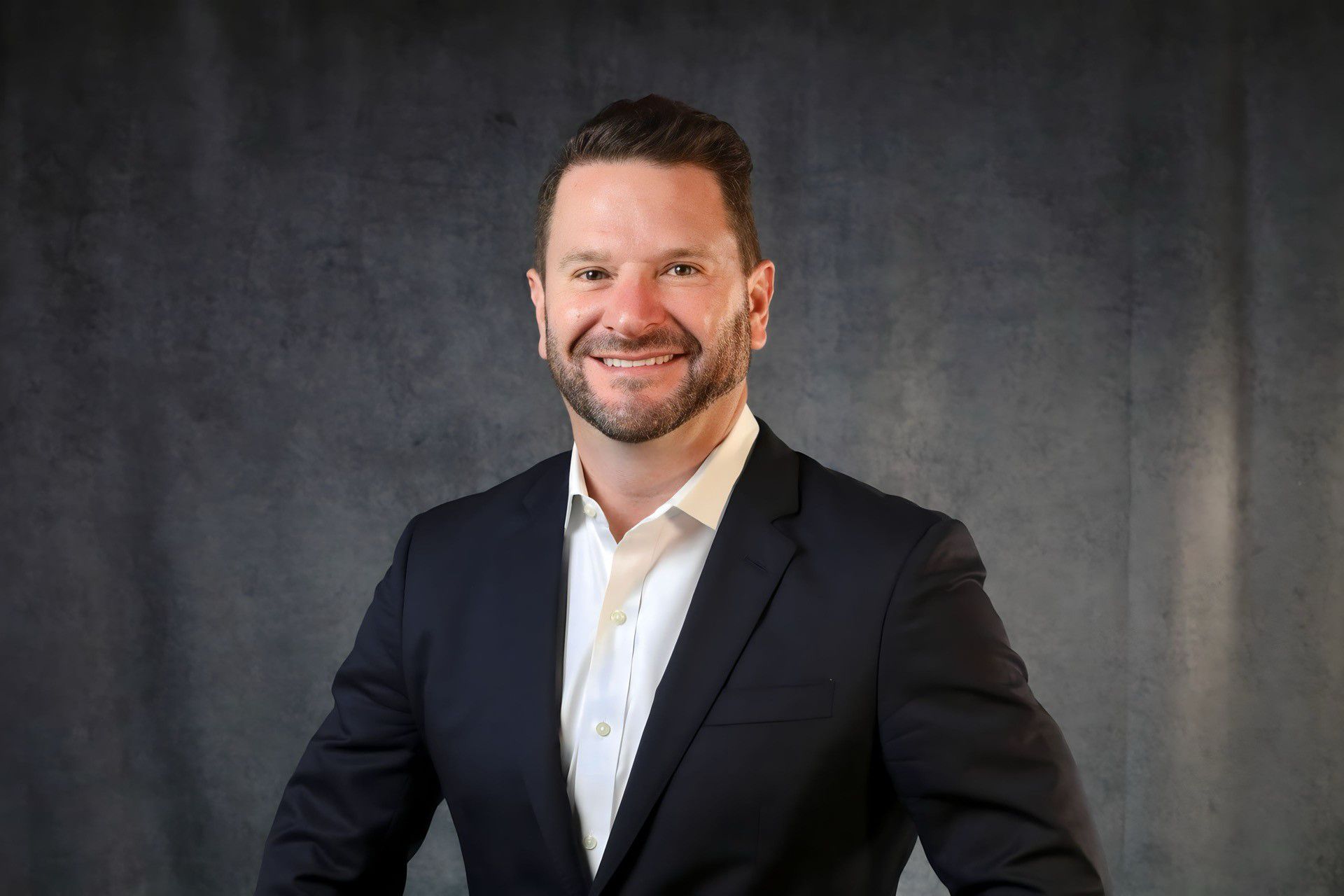
of
Josh Lowrey
Host
Josh Lowrey is a business leader and entrepreneur who brings a real-world leadership perspective to conversations at the intersection of technology, energy, and execution. He is the co-host of The IT Crowd, the technology podcast for ClearSync Solutions, where he leads discussions on cybersecurity, innovation, and enterprise technology strategy, and the host of The Energy Pipeline podcast sponsored by Caterpillar, focused on the technologies, equipment, and people powering modern energy and infrastructure. Josh is the founder of Upright Digital and Galtway Industries, and a co-founder of Daniel Energy Partners, with investments spanning Breaker 19, Clarity Ice, and Essential Safety PPE, the largest manufacturer of medical gowns for the U.S. government. Across his work, Josh connects hands-on experience with forward-looking insights on how technology and execution drive long-term value across the energy and industrial ecosystem.
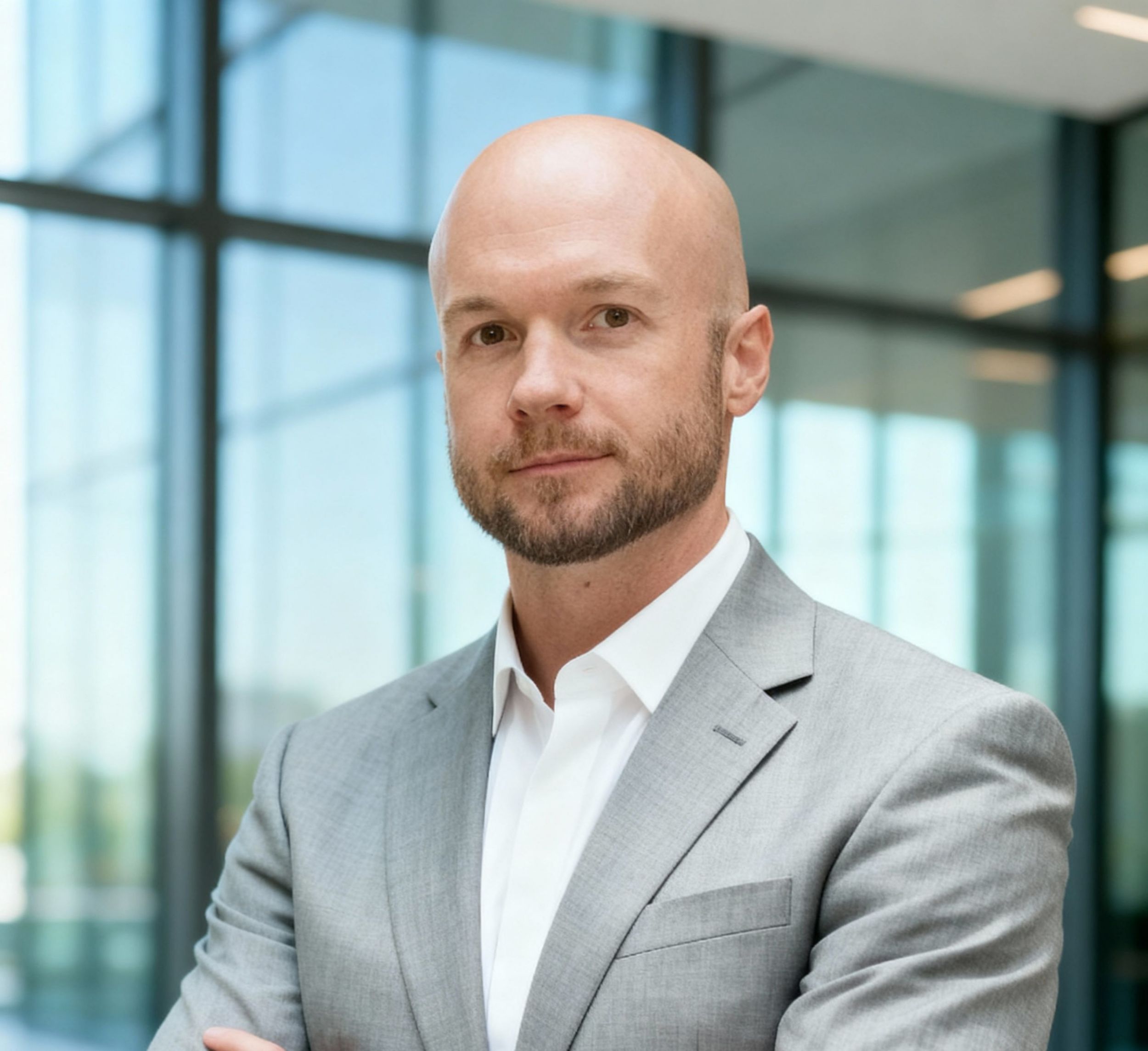
of
Tyler D. Rice
Guest
Rice has worked in the oil & gas industry for more than 20 years in several key basins. Throughout his career, he has held diverse roles across multiple functional areas including operations, project management, sales and new product development. Rice currently resides in the Permian Basin area serving as the pressure control technologies champion at SPM Oil & Gas. In this role, he focuses on bringing deep knowledge, executing business development and product strategy, driving SPM market growth.
LEARN MORE ABOUT CATERPILLAR OIL AND GAS
Your Business
 North America – English
Caterpillar Brands
- Caterpillar.com
- My Marketing Preferences
- Site Map
- Cookie Settings
- Legal
- Privacy
- Do Not Sell or Share My Personal Information
- Accessibility Statement
- US-English
- © 2026 Caterpillar. All Rights Reserved.