
A Power Primer: Contrasting GHG Emissions
January 23, 2026
Parts & Services
Sustainability
About
Learn how Caterpillar is helping cut GHG emissions, boost efficiency, and stay capital disciplined with diesel, dual-fuel, LNG, storage, microgrids, and hydrogen.


Power Primer: Contrasting GHG Emissions - Ep 120 - Transcript
Read the full episode transcript
00:00:03 Narrator
This episode of the Energy Pipeline is sponsored by Caterpillar Oil and gas. Since the 1930s, Caterpillar has manufactured engines for drilling, production, well service, and gas compression. With more than 2100 dealer locations worldwide, Caterpillar offers customers a dedicated support team to assist with their premier power solutions.
00:00:28 Narrator
Welcome to the Energy Pipeline Podcast with.
00:00:31 Narrator
Your host, Russell Stewart. Tune in each week to learn more about industry issues, tools and resources to streamline and modernize the future of the industry.
00:00:41 Narrator
Whether you work in oil and gas.
00:00:43 Narrator
Or bring a unique perspective, this podcast.
00:00:45 Narrator
Is your knowledge transfer hub.
00:00:48 Narrator
Welcome to the Energy Pipeline.
00:00:54 Russell Stewart
Hey, everybody. As always, thanks for listening and thanks to Caterpillar Oil and Gas for making this podcast possible today. My guest on the show is Timothy Susie. Timothy, thanks for coming on today.
00:01:07 Timothy Soucy
Yeah, thanks for having me, Russell. Excited to be here.
00:01:10 Russell Stewart
Well, I'm excited to have you here. We're gonna. I think we're gonna talk about one of our favorite subjects on this podcast, and that's power generation. And so, Timothy, you're with Caterpillar, is that right?
00:01:23 Timothy Soucy
That's correct, yeah.
00:01:25 Russell Stewart
Okay.
00:01:25 Timothy Soucy
Been in the oil and gas industry around 19 years now. So I actually started in a fabrication shop, kind of evolved into working in the field, Worked in rental, learned kind of engines, pumps, transmissions, and then I've been in sales about 10 years now, so.
00:01:42 Russell Stewart
Oh, wow. Okay. All right. So what do you do for Cat?
00:01:46 Timothy Soucy
I'm a senior account manager at Caterpillar. So basically on a day to day basis, I meet with customers, try to understand their strategic goals, whether that's emission reduction, improved operational efficiency, whatever the case may be, and then make sure we're aligning our current state projects and future state projects projects to meet those goals. So in a nutshell, that's kind of what I do on a day to day basis.
00:02:09 Russell Stewart
So you're in Houston?
00:02:10 Timothy Soucy
I'm in Fort Worth, actually.
00:02:12 Russell Stewart
Oh, you're in Fort Worth. Okay. All right.
00:02:14 Timothy Soucy
Travel to Houston a bunch, though.
00:02:16 Russell Stewart
Oh, I bet you do. Okay, so we talking upstream midstream. What are we talking about?
00:02:23 Timothy Soucy
Yes, I work with the drilling segment specifically. So much on drilling rigs.
00:02:27 Russell Stewart
Oh, great. Okay. Drilling rigs. Okay, well, I'm very familiar with drilling rigs. I come out of the drilling fluids industry, so I'm just a dumb mud engineer. So there you go.
00:02:37 Timothy Soucy
Make the world go round.
00:02:39 Russell Stewart
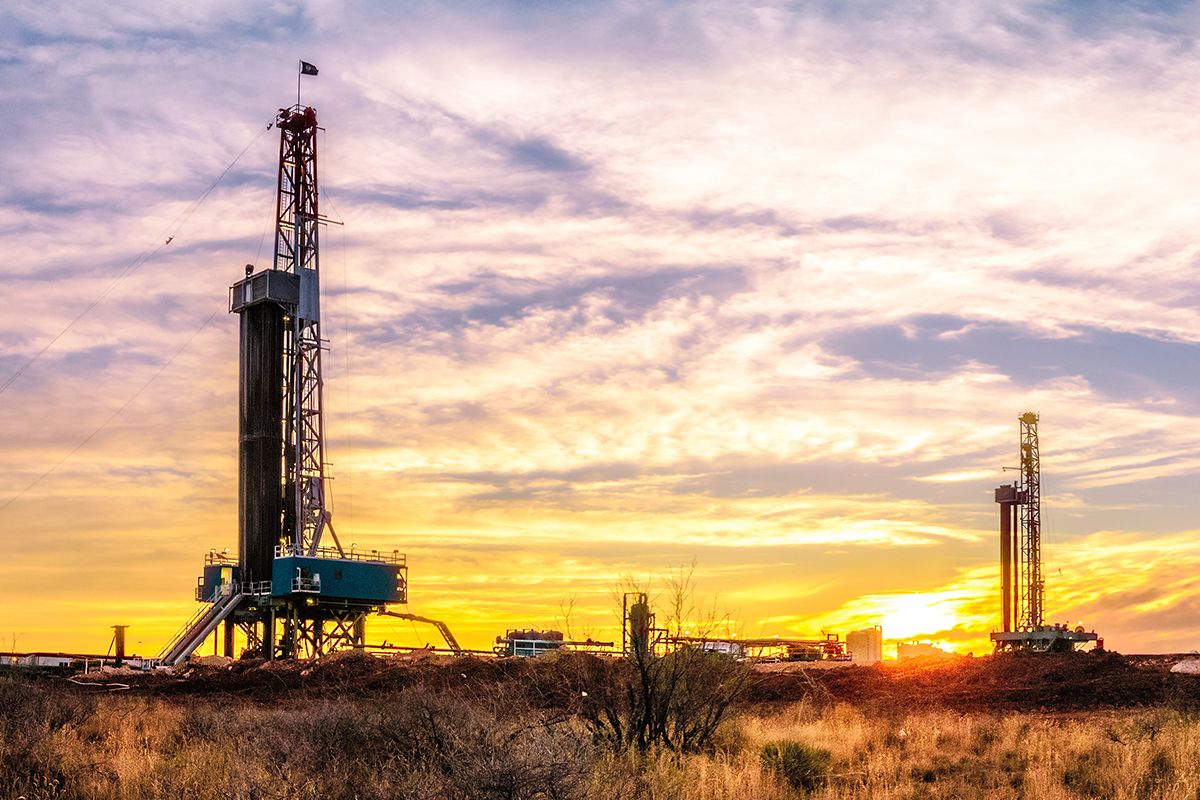
Yeah, yeah, actually, yeah, that and you, you're always reminded of that every time something goes wrong on the rig because it's a blame the mud, you know, so. Yes, well, so since I'm familiar with and most of our audience who's listening probably are familiar with drilling rigs, and there may be some people who aren't familiar with, with drilling rigs, but one thing about a drilling rig is most of the time it's, it's out there in the middle of nowhere. And you got to have power for those things, Right?
00:03:13 Timothy Soucy
Correct. Yeah. And you know, as we'll discuss the. Those choices have changed drastically over the years. Right. So it used to be just diesel gensets. That was kind of the tried and true norm. We love diesel as well. But yeah, there's, there's tons of options where there didn't used to be back in the day. So.
00:03:30 Russell Stewart
Yeah, and so that's what we're going to talk about because that's especially important for today's oilfield companies. Why is that?
00:03:38 Timothy Soucy
Yeah, so basically, you know, as we mentioned, with, with the ever changing landscape, a lot of companies are looking to reduce GHG emissions, keep operational efficiency, and then make sure they're capital disciplined. Right. We understand sometimes markets are tight. We just want to make sure they have access to the latest technology. Whether that's diesel, whether that's natural gas, whether that's energy storage systems, you know, hydrogen is something people talk about, or grid power. Those are all things we can provide at Caterpillar. So again, we're just trying to meet with our customers, understand what's important to them, and then making sure we're driving to those solutions and then showing them what we have current state as well. So.
00:04:17 Russell Stewart
Okay, so let's take those one by one. So like you said, generators in the past were always diesel. Right. Okay. And so now we've moved to. And you use the term greenhouse gas emissions. So now we've moved to LNG is.
00:04:44 Timothy Soucy
One of the two for diesel. Kind of going back there just for a moment. Again, people love diesel. Right. They're portable, they're reliable. The infrastructure is there. We obviously make diesel components. So, you know, we love diesel. But if people are looking at reducing those, those GHG emissions, that's where natural gas does come into play. Right. So we obviously manufacture gas gen sets that helps reduce emissions. We also have things like our DGB kit, which can get you partial displacement. Right. Where so you can achieve a certain amount of gas into the system and then you also can have that diesel as a backdrop if you need that as well. So yeah, we have a ton of technology there. Extremely excited to continue to talk about that moving forward.
00:05:27 Russell Stewart
All right, so you use the term dgb, Is that what you said? Yes.
00:05:34 Timothy Soucy
Dynamic gas Blending, that's what that system is. So that system's been around a long time. We did just come out with a generation two of that system, which again just helps reduce emissions further and it also helps increase fuel efficiency. So you burn less fuel and it helps reduce emissions.
00:05:51 Russell Stewart
Okay. And so we're talking about lng, so.
00:05:55 Timothy Soucy
It can be truck gas or it can be filled gas. So if filled gas is accessible, obviously there's additional cost enhancements there, but you can truck gas in as well.
00:06:04 Russell Stewart
Okay. And so an LNG build out that accelerates competition for natural gas, correct?
00:06:17 Timothy Soucy
Yeah. So as we see, you know, LNG build out, what we're basically seeing is that's obviously going to increase value for power generation in the natural gas platform. So Caterpillar is extremely long on natural gas. Like I mentioned, we, we have our natural gas gen sets, we're going to continue to develop that. And we don't really see that as a stopgap technology. We think it's a strategic enabler. You know, it's what people are wanting, it's how the future is moving right now. So we're going to continue to develop there.
00:06:44 Russell Stewart
So how do you turn this into a strategic advantage?
00:06:48 Timothy Soucy
Yeah, so again, I think it all varies based on region. You know, some people have access to natural gas here than others. There's different pipelines. But yeah, as you continue to invest in new technolog technologies, that's where we can come in place, kind of show you what that tangible data looks like, work through your different parameters and show you the roi, what it'll cost and how quickly you can recoup that money. So as it continues to accelerate, as technologies continue to build out, that's where we can really partner and help show value there.
00:07:17 Russell Stewart
So let's flesh out a little bit this roi, we're actually creating an economic advantage with these things for the oil and gas companies, right?
00:07:32 Timothy Soucy
That's correct, yeah. So you know, our customers, customers obviously want the latest technology, Right. So no matter who the drillers are working with, they want to make sure that they're saving fuel cost, they're cutting greenhouse gas emissions and the money has to come from somewhere. Right. So what we're trying to do is say, okay, if we can reduce fuel consumption by X amount and the systems, whatever they may be, cost Y amount, you know, based on some simple math, you can figure out pretty quickly how long it would take to get that money back and then whether they charge increased day rates or how are they recouping from their customers. Those are things that we can help with as well.
00:08:08 Russell Stewart
Okay. And it also, one of the things you can do is, is you can actually capture some of the natural gas that they use for flaring. Is that right?
00:08:23 Timothy Soucy
That's correct. Yeah. We have a carbon capture kind of division, and again, I'm not extremely familiar with that division specifically, but yes, that is something that customers are doing on site.
00:08:33 Russell Stewart
Okay. And so, so you mentioned. So we got, we got dgb. We're using, we're using natural. So, so, so dual gas, that's, that's diesel and, and, and gas. Do you ever just. Is it always dual? Is it always a combination of diesel and gas?
00:09:01 Timothy Soucy
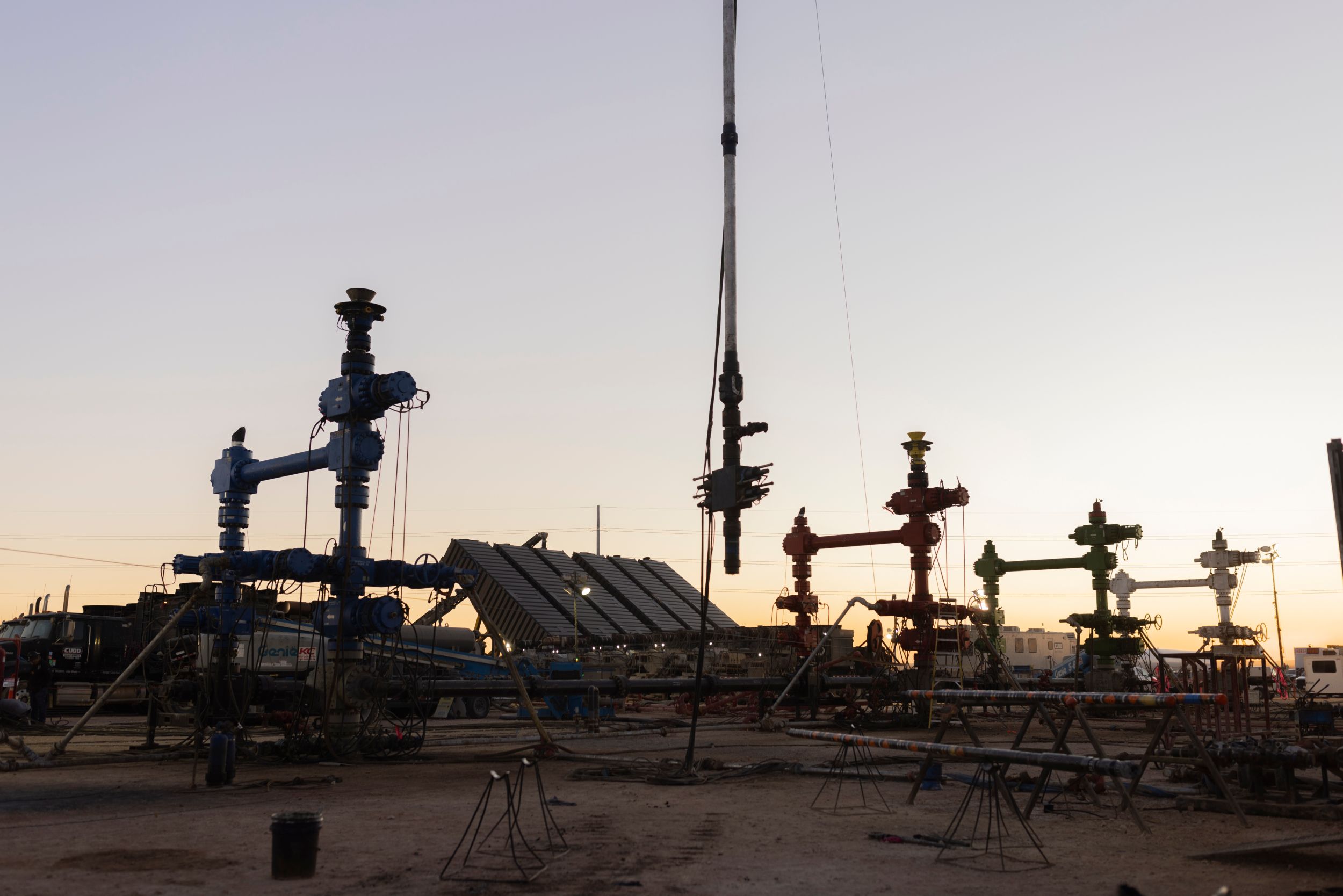
Yeah, no, you can run them in standard diesel mode as well. It's a good question. So, yeah, if something happens, if natural gas isn't available on site or supply pressure is low, that's why people like them, because there is redundancy there. So you can just run in straight diesel mode. You can continue drilling. There's no shutdowns, you know, so, yeah, that they're definitely, definitely. Is redundancy built in? Some of the other things, I'm not sure if we talked about them yet or not, but a grid tie is another one that's extremely important to certain customers. So again, it varies based on infrastructure. I know, you know, on certain drilling rigs, you know, there's not infrastructure there to tie to the grid, but if you do have access to the grid, it's a great way to reduce emissions and then get a certain amount of power from that grid itself. So again, what we've seen is if the infrastructure isn't their current state, it might not be the best fit. But if it is, we have a lot of solutions in that space as well.
00:09:53 Russell Stewart
So I guess what your job is, is you actually sit down with the drilling companies and talk about how this is, all the various different impacts of this, and then you guys sit down and you determine which type of power source should be used on site.
00:10:11 Timothy Soucy
That's correct. Yes. That's pretty much in a nutshell, what we try to do. So they obviously understand their locations and what they have on. And we just want to be a strategic partner and make sure that we're providing those solutions for those tough questions. So if they want GHG reduction, we have things that do that. If they want fuel reduction, we have things that do that. But yeah, in a nutshell, based on infrastructure, based on if they have gas on site, all those different things, we pretty much come up with customized solutions to help access them, increase savings, make sure there's no reduction in operational efficiency and continue to reduce GHG emissions.
00:10:48 Russell Stewart
Okay, so where are you operating all these different. Where are you operating? Are you in the primary? West Texas, The Permian?
00:10:59 Timothy Soucy
Yes. So, yeah, we have customers everywhere. So we have customers West Texas, we have customers, you know, in Canada, in the Middle east, you name it. We're pretty much everywhere. And I help kind of facilitate all those conversations.
00:11:09 Russell Stewart
Oh, you do? So you're. Yes. Wow. So you're international in scope.
00:11:15 Timothy Soucy
Yes, Definitely have customers in international base as well.
00:11:20 Russell Stewart
Okay. So going back to the power grid, I'm fascinated exactly how that works, you say?
00:11:29 Timothy Soucy
Yeah, so we basically have micro grid controllers. So what we've basically seen is if there's a grid on site and it's accessible, sometimes you have X amount of power available for that grid that you can use to run the drill rig. So say there's 2 megawatts available and the rig might need 3 megawatts. Well, we can utilize the 2 megawatts from the grid, still have a generator on standby there, and make up for that other one megawatt of power. And then if the grid does get to a spot where, you know, they're not allowing customers to utilize that grid, then obviously you have the diesel generators there that can just perform the power on their own. But if there is, you know, an option to use the grid, then again there's GHG emissions, there's power savings, and all that's done on the driller side. They negotiate all that. But yeah, it's definitely something in the control space that we're heavily invested invested in.
00:12:20 Russell Stewart
So what areas are more likely to have the grid available and what areas are more likely to not have the grid available?
00:12:27 Timothy Soucy
Yeah, it kind of varies. You know, we've seen them in West Texas, you know, more remote areas. Obviously the grid's not going to be available there, but we kind of rely on our customer base there to basically say, you know, we think that the grid is good, option X, Y and Z. And then we can kind of provide the controls and the infrastructure from there.
00:12:48 Russell Stewart
Okay, so something else you mentioned was storage.
00:12:52 Timothy Soucy
Yeah. So our battery energy storage system, so, you know, we call them ESS's, but ultimately on a drilling rig, there's a lot of transient response. Right. Whether you're tripping, pipe back, rimming, whatever you're doing, it's not just a steady state load all the time. So when you get these spikes in transient, if you're running gas gen sets, sometimes they don't respond exactly quick enough to handle those Transients, we've come a long way now. There's ways through prolonged programming that we can really reduce that downtime and there's pretty much almost no gap. But if there are gaps, the Batter G energy storage system just kind of acts as that stop gap to make sure that you're not dragging or dropping load during that time.
00:13:33 Russell Stewart
Now is that common? Are you doing this all the time now or is that an extra expense or.
00:13:40 Timothy Soucy
Yeah, no. We've definitely deployed quite a few batteries in the US and internationally. So again, it all kind of basis comes down to what the customer values and how they want to set them up.
00:13:49 Russell Stewart
Right.
00:13:49 Timothy Soucy
We have some customers that would rather try to control that via controls. Gas gen sets maybe not ramping the gens as quickly. Other customers just want to be able to hammer down and then utilize the batteries. So again, it kind of varies based on what your power load is, what your power needs are, what's available on site. But yeah, those are all part of the conversation that we have.
00:14:11 Russell Stewart
Okay, so there's a huge emphasis, as we've talked about so far, companies are looking for ways to reduce GHG emissions. But of course at the same time, you know, they can't compromise the their power applications. So how do you, how do you recommend the best way for them to go?
00:14:35 Timothy Soucy
Yeah, again, no, I think it's just about being that strategic partner and having those open, honest, transparent conversations. Right. So if they want diesel, we obviously offer that. If they want gas, we can do that. If GHG is their most important factor. You know, there's hydrogen that we haven't talked about that we do offer something in that space. Again, hydrogen has been a little bit slow to adapt. It's pretty cost intensive. The infrastructure really isn't currently there in a lot of applications, but that's something we can do. Or if they want a combination of gas gen sets and battery, we offer that as well. Right. So again, that's the great thing about Caterpillar is it's not just this cookie cutter approach where we have one size that fits all and that's what you do. You figure out what the customer values and then you kind of plug and play from there.
00:15:22 Russell Stewart
Okay, well, I did want to talk more about hydrogen. Let's do that. And then I have another question to ask about, you know, the overall process of the application. But where are we on hydrogen?
00:15:39 Timothy Soucy
Yeah, so, and again, I'm not the hydrogen expert by any means. We know some customers are utilizing hydrogen in very small quantities, maybe kind of testing feasibility, seeing what the true Savings are obviously the biggest impact with hydrogen is it can have that zero emissions target. Right. Which everybody loves. But again, just the infrastructure is not there. So we'll have to see how that, that kind of plays out. But we're definitely still working to develop solutions there. We just have to see how it moves forward.
00:16:09 Russell Stewart
So are your customers the, the generation system or the generators themselves, whatever they are, do they purchase these, do they lease these? How does that work?
00:16:26 Timothy Soucy
Yeah, no. So we have purchase options and rental options through our dealers with Caterpillars. So yeah, we've definitely seen them do both. And some of them may be for areas in Colorado or where emissions are a little tighter and they only need them for X amount of time, then maybe rental is a better option. A lot of my customers directly do purchase the equipment, but yeah, it's a good question. We do offer both solutions.
00:16:48 Russell Stewart
Yeah, that was what I was wondering was. So I guess you look at ROI when you determine whether or not you're better off purchasing or whether or not you're renting them or that sort of thing, and then who, who maintains them?
00:17:05 Timothy Soucy
So it can go both ways. Our dealers can maintain them or some customers, if they're comfortable enough and familiar with the equipment, they can maintain them on their own as well. So a lot of people like to use the dealers. Obviously they're experts in that field. But basic general maintenance, some customers obviously can handle that. And to your point, you know, customers are extremely capital disciplined. Now, they're not just going to write checks. They really want to see in black and white, okay, how much does this cost? What are we charging? When can we recoup this money? And I think the nice thing about Caterpillar is, you know, when we're claiming a 10% reduction in fuel or a 30% increase in displacement, since we own the equipment, we're able to prove that Intangible data. Right. We're not just sitting here making these claims. We have reports, they show, you know, displacement numbers, total fuel consumed, some GHG emissions targets and goals. And we can sit down with our customers on a monthly basis or a quarterly basis and review that and making sure we're aligned with what they're trying to achieve. So those are some of the other differences that we can provide at Caterpillar.
00:18:08 Russell Stewart
So you work directly for Caterpillar?
00:18:12 Timothy Soucy
I do, yes.
00:18:12 Russell Stewart
Not a dealer.
00:18:14 Timothy Soucy
Not a dealer, that's correct, yes.
00:18:16 Russell Stewart
Okay, so how does that coordinate?
00:18:19 Timothy Soucy
Yeah, so it's an interesting dynamic, but again, the dealers are kind of the backbone of what we do. From a Corporate standpoint, we're really just trying to provide the latest technology. We work a lot through corporate account agreements and strategic partnerships to make sure we're aligned long term on those goals. And then the dealer's the one that's going to execute the delivery of the equipment, servicing the equipment, things of that nature. So we work hand in hand with dealers. Our dealers are great. But yes, I do work directly for Caterpillar in the corporate area and directly with the customers, mostly at the C suite level.
00:18:54 Russell Stewart
Okay. And then you're dealing with customers at the C suite level and then how does it filter down from there to the actual drilling site?
00:19:05 Timothy Soucy
Yeah, so our dealers are a big part of that. And obviously we go out on drilling sites too. Right. And during those meetings, it's not exclusive C suite. So they're going to bring in, you know, whether it's a superintendent or whoever it is to make sure that they have input from the rig itself. So if they're saying, hey, hey, we're seeing a problem with XYZ or this is something that we want to make sure we address in the future, those guys are represented in that room as well. And I don't take those meetings on my own. Right. We have guys that are technical experts, we have engineers, we have a great team that works on future projects. So yeah, it's definitely more than just a one person approach in those meetings.
00:19:40 Russell Stewart
Yeah. And the future is kind of exciting because you guys are. Tell me a little bit about that.
00:19:49 Timothy Soucy
Yeah, no, I think we're extremely well positioned. Again, and that's the great thing with Caterpillar is because it's such a strong company, we can heavily develop, you know, R and D projects. We can take risks that other companies might not be able to do. So if a customer says, hey, we really see value in X and we can get a minimum order quantity or we can have those conversations, then that helps us drive to that where other companies might not be able to respond as quickly. And there's a lot of intelligent people at Caterpillar, obviously. So, you know, we try to recruit heavily. We do a great job there. We retain talent well. So I think some of those are some of our core values that we really try to strive for at Caterpillar is make sure we have the right people in the right place. We're working closely with the customer and we're aligning to what's important to them and then what's important to us. So it's, it's been great so far. Truly have enjoyed it.
00:20:39 Russell Stewart
Well, I'M I'm glad, I'm glad for that. Timothy. I really appreciate this opportunity to, to talk to you about power generation on, on drilling rigs. So we've talked about diesel, we've talked about dual fuel, we've talked about ESS energy storage systems, a little bit about maybe hydrogens in the future. What have I missed?
00:21:09 Timothy Soucy
Yeah, and grit tie. I think in a nutshell, that's pretty much it. And like you said, I think the main focus for me was just making sure everybody understands what we try to do at Caterpillar on a daily basis, which is truly just be transparent, have these conversations with our customer, show them where we think the market's going and make sure that aligns with what they see on their end as well. And I think as long as we do that, we'll be, we'll be well positioned. So.
00:21:33 Russell Stewart
Well, well, there you go, folks. So you need to reach out to Timothy. We'll put his LinkedIn URL in the, in the show notes and I guess it's the Website still. What? Www.cat.com yes, sir.
00:21:49 Timothy Soucy
Yes. And like you said, you can contact me directly. Love having these conversations and meeting with customers at rediscover day. So.
00:21:55 Russell Stewart
All right. Well, Timothy, I'm not exactly sure when this podcast will air. I think it'll be in the next week or two. We're actually recording this right now, a couple of days before Christmas. So I know that's a busy time of the year, the holiday schedule and everything. So I appreciate you taking your time to be able to have this conversation. And so I wish you a Merry Christmas and a happy New Year. And thanks for coming on.
00:22:28 Timothy Soucy
No, thank you again for having me, Russell. Truly enjoyed it.
00:22:30 Russell Stewart
All right, and everybody else out there, as always, thanks for listening. Tell your friends to listen, post us on LinkedIn, leave us reviews, and we'll see you next time. Thanks for listening to oggn, the world's.
00:22:43 Timothy Soucy
Largest and most listened to podcast network.
00:22:45 Russell Stewart
For the oil and energy industry.
00:22:47 Timothy Soucy
If you like this show, leave us.
00:22:48 Russell Stewart
A review and then go to OGGN to learn about all our other shows. And don't forget to sign up for our weekly newsletter.
00:22:56 Timothy Soucy
This show has been a production of.
00:22:57 Russell Stewart
The Oil and Gas Global Network.
of
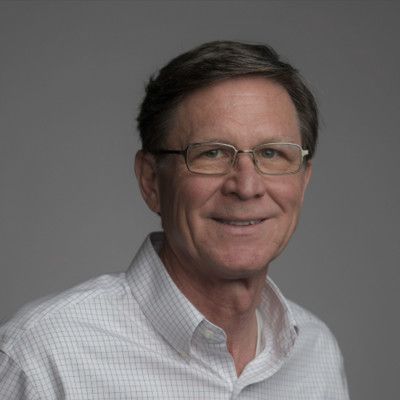
Russell Stewart
Host
Russell Stewart is a podcast host for the Oil and Gas Global Network (OGGN) and a Managing Member of Environmental Recovery Oilfield Services & Consulting, LLC, distributing specialty chemical products from TETRA Technologies to remediate hydrocarbon and produced water spills. With over 40 years of experience in marketing and sales development, Russell has built new companies and markets, served as a sales consultant and manager in various industries, and taken two start-up sales opportunities to multi-million dollar annual revenue.
Russell entered the Oil & Gas industry in 1997 as General Sales Manager for a specialty service company, setting up its marketing plan. He is a current Board Member and past Chairman of the API-Houston Chapter, supporting six scholarship funds in Petroleum Engineering at several universities. Over his career, he has been a featured speaker on leadership, life coaching, ethics, and positive perspectives on the Oil & Gas industry.
Russell hosts the OGGN HSE Podcast, one of the top-ranked industry HSE podcasts globally, exploring health, safety, and environmental topics with expert guests. He also hosts OGGN’s The Energy Pipeline Podcast, sponsored by Caterpillar Oil & Gas, which delves into issues impacting the industry.
Russell is married to his high school sweetheart, Cindy, and has two grown children and five grandchildren.
LEARN MORE ABOUT CATERPILLAR OIL AND GAS
Your Business
 North America – English
Caterpillar Brands
- Caterpillar.com
- My Marketing Preferences
- Site Map
- Cookie Settings
- Legal
- Privacy
- Do Not Sell or Share My Personal Information
- Accessibility Statement
- US-English
- © 2026 Caterpillar. All Rights Reserved.