

Our Most Unusual Machines (and What They Taught Us)
At Caterpillar, innovation has never been about playing it safe.
It’s about solving real problems—sometimes in ways that don’t look like anything else on a jobsite.
Over the decades, that mindset has led to some unconventional machines. Some worked exactly as intended. Others were stepping stones. All of them moved the industry forward.
Because progress doesn’t come from repeating what’s already been done. It comes from asking, what if we tried something different?
1. The Caterpillar Mower
When a Tractor Became a Mower
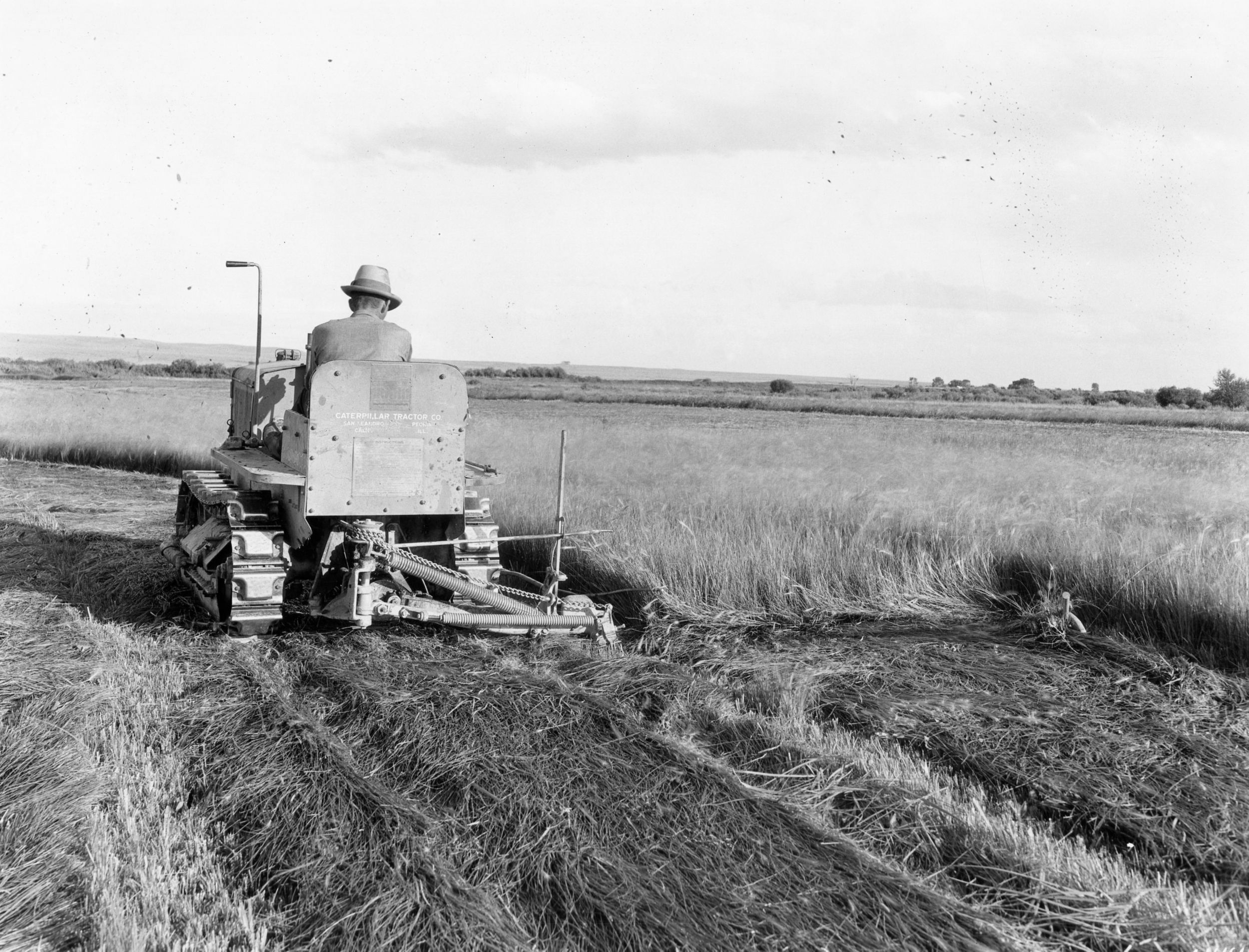
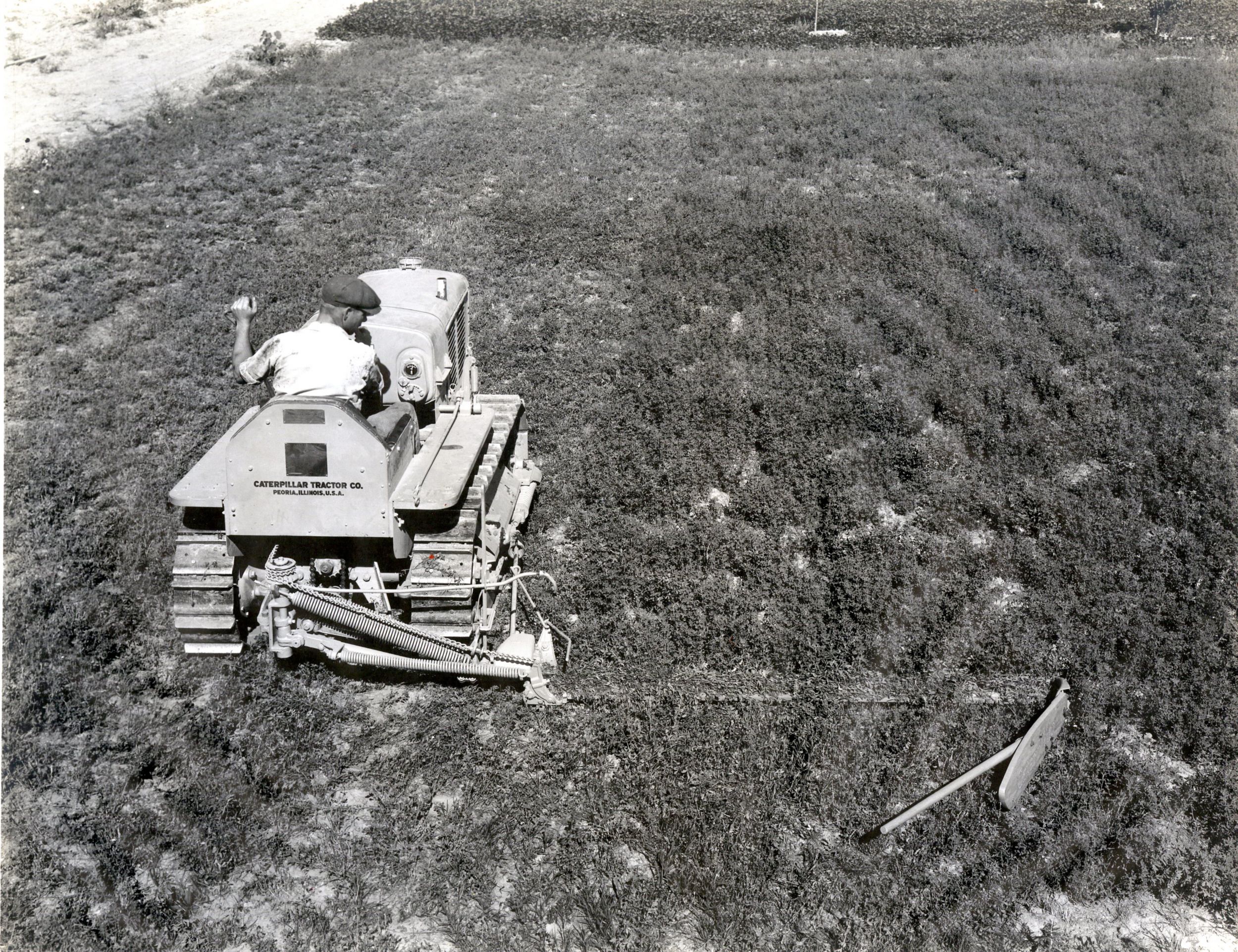
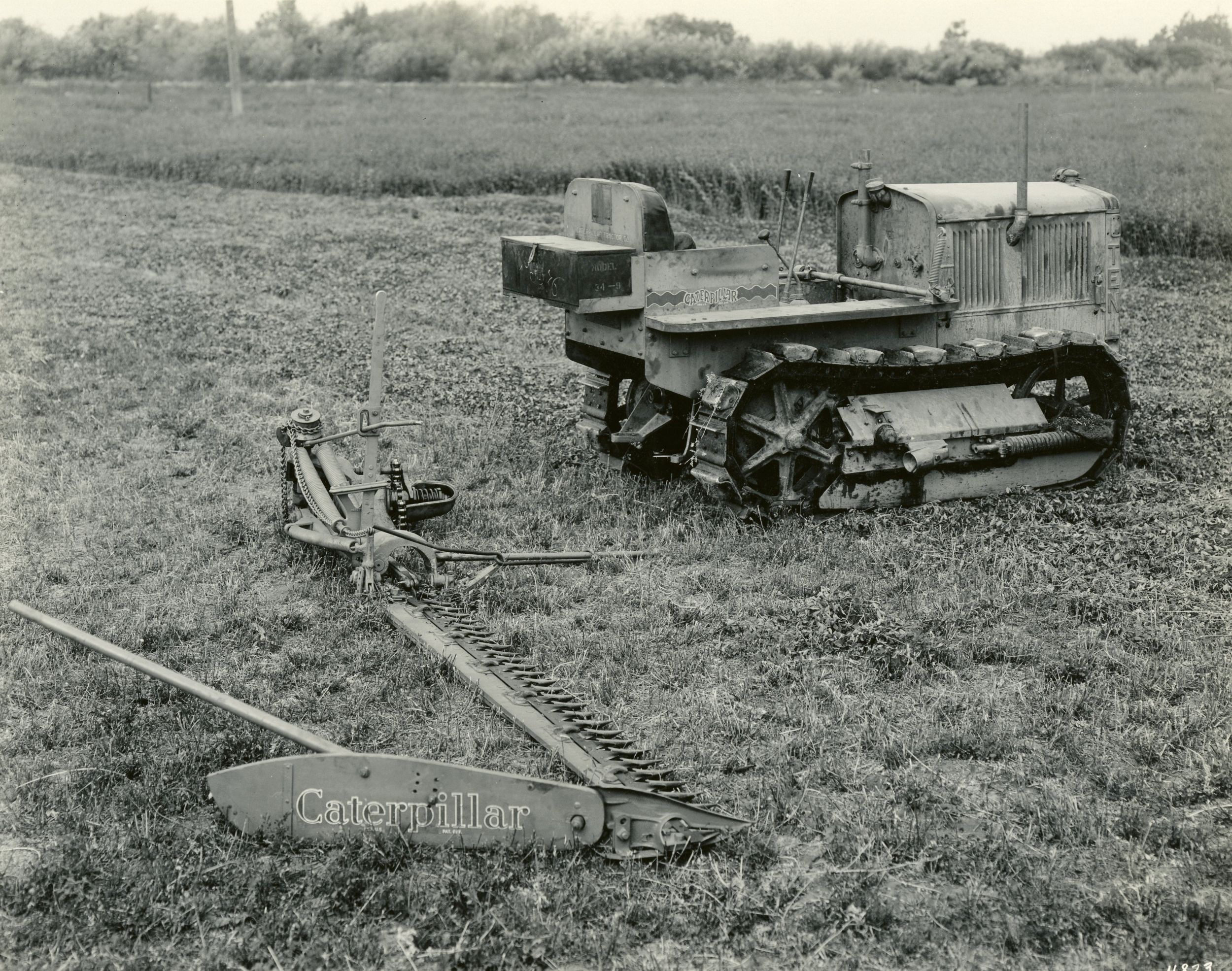
In the 1920s, Caterpillar introduced a mower attachment for its track-type tractors.
It wasn’t subtle.
Mounted at a right angle off the back of the machine, it stretched out to cut a seven-foot swath—turning a workhorse tractor into something completely unexpected.
It was built for models Ten, Fifteen, and Twenty-Two. And while it didn’t stay in production forever, it solved a very real need at the time: getting more done with the equipment customers already had.
That idea—making machines more versatile, more capable, more useful—still shows up in our equipment today.
2. Motor Patrol
Rethinking the Road: From Attachments to Purpose-Built Machines
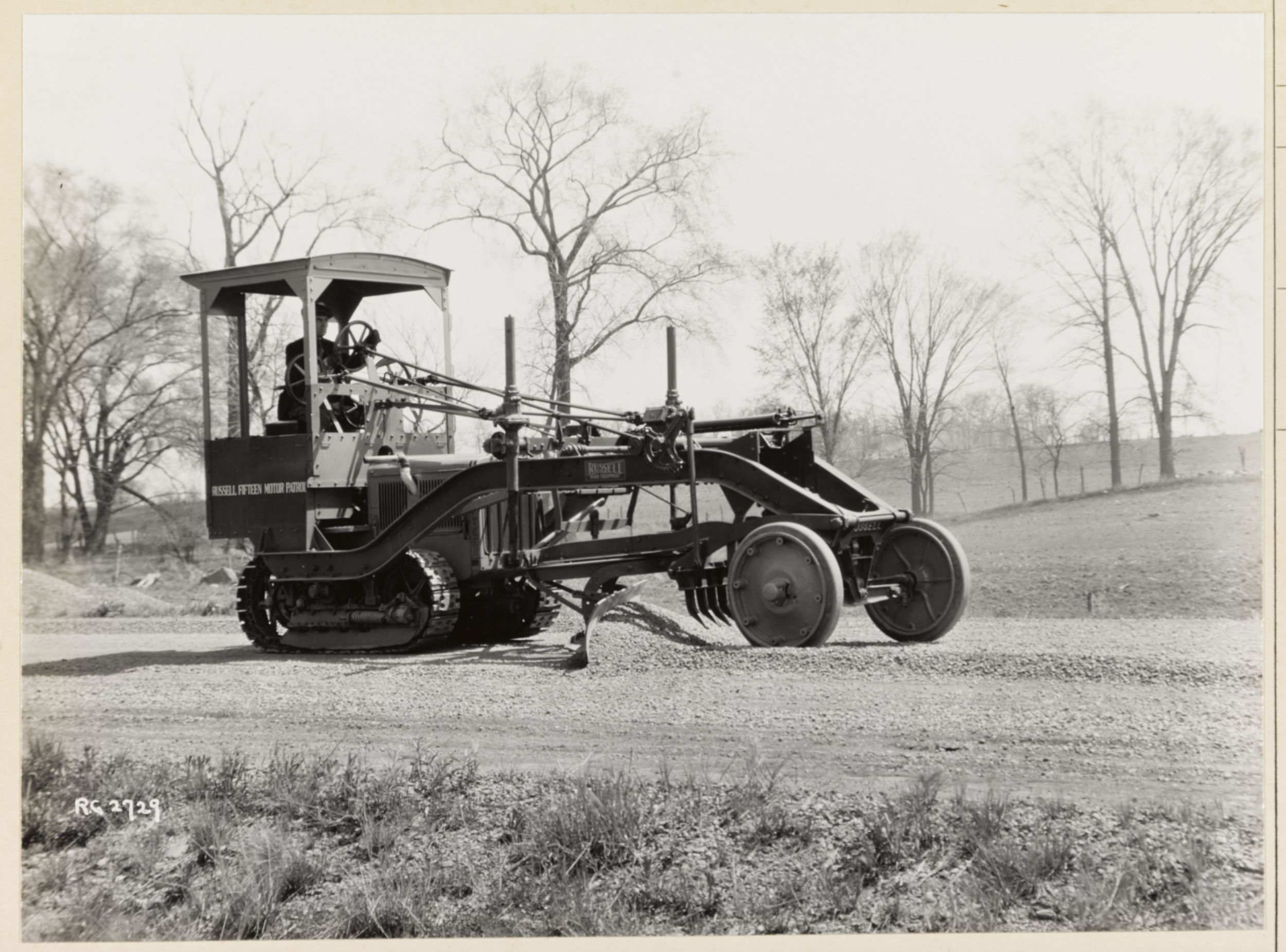
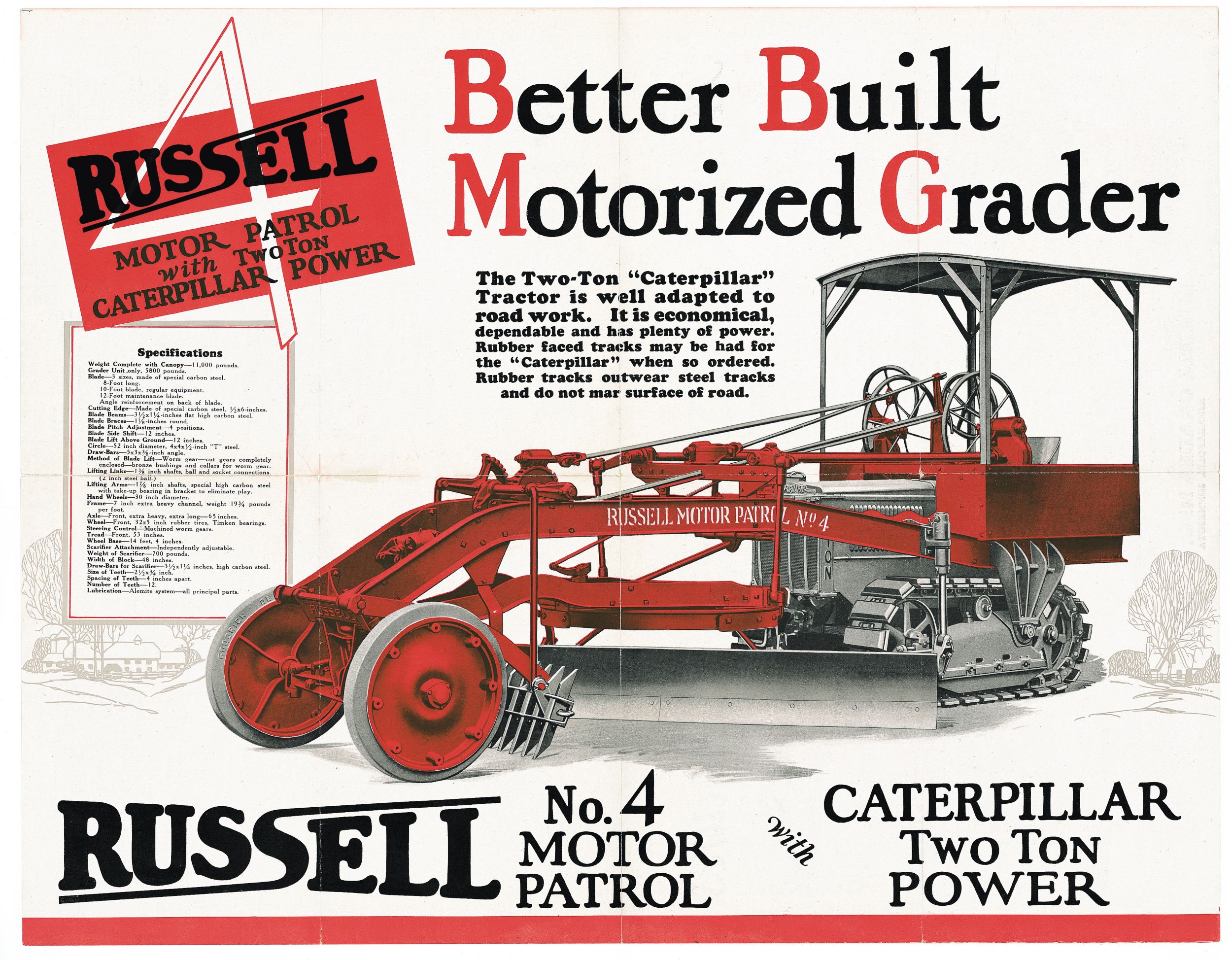
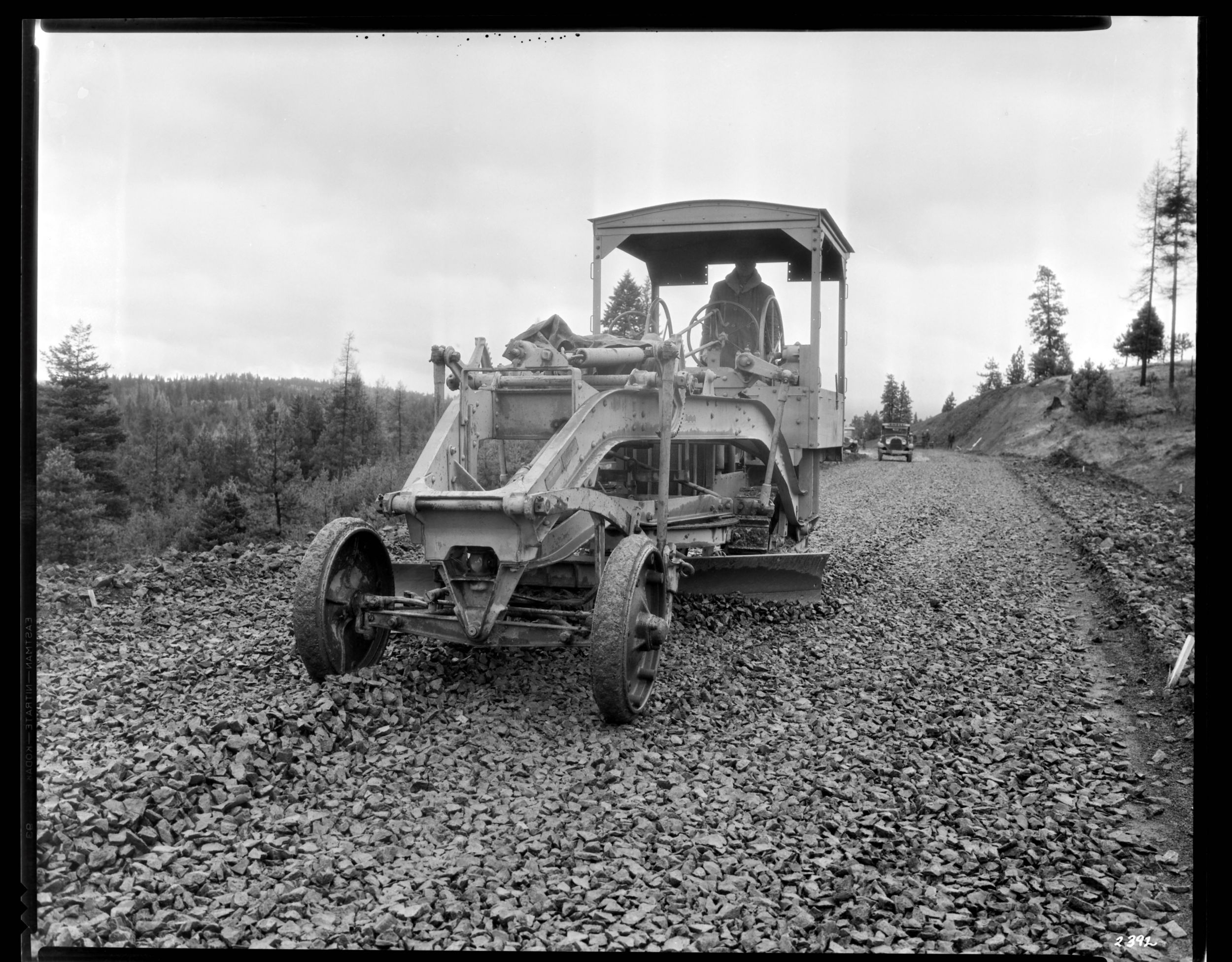
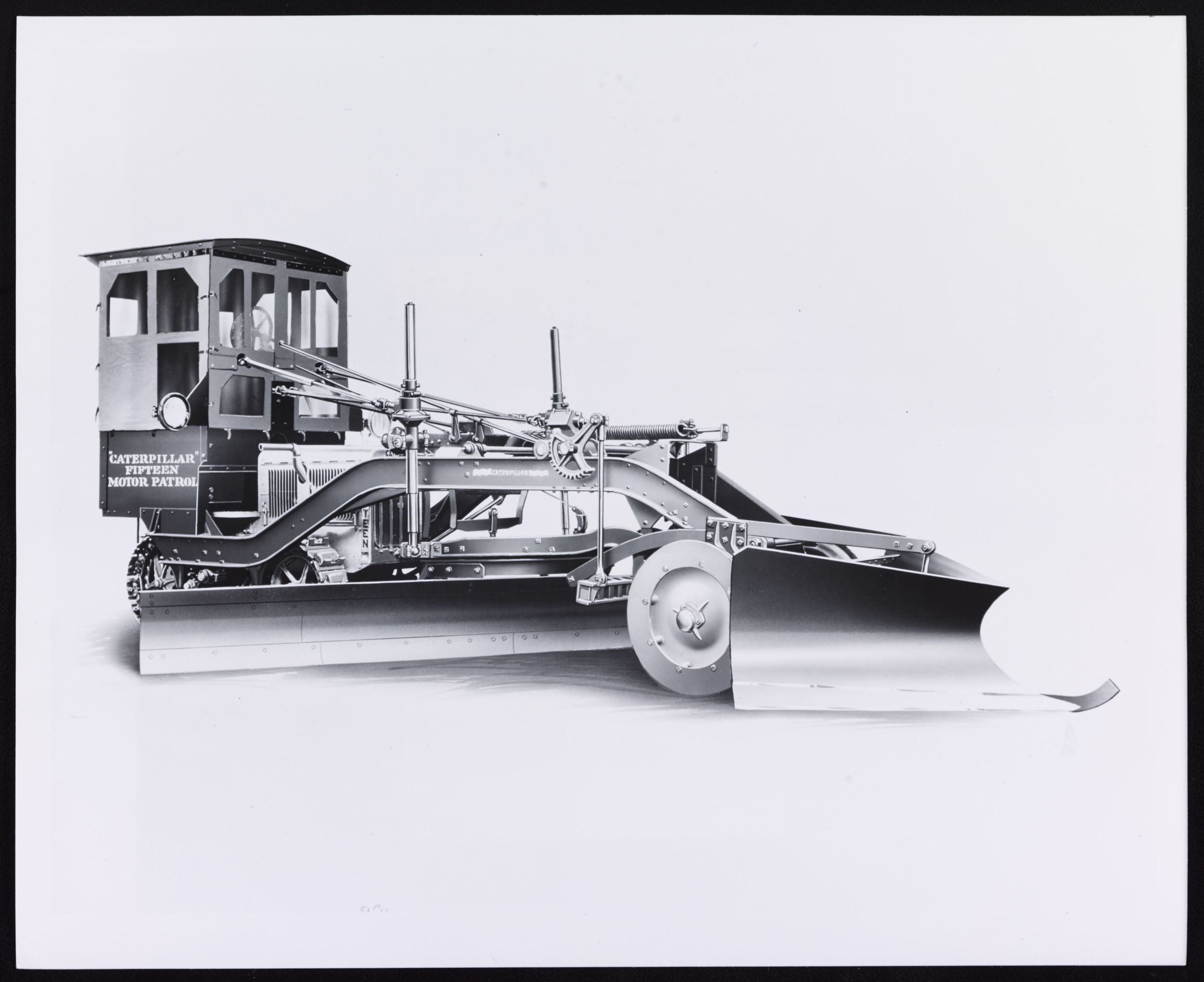
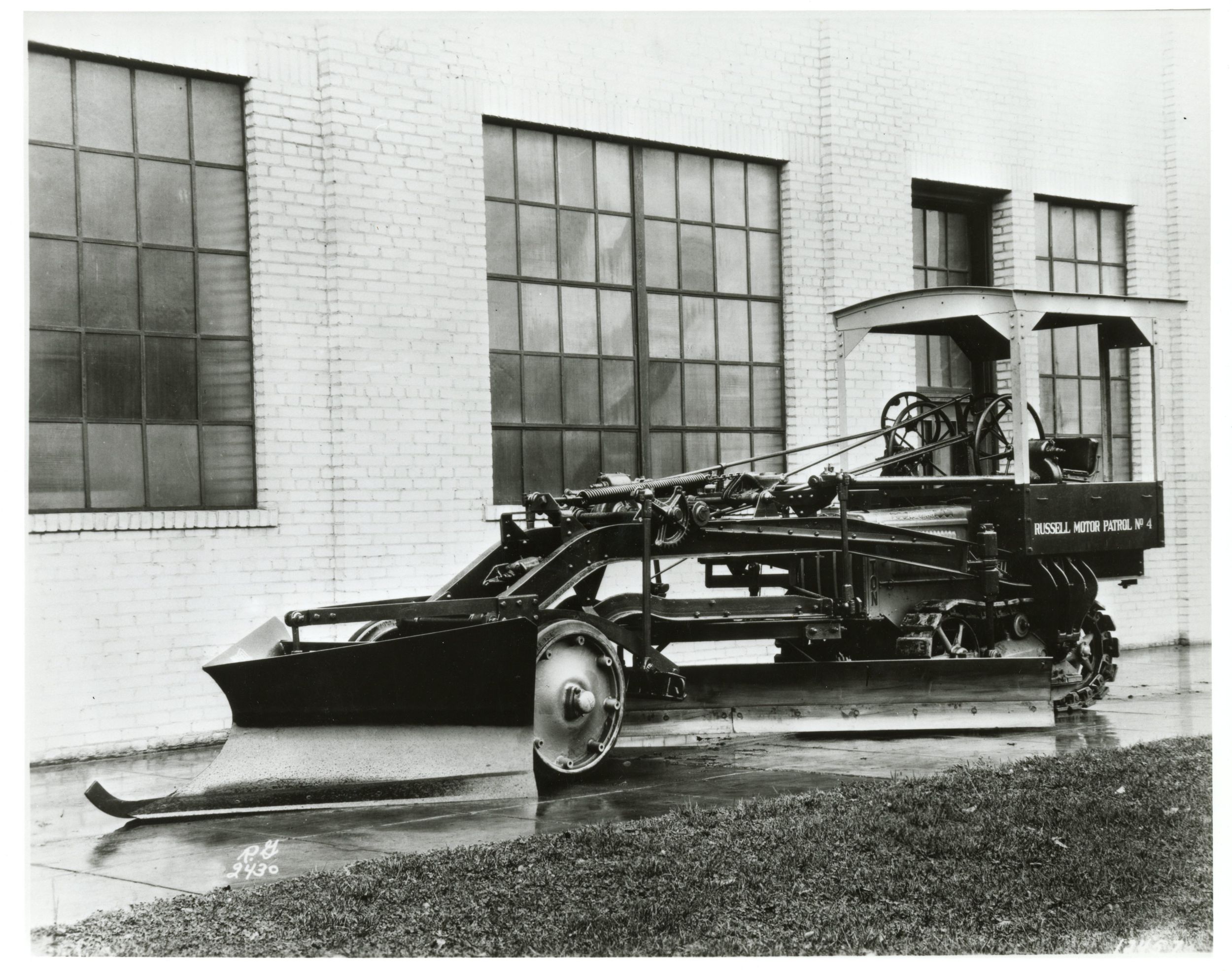
As road-building demands grew, so did the need for better solutions.
Early on, grading was handled by attachments pulled behind tractors. It worked, but it wasn’t ideal.
So Caterpillar took a different approach.
After acquiring Russell Grader Manufacturing Company, engineers reworked the concept entirely. Instead of treating grading as an add-on, they built it into the machine itself. The result was the Auto Patrol—an early motor grader that combined power and precision in one purpose-built design.
It’s a simple idea now. But at the time, it was a shift in thinking: don’t adapt the machine to the job — build the right machine for the job.
3. "Sugar Baby"
The D6 That Broke the Rules
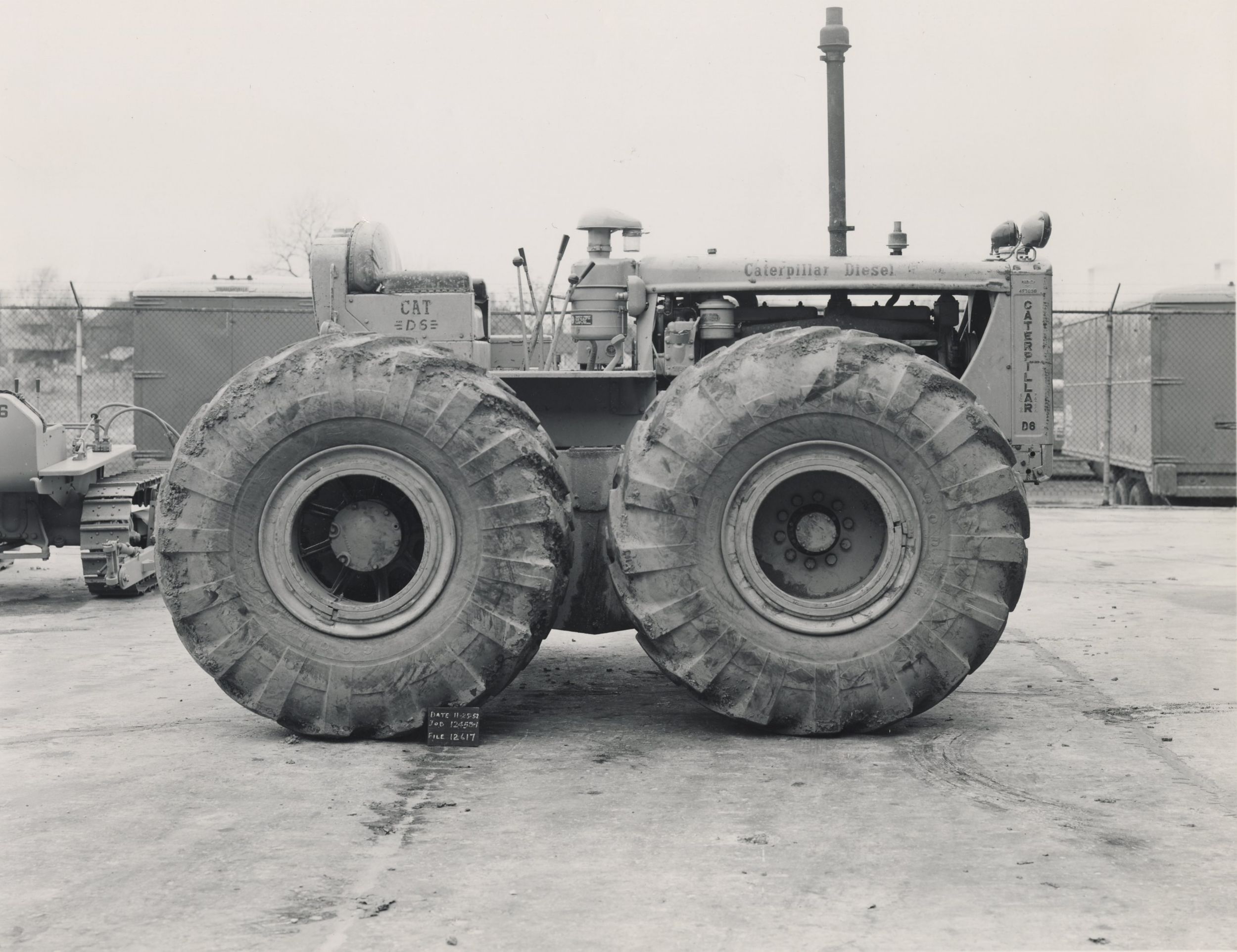
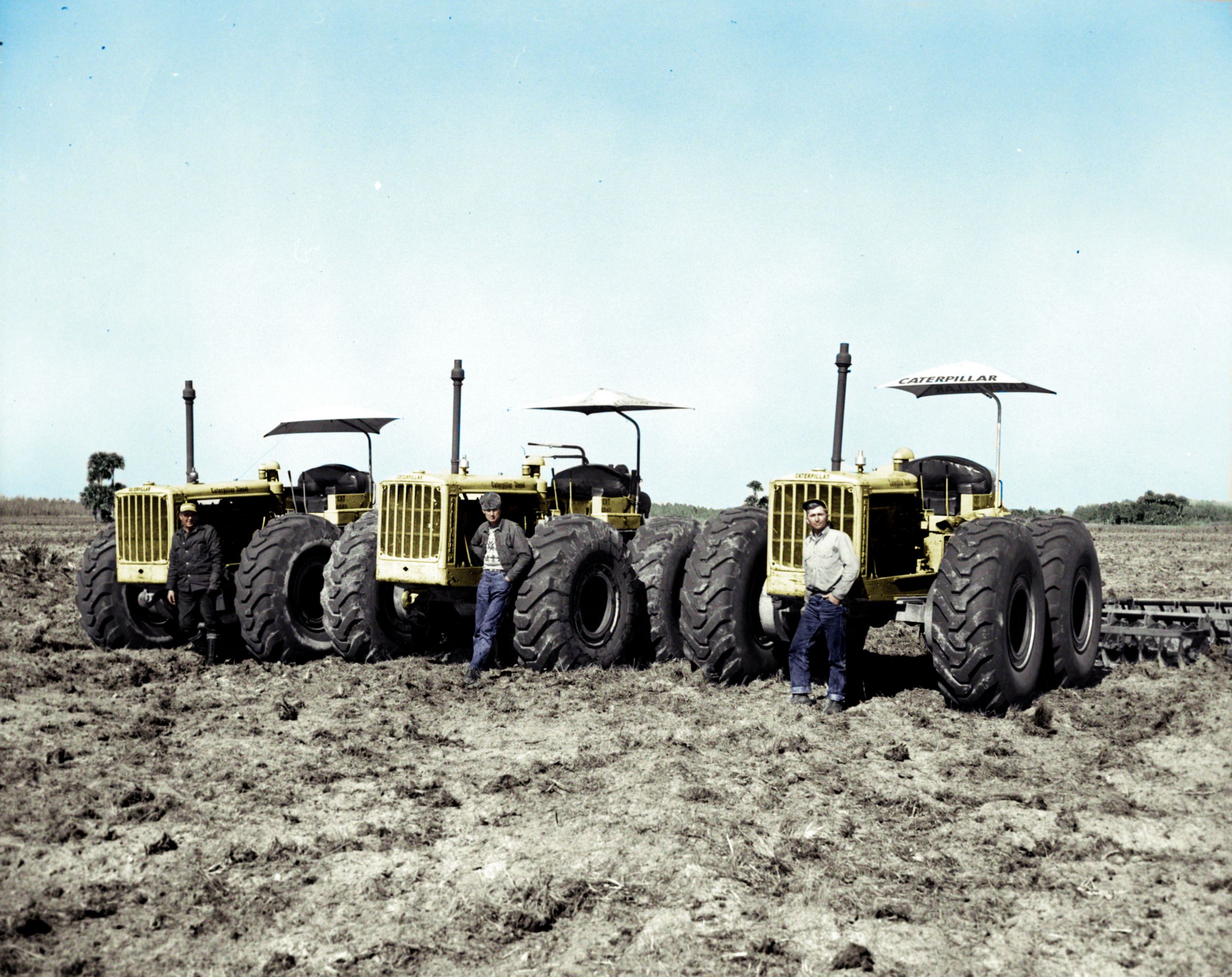
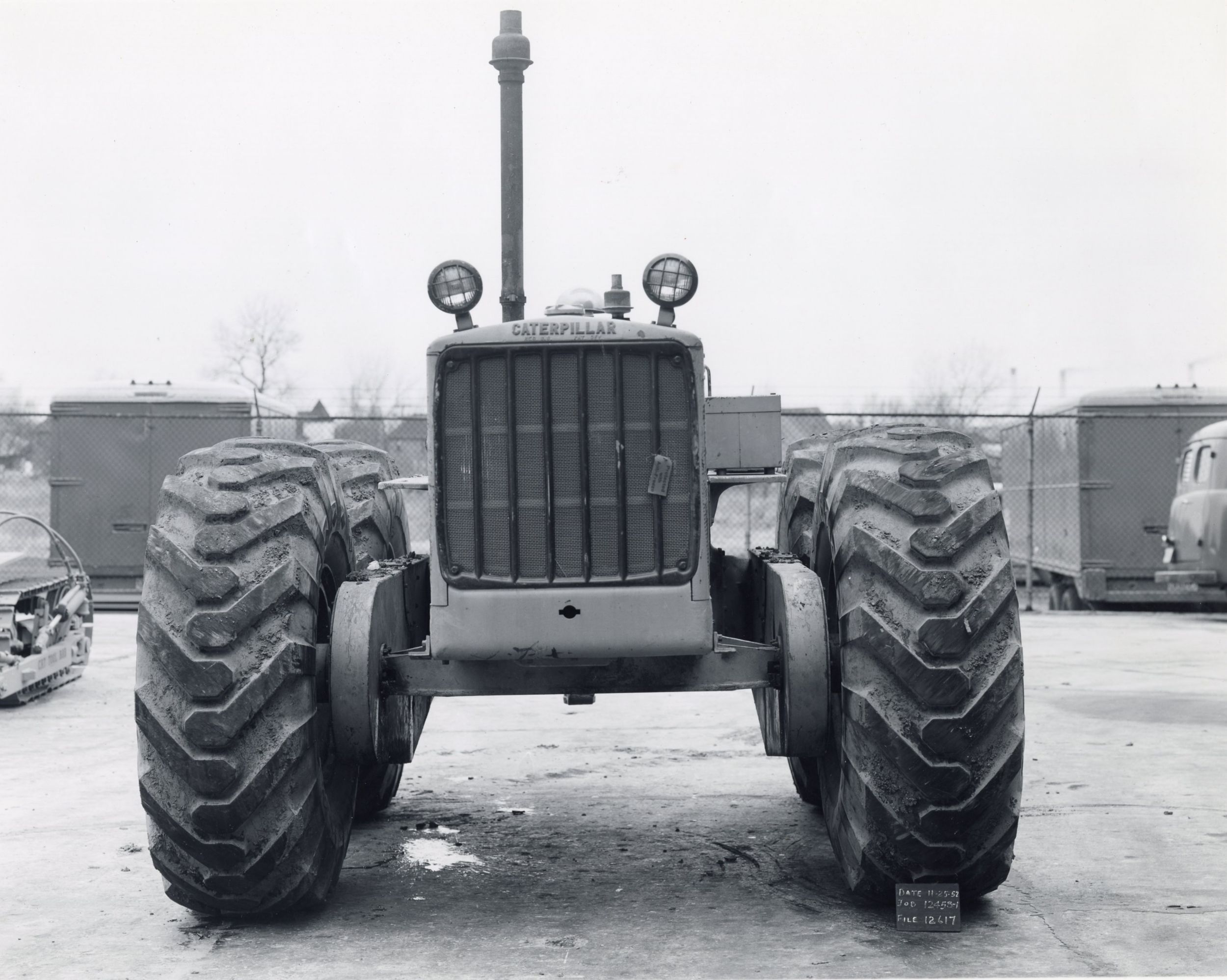
In the 1950s, one customer had a specific challenge: moving sugarcane efficiently across soft, demanding terrain.
The solution didn’t come from a brand-new machine. It came from reimagining an existing one.
A Caterpillar dealer in Florida replaced the tracks on D6 dozers with rubber tires— four equal-sized wheels that transformed how the machine moved and performed. These modified machines, later nicknamed “Sugar Babies,” were used to haul wagons from field to mill.
Around 150 were built.
They weren’t standard. They weren’t universal. But they worked — because they were designed around the customer’s reality.
That’s the difference between building products and solving problems.
4. Side-by-Side D9
Twice the Power
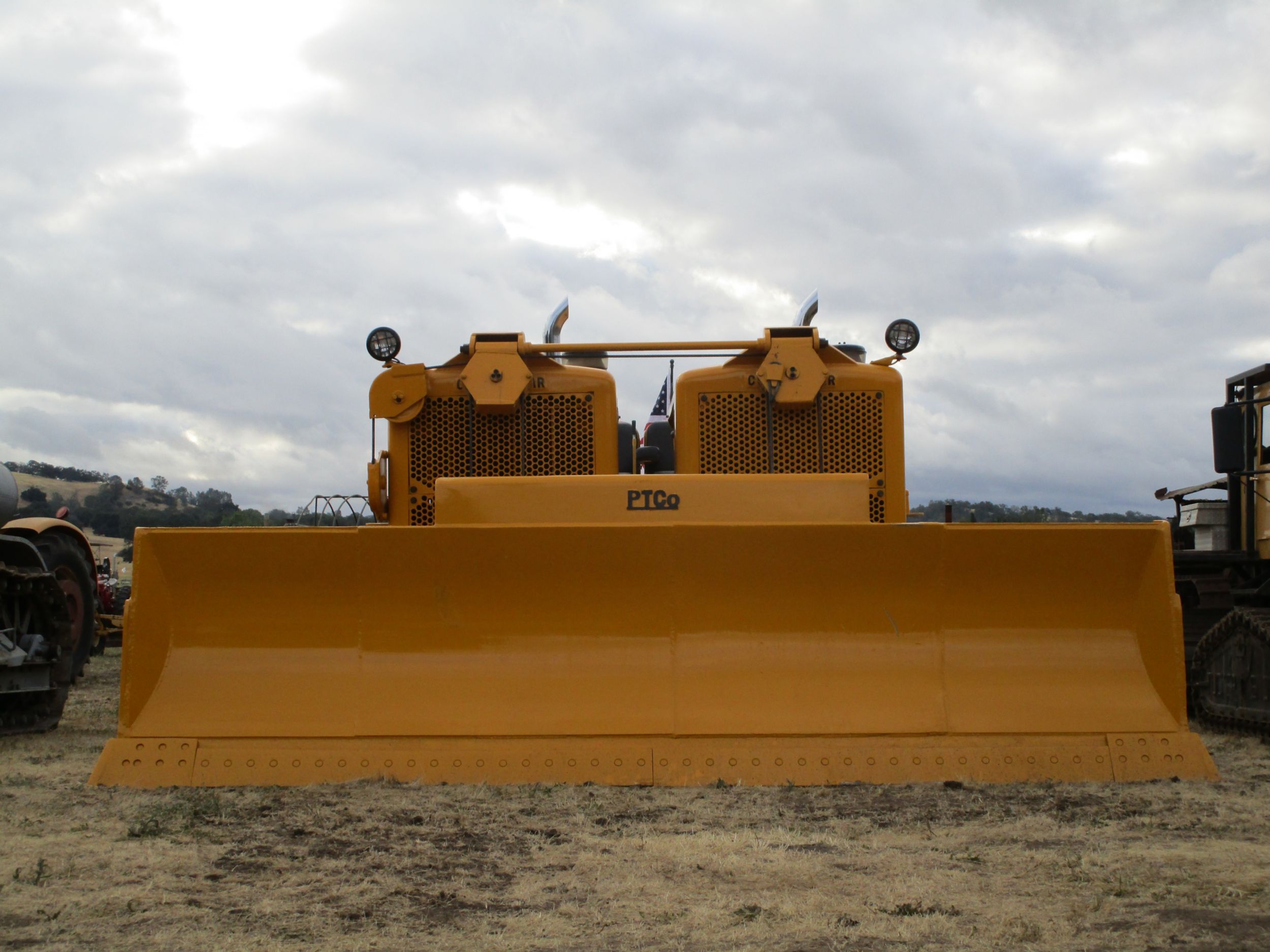
Some challenges don’t need a new machine. They need more of it.
In the late 1960s and early 1970s, Caterpillar introduced one of its most striking concepts: two D9G tractors connected side by side, operating with a single 24-foot blade.
One operator. Two machines. A whole new level of productivity.
Known as the Side-by-Side D9 (or Twin D9), it was designed for high-volume work like coal stripping, site preparation, and stockpiling. And on the right jobsite, it delivered exactly what it promised: more material moved, more efficiently.
It didn’t become a permanent part of the lineup. But it proved something important: Sometimes innovation isn’t about making one machine better — it’s about rethinking how machines work together.
What “Unusual” Really Means
Not every idea becomes a long-term product. And that’s the point.
These machines weren’t built to be safe bets. They were built to explore, to adapt, and to push boundaries.
They reflect something deeper about how Caterpillar approaches innovation:
- Start with the job, not the product
- Build for real-world conditions, not assumptions
- Learn fast, and apply it forward
Because every experiment adds to what comes next.
Looking Ahead
The machines may look different now. The technology is more advanced. The challenges are evolving. But the mindset hasn’t changed.
Progress doesn’t happen by staying in bounds. It happens by testing them. And sometimes, the most unusual ideas are the ones that move everything forward.
Related Stories
-
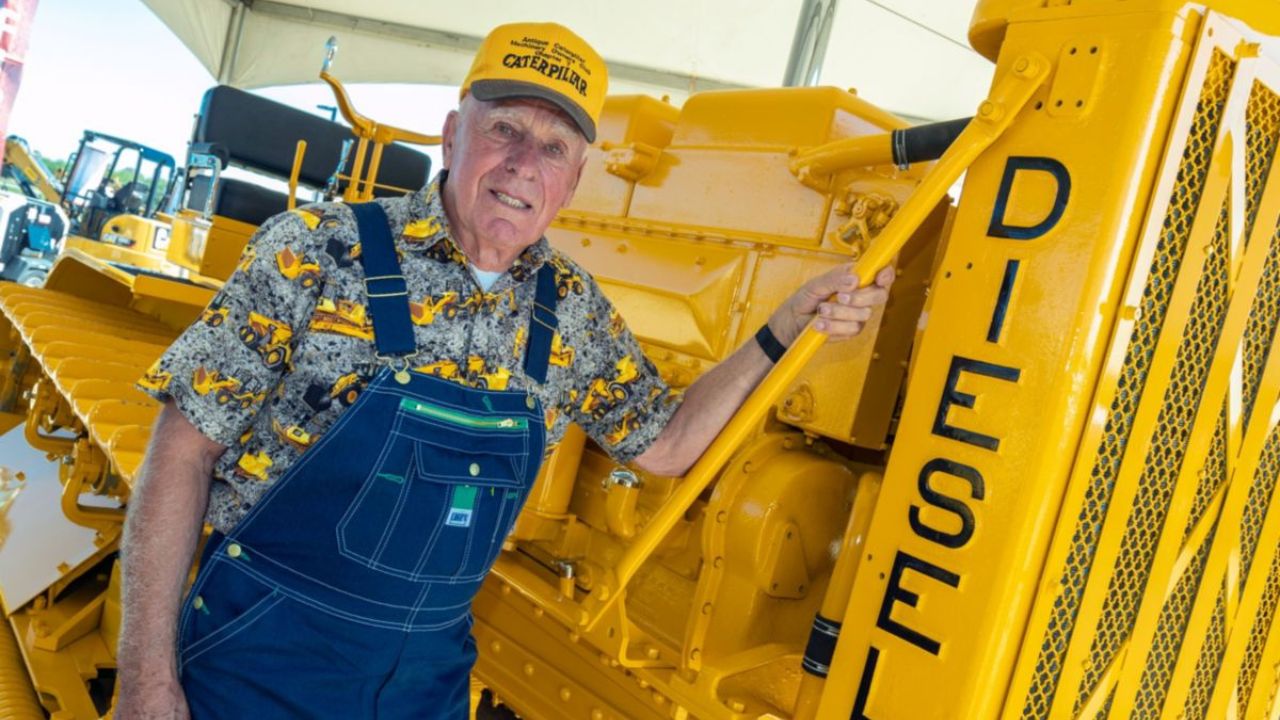
6 Caterpillar Collectors and Their Collections
Read our Q&A with six Caterpillar collectors to learn how they have started their collections of antique Caterpillar machinery, equipment models and collectibles.
Read more Brand Loyalty -
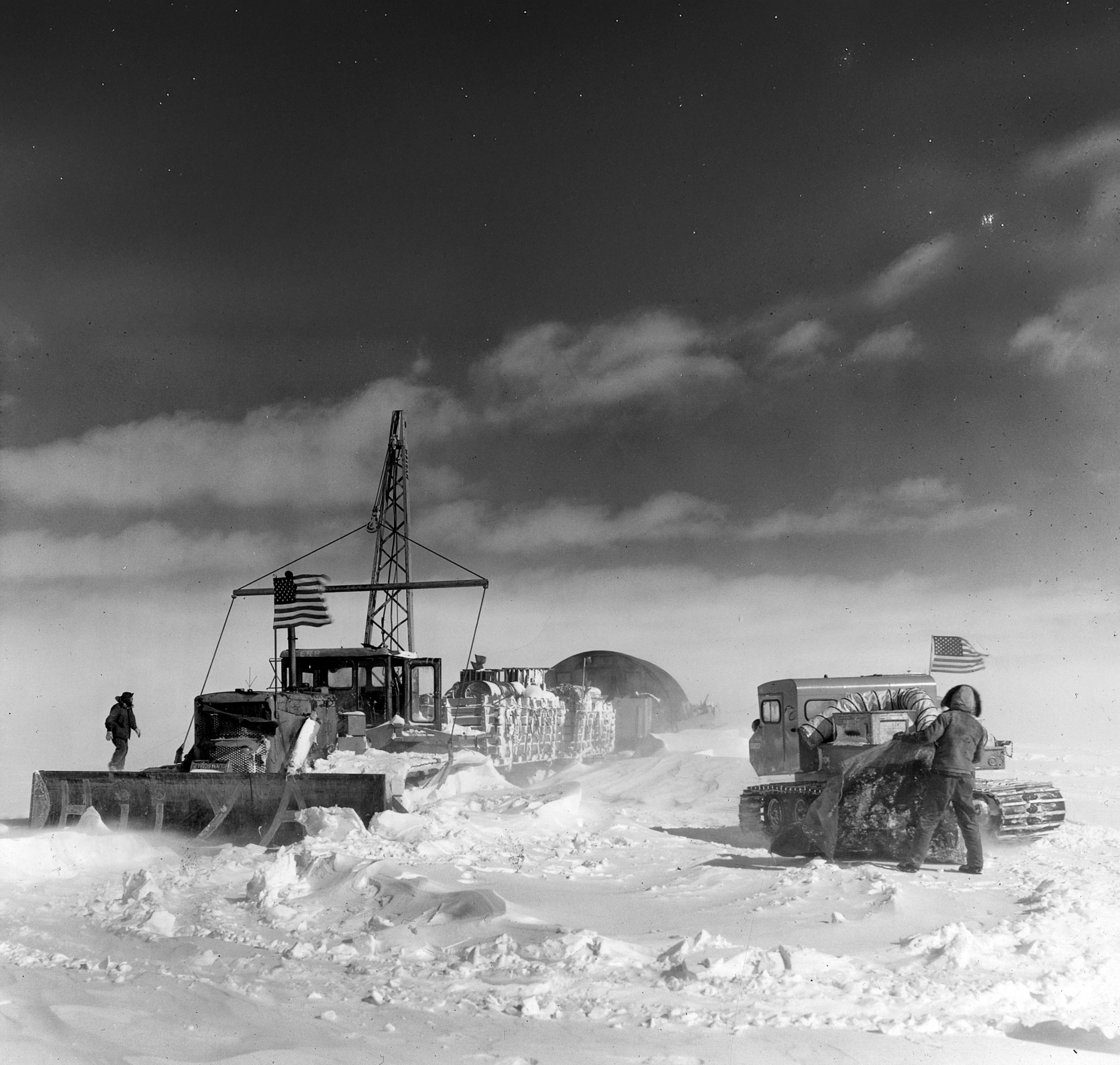
Building The Future: Our Most Impactful Projects
Discover some of the biggest & most important construction projects Caterpillar has worked on, including modern marvels like the Hoover & Three Gorges dams.
Learn More -
Equipment Innovations That Changed the World
Cat's history of innovation began with Holt and Best. Learn about 10 pioneering developments that have driven Cat's success along the way.
Learn More -
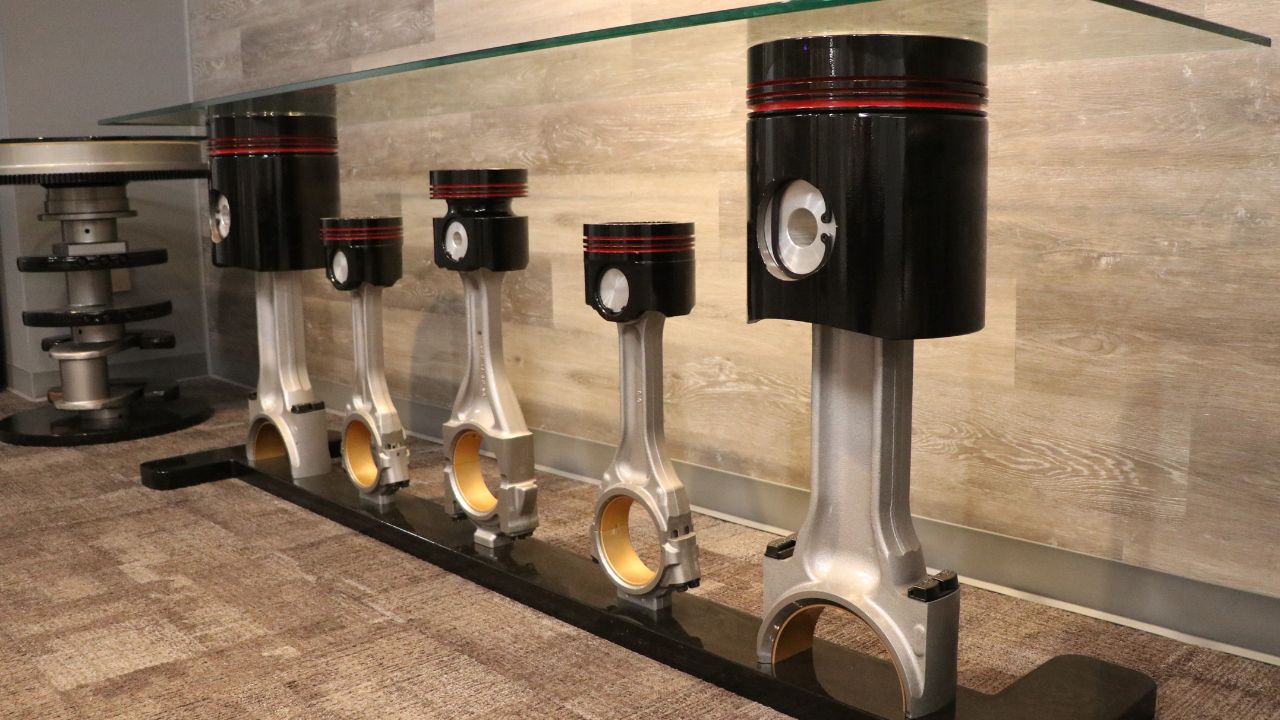
From Trash to Treasure: Cat® Parts Artists Work Magic with Scrap
Learn how skilled Caterpillar employees use discarded scrap parts for unique furniture & creative ideas, including some at Cat facilities & charity auctions.
Learn More Brand Loyalty

Your Business
 North America – English
Caterpillar Brands
- Caterpillar.com
- Contact Us
- My Marketing Preferences
- Site Map
- Cookie Settings
- Legal
- Privacy
- Do Not Sell or Share My Personal Information
- Accessibility Statement
- US-English
- © 2026 Caterpillar. All Rights Reserved.