
Can you buy equipment at the end of your lease?
Yes, at the end of your lease you have the option to purchase your Cat equipment.
Equipment leasing gives businesses an easier way to put essential heavy machinery to work without the strain of large upfront costs. With predictable monthly payments and the freedom to upgrade as projects evolve, leasing keeps operations nimble and budgets steady. Cat Financial supports that flexibility with leasing options for both new and used equipment, helping companies stay efficient today while building momentum for long‑term growth.
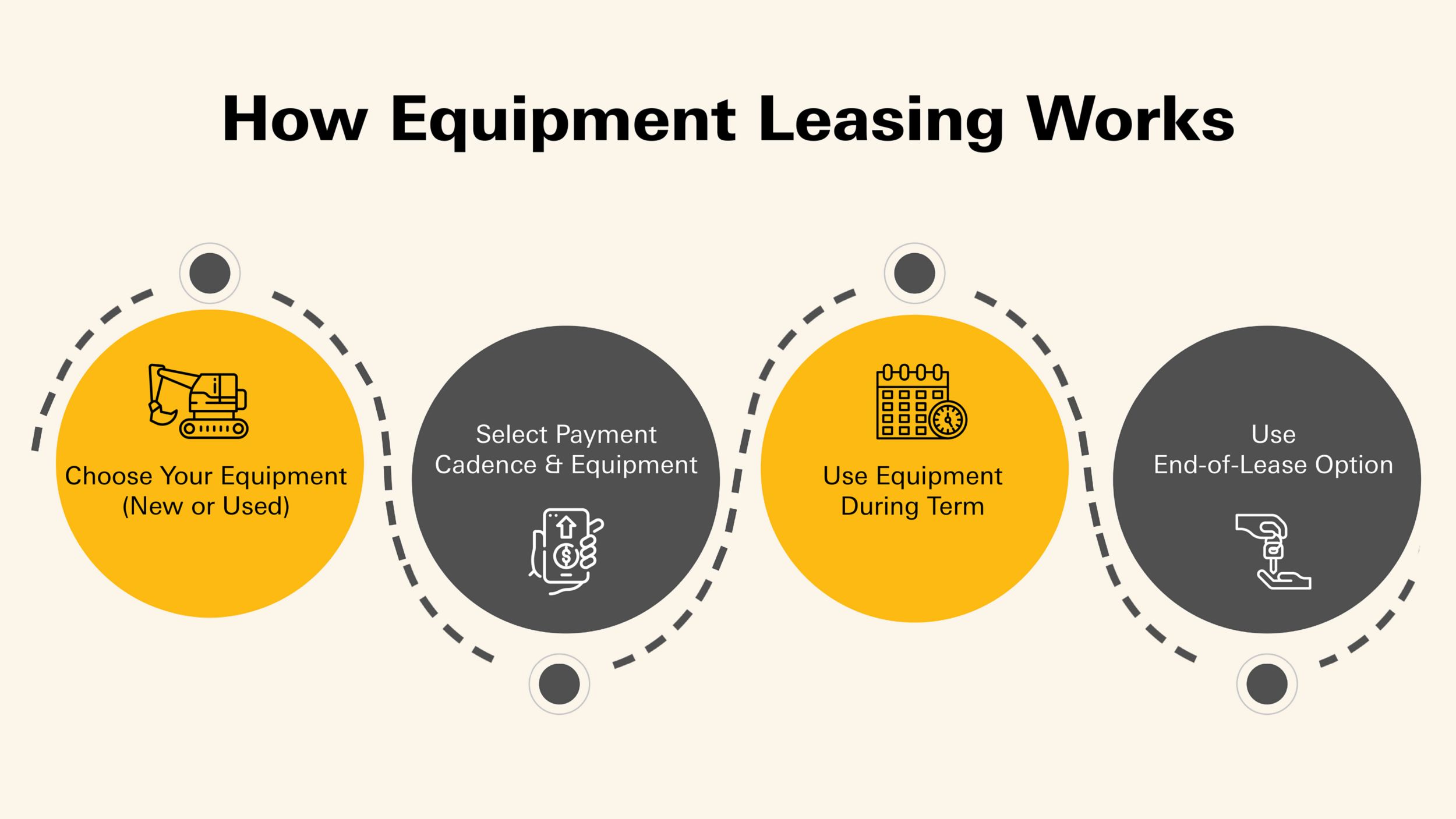
Equipment leasing is a simple, flexible way to put the machinery you need to work without taking on full ownership right away. Through a lease agreement, a financial partner such as Cat Financial retains ownership of the equipment while you use it for a set period in exchange for a predictable monthly payment. You get the freedom to run your projects with confidence until the lease ends. When that time comes, qualified customers can usually choose to extend the lease, return the machine, or even purchase it.
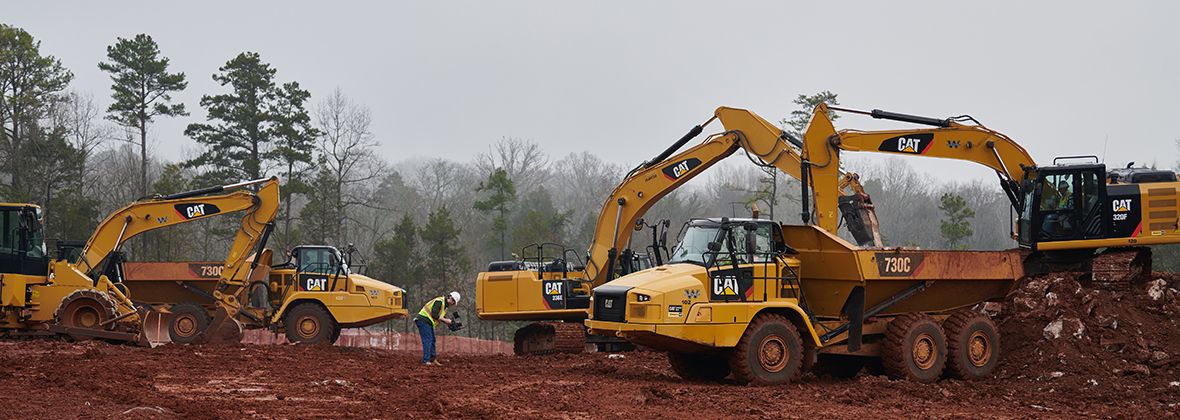
With Cat Financial, you can lease both new or used equipment, including many popular machines like:
Qualified customers can enjoy flexible payment options, including monthly, quarterly, semi-annual, annual, and skip payments, tailored to their needs.
Pay to use the equipment for a set period.
Depending on your type of lease agreement, you can choose to return it, renew it, or make it yours.
Monthly payments are often lower than a loan or short‑term rental. Qualified customers can also choose monthly, quarterly, semi‑annual, annual, or even skip‑payment structures to match cash‑flow needs.
Many customers qualify for up to 100% financing, reducing upfront costs. In some cases, you may also retain certain tax benefits depending on the lease structure.
Equipment can be leased for extended periods, often 60 months or more. At the end of the term, you typically have the option to return the equipment, purchase it, or extend the lease.
While your lease agreement is active, you'll get to use the equipment. Depending on the type of lease, you may have the option to purchase the equipment, while other lease options give you a choice to return the equipment or extend the lease after the lease term ends. If you want to buy the equipment when your lease is up, your lessor may offer it for the current market rate or lower. Read more about equipment leasing options from Cat Financial.
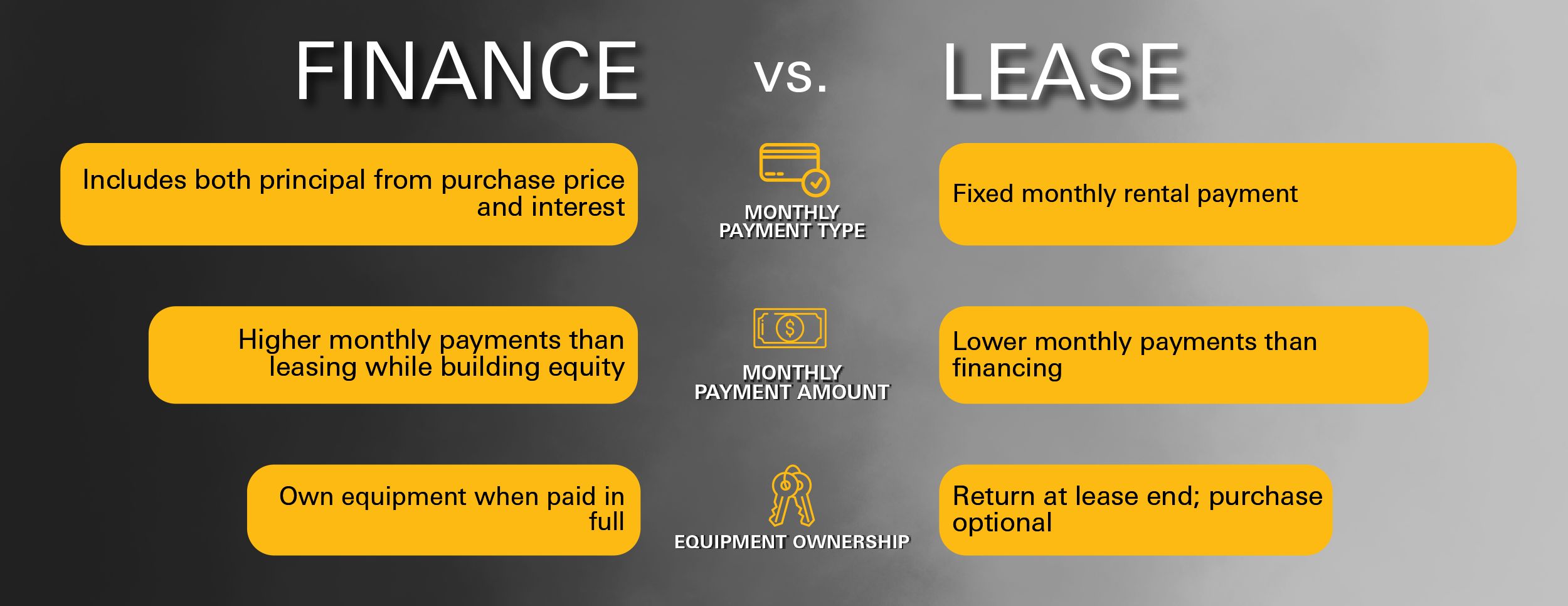
If you've determined to lease heavy equipment, your next step is deciding between the different equipment leases. For Cat Financial, we offer two equipment leases: a finance lease and an operating lease.
An equipment finance lease typically offers the option to buy the equipment when your lease term ends. When you reach a period during the leasing agreement that you and the lessor have agreed upon, flexible purchase or return options may be available.
Financing leases can provide long‑term access to equipment and a path to ownership. Key points include:
An operating lease lets your business use equipment for a set period without taking ownership, making it similar to a long‑term rental and ideal for short‑term equipment needs. Most operating leases last about three years, and at the end of the term you can return, renew, or purchase the equipment. Key advantages include:
For accounting purposes, an operating lease is treated as a rental expense rather than an owned asset. This keeps the equipment off your balance sheet, though the lease itself may still need to be reported. You may also qualify for certain tax incentives, so it’s wise to consult a tax professional for guidance.
Cat Financial provides tailored leasing solutions designed for businessesusing Caterpillar equipment. Financing options are built to align with project timelines, cashflow needs, and equipment usage.
As your business evolves, your equipment needs may change too. Many leases offer the flexibility to adjust terms so you’re never locked into something that no longer works for you. Depending on your agreement, you may be able to:
Return equipment early- Step away from the lease before the term ends if your needs shift.
Return equipment at term end- Simply bring the machine back when your lease expires.
Purchase the machine early- Buy the equipment before the lease ends and wrap up the agreement.
Buy the equipment at term end- Own the machine outright once the lease concludes.
Continue your current lease- Keep using the equipment under the same terms if it still fits your needs.
Lower monthly payments-Reduce your monthly cost by agreeing to a higher purchase price at the end of the lease.
This flexibility helps ensure your lease continues to support your business rather than limit it.
Yes, at the end of your lease you have the option to purchase your Cat equipment.
Yes, you can modify your lease agreement by accessing your MyCatFinancial account.
Who you lease with will have a large impact on your ability to qualify. Luckily, qualifying for an equipment leasing with Cat Financial is relatively easy. Not sure where to start? This guide walks you through everything you need to know about leasing Cat equipment.
Leasing comes with great benefits, but it’s helpful to be aware of possible end‑of‑term costs like early‑termination fees, wear‑and‑tear charges, or return fees. You can avoid most surprises by choosing a reliable lessor, such as a captive financing company, selecting a finance lease for more end‑of‑term flexibility, and keeping the equipment in good condition throughout your lease.
Cat Financial offers custom financing and risk management solutions to support small businesses.
View SolutionsReytec grew from a small start-up into a key local infrastructure partner thanks to a Cat Financial equipment lease.
Read Their StoryThinking of buying or leasing used equipment? See how either could benefit your business.
Learn MoreCompare equipment leasing and loans to see which best fits your budget.
Compare & Decide
 North America – English