

The Truth About Renting
Your business needs heavy equipment to make successful bids on attractive jobs, so you can grow and ultimately succeed. You have plenty of options for acquiring the machinery you need, with renting one of the most common. If you choose to rent, there’s a lot to consider.
Let’s take a look at the first five things you need to know about heavy equipment rental, with a focus on assessing your project, current financial situation and anticipated equipment needs.
Uncover the Key to Renting Machinery
1. Your dealer is willing to work with you - if you have the right info
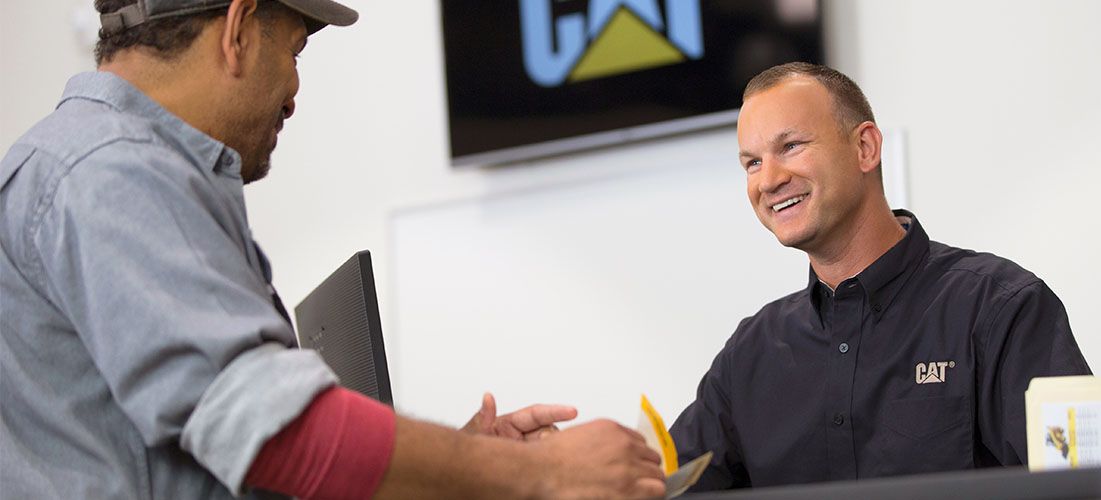
Equipment dealers have to work with a wide variety of business owners on a number of requests, terms and conditions on a regular basis. Because there’s so much room for variation, from the type of equipment a renter needs to how long they expect to use it and specific configuration requirements, there’s considerable flexibility in terms of the final rental agreement. That’s a major advantage for your business, because it means you have a partner who is willing to listen, suggest alternatives and respond to questions and requests.
That said, you have to arrive prepared for a major conversation with your dealer. Having critical information about your project helps them see exactly what your objective is, your available budget, how long you plan to take to reach it and the specific heavy equipment you need to do the necessary work. Keep this vital info on hand every time you speak with your dealer. If you don’t, they won’t have what they need to help your business make the best rental decision possible.
2. Plan ahead for success
You need to have a detailed plan for why you want to rent equipment, whether it’s for a few days or many months, one dedicated job or a wide variety.
An estimate of the total number of hours for which you plan to use your rented heavy equipment is one of the foundational pieces of information needed for a successful rental agreement. We’ll help you create that in part two of this series. You should also have relevant job details related to how you’ll use the equipment on hand. This information helps your dealer identify the best possible option for your needs and budget. They can recommend different equipment, configurations and other options to ultimately give you the tools you need in the most efficient way possible. Make sure you arrive at your dealer prepared to start things off on the right foot.
3. Know what you need
You know the details of an upcoming job better than anyone else. Put together a list of the heavy equipment you think you need as well as any necessary configurations for each piece of machinery before you visit your dealer. This can help you and your dealer drill down to the more critical and specific parts of the negotiation. Additionally, your dealer can review your plans and help you identify alternative approaches that could save you money or make your workflows more efficient.
4. Make a long-term financial plan
How will this rental impact your business from a financial perspective? Do you have enough money coming in to confidently handle this new expense as well as your existing ones? For many small-business owners in your position, the answer to these questions is yes. However, it’s far better to be sure about your financial stability and know how you can pay for your rental agreement before you talk to your dealer. A look at your finances and past rentals may also encourage you to seek out other options from your dealer, like a lease or rental purchase option.
5. Have a budget on hand
Affordability is a critical factor in renting heavy equipment. A deal that’s too costly for your budget won’t work for you or your dealer. To avoid this kind of complication, have a strong handle on your financials and a budget range in mind as you start negotiations. Recognizing a large gulf between the amount of money you can spend and the total cost of the equipment early on means it’s easier to adjust, talk to your dealer about alternatives and find one that works for you.
Understanding the core components of a rental agreement
There are three major pieces of every rental agreement. Recognizing what each of them means for your rental agreement leads to fewer surprises and a deal that takes all of your needs into account.
1. Hours
Dealers need to have a good understanding of the hours you plan to actively use the equipment to create an accurate rental agreement that’s effective and fair for everyone involved. This is beyond the high-level months, weeks or days estimate you may figure when you decide you want to rent a piece of equipment. Although it can be difficult to calculate a near-exact number in some situations, thinking your upcoming project through and developing as accurate an estimate as possible helps your dealer help you.
The number of hours you use your rented heavy equipment over the course of the agreement, on a daily, weekly and monthly basis, is a primary determinant of your rental rate. Going too high on your use projection could leave you paying more than you should - another very important point to keep in mind.
2. Configuration
Your specific needs for the configuration of equipment also impact the terms of the lease and the payment you make each month. If you can use the machinery as-is or with just a few small modifications, there won’t be much of a change from the base price. However, a more significant change in configuration can lead to a noticeable increase in cost. This is one area where knowledge of other options and a detailed conversation with your dealer can make a big difference. If you ask about similar equipment that could fill the same role without extensive changes in configuration, you may find a way to get the gear you need without spending more than you’re comfortable with.
3. Location
Many dealers have a proximity clause in their rental agreement, which means you might have to pay more if the equipment is used for a destination project. Although not a factor for every small-business owner, it’s definitely worth remembering if you travel an appreciable distance to complete some jobs. Ask about the proximity clause if you might travel to a jobsite with your equipment, and your dealer should be able to point you toward a provider in that area who may be able to give you a better deal.
Making the most of negotiations
Along with the three foundational elements of a rental agreement, keep these two pointers in mind for the best possible negotiation:
4. Timing
Avoid rush delivery fees and the possibility that your dealer won’t have the necessary machinery on hand by starting the conversation well before the heavy equipment is needed, whenever possible. Some rush jobs are unpreventable, but many projects are known about well ahead of time. Keep your dealer in the loop and make an agreement early on to maximize savings.
5. Project Length
Talk about the specifics of your project with your dealer before requesting to rent individual pieces of equipment. They can recommend the best choice for your unique situation, whether that means leasing or including a rental purchase option in the agreement if you plan on doing a lot of similar work in the future. An addition or change can save you money while providing the exact equipment you need.
These tips for renting heavy equipment give you the tools you need to have the most productive, cost-efficient and positive discussions and negotiations possible with your equipment dealer. Use our advice to get your job up, running and moving in the right direction.
Related Blogs
-
Ways to Save on Heavy Equipment
Discover ways to save on heavy equipment, from renting to financing, so every dollar goes further.
Look At My Options -
How Cat® Rental Fleets Help You Stay Adaptable in Uncertain Times
How Cat Rentals and Cat Commercial Account can help you save money during economic uncertainty.
See How -
Options for Acquiring Heavy Equipment
When acquiring heavy equipment, evaluating whether to buy, lease, or rent helps you choose the best option for your business.
Explore Your Options -
Benefits of the Cat® Commercial Account with Cat Financial
Unlock exclusive benefits and flexible financing with a Cat® Commercial Account.
SEE THE BENEFITS
Your Business
 North America – English
Caterpillar Brands
- Caterpillar.com
- Contact Us
- My Marketing Preferences
- Site Map
- Cookie Settings
- Legal
- Privacy
- Do Not Sell or Share My Personal Information
- Accessibility Statement
- US-English
- © 2026 Caterpillar. All Rights Reserved.