
Supporting Sustainability Objectives and Reducing Costs with Remanufactured Parts
Products for Oil & Gas
-
Products for Oil & Gas
Learn More -
Gas Compression Engines
Learn More -
Land Drilling Engines and Generator Sets
Learn More -
Land Production Generator Sets
Learn More -
Mobile Gas Solutions
Learn More -
Offshore Drilling and Production Generator Sets
Learn More -
Well Service Transmissions
Learn More -
Well Service Engines
Learn More
Parts & Services
Sustainability
About
As oil and gas companies navigate a complex landscape of evolving regulations, industry fluctuations and individualized sustainability objectives, the pressure to optimize operations grows exponentially. Embracing remanufacturing processes is a proven way to help alleviate these challenges. The circular economy of today’s oilfield provides reliability, compliance and long-term value that supports operational resilience and enhanced economics.
Rather than a “take, make, use and dispose” model, the circular economy uses an approach that creates a regenerative system with closed-loop cycles that help keep materials in use for as long as possible. This methodology prioritizes reuse, refurbishment and recycling. As a result, oilfield companies can extract maximum value from capital equipment with minimal energy use. One study indicates that remanufacturing results in 65-87% less process energy use and greenhouse gas (GHG) process emissions1.
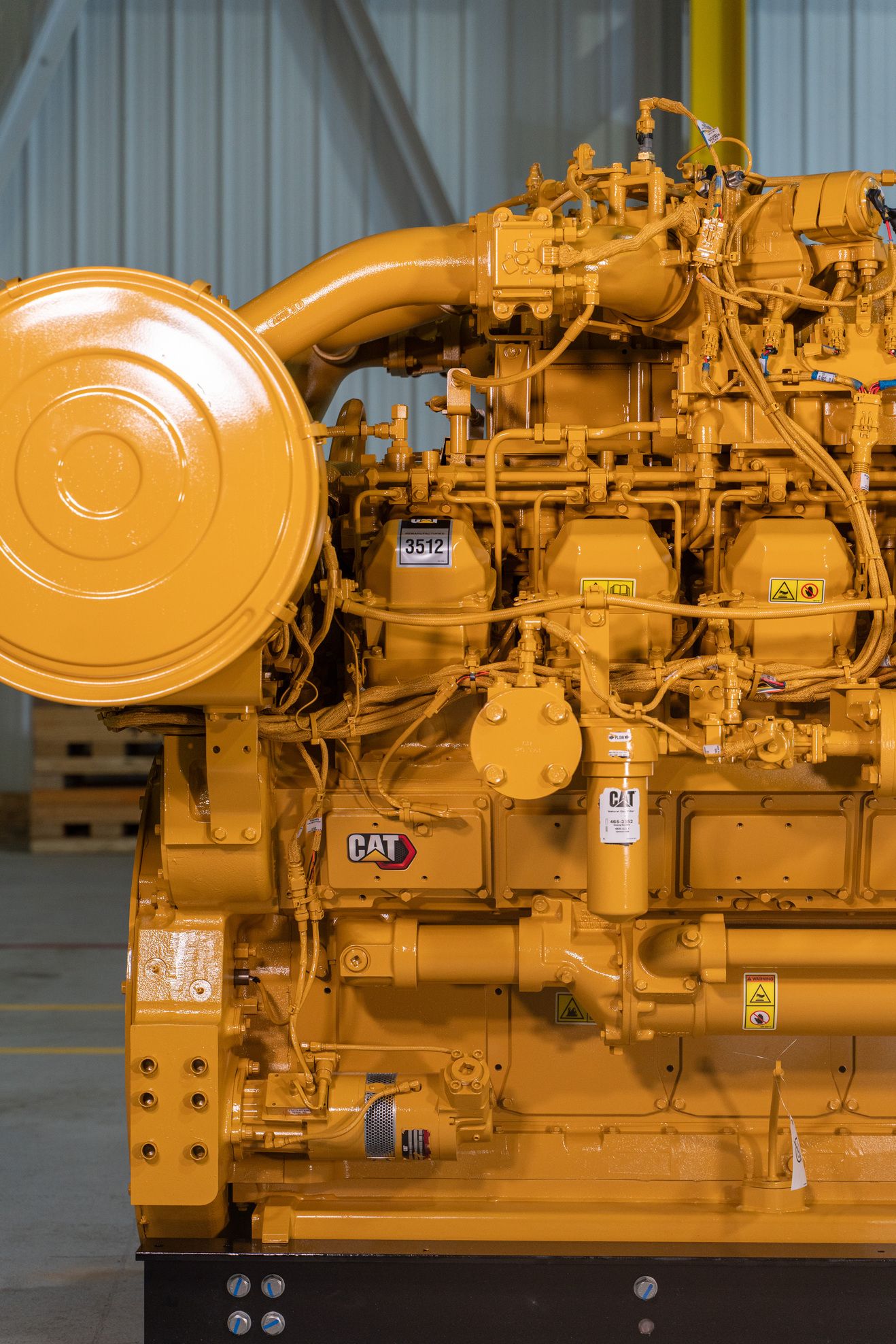
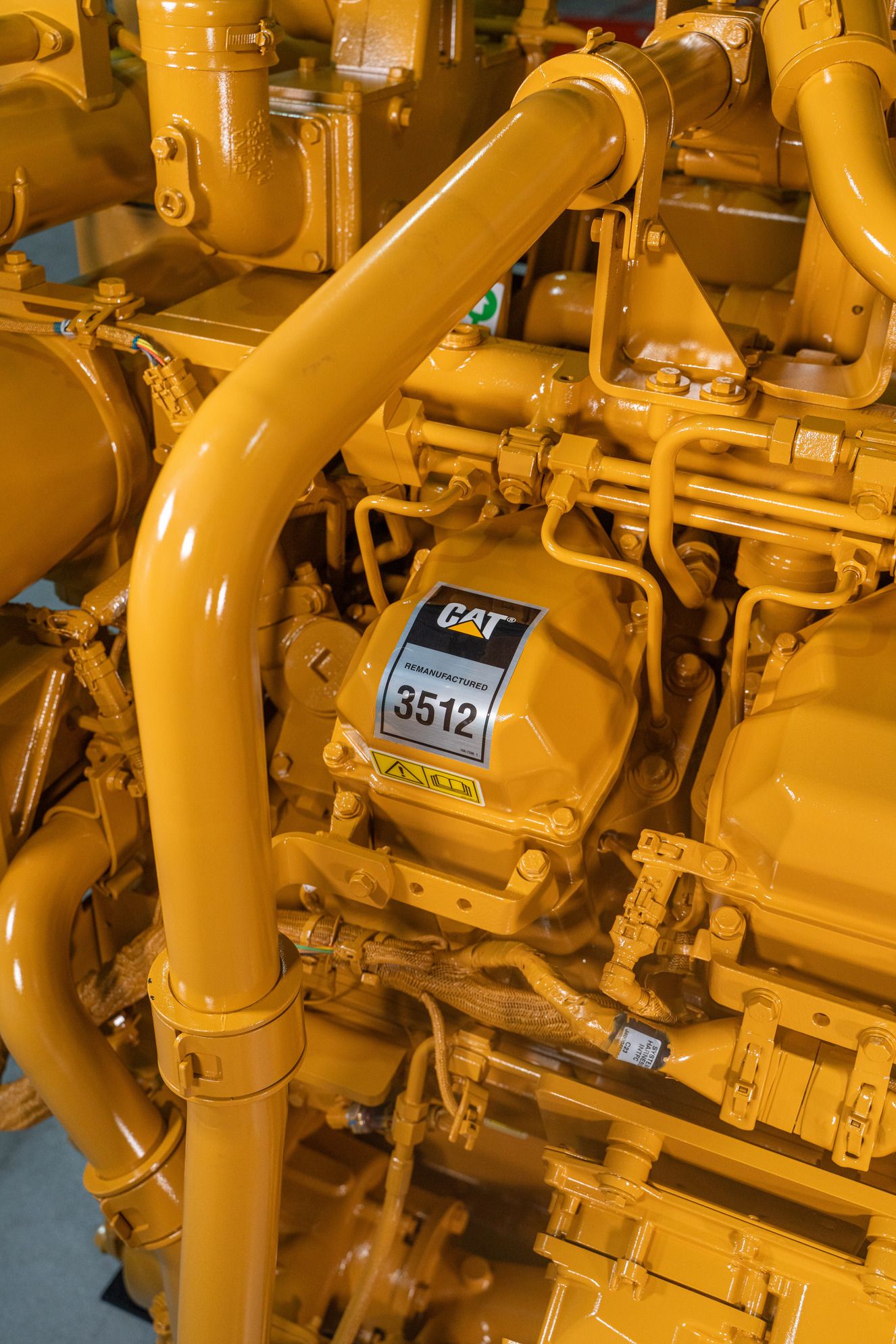
Remanufacturing empowers operators to reimagine critical component lifecycles. By restoring end-of-life components to like-new condition, operators can decrease waste, conserve raw materials and save energy while maintaining the industry’s performance standards. The circular economy of today’s oilfield provides reliability, compliance and long-term value that supports operational resilience as well as unique sustainability objectives.
of
of
Cat® Reman Drives Circular Economy Benefits
With decades of expertise and more than 80 patents in remanufacturing processes, Caterpillar is a leader in employing a circular economy methodology in the oil and gas industry. With Cat Reman, the remanufacturing process extends far beyond simply repairing or replacing components that have reached end-of-life. Advanced techniques for cleaning, inspection, salvage and assembly are used to restore components to like-new quality and incorporate critical engineering updates. The processes are unique to each component based on use, degree of wear and potential changes required to incorporate critical engineering upgrades.
Over the past five years, Caterpillar has received over 650 million pounds of material through end-of-life returns, contributing to the circular economy while supporting oilfield companies’ cost efficiencies and sustainability objectives. This scale demonstrates the positive benefit a circular economy approach can impart on all industry stakeholders.
What is the Advantage of Remanufacturing?
While several oil and gas companies have relied upon remanufactured parts for years to improve operational economics, today’s oilfield companies are leveraging this philosophy to carve out operational advantages. Tapping into the circular economy helps ensure parts availability for uninterrupted operations, contributing to greater uptime and efficiency.
Applying this approach in the oil and gas sector allows operators to reimagine the entire lifecycle of operations at every stage and creates multiple opportunities to optimize efficiencies throughout the design, engineering and construction phases. The oilfield is evolving from the concept of a singular use of parts and materials to leverage remanufacturing methods that contribute to overall operational excellence by maximizing material efficiencies and potentially increasing profitability. With remanufacturing, oilfield companies actively support the industry’s sustainability objectives while ensuring the availability of energy worldwide.
1Nasr, N., Russell, J., Bringezu, S. et al. 2018. Re-defining Value – The Manufacturing Revolution: Remanufacturing, Refurbishment, Repair and Direct Reuse in the Circular Economy. A Report of the International Resource Panel, United Nations Environment Programme, Nairobi, Kenya.
2Cat.com. Supporting A Circular Economy. May 2024, https://www.cat.com/en_US/blog/the-circular-economy-cat-reman-and-sustainability.html
Your Business
 North America – English
Caterpillar Brands
- Caterpillar.com
- Contact Us
- My Marketing Preferences
- Site Map
- Cookie Settings
- Legal
- Privacy
- Do Not Sell or Share My Personal Information
- Accessibility Statement
- US-English
- © 2026 Caterpillar. All Rights Reserved.