
Turning ambition into action: A practical path to the electric mine
Across recent industry events, customer site visits and conversations with mining leaders, one theme continues to emerge: the direction the industry is heading is clear, but the path to get there is not the same for every operation.
Every mine is at a different point in its journey. Different fleet profiles. Different energy constraints. Different production goals. The question isn’t just where the industry is headed, it’s how to take the next step from where you are today.
That’s where we’re focused.
Start with what you can do today
When we think about the transition to more sustainable mining, we don’t see a single leap. We see a series of steps.
Some sites are ready to adopt new technologies quickly. Others are still building the operational and economic foundation to get there. In both cases, the priority is the same: keep production moving while preparing for what comes next.
That means extending the life and performance of current fleets where it makes sense. It means making capital investments at the right time. And it means building a plan that connects today’s decisions to tomorrow’s outcomes.
Those decisions tie directly to what matters most to our customers: uptime, productivity and cost of ownership over the life of the operation.
In practical terms, this shows up in a few key areas:
Improving existing fleet performance and uptime
Reducing fuel consumption and greenhouse gas (GHG) emissions with available solutions today
Building the operational and infrastructure foundations needed for autonomy and electrification
These are not isolated actions. They are parts of a connected system that has to work together to move an operation forward.
Those steps matter. They buy time, and they move operations forward without forcing change faster than a site can absorb it.
Build the foundation before the transition
Electrification isn’t just about swapping diesel for batteries. It changes how a mine operates. Power management. Energy transfer. Infrastructure. Workforce training. All of it has to come together.
No single technology delivers this shift on its own. It takes equipment, systems and people working together in a way that is aligned with how the site runs day-to-day. Trying to deploy everything at once creates risk. That’s why we’re focused on breaking the transition into manageable steps.
That starts with asking the right questions:
What infrastructure needs to be in place first
How autonomy and fleet management will integrate into future operations
How to introduce change in a way that is practical for the workforce
The goal is not to accelerate for the sake of speed. It is to make each step deliberate, practical and sustainable over time.
Learn faster by working in the field
One thing we’ve learned is that you can’t solve this transition from a lab alone. You have to learn in real operating environments, across different regions, commodities and site conditions.
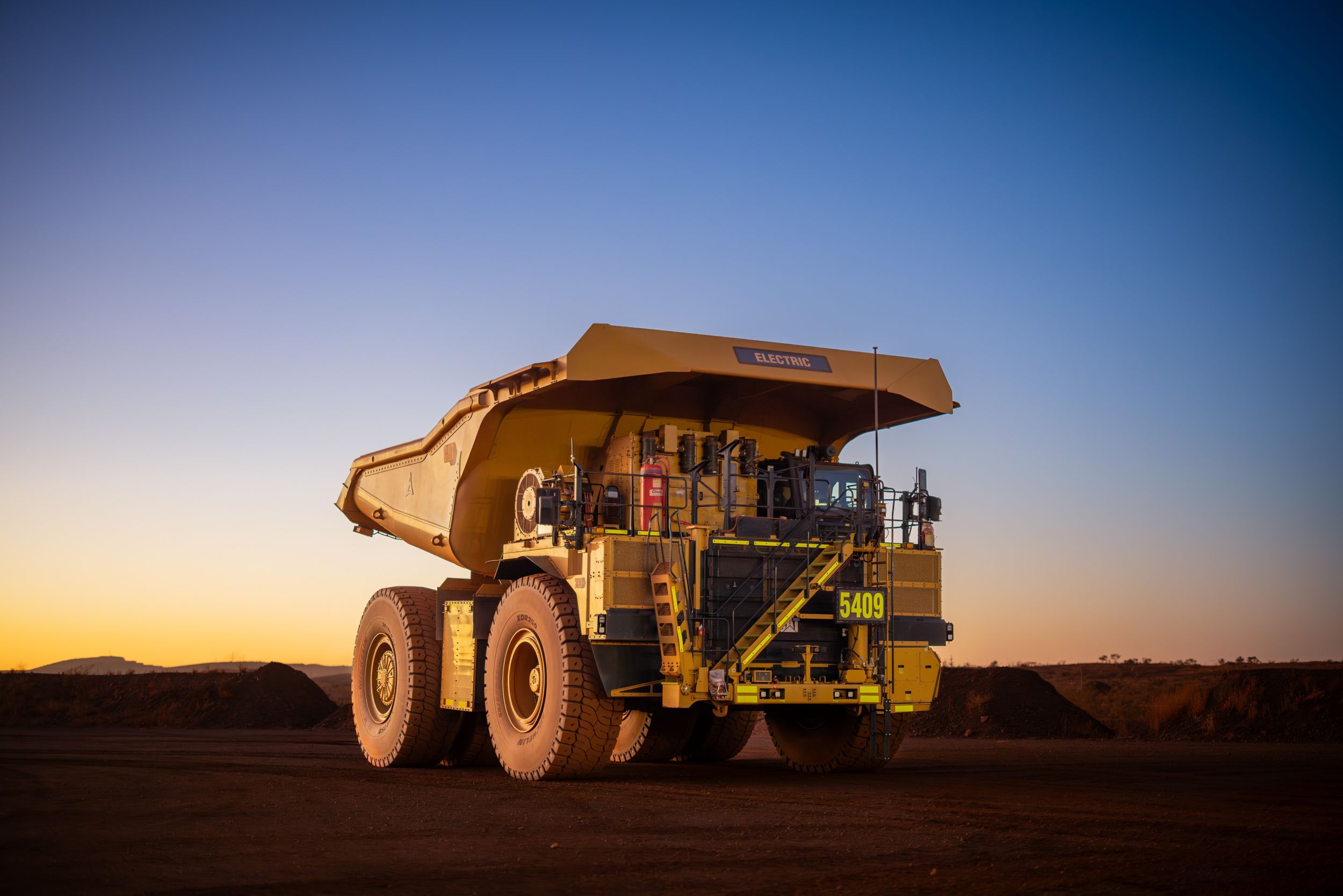
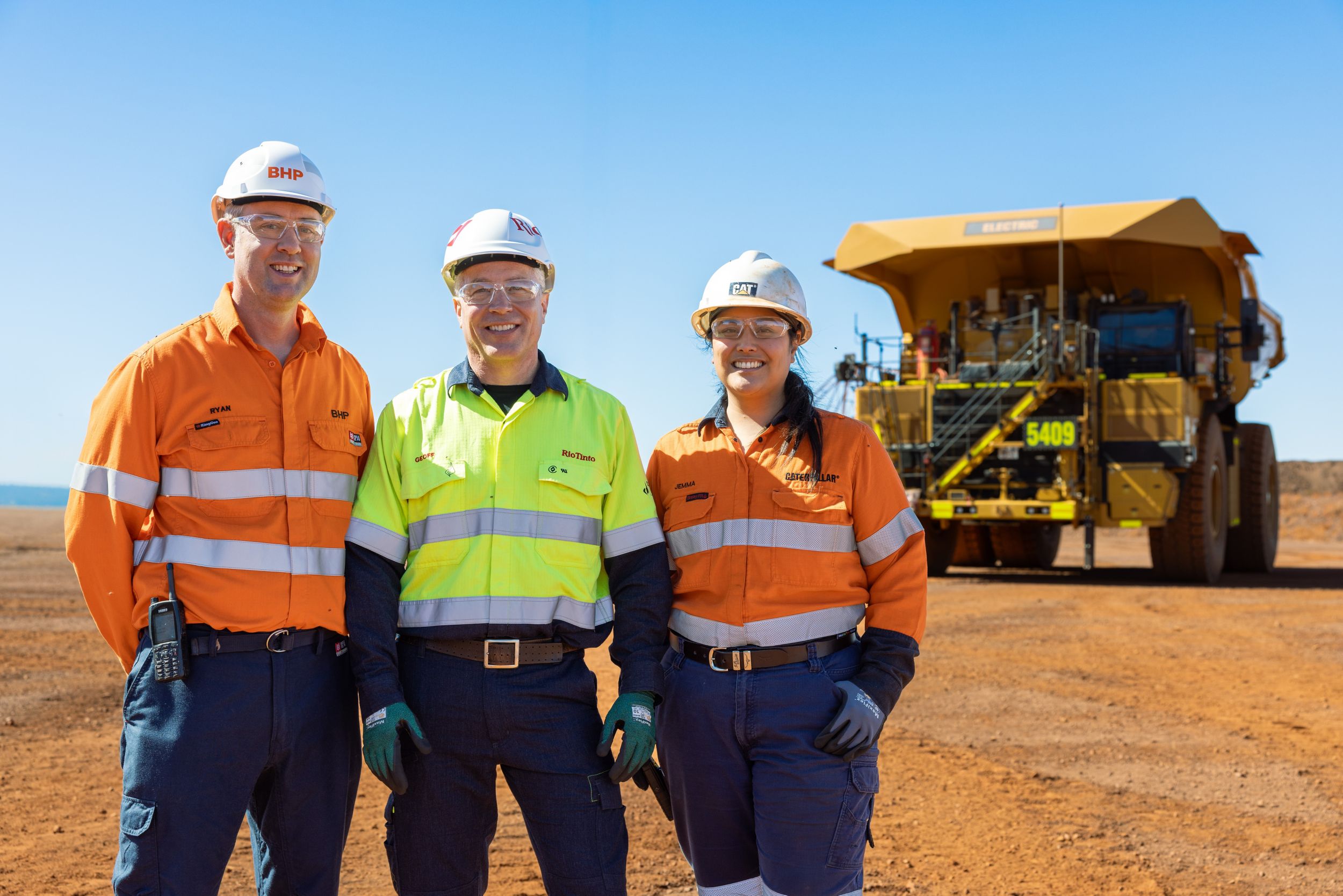
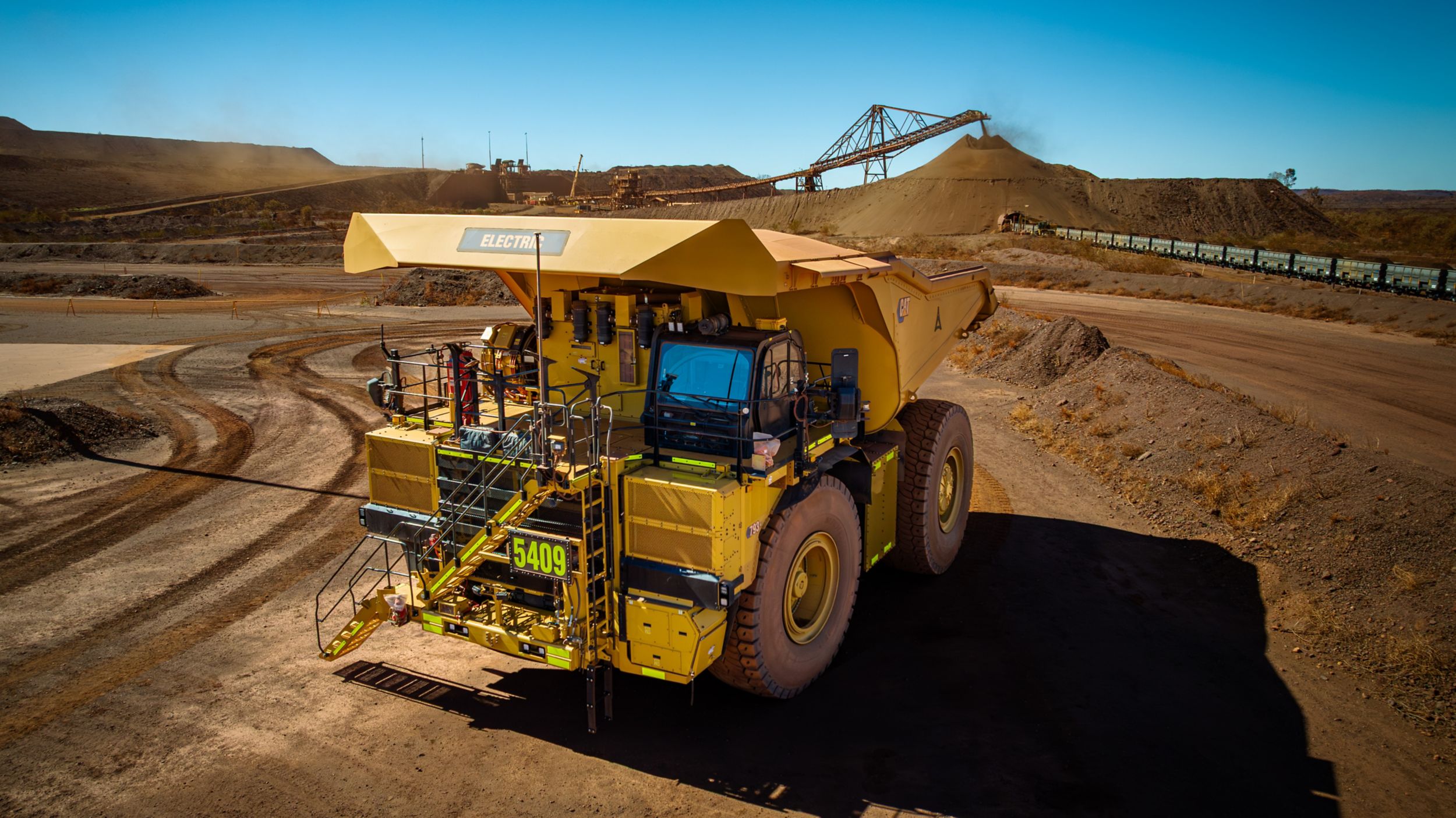
That’s why we’ve built early learning programs with customers. Today, Cat 793 XE battery electric Large Mining Trucks are working in production settings in North America and Australia, along with continued validation at our proving ground.
Those deployments are intentional. They allow us to:
Collect real-world performance data
Understand how systems perform as part of a complete mine level system
Train people and adapt processes alongside the technology
Product development and mine operations have to evolve together. That feedback loop is critical to improving uptime, maintaining productivity and delivering predictable performance as systems scale.
Energy transfer is central to the equation
If there is one area that consistently comes up as critical, it’s energy. How energy is generated. How it’s managed. And how it’s delivered to the machine.
We’re investing in energy transfer solutions across stationary, automated and dynamic systems. These are not future concepts. They are being tested and refined now in multiple environments.
Cat Dynamic Energy Transfer (DET), in particular, is showing strong potential. It can provide productivity gains and help reduce fuel consumption in the right applications while supporting both current and future fleets.
Just as important, we’re working to make these systems practical for real operations, with:
Infrastructure that can be installed in days
Compatibility across diesel electric and battery electric fleets
Integration with different power sources, including renewable energy
The focus is not on ideal conditions but on solutions that fit into real mine plans, across regions and operating constraints.
No two pathways are the same
There is no single path to reduced GHG emissions in mining. Every site is unique. Every customer has different constraints, timelines and priorities. But the outcome depends on how everything comes together as a system across that site.
That’s why collaboration matters.
Through programs like Pathways to Sustainability, we’re working directly with customers to support their sustainability-related objectives and developing plans tailored to each operation.
These conversations focus on:
Aligning technology decisions with business and operational goals
Identifying constraints and risk early in the planning process
Sharing practical learnings across sites and regions where it applies
The outcome isn’t a generic roadmap. It’s a plan built for a specific site and designed to deliver results in that environment.
From ambition to operational results
There’s a lot of ambition in the industry right now. That’s a good thing. But ambition alone doesn’t move material. What matters is turning that ambition into operational results that hold up over time.
That comes down to a few guiding principles:
Test and learn in real operating environments
Integrate product, process and people at the same time
Build systems that improve uptime, productivity and cost control
Work across the value chain
We are still early in this transition. There are open questions. There are challenges we have to solve together. But the progress is real. And it’s happening across sites, regions and conditions every day as we continue to learn.
The future of mining will be built step by step.
And we’re committed to helping you take the next one.
GET THE LATEST FROM CATERPILLAR MINING DELIVERED RIGHT TO YOUR INBOX
Your Business
 North America – English
Caterpillar Brands
- Caterpillar.com
- Contact Us
- My Marketing Preferences
- Site Map
- Cookie Settings
- Legal
- Privacy
- Do Not Sell or Share My Personal Information
- Accessibility Statement
- US-English
- © 2026 Caterpillar. All Rights Reserved.