
The Next Ton Isn't Always a New Machine Away

Better Visibility. Better Decisions.
The next ton isn't always a new machine away. More often, it's already on site.
Throughout my career, I’ve seen this play out across product strategy, engineering and operational performance: the biggest gains don’t always come from adding equipment, but from understanding what is holding the operation back.
Today, that’s a question my team thinks about every day: How do we help customers get more value from the assets they own while also helping shape the products, technologies and services they’ll need next?
When production targets are not being met, the first instinct is often to look at capacity. Do we need more equipment? More trucks? More loading tools?
Sometimes the answer is yes. Just as often, the opportunity is finding and removing the constraints that limit performance across the operation.
Every mine has them. Some are obvious. Others can be hidden in disconnected workflows, delayed information, equipment utilization or day-to-day decisions. The challenge is not only identifying where the operation is constrained, but also understanding what is creating those constraints and where action will have the greatest impact.
In many ways, the process is similar to how manufacturers approach quality improvement. Finding a problem is only the first step. Sustainable gains come from understanding the underlying causes and making the changes that prevent those constraints from limiting performance in the future.
Production Is a System
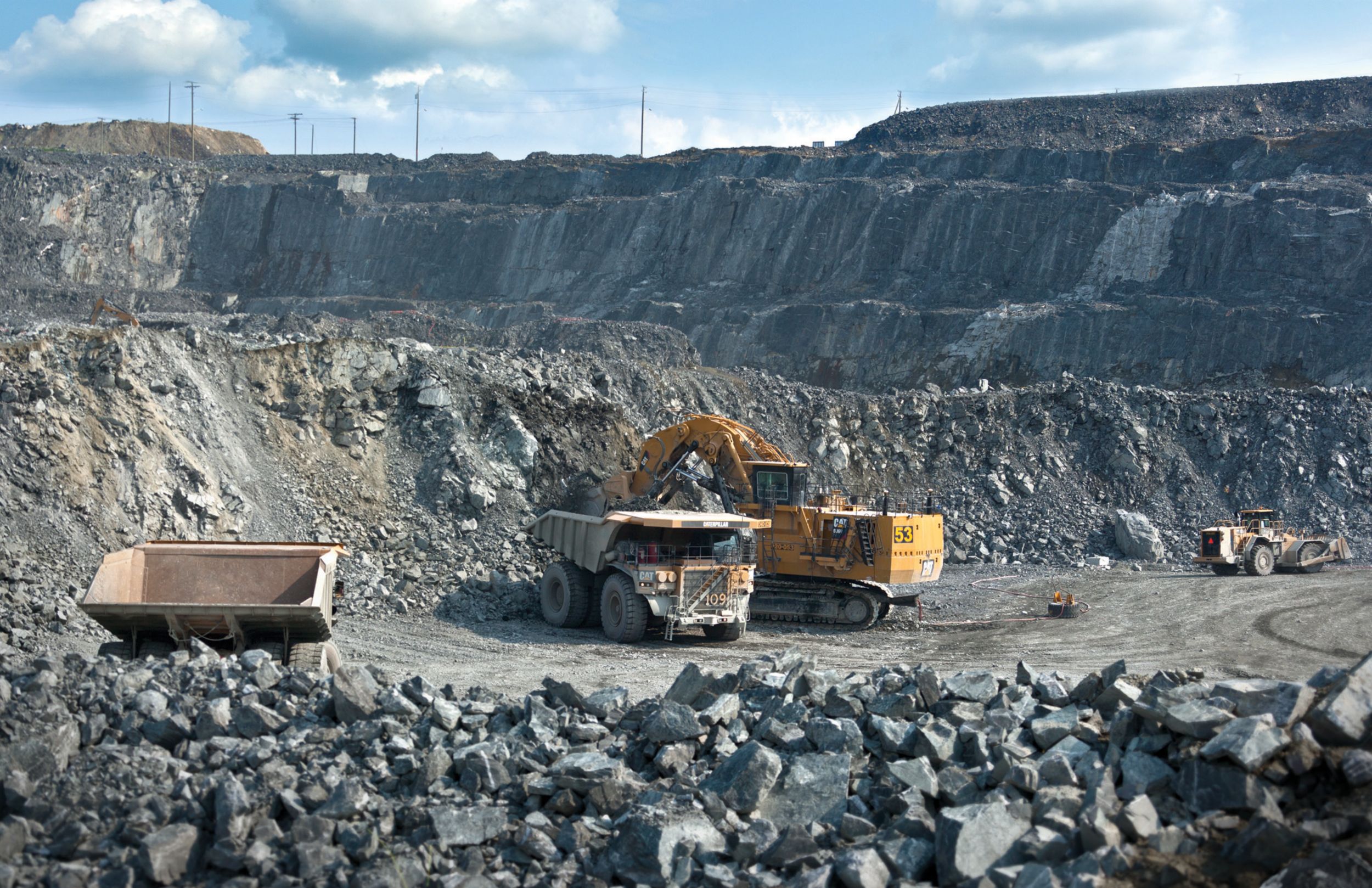
Drilling influences blasting. Blasting influences loading. Loading influences hauling. Hauling influences processing. Maintenance influences everything.
A delay in loading can leave trucks waiting. Poor haul-road conditions can slow the entire cycle. A maintenance decision can protect tomorrow's availability or put it at risk. No single action determines production, but each one influences what the operation can deliver.
That’s why the most productive conversations start with a different question: What is keeping this operation from getting more from the assets already in place?
The answer varies by site. It may be utilization, idle time, maintenance execution, process variability or limited visibility into how one decision affects another. These issues rarely point to a single root cause. Sustainable gains come from improving coordination across people, equipment, workflows and decisions.
Better Visibility. Better Decisions.
Good information helps teams see constraints earlier and act before lost time becomes lost production. Technology matters when it helps people make that happen.
Connected equipment, site data, automation and analytics can create that visibility. But technology isn’t the objective. Operations that improve consistently combine better information with disciplined planning, execution and follow-through.
The goal isn’t simply to move more material. It is to improve overall site performance by ensuring every asset, every shift and every decision contributes to the outcome the operation is trying to achieve.
Better Visibility. Better Decisions.
Good information helps teams see constraints earlier and act before lost time becomes lost production. Technology matters when it helps people make that happen.
Connected equipment, site data, automation and analytics can create that visibility. But technology isn’t the objective. Operations that improve consistently combine better information with disciplined planning, execution and follow-through.
The goal isn’t simply to move more material. It is to improve overall site performance by ensuring every asset, every shift and every decision contributes to the outcome the operation is trying to achieve.
Value Today, Direction for Tomorrow
Our responsibility starts with understanding customer needs at the site level and helping improve site performance through the right combination of equipment, technology, services and expertise.
That means understanding the operation as a whole, visualizing site performance, identifying bottlenecks, improving asset performance, connecting workflows and helping teams focus on the issues that have the greatest impact on production.
The opportunity to improve production is rarely found in a single machine. It is found in how the entire operation performs together.
That’s why the next ton isn’t always a new machine away. More often, it’s already on site. The opportunity is finding it.
Your Business
 North America – English

Caterpillar Brands
- Caterpillar.com
- Contact Us
- My Marketing Preferences
- Site Map
- Cookie Settings
- Legal
- Privacy
- Do Not Sell or Share My Personal Information
- Accessibility Statement
- US-English
- © 2026 Caterpillar. All Rights Reserved.