
Is Engine Downsizing the Right Fit for You?
By Jenni Gritti Probst | Posted: August 6, 2025
While the energy transition has introduced a wide range of new technologies for powering off-highway equipment, the tried-and-true internal combustion engine will continue to be a dominant workhorse on worksites for the foreseeable future.
Engines have rapidly evolved as part of the energy transition, and today’s engines are far more fuel-efficient, power-dense, durable and more easily maintained than those produced even a decade ago. And one of the primary ways that engines have been improved is through engine downsizing.
As equipment designs have grown in complexity due to the addition of machine capabilities and regulatory requirements, OEMs have looked to engine manufacturers to supply engine power for their performance requirements from the smallest possible footprint.
Downsizing the engine provides numerous benefits for OEM engineers. A smaller displacement engine that offers the same horsepower and transient response reduces fuel consumption and greenhouse gas emissions. The reduced weight of a smaller engine further saves in fuel consumption and chassis requirements while reducing soil compaction, which is especially important in agriculture applications. Additionally, the smaller package size can provide needed space for other critical components in the design envelope, such as hybrid technologies and exhaust aftertreatment.
OEMs need to answer numerous questions when considering whether engine downsizing is a possibility for a given application. Here are a few for starters:
- What are the performance expectations of the engine?
- How much power is needed?
- What are the transient response requirements?
- Where will this machine be working?
- What are the duty cycles of this machine?
- How long does this machine work on a typical day?
- What is the fuel availability at a typical worksite?
- What access is available for maintenance and service capabilities?
- What altitude and ambient conditions need to be accounted for?
- What are the emissions requirements for the targeted jobsites and geographical regions of the machine?
- What is the size of the design envelope within the machine?
- What other components within the design envelope need to be accommodated, today and in the future?
- What are the expectations for remanufacturing or resale value?
Caterpillar is a leader in the development of internal combustion engines for the off-highway market, and we’re continuously refining our engine lineup to meet the performance expectations of OEMs and equipment owners as they navigate the complexities of the energy transition.
Engine downsizing is right for OEMs, right for equipment owners, right for your machine, right for the job, and right for lower-carbon worksites. We look forward to showing you how our experts Caterpillar can help you choose the right-sized engine for you.

Jenni Gritti Probst
Contributor
Not one to walk away from the chance to tell a good tale, Jenni spends her days crafting and sharing stories of the people, products and services that make the world a better place. When she’s not working her dream job at Caterpillar, she’s usually outdoors hiking, exploring, and playing in the dirt.
Related Stories
-
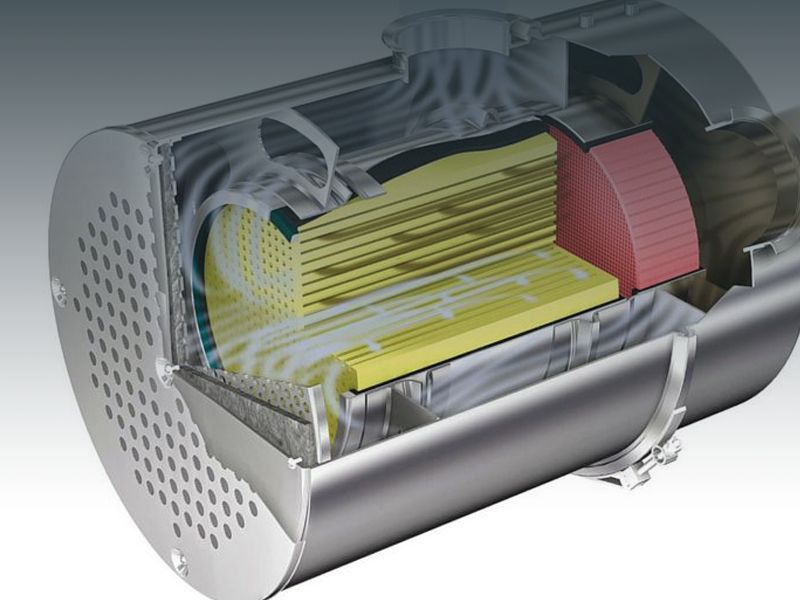
3 Things to Know about Diesel Regeneration
If you haven’t already, you’re going to be hearing a lot about DPFs, or diesel particulate filters, in 2019 and beyond.
Learn More -
Sustainable choices from Caterpillar
Prioritize sustainable choices for your fleet and operation with Caterpillar.
Learn More -
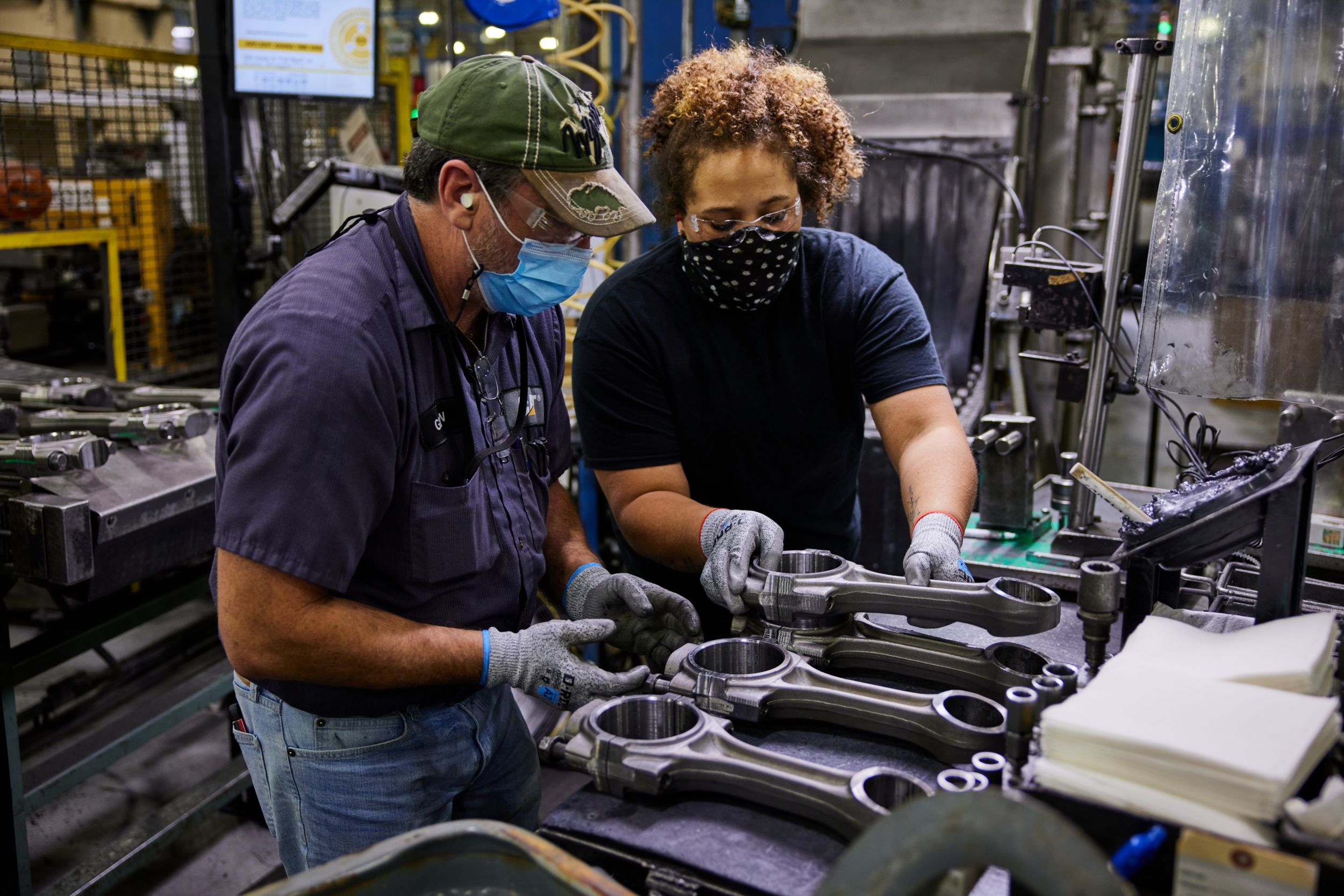
Manufacturing Is So Nice, We Do It Twice
To celebrate Manufacturing month, we’re exploring the people and places that help bring those engines inside these machines to life... sometimes even twice!
Learn more -
Emissions 101
There’s a lot to know about the ever-changing world of emissions and global standards. Caterpillar is here to help you understand.
Learn More
Your Business
 North America – English
Caterpillar Brands
- Caterpillar.com
- My Marketing Preferences
- Site Map
- Cookie Settings
- Legal
- Privacy
- Do Not Sell or Share My Personal Information
- Accessibility Statement
- US-English
- © 2026 Caterpillar. All Rights Reserved.