
Fueling a Drilling Rig Evolution
Parts & Services
Sustainability
About
of
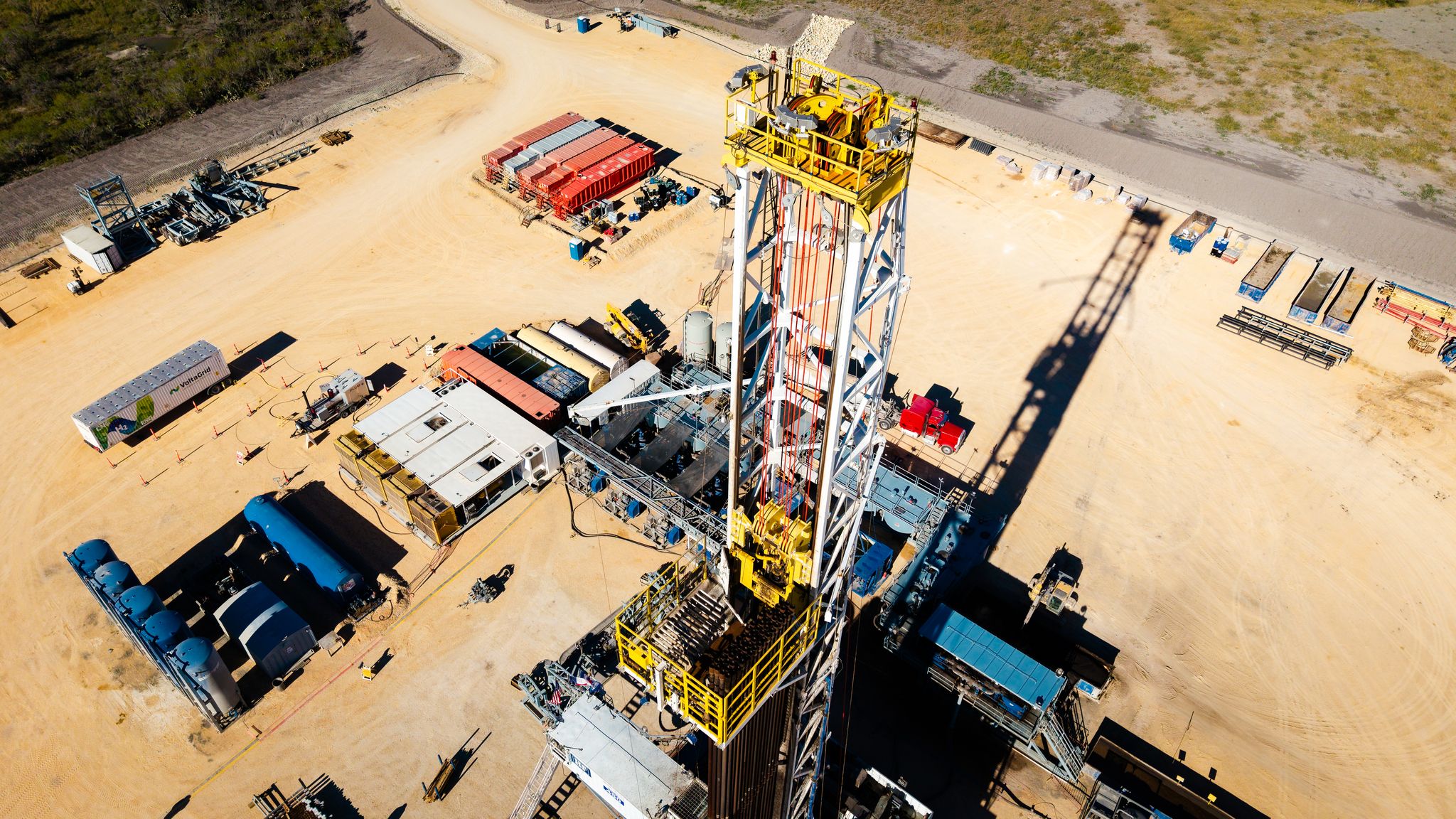
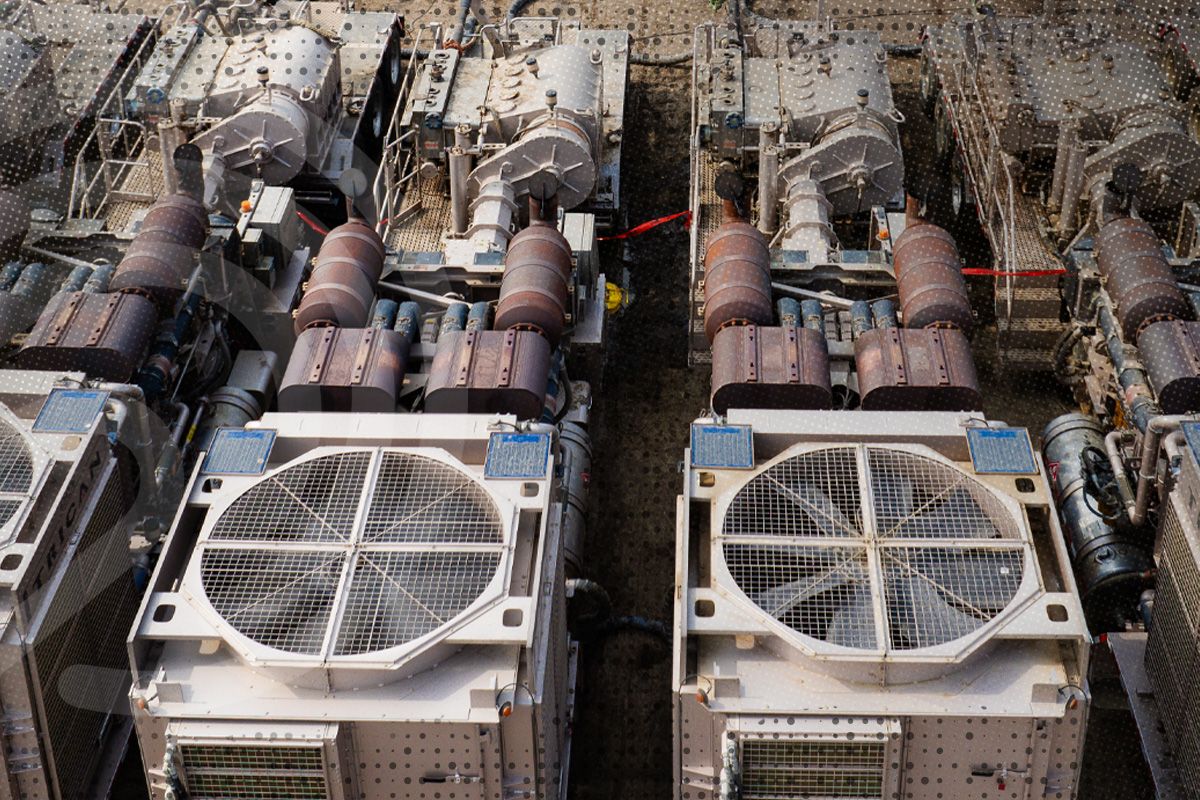
The oil and gas industry has steadily transformed its approach to drilling operations over the past decade. While historical methods once guided decisions, today's oilfield companies consistently seek new approaches and innovations to gain greater efficiencies. This shift is fundamentally reshaping how rigs are powered, and how drilling companies approach performance optimization.
Access to dependable on-site power is crucial, however drilling companies must also reduce fuel costs and greenhouse gas (GHG) emissions simultaneously. Dual-fuel technology is a key innovation that balances drilling companies’ priorities. Enabling rig engines to run on a dynamic blend of diesel and natural gas decreases fuel consumption and related GHG emissions while preserving the power and responsiveness that drilling applications demand.
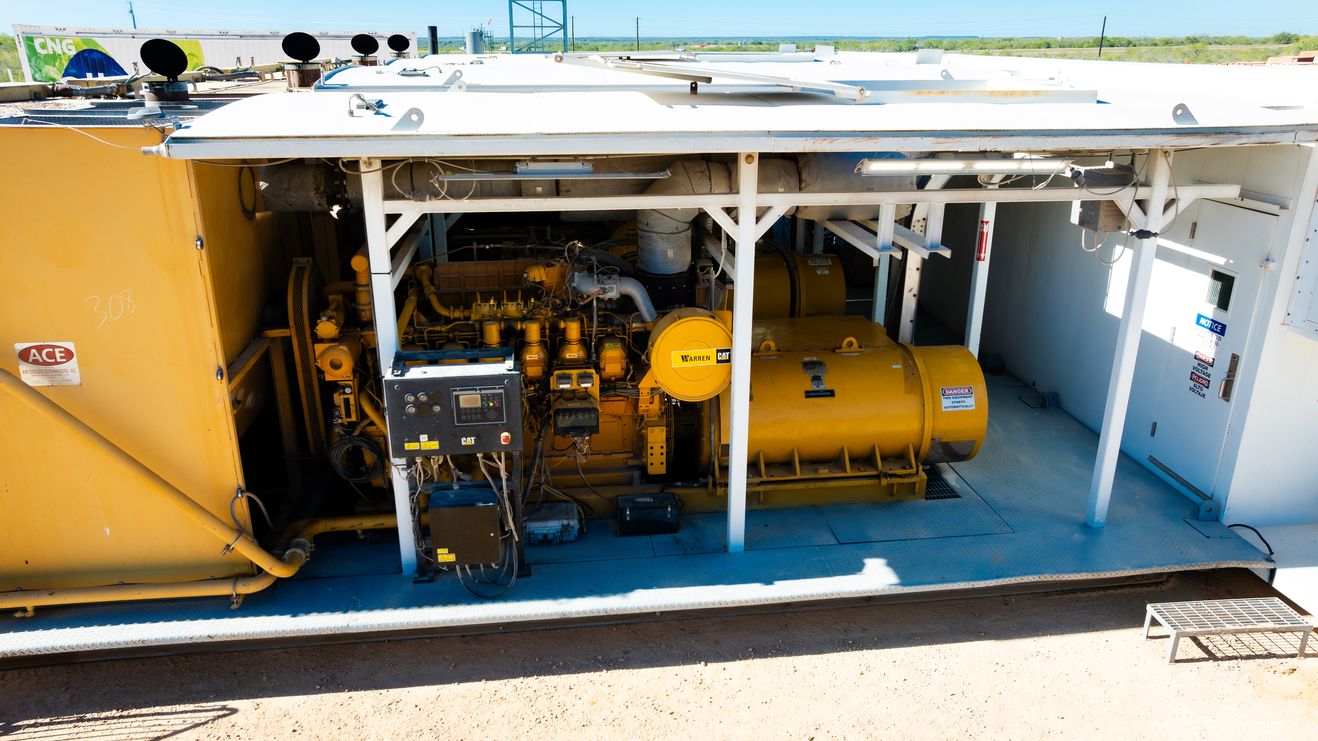
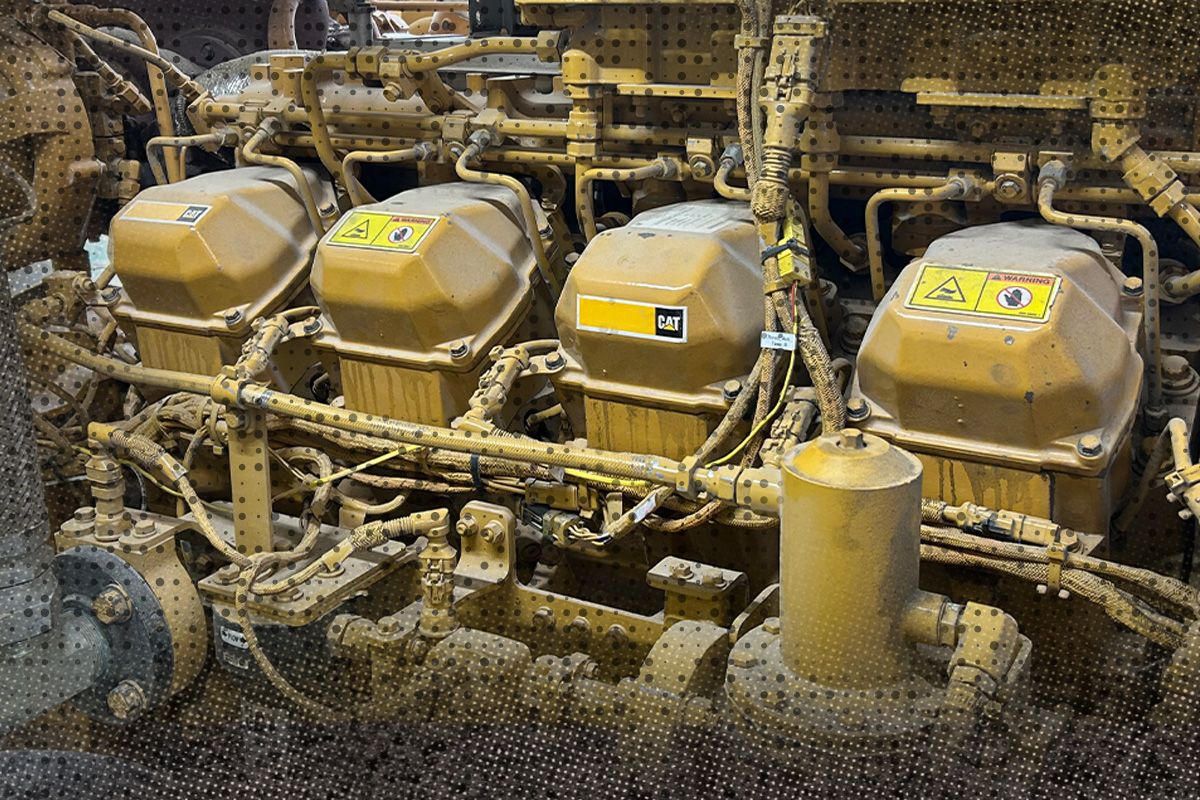
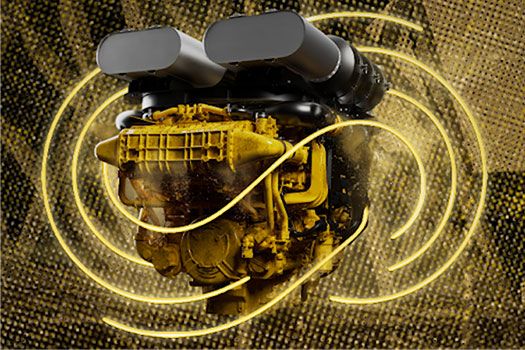
By leveraging its dual-fuel power expertise and successes across multiple industries, Caterpillar Oil & Gas empowers drilling companies to keep pace with evolving requirements while meeting the rugged needs of modern drilling operations. The Cat® Dynamic Gas Blending™ Gen 2 Kit blends natural gas with diesel via port-injection, minimizing methane slip and improving thermal efficiency. Achieving up to two times the diesel displacement of conventional approaches, the DGB Gen 2 Kit delivers an average 70% diesel displacement with peak displacement reaching up to 85%1.
Field results demonstrate the DGB Gen 2 Kit’s impact vs conventional kits: drilling rigs equipped with this system can achieve up to 40% GHG emissions reduction and decrease methane slip up to 80%2. These improvements, combined with the fuel cost savings derived from using natural gas, support drilling contractors' sustainability objectives while improving operational economics.
The ability to retrofit existing engines with the DGB Gen 2 system allows drilling companies to cost effectively upgrade current fleets. This reduces CapEx, as rigs can be enhanced incrementally, while leveraging OpEx savings.
of
Innovations that Enhance Savings and Performance
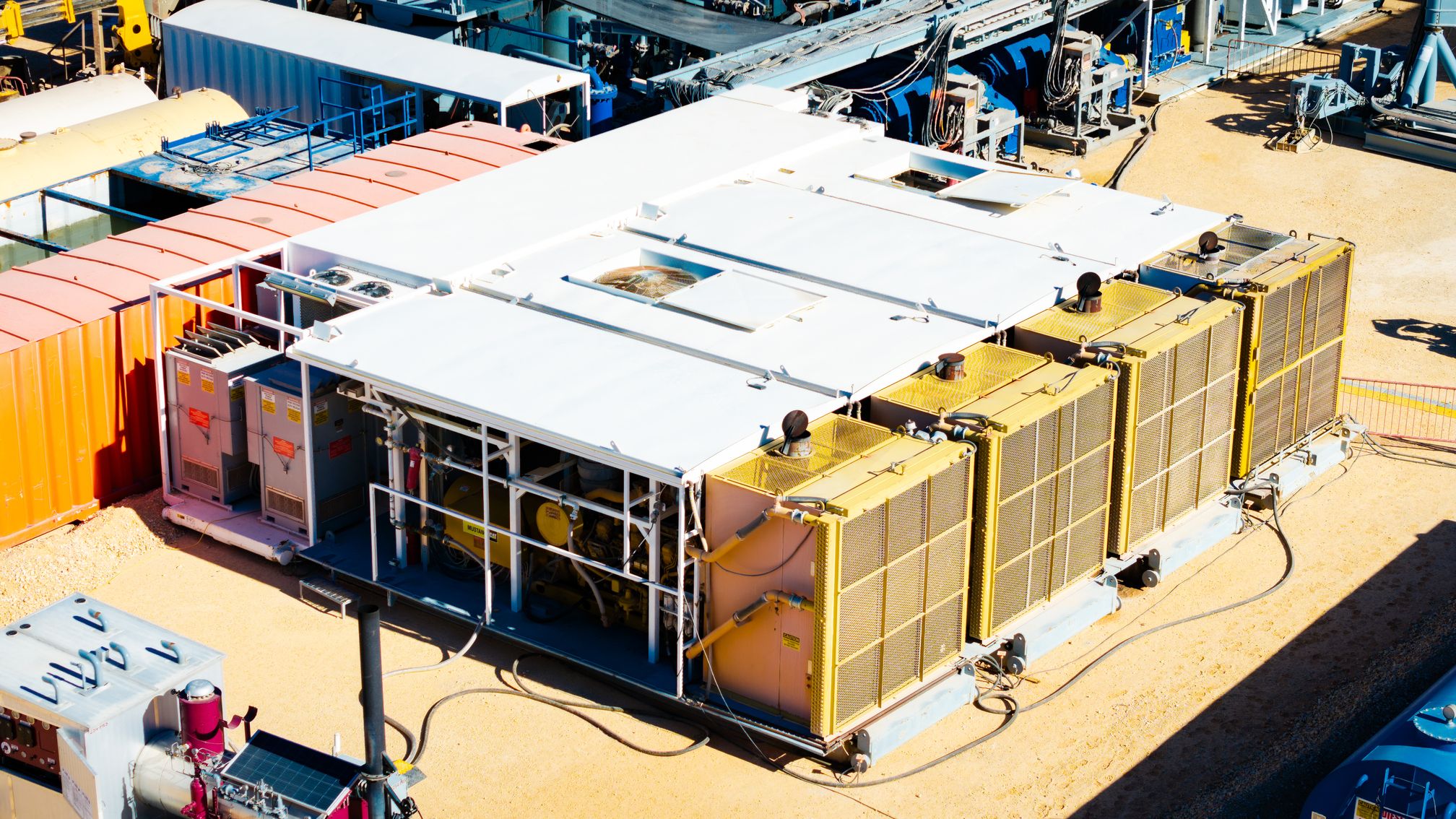
Incorporating advanced automation technologies like the Cat Smart Engine Management System (EMS) further supports the use of dual-fuel solutions, enabling greater optimization in the field. With the Smart EMS, drillers can manage multiple configurations of engine and generator operations automatically. By turning engines on or off based on real-time demand, the Smart EMS ensures that power is utilized efficiently which reduces fuel consumption and operational costs.
Leveraging digitalization in this manner also promotes greater worksite safety by allowing operators to monitor and control systems remotely. Real-time insights provide equipment status and performance data that help crews optimize drilling activity.
These capabilities provide financial benefits as well. Engines can be automatically turned off and on based on demand, reducing engine runtime. This helps extend equipment life and reduce overhaul and repair frequency, contributing to decreased operating costs. With the Smart EMS, engine runtime can be reduced by 25% and fuel costs can be decreased up to 10%3.
As oil and gas drilling companies seek advantages in the field, innovations that help lower fuel costs, GHG emissions and maintenance requirements, are increasingly attractive – especially as such technologies can be implemented in existing fleets. Dual-fuel approaches combined with smart solutions continue to advance today’s drilling rig – and oilfield possibilities.
1. Cat.com. Caterpillar oil and gas announces launch of Cat® Dynamic Gas Blending™ (DGB) Gen 2 Kit. February 2025. https://www.cat.com/en_US/news/engine-press-releases/caterpillar-oil-and-gas-new-cat-dynamic-gas-blending-gen-2-kit.html.
2. Compared to Cat DGB Gen 1 assets.
3. Cat.com. Cat® Smart Engine Management System—The Smarter Way To Run Drilling Engines. https://www.cat.com/en_US/by-industry/oil-and-gas/land-drilling-production/smart-ems.html
of
-
Cat® Dynamic Gas Blending™ (DGB) Upgrade Kits for Drilling
Using Dynamic Gas Blending Technology, the DGB Gen 2 kit maximizes the life of existing engines to reduce fuel cost and improve total cost of ownership.
Learn More -
Cat® Dynamic Gas Blending™
Cat® Dynamic Gas Blending™ allows oil and gas operations to operate diesel engines on a wide range of fuels to cut diesel consumption while maintaining power.
Learn More -
Cat® Dynamic Gas Blending technology
Cat® Dynamic Gas Blending technology maximizes engine performance and fuel flexibility to help lower emissions and keep fuel costs low.
Learn More
Your Business
 North America – English
Caterpillar Brands
- Caterpillar.com
- My Marketing Preferences
- Site Map
- Cookie Settings
- Legal
- Privacy
- Do Not Sell or Share My Personal Information
- Accessibility Statement
- US-English
- © 2026 Caterpillar. All Rights Reserved.