
Did You Know: BTL and GTL Fuels Can Be Used in Cat® Engines
By Jenni Gritti Probst | Posted November 10th, 2024
Get ready to dive into the world of diesel engines and alternative fuels because today, we’re talking about BTL (Biomass-to-Liquid) and GTL (Gas-to-Liquid) fuels and their acceptance for use in Cat® engines.
If you’re wondering what these fuels are and whether these fuels can power your Cat® engines, here’s what you need to know:
What Are BTL and GTL Fuels?
First things first, let’s break down what BTL and GTL fuels are. BTL fuel is produced from biomass, which includes organic materials like plant and animal waste. GTL fuel, on the other hand, is derived from natural gas. Both fuels undergo a conversion process to become high-quality, synthetic diesel fuels that can be used in diesel engines. They are processed in a different way to HVO (Hydrotreated Vegetable Oil) but produce a similar high-quality fuel.

Can Cat Engines Use BTL and GTL Fuels?
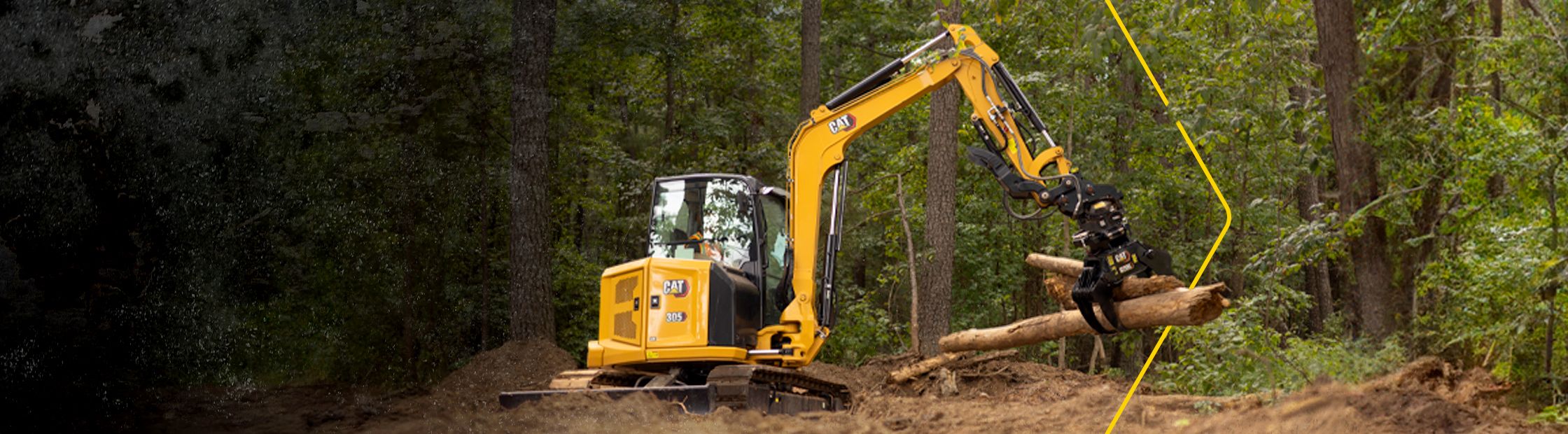
Absolutely! Cat engines are designed to be versatile and robust, and they can indeed run on BTL and GTL fuels. Caterpillar has tested these fuels in our engines and has given the green light for these fuels, provided they meet specific quality standards. The key specifications to look for are EN15940, ASTM D975, and EN 590. These standards ensure that the fuels are up to the job and won’t cause issues with your engine’s performance.
Benefits of Using BTL and GTL Fuels
Now, you might be wondering, “Why should I switch to BTL or GTL fuels?” Well, there are a few compelling reasons.
BTL and GTL fuels have a high cetane number, which means better combustion efficiency and smoother engine operation. And because BTL and GTL fuels can also be used alone or blended with traditional diesel, this kind of flexibility makes them an excellent choice for various applications.
So, there you have it! BTL and GTL fuels are not only compatible with Cat engines but also offer numerous benefits that make them a smart choice for anyone looking to leverage alternative fuels and maintain top-notch engine performance.
Interested in making the switch? Contact your Cat dealer to get started today.

Jenni Gritti Probst
Contributor
Not one to walk away from the chance to tell a good tale, Jenni spends her days crafting and sharing stories of the people, products and services that make the world a better place. When she’s not working her dream job at Caterpillar, she’s usually outdoors hiking, exploring, and playing in the dirt.
Related Blogs
-
Technical Pitfalls after Genset Commissioning: How Small Changes Impact Reliability
A genset that passes commissioning checks all the boxes. It starts cleanly, runs at full load and meets performance expectations. At that point, it’s tempting to think installation is complete. In reality, installation is only validated at that moment in time. Issues can surface later when a space is reconfigured, parts are added or operating parameters evolve. Many of these modifications seem minor. They don’t feel like they should affect how a genset operates. But every system is interconnected, and when conditions around a genset change, it can erode reliable power.
Learn More -
Peak Demand Never Looked So Predictable
When traditional seasonal peaking occurs, municipal utilities have managed these spikes with large, permanent generators. But today’s challenges demand more flexibility and smarter decision making. That’s why many municipal utilities are turning to rental power solutions - to provide that extra, quick capacity – for as long as they need it.
Learn More -
Predict. Prevent. Perform. How Condition Monitoring Helps You Turn Downtime Into Uptime
Blog talking to the importance of Cat Condition Monitoring.
Learn More -
Electrification Without Reinvention
Learn how BEPU supports a seamless transition from diesel to electric.
Learn More


Your Business
 North America – English
Caterpillar Brands
- Caterpillar.com
- My Marketing Preferences
- Site Map
- Cookie Settings
- Legal
- Privacy
- Do Not Sell or Share My Personal Information
- Accessibility Statement
- US-English
- © 2026 Caterpillar. All Rights Reserved.