
5 WAYS TO GET TO ZERO INJURIES
ZERO INJURIES - CULTURE OF SAFETY
TIPS FOR INSTALLING A CULTURE OF SAFETY
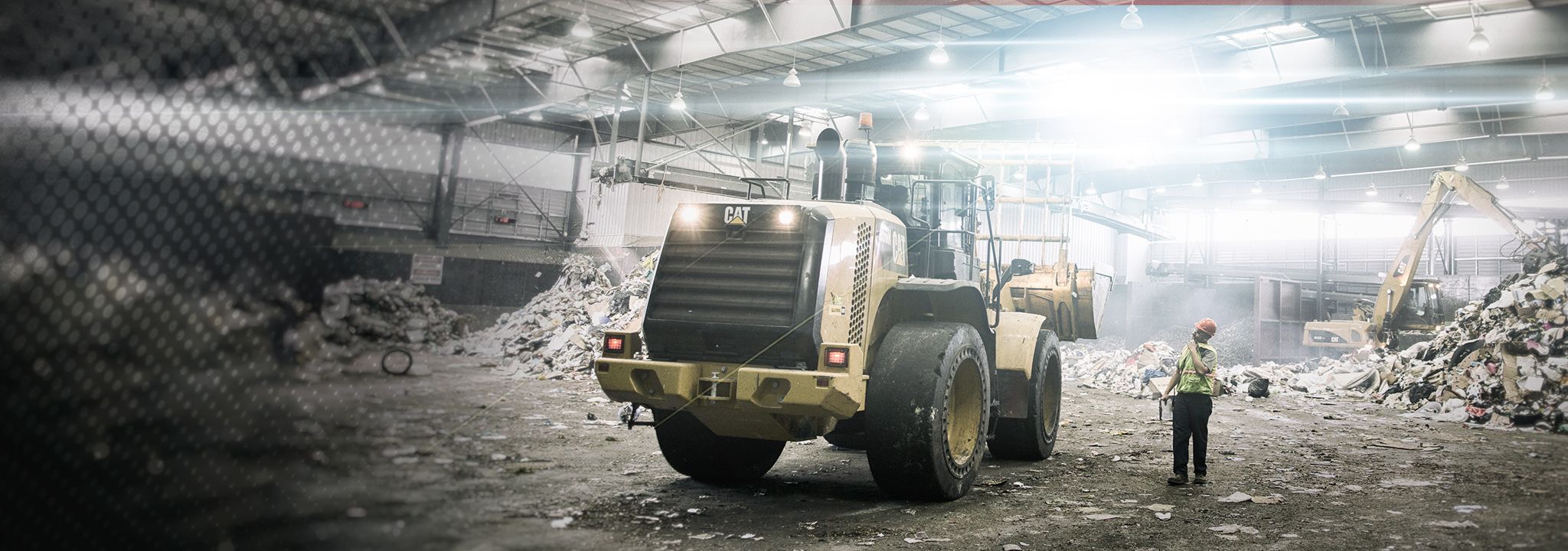
When it comes to safety, the key word is zero. Zero lost-time accidents. Zero recordable injuries. Zero machine incursions. But achieving those bold goals ultimately has little to do with numbers and everything to do with people—creating a culture in which every individual puts safety first, every day. How do you make that happen? Here are five suggestions from waste operations that are doing it right.
1. Start the day with safety.
You’ve probably heard the phrase, “What gets talked about gets done.” So make sure safety gets talked about first thing every day. It doesn’t have to be a lengthy discussion—just a quick tailgate session where you discuss the day’s work and any potential concerns with it, as well as review any issues from the previous day. It sets the right tone and reminds everyone that shortcuts have no place in a safe operation.
2. Communicate constantly.
Start the day with safety, but don’t let that be the end of the conversation. Communication is key to working safely, and that means constantly sharing information with your team—and encouraging them to share with one another. If you’re expecting guests or anyone unfamiliar with your operation, let everyone know to keep an eye out. If you see someone or something unexpected on site, spread the word. Remind people to report potential concerns, no matter how small, right away—so they can be addressed before they turn into real problems.
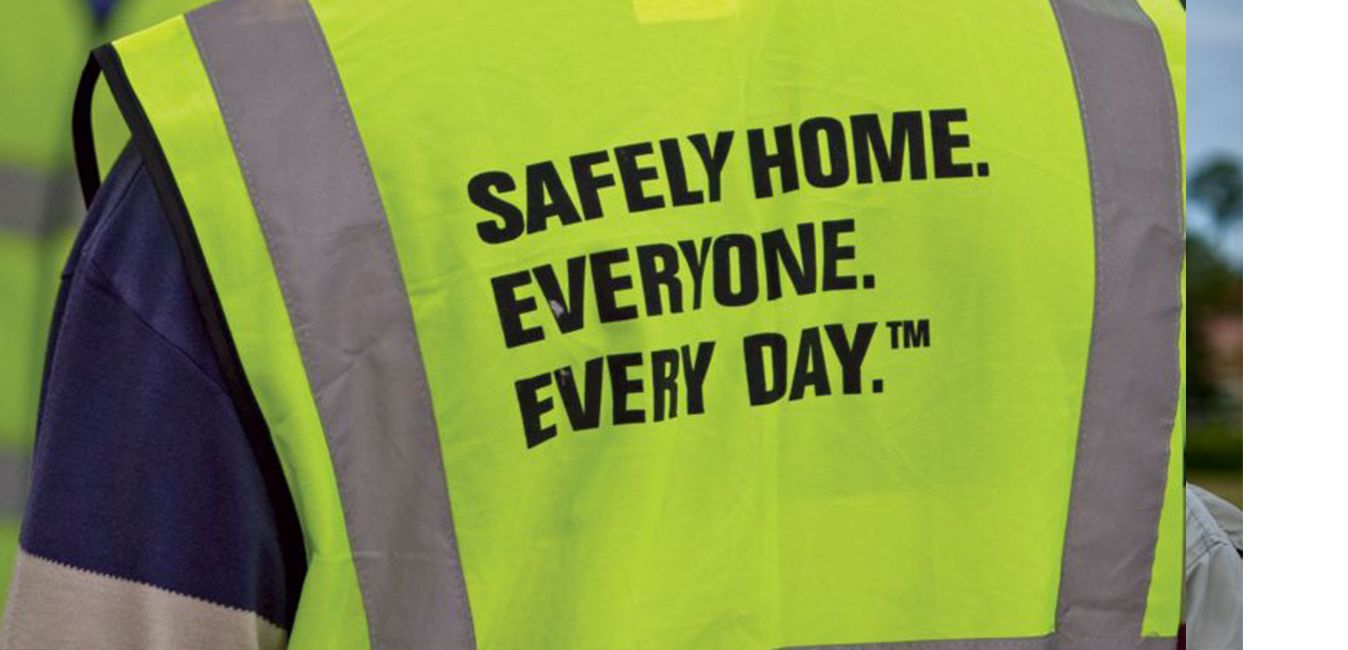
3. Get everyone involved.
Not all safety communications need to come from the top down. People will start to tune out anything that feels like a lecture or “corporate speak.” The best way to keep that from happening is to get your employees involved. You can do that by:
- Asking for—and really listening to—employee concerns at every meeting. Set up a suggestion box for anonymous input if you’re worried people aren’t participating.
- Assigning a different employee or group of employees to lead each session. Have them work with a manager to set the meeting’s goals and agenda.
- Adding variety to your meetings by bringing in an outside speaker, showing a video or providing a demonstration.
4. Spend time on training.
In the rush to get new people on the job or experienced people into new roles or machines, it can be tough to find time for training. Don’t let that be an excuse to skip (or skimp on) it. Everyone needs proper job procedure, equipment and fire training BEFORE they set foot on site—not just operators, but maintenance personnel as well. Consider requiring first aid, first response and CPR training, too. It could pay off in a life saved before you know it.
5. Reward results.
Here’s another phrase you’ve likely heard: “What gets measured gets done.” If you reward employees for meeting cost or productivity goals, but don’t reward them for meeting safety goals, consider what kind of message you’re sending. Rewards don’t need to be monetary. Consider lunches, dinners, picnics—you know best what will motivate your team.
Ready to get started—or just need some suggestions to beef up your safety program? You’ll find plenty of resources and support on safety.cat.com and swana.org.


RELATED ARTICLES
You’re here to get ideas to grow your business. Read on for machine insights and expert tips and tricks to get more out of every job.
-
Five Steps to a Safe Shift
Industry leaders call for a renewed safety focus after Bureau of Labor Statistics study.
Learn More -
Smart Sites, Safe Sites
Learn how contractors, aggregates producers and other equipment owners are using Cat® Technology to enhance safety and manage risk.
Learn More -
Reduce Risky Business on the Worksite
Technology that improves safety performance will also reduce risk and downtime.
Learn More -
Sobering Facts about Substance Abuse in Construction
Substance abuse is a big problem for construction employees. In fact, a 2015 study from the Substance Abuse and Mental Health Services Administration (SAMHSA) concluded that the construction industry has more drug and alcohol abuse than any other sector except for hospitality and food service.
Learn More


Your Business
 North America – English
Caterpillar Brands
- Caterpillar.com
- My Marketing Preferences
- Site Map
- Cookie Settings
- Legal
- Privacy
- Do Not Sell or Share My Personal Information
- Accessibility Statement
- US-English
- © 2026 Caterpillar. All Rights Reserved.