
Caterpillar's Most Unusual Machine
At Caterpillar, innovation has never been about playing it safe. It’s about solving real-world challenges, sometimes in ways that look completely different from anything else on the jobsite.
Over the decades, that approach has produced some truly unusual machines. Some became industry landmarks. Others were stepping stones to future breakthroughs. All of them shared one thing: a willingness to rethink what was possible.
When A Tractor Became A Mower
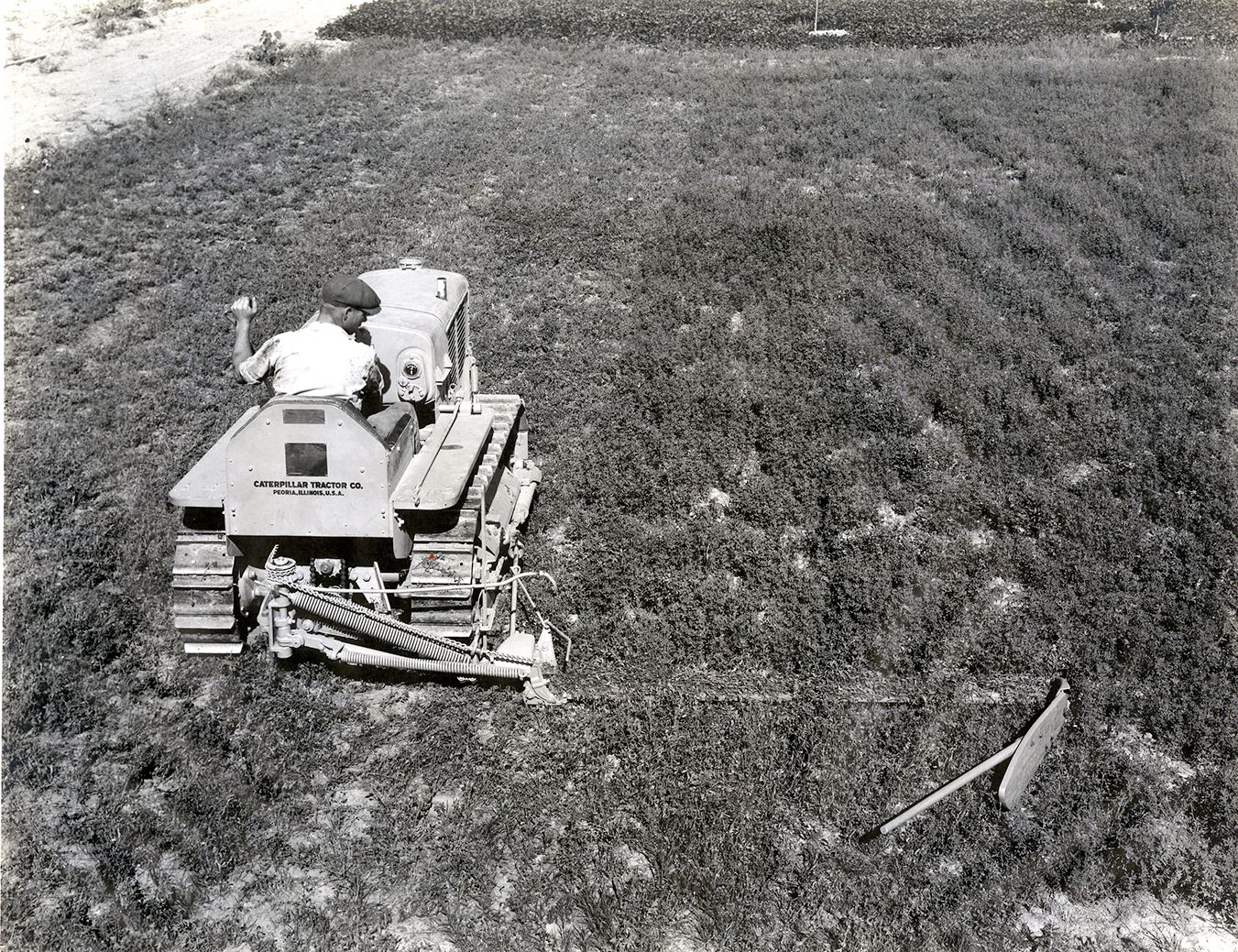
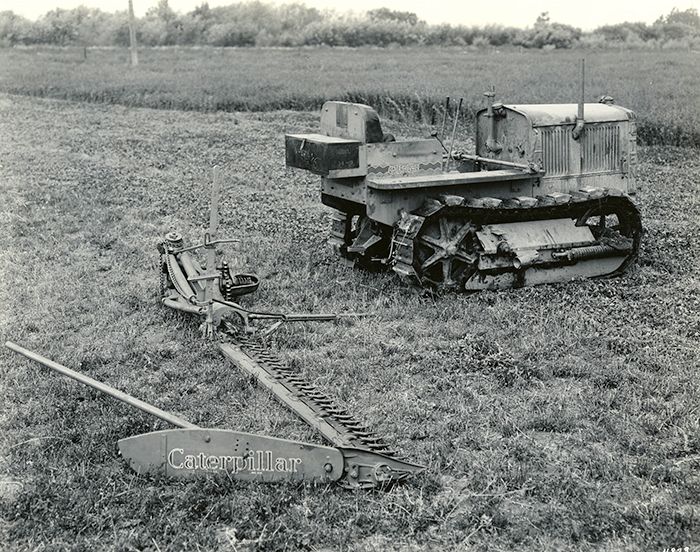
Take the Caterpillar Mower of the 1920s. Mounted at a right angle behind a track-type tractor, the attachment transformed Models Ten, Fifteen and Twenty-Two into powerful mowing machines capable of cutting a seven-foot swath.
It may have looked unconventional, but it addressed a practical need, helping customers get more value from equipment they already owned. The principle of versatility remains central to Caterpillar design today.
Rethinking The Road: From Attachments To Purpose-Built Machines
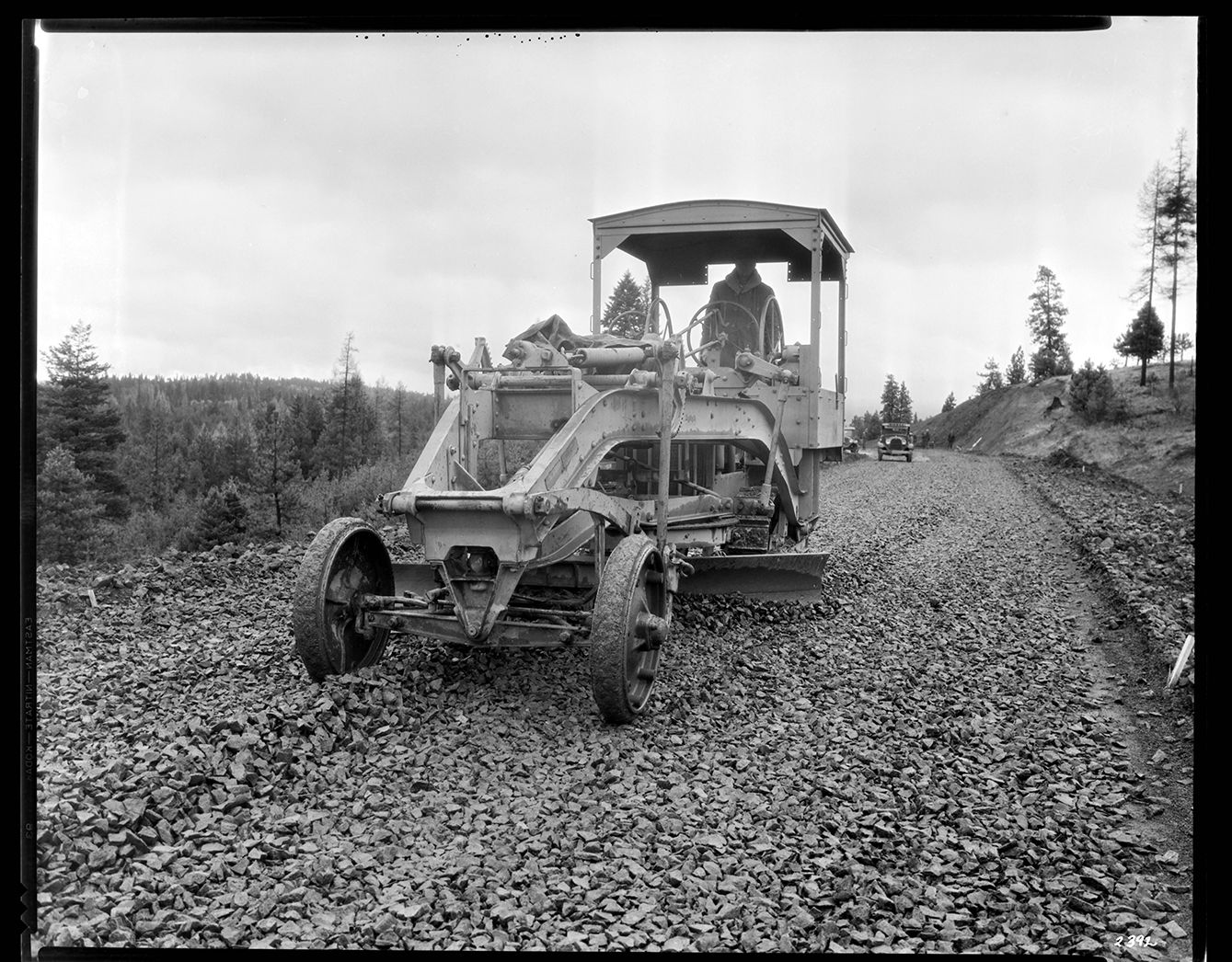
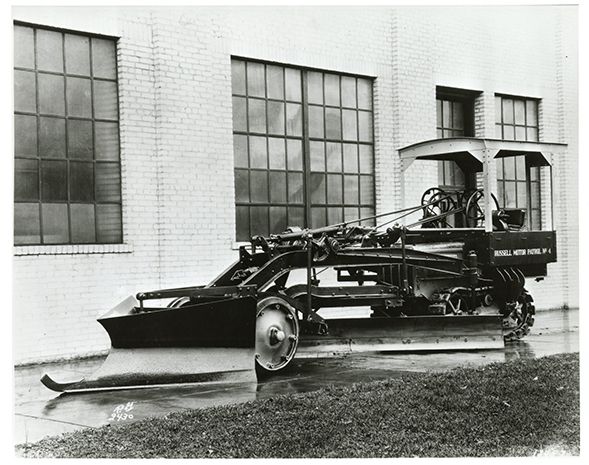
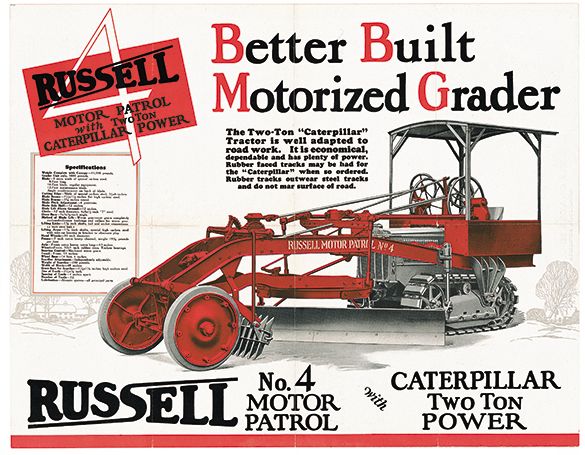
As road construction demands increased, Caterpillar once again challenged convention. Early grading relied on attachments pulled behind tractors, but engineers recognised there was a better way. Following the acquisition of Russell Grader Manufacturing Company, Caterpillar developed the Auto Patrol, an early motor grader that integrated grading capability into the machine itself. It was a simple but significant shift: instead of adapting a machine to a task, build the right machine for the job.
The D6 that broke the rules
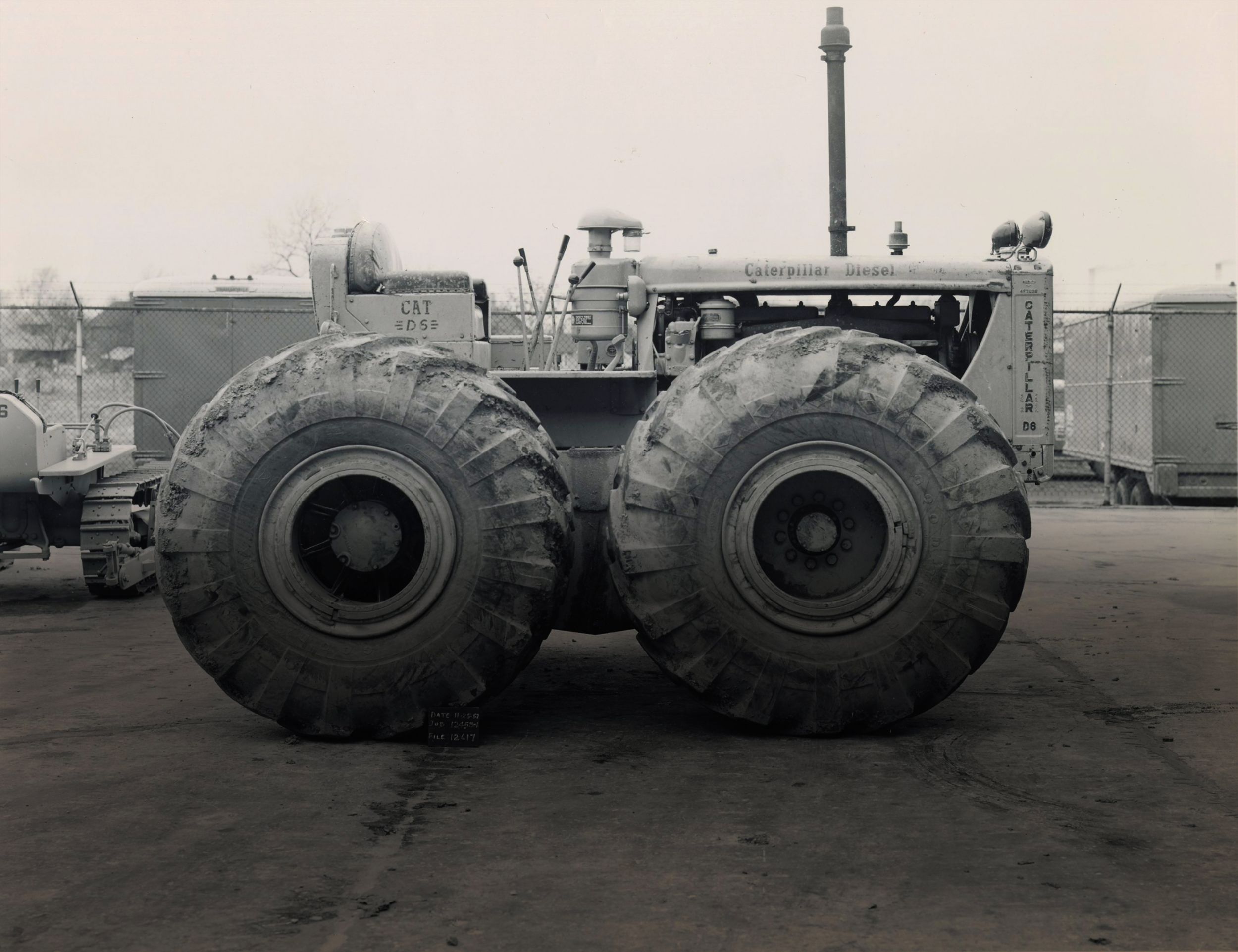
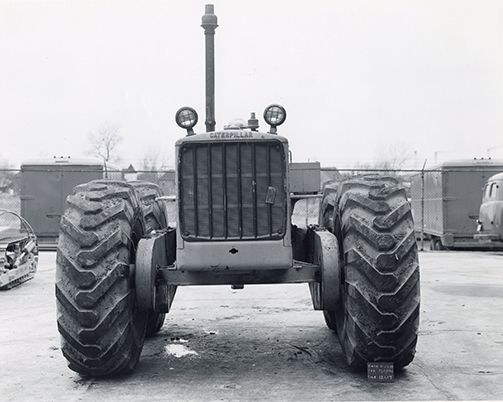
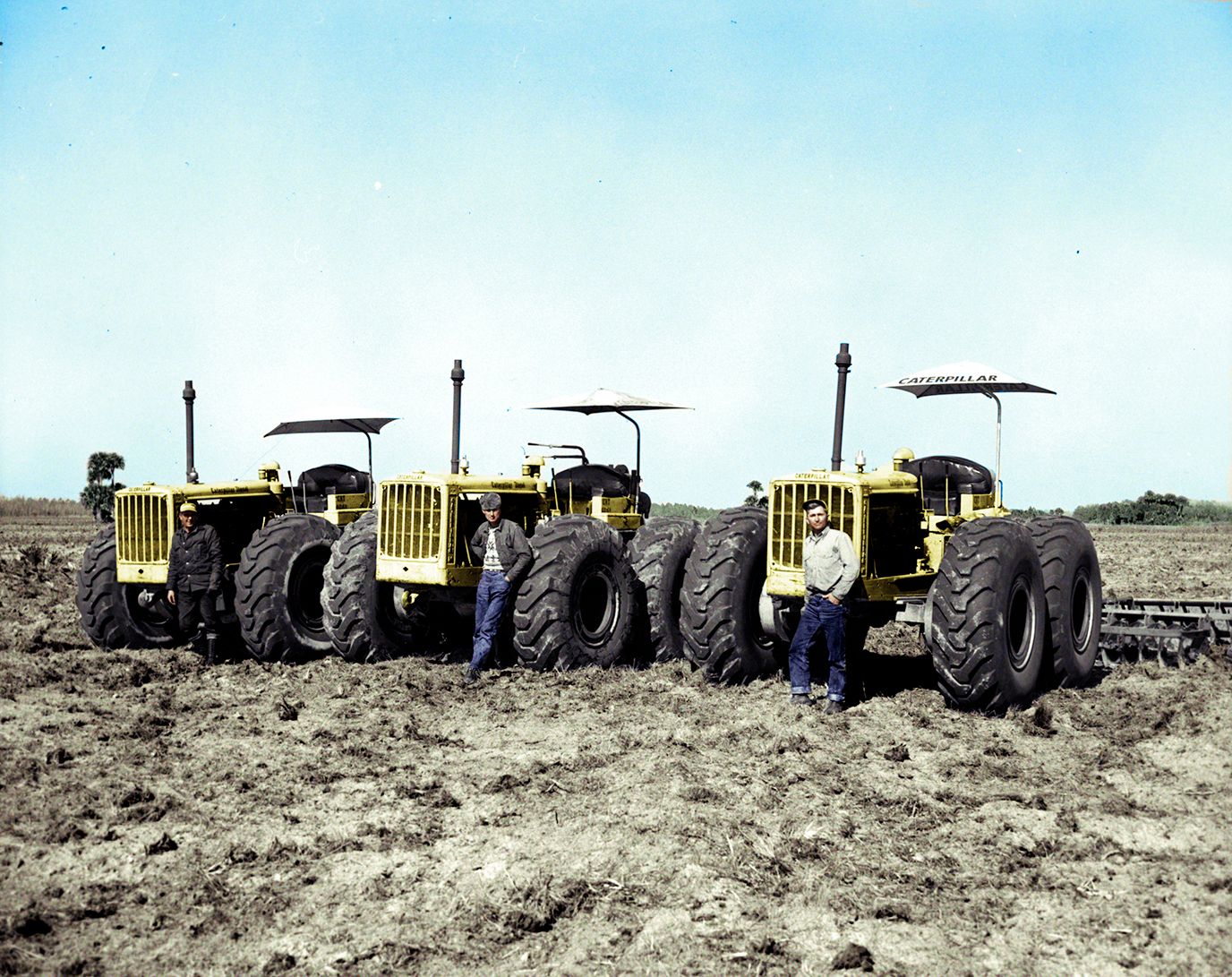
Sometimes innovation came directly from customer needs. In the 1950s, Florida sugarcane producers required a machine that could move efficiently across soft ground. The answer was the “Sugar Baby”, a modified D6 dozer fitted with four equal-sized rubber tyres instead of tracks. Around 150 were built to haul sugarcane wagons from field to mill, proving that creative thinking often starts with understanding the realities customers face every day.
Twice the power
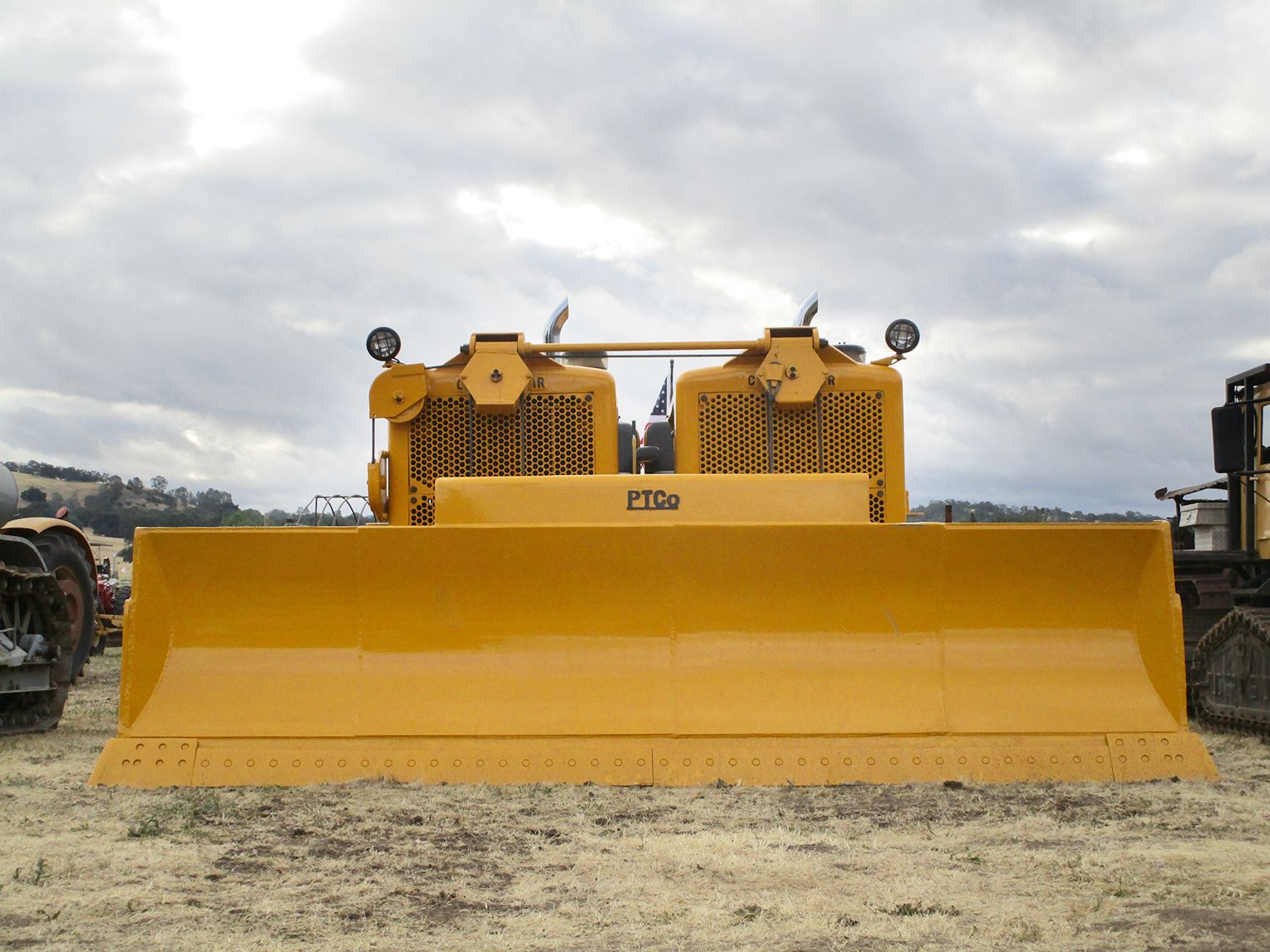
Perhaps the most striking example arrived in the late 1960s and early 1970s with the Side-by-Side D9. By coupling two D9G tractors together and fitting them with a single 24-foot blade, Caterpillar created a machine capable of moving enormous volumes of material. Operated by one person, the twin-machine concept delivered impressive productivity on large-scale earthmoving projects.
What does unusual really mean?
Not every bold idea becomes a permanent product, and that’s exactly the point. These machines weren’t built to be safe bets. They were built to explore, to adapt, and to push boundaries. And they reflect something deeper about how Caterpillar approaches innovation:
Start with the job, not the product
Build for real-world conditions, not assumptions
Learn fast, and apply it forward
Because every experiment adds to what comes next.
Today’s equipment may look very different, but the mindset remains unchanged. Progress comes from challenging assumptions, learning from experience and pushing boundaries. And sometimes, the most unusual ideas are the ones that move the industry forward.
Your Business
 North America – English
Caterpillar Brands
- Caterpillar.com
- Contact Us
- My Marketing Preferences
- Site Map
- Cookie Settings
- Legal
- Privacy
- Do Not Sell or Share My Personal Information
- Accessibility Statement
- US-English
- © 2026 Caterpillar. All Rights Reserved.