

Learning In Real Time
How field experience is powering the future of electrification
What happens if my battery electric equipment will not start? Is it safe to work on a battery? Can my dealer fix it? How much downtime will this cost me?
If you are thinking about electrification, you’re asking these questions and more. After all, these are practical, day-one concerns. Because once an electric machine is on site, it has to do the same thing any Cat® machine has always done. Go to work. Stay productive. Keep downtime to a minimum.
At Caterpillar, that expectation has not changed. Electrification may introduce new technology, but the standard for support remains the same. When customers are ready to bring electric equipment into their operations, their Cat dealer needs to be just as ready to support it.
Built in the field
Behind the scenes, that readiness is being built in real time. The Electrification + Energy Solutions Division Product Support Field Engineering team works at the intersection of customer, dealer and factory. Their role is straightforward. Support machines in the field. Share what they learn. Make the next machine better than the last.
Today, that means boots on the ground across construction sites, mines, marine vessels, locomotives and data centers worldwide. Battery electric trucks, chargers, fuel cells and energy storage systems are operating in demanding applications. Field engineers are there alongside dealers, troubleshooting, refining processes and helping customers stay productive.
Strengthening dealer confidence
There is a strong foundation to build on. Cat diesel electric platforms have accumulated more than 50 million operating hours globally. But battery electric systems bring different service considerations. There is no traditional off switch. High voltage components require specific safety procedures. Charging infrastructure has to be commissioned correctly.
Rather than treat that as a barrier, teams are treating it as a learning curve. Field engineers work closely with dealer technicians, many of whom already have years of diesel electric experience. Together, they are strengthening skills around de-energizing systems, safely handling batteries and diagnosing new types of issues. The knowledge flows both ways, building confidence that carries straight back to the jobsite.
Turning experience into improvement
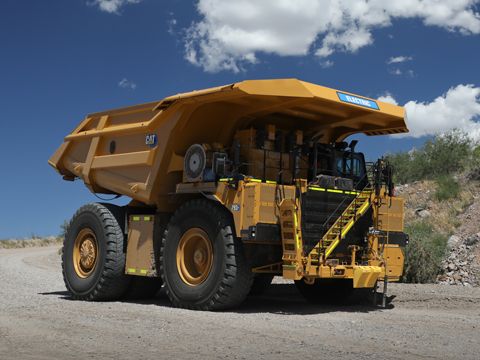
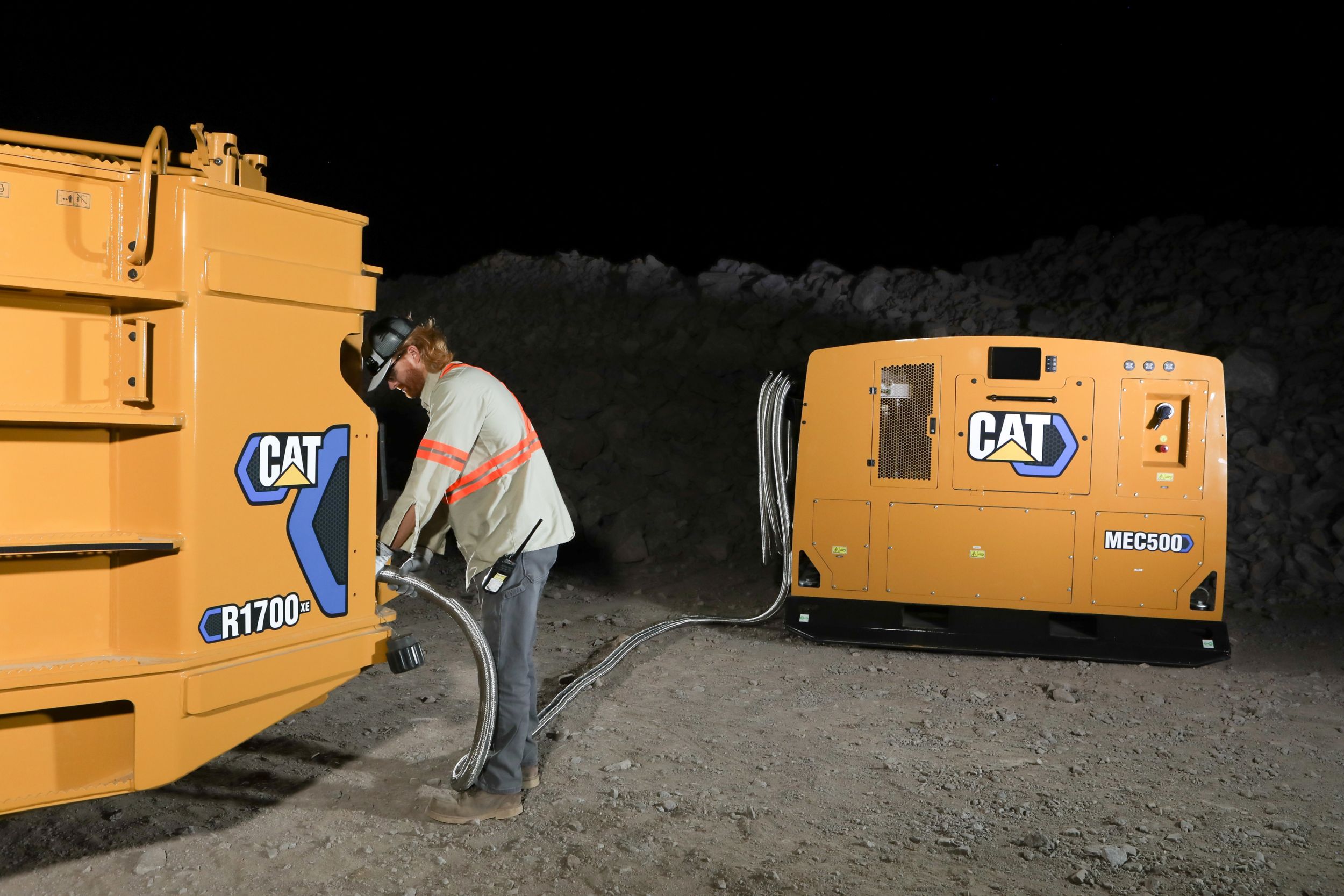
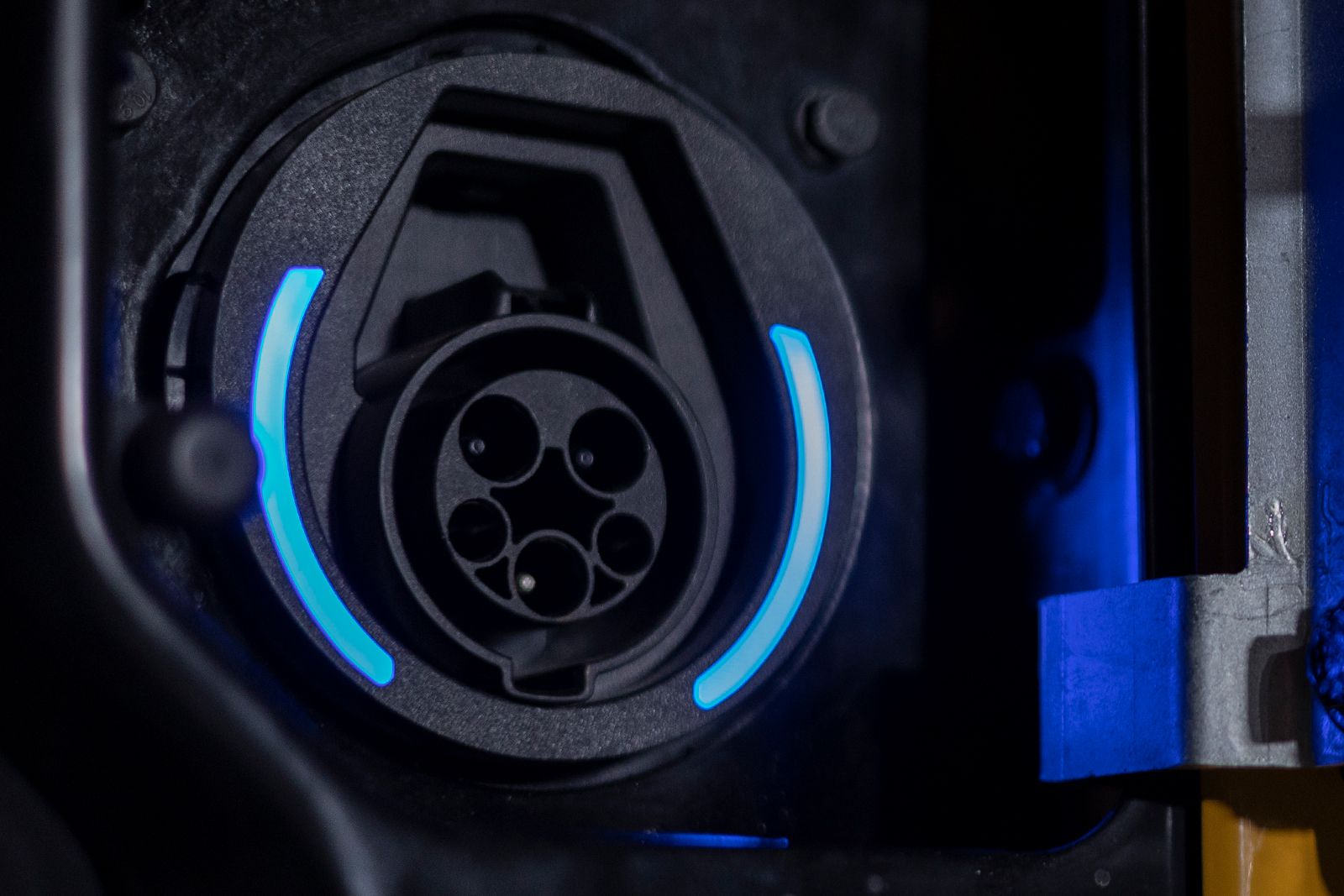
The value of that approach shows up quickly in the field. In Arizona, a Cat 793 battery electric mining truck completed charging but could not release its cable, leaving a fully charged machine temporarily sidelined. Working with the local dealer, the team developed a safe manual release procedure that significantly reduced downtime. The solution was documented and shared across the dealer network.
At another site, an energy storage system repeatedly shut down during startup without clear fault codes. After reviewing system data with engineering teams, the issue was traced to incorrectly wired batteries during installation. Once corrected, the system operated as intended. Engineering documentation and troubleshooting guidance were updated to help prevent similar issues in the future.
Electrification is evolving quickly. So is the support behind it. By capturing lessons in the field and feeding them directly back into training and design, Caterpillar is helping ensure that when customers make the move to electric, the experience feels familiar in the ways that matter most: reliable equipment and responsive support.
Your Business
 North America – English
Caterpillar Brands
- Caterpillar.com
- My Marketing Preferences
- Site Map
- Cookie Settings
- Legal
- Privacy
- Do Not Sell or Share My Personal Information
- Accessibility Statement
- US-English
- © 2026 Caterpillar. All Rights Reserved.